
H.R. 9858: Strategic Technology and Resilient Alliances Act of 2026
This bill would create a new program in the Department of State called the Critical Minerals Innovation Partnership Program to help the United States work with allied and partner countries, as well as certain eligible institutions and companies, on technologies related to critical minerals.
What the program would do
The program is meant to support the development and use of technologies that improve how critical minerals are found, extracted, processed, refined, recycled, reused, or replaced with alternatives. The bill says these minerals are important for things like energy systems, semiconductors, manufacturing, and defense.
The State Department would appoint a Director to run the program. That Director would coordinate with other federal agencies, including the Departments of Energy, Defense, Commerce, Transportation, Treasury, and others, as needed.
Who could participate
The Secretary of State would choose which countries and entities can take part, with broad discretion. Countries would generally be expected to be U.S. allies or partners, or at least strategically or commercially important and willing to participate.
Eligible entities could include:
- colleges and universities
- nonprofit institutions
- federally funded research and development centers
- private-sector companies
- consortia made up of these types of entities
Entities that are considered “foreign entities of concern” would not be eligible.
The bill also bars partnerships with any “country of concern” or related entity. The bill defines countries of concern to include Russia, Cuba, Burma, North Korea, Iran, and China.
How partnerships would work
Before entering a partnership, the program would have to notify Congress, share the partnership text, and provide an in-person briefing at least 30 days beforehand.
Each partnership would need to include:
- clear goals
- the responsibilities of each side
- benchmarks for tracking progress
- a multiyear plan showing expected contributions and oversight
- details on dispute resolution and intellectual property rules
- methods for handling controlled or sensitive information
- processes for reviewing both solicited and unsolicited proposals
Director’s responsibilities and tools
The Director would be responsible for managing partnerships, creating strategy roadmaps, identifying weaknesses in critical mineral supply chains, and helping coordinate joint research, grants, procurement, and other collaborative efforts.
The Director could also:
- hire staff outside normal competitive service rules for specialized roles
- request detailed personnel from other agencies
- make contracts, grants, and cooperative agreements
- establish “Country Teams” at U.S. overseas posts to help carry out the partnerships
Centers of Excellence and digital platform
The bill would encourage the creation of International Centers of Excellence for Innovative Critical Minerals Supply Chain Technologies in participating countries or entities. These centers would support research, pilot projects, training, cooperation between institutions and industry, and development of regulatory frameworks and monitoring tools.
The bill would also require a public digital platform where U.S. entities can see opportunities, submit proposals, and find information about funding, pilot projects, and collaboration efforts. It specifically says early-stage and venture-backed companies should be actively considered for participation.
Foreign assistance and funding
The bill would add a new section to the Foreign Assistance Act allowing the President, through the Secretary of State, to provide assistance for science and technology cooperation related to critical minerals, energy, and related fields. This could include financing for projects involving extraction, processing, refining, recycling, demonstration projects, shared facilities, commercialization, and other related technology areas.
The State Department would be allowed to use certain appropriated funds to support these partnerships with allied and partner countries. Those funds could not be used for countries of concern or related entities.
Oversight, limits, and duration
The bill requires congressional notification before funds are obligated for certain assistance and includes restrictions to avoid transactions involving countries of concern. It also includes a rule prohibiting funding to any entity in which the President or Vice President, or their immediate family members, has an ownership or managerial role.
The authorities in the bill would expire 10 years after enactment, but existing agreements entered into before that date could continue, and funds already obligated could still be spent for their original purpose.
Relevant Companies
None found
This is an AI-generated summary of the bill text. There may be mistakes.
Sponsors
13 bill sponsors
-
TrackYoung Kim
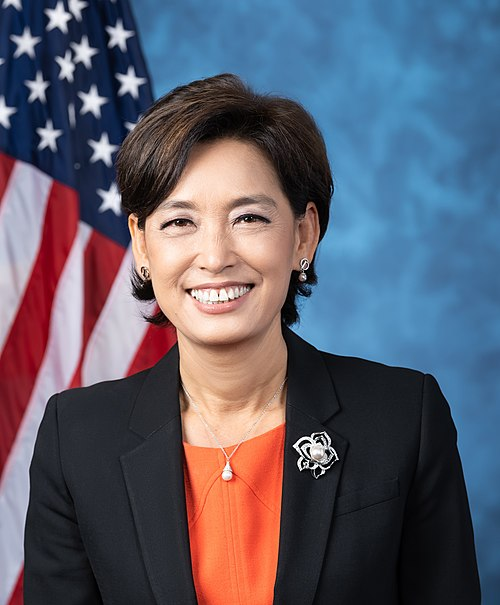
Sponsor
-
TrackAmi Bera
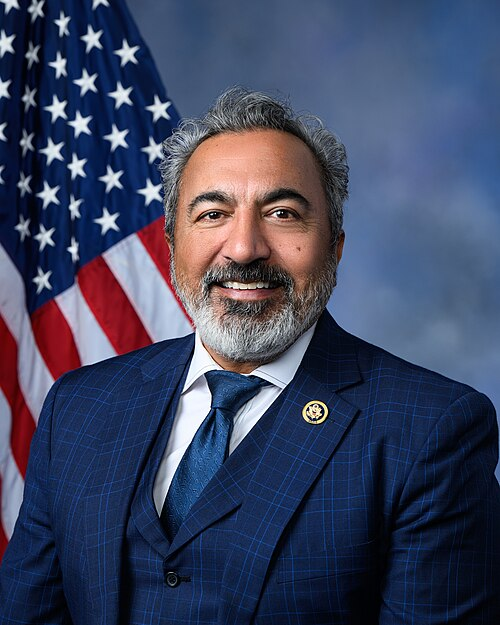
Co-Sponsor
-
TrackStephanie I. Bice
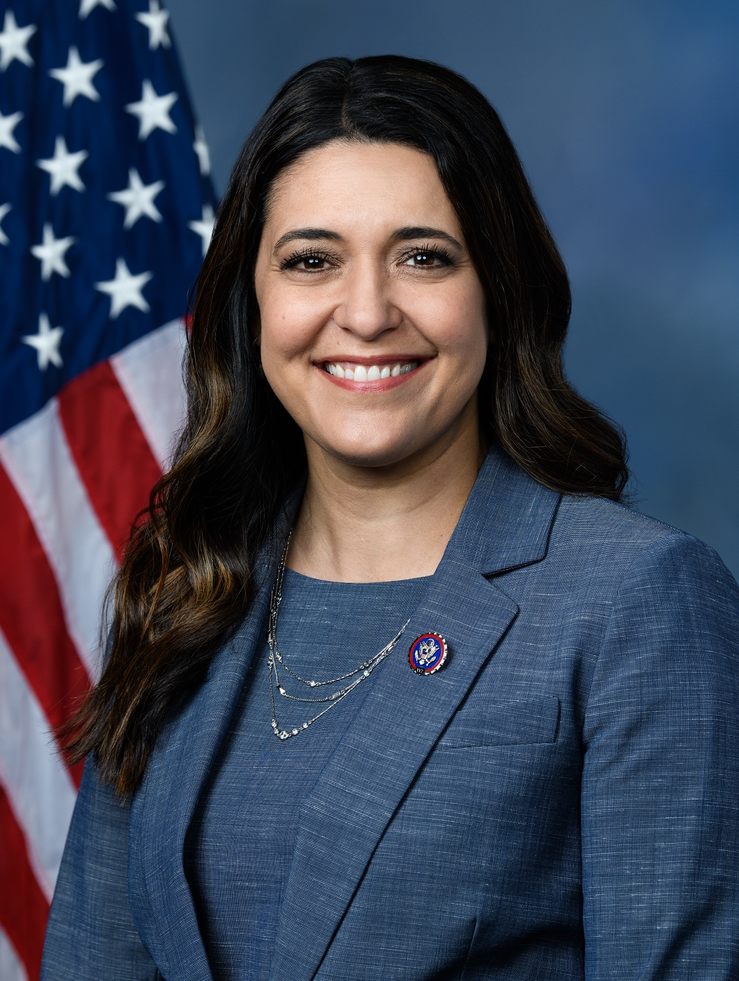
Co-Sponsor
-
TrackGus M. Bilirakis

Co-Sponsor
-
TrackPat Harrigan
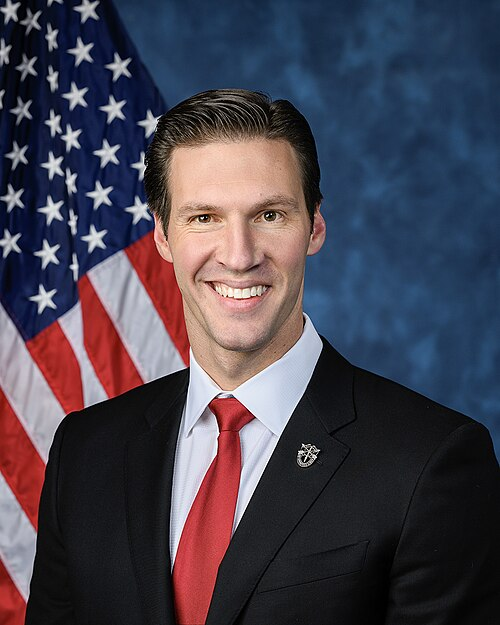
Co-Sponsor
-
TrackThomas H. Kean, Jr.
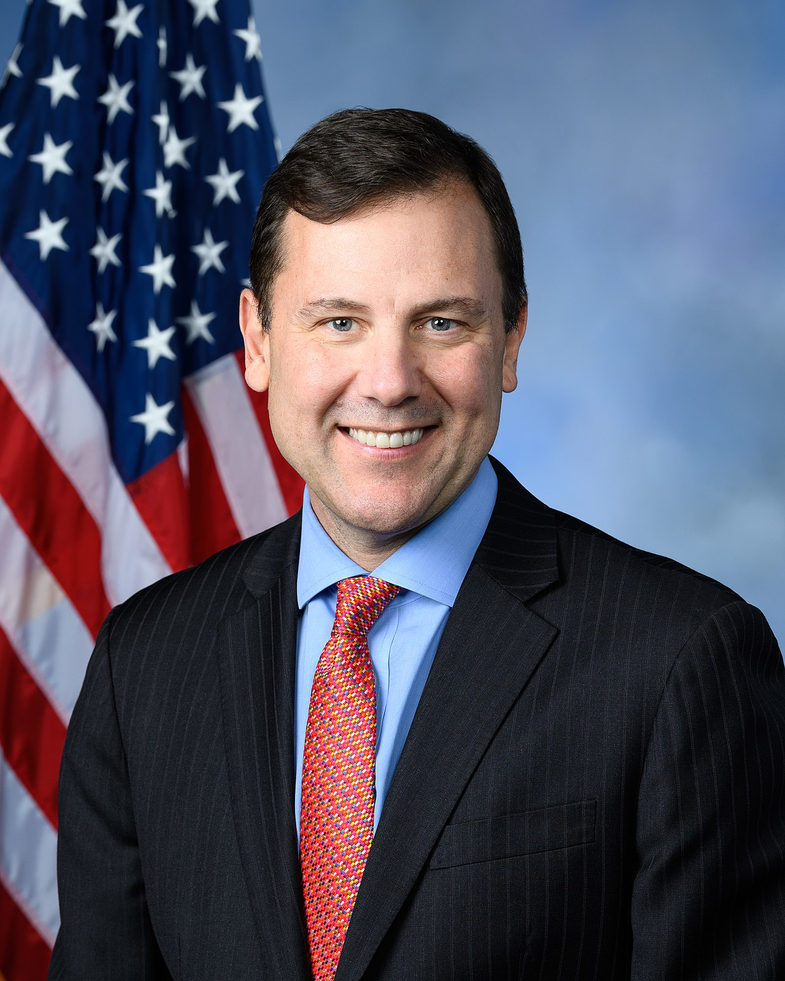
Co-Sponsor
-
TrackMichael Lawler
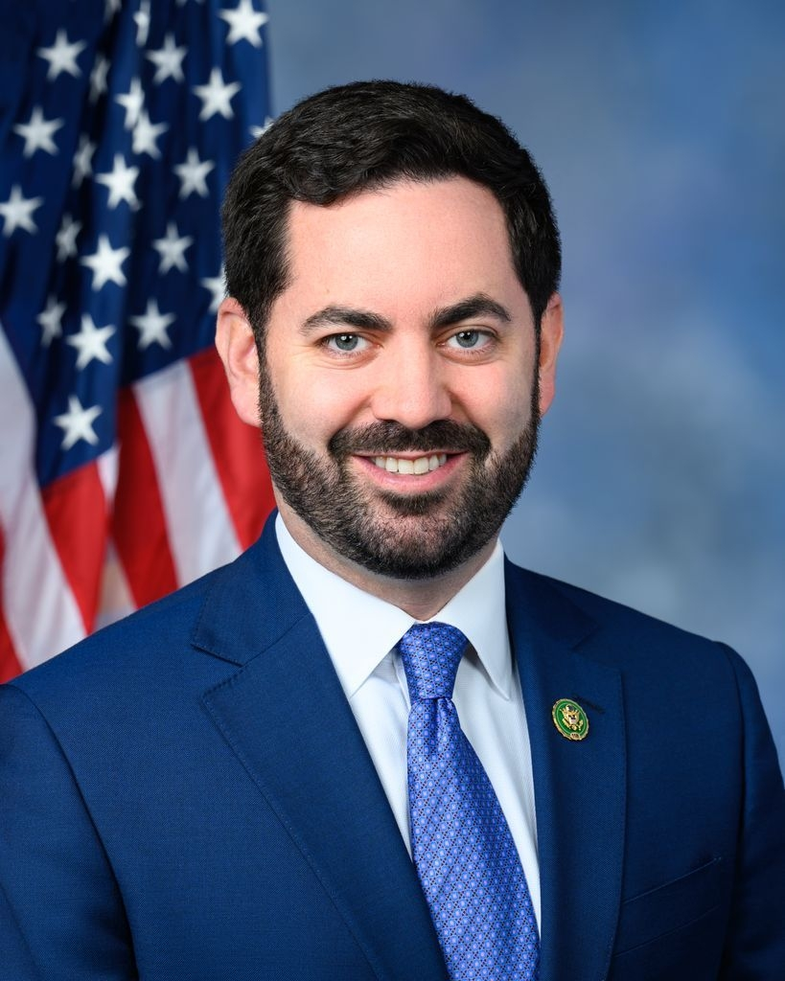
Co-Sponsor
-
TrackRyan Mackenzie
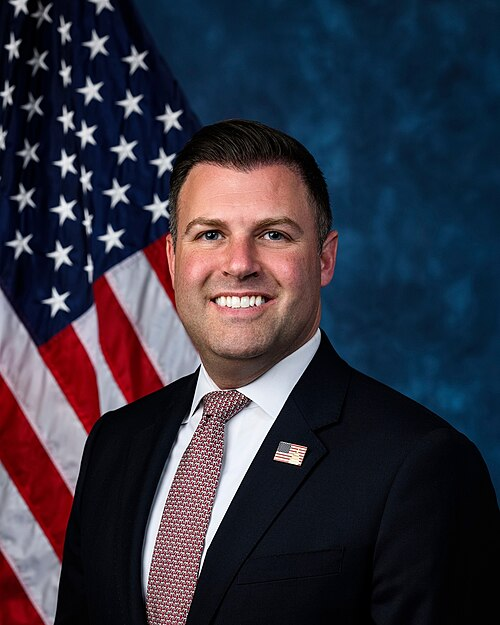
Co-Sponsor
-
TrackMax L. Miller

Co-Sponsor
-
TrackAugust Pfluger
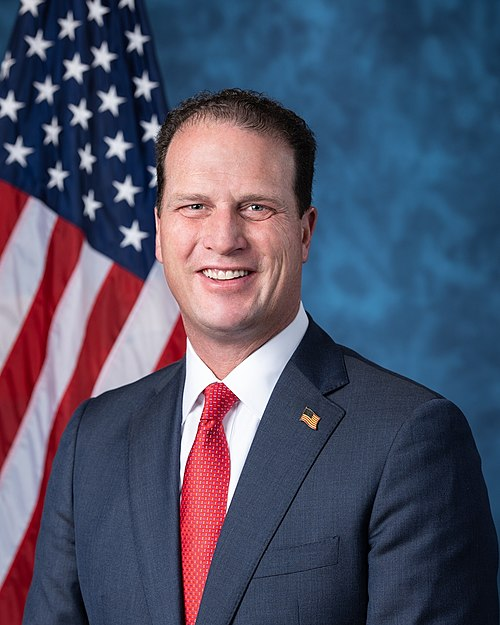
Co-Sponsor
-
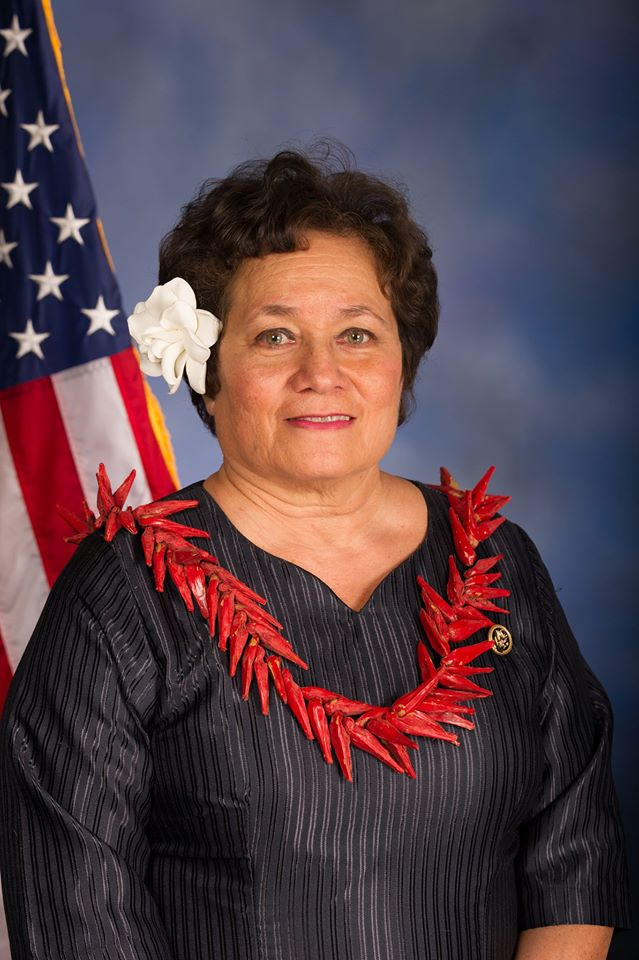
TrackAumua Amata Coleman Radewagen
Co-Sponsor
-
TrackMaria Elvira Salazar

Co-Sponsor
-
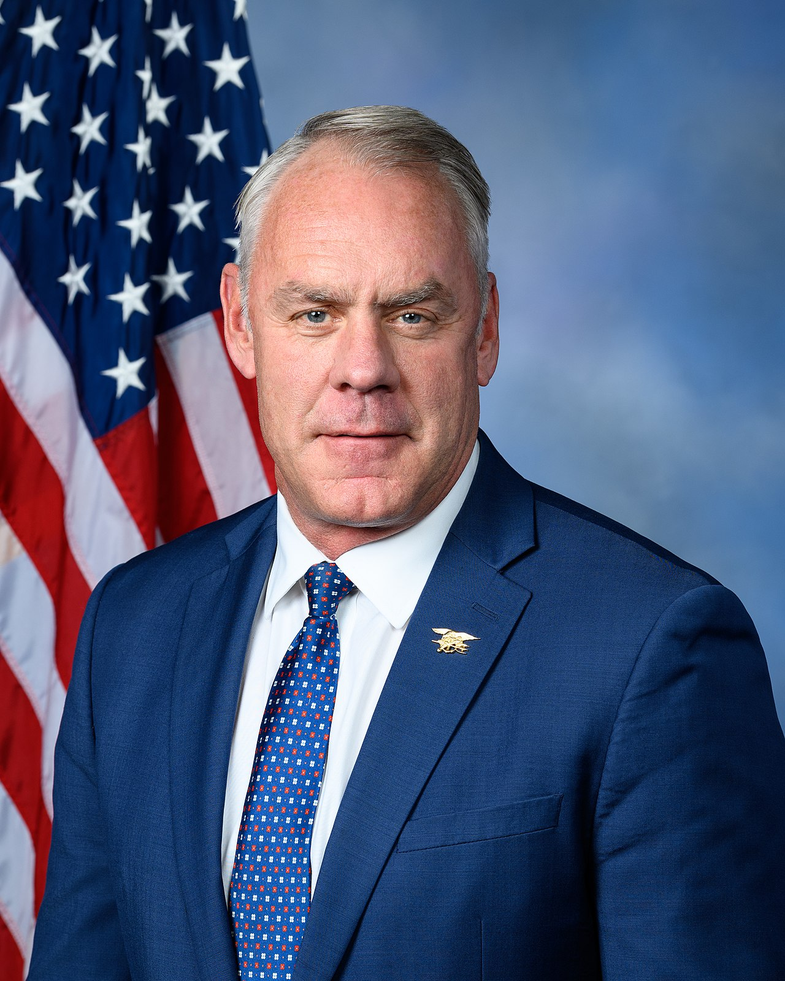
TrackRyan K. Zinke
Co-Sponsor
Actions
2 actions
| Date | Action |
|---|---|
| Jul. 22, 2026 | Introduced in House |
| Jul. 22, 2026 | Referred to the House Committee on Foreign Affairs. |
Corporate Lobbying
0 companies lobbying
None found.
* Note that there can be significant delays in lobbying disclosures, and our data may be incomplete.
Potentially Relevant Congressional Stock Trades
No relevant congressional stock trades found.