
H.R. 9853: Right to Learn Act of 2026
The bill would direct the Secretary of Education to create a competitive grant program to help schools and related organizations respond when immigration enforcement actions affect students, families, or school staff. The stated goal is to keep schools safe and supportive learning environments, especially for children and families who may be experiencing stress, fear, or disruption because of immigration enforcement.
What the grant program would do
Eligible recipients could include:
- Local educational agencies
- Public schools
- Early childhood programs, including Head Start and certain state-regulated pre-K programs
- Colleges and universities
- Community-based nonprofit organizations
- Legal service providers
Grants would last up to three years initially, and could be renewed yearly if the Secretary of Education decides renewal is appropriate based on performance and evaluation.
What grant money could be used for
The bill allows grant funds to support several kinds of services and programs, including:
- Student support: hiring or expanding bilingual counselors, social workers, trauma-informed staff, or school psychologists.
- Emergency help: transportation, food, clothing, temporary shelter, and help connecting to legal services, including referrals and certain administrative or court fees related to immigration proceedings.
- Mental health services: school-based or community-based counseling, peer support groups, family counseling, and other supports for students experiencing anxiety, fear, or trauma related to immigration enforcement.
- Curriculum and instruction: materials about the history, contributions, and experiences of immigrants in the United States.
- Staff support: counseling, peer-support networks, and other mental health services for school personnel affected by immigration enforcement actions.
- Training for staff: professional development on trauma-informed practices, legal rights of immigrant students and families, culturally responsive care, and crisis response protocols.
- Family and community engagement: partnerships with legal service providers, nonprofits, and advocacy groups to offer “Know Your Rights” information, reunification resources, and legal support.
- Protocol development: coordination with local governments and community stakeholders to create or revise school procedures for responding during immigration enforcement actions.
Who would get priority
When awarding grants, the Secretary of Education would give priority to applicants that:
- Serve communities where immigration enforcement actions are occurring;
- Serve populations with high numbers of people defined in the bill as “specified individuals,” meaning non-U.S. nationals who are in the United States with or without lawful status, or their household members;
- Already partner with community nonprofits or legal service providers.
Privacy and nondiscrimination rules
The bill says that the Education Department and grant recipients may not request, collect, or disclose personally identifiable information about a student’s or family member’s immigration or citizenship status, except where required by other federal law or a court order. It also allows the use of non-personally identifiable information to determine whether immigration enforcement activity is occurring in a community and how many people may be affected.
It also bars grant recipients from denying or limiting services under the program because of a student’s, family member’s, or staff member’s actual or perceived immigration status. Applicants would have to certify compliance with applicable privacy and civil rights laws, including FERPA and Title VI of the Civil Rights Act.
Funding
The bill authorizes $250 million per year for fiscal years 2027 through 2031 to carry out the program.
Relevant Companies
None found
This is an AI-generated summary of the bill text. There may be mistakes.
Sponsors
15 bill sponsors
-
TrackJesús G. "Chuy" García
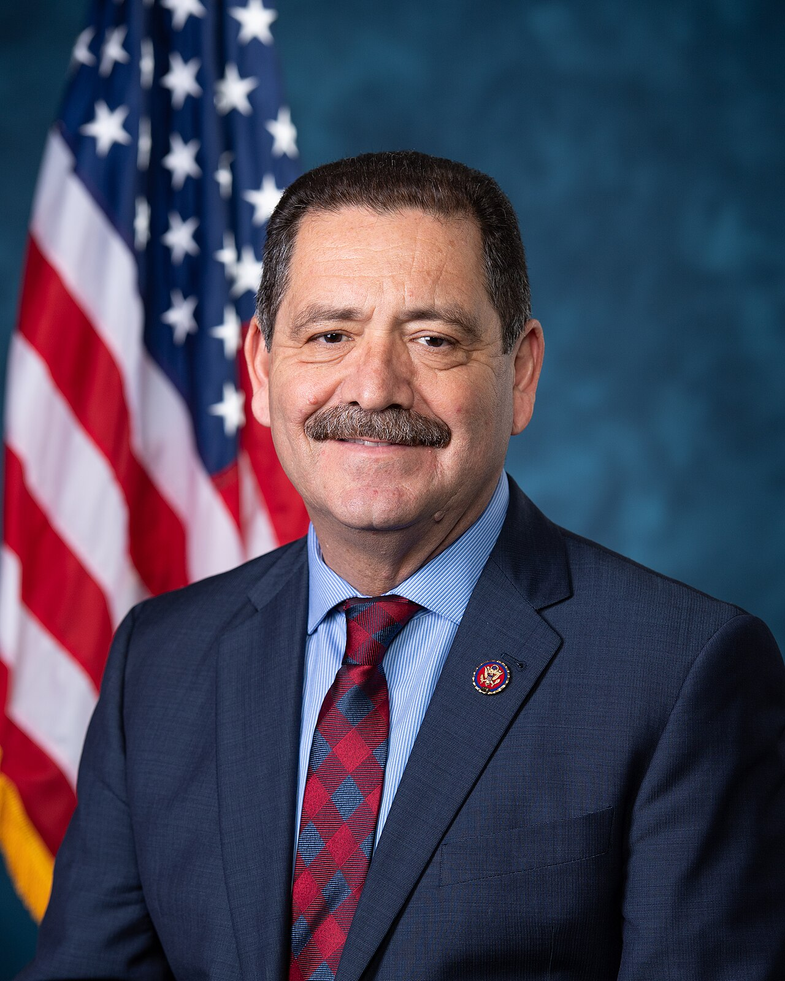
Sponsor
-
TrackSuzanne Bonamici
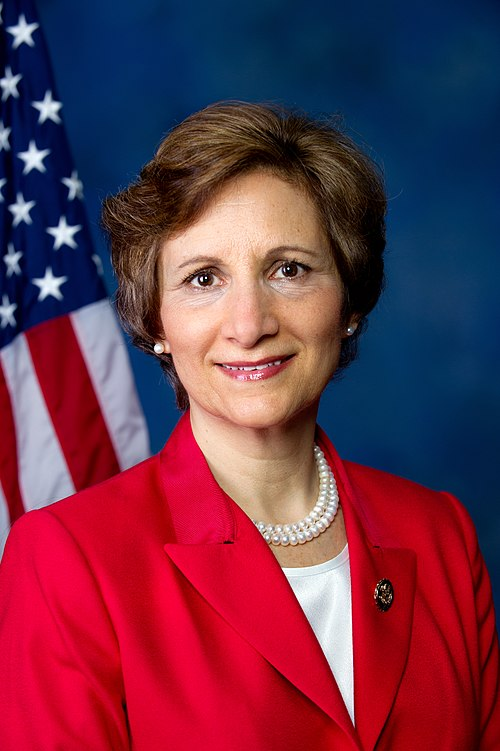
Co-Sponsor
-
TrackJ. Luis Correa
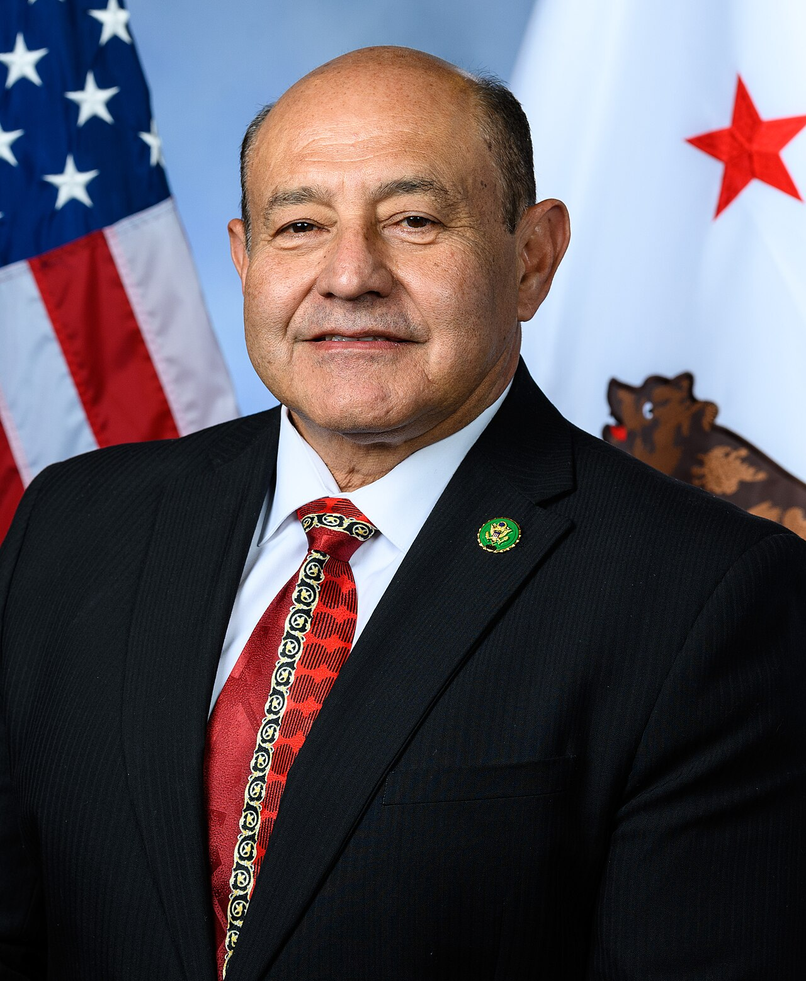
Co-Sponsor
-
TrackAngie Craig
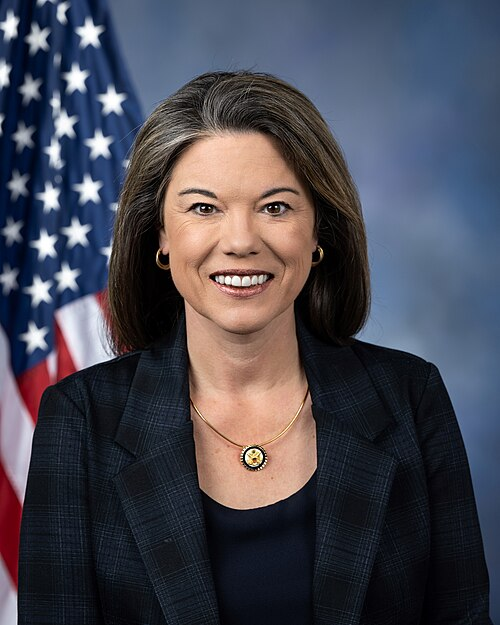
Co-Sponsor
-
TrackJasmine Crockett
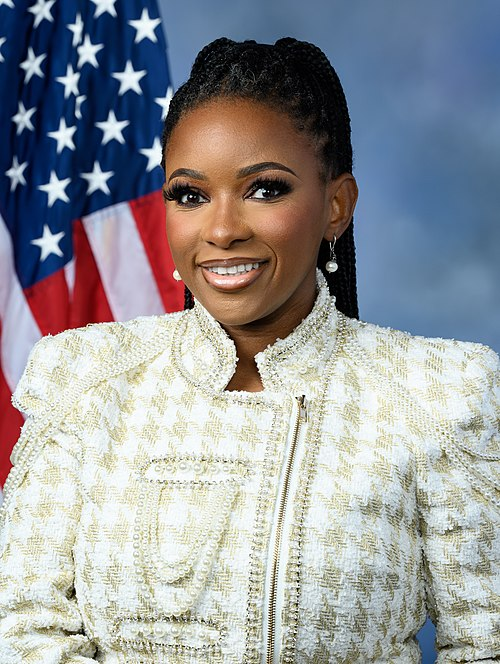
Co-Sponsor
-
TrackAdriano Espaillat
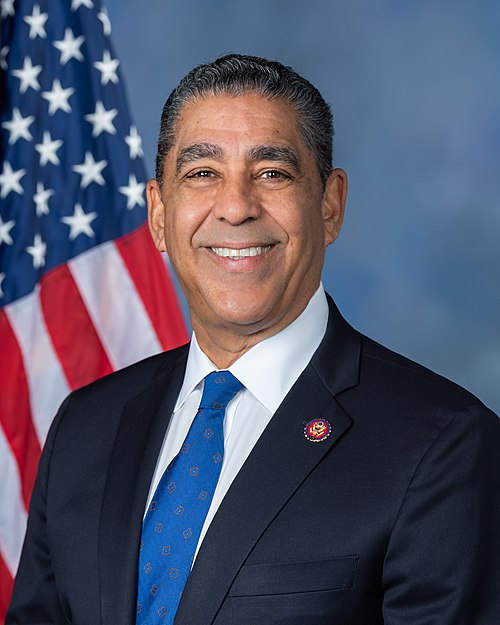
Co-Sponsor
-
TrackDwight Evans
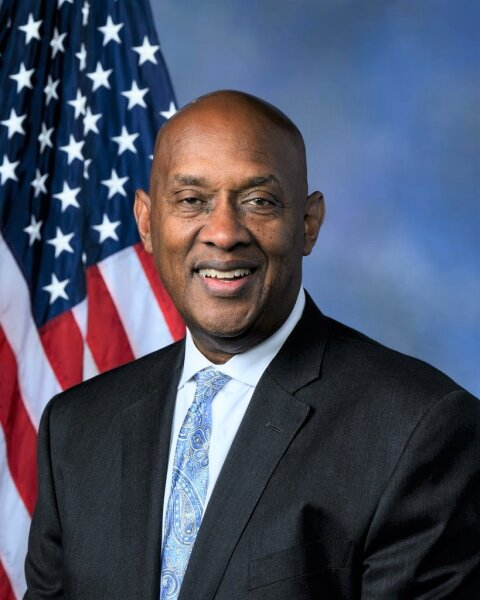
Co-Sponsor
-
TrackRobert Garcia
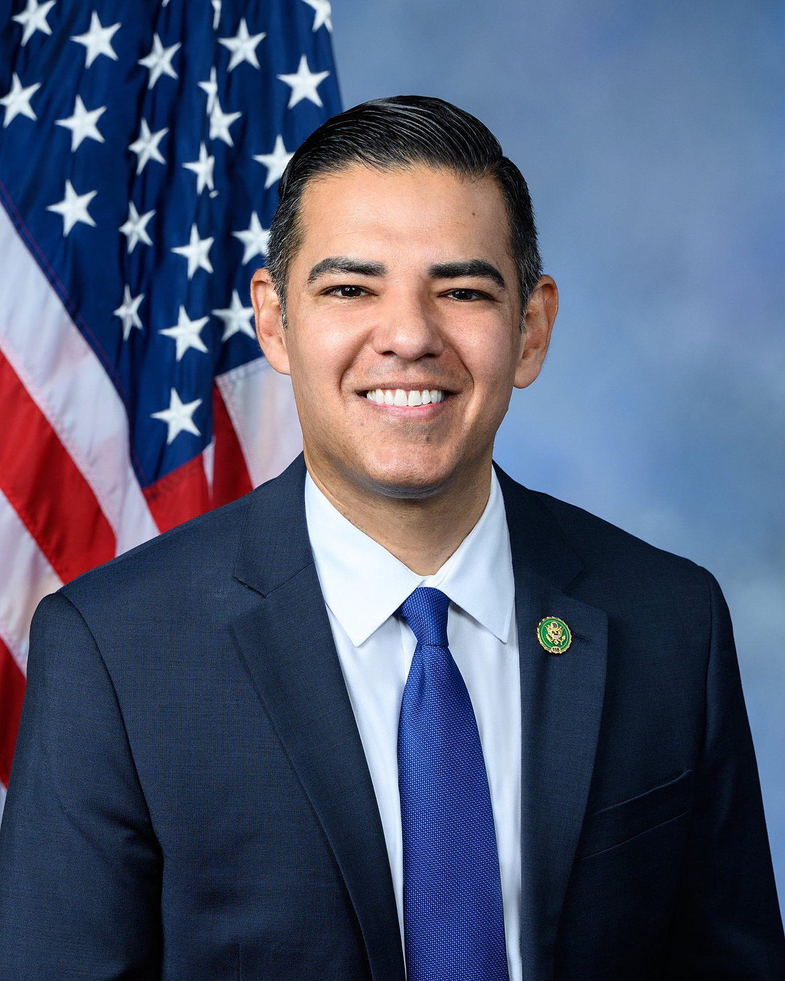
Co-Sponsor
-
TrackRaja Krishnamoorthi
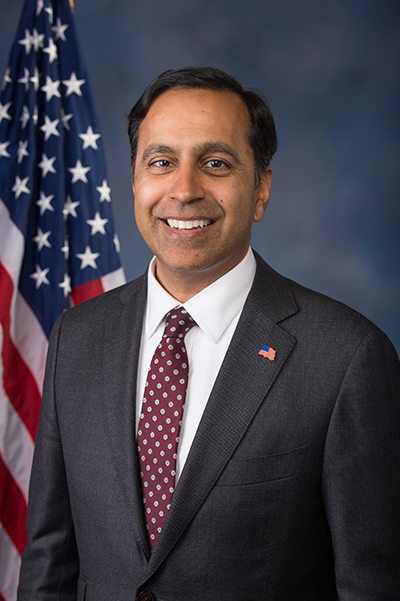
Co-Sponsor
-
TrackSummer L. Lee
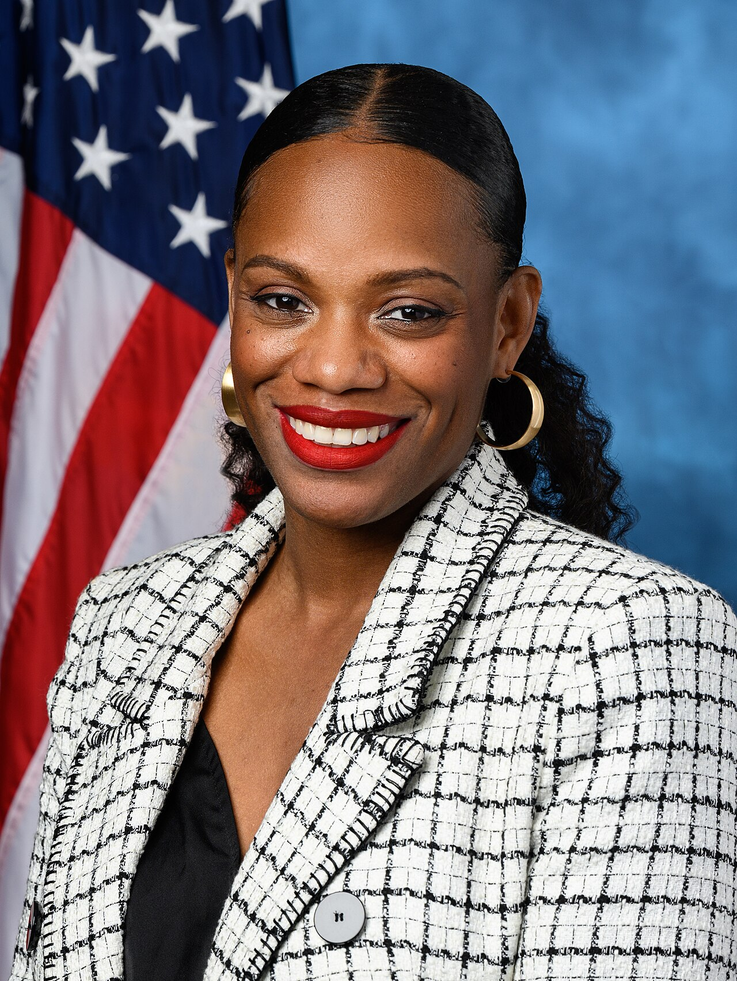
Co-Sponsor
-
TrackEleanor Holmes Norton

Co-Sponsor
-
TrackIlhan Omar

Co-Sponsor
-
TrackDelia C. Ramirez
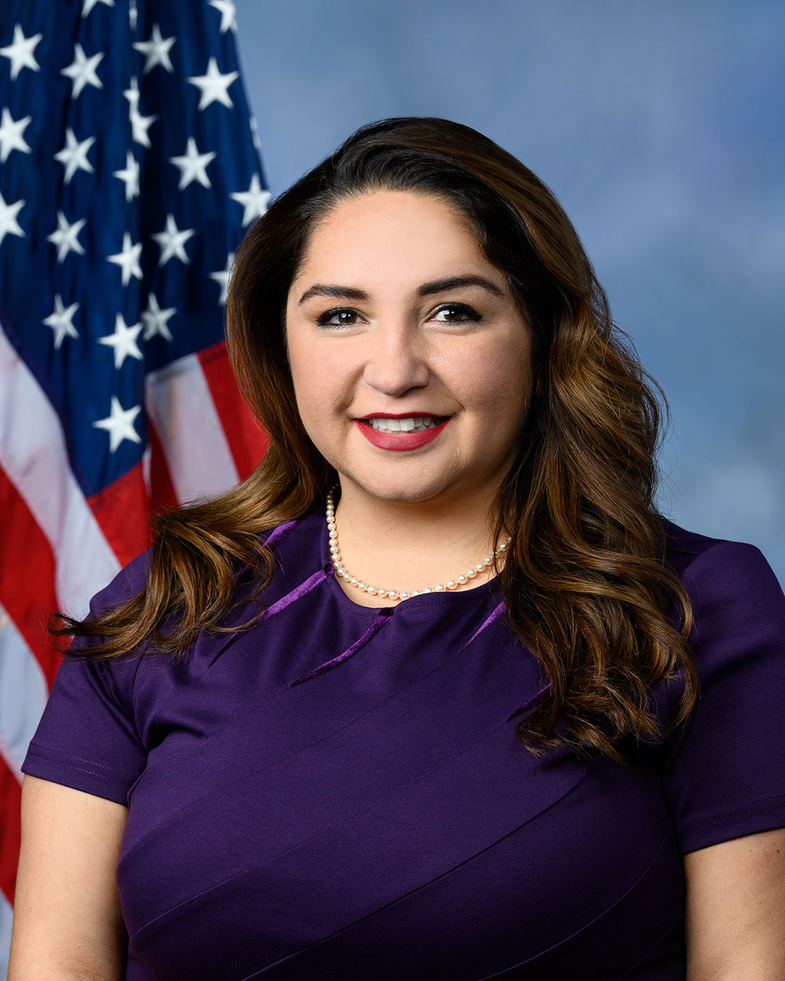
Co-Sponsor
-
TrackFrederica S. Wilson

Co-Sponsor
-
Tracknan

Co-Sponsor
Actions
2 actions
| Date | Action |
|---|---|
| Jul. 22, 2026 | Introduced in House |
| Jul. 22, 2026 | Referred to the House Committee on Education and Workforce. |
Corporate Lobbying
0 companies lobbying
None found.
* Note that there can be significant delays in lobbying disclosures, and our data may be incomplete.
Potentially Relevant Congressional Stock Trades
No relevant congressional stock trades found.