
H.R. 9842: State Offices of Women’s Health Support and Expansion Act
This bill would create a federal grant program to help states set up and run state offices of women’s health. The Department of Health and Human Services, through the Deputy Assistant Secretary for Women’s Health, would give grants to eligible states that apply.
What the grant money could be used for
States receiving funding would use it to:
- create a new state office of women’s health or support an existing one;
- inform the public about women’s health, including prevention, early detection, chronic disease management, reproductive health, maternal health, and health promotion;
- collect, organize, and share information about women’s health services, research, and best practices;
- identify and recommend programs and funding priorities related to women’s health;
- produce educational materials and hold public forums or outreach events;
- work with other groups involved in women’s health, with special attention to rural and medically underserved areas;
- support efforts addressing non-medical factors that affect health, such as housing, transportation, food access, childcare, and workforce participation.
Advisory panel requirement
Each funded state would have to convene, at least once a year, a community stakeholder advisory panel to help shape priorities, funding recommendations, and public education efforts. The panel would include people such as:
- representatives of community organizations serving rural women, low-income women, and women of color;
- women’s health providers, including OB-GYNs;
- representatives of federally qualified health centers, Title X centers, and rural health facilities;
- nonprofit experts on women’s health;
- public health researchers and educators;
- patient and consumer advocates;
- state Medicaid officials;
- people from communities most affected by reproductive health disparities;
- state-based medical societies with women’s health expertise.
Limits on how the money can be used
The bill would bar grant money from being used to discourage people from seeking lawful reproductive health services, including abortion, contraception, assisted reproductive care, hormone therapy, sex education, or STI testing. It also would prohibit grantees from withholding or misrepresenting medically accurate, evidence-based information about:
- contraceptives and emergency contraception;
- medication abortion;
- sex education;
- women’s health information generally, including vaccines.
The funds also could not be used to restrict anyone’s ability to seek or access any lawful health service.
Funding formula
Each year, the federal funding would be split in two parts:
- 50% divided equally among all eligible states;
- 50% distributed based on a formula that considers the number of women in the state, maternal mortality rates, poverty rates among women, and the share of the population living in rural areas.
Privacy rules
The bill includes privacy protections for data collected by these offices. Such data could not be used with certain digital platforms that store or process personal data on external servers, could not be used for civil or criminal proceedings, and could not be shared in a way that identifies individuals or their health care providers.
Medicaid data sharing
State health departments would be allowed to work with state Medicaid agencies to share high-level, aggregate, de-identified data. The purpose would be to:
- identify gaps in women’s health services covered by Medicaid;
- develop evidence-based proposals for Medicaid waivers or state plan changes aimed at improving women’s health outcomes.
Any shared data would have to be de-identified, aggregated to prevent identification of individuals, and used only for public health purposes.
Reporting requirements
States receiving grants would have to send annual reports to the federal government describing:
- women’s health priorities and service needs in the state;
- areas needing improvement;
- public education, outreach, and forum activities;
- the work of the advisory panel, if used;
- aggregate, anonymized data supporting policymaking, without personally identifiable information;
- measurable improvements and remaining gaps, including data by race, ethnicity, income, and geography.
Funding authorization
The bill authorizes $55 million per year for fiscal years 2027 through 2031 to carry out the program.
Relevant Companies
None found
This is an AI-generated summary of the bill text. There may be mistakes.
Sponsors
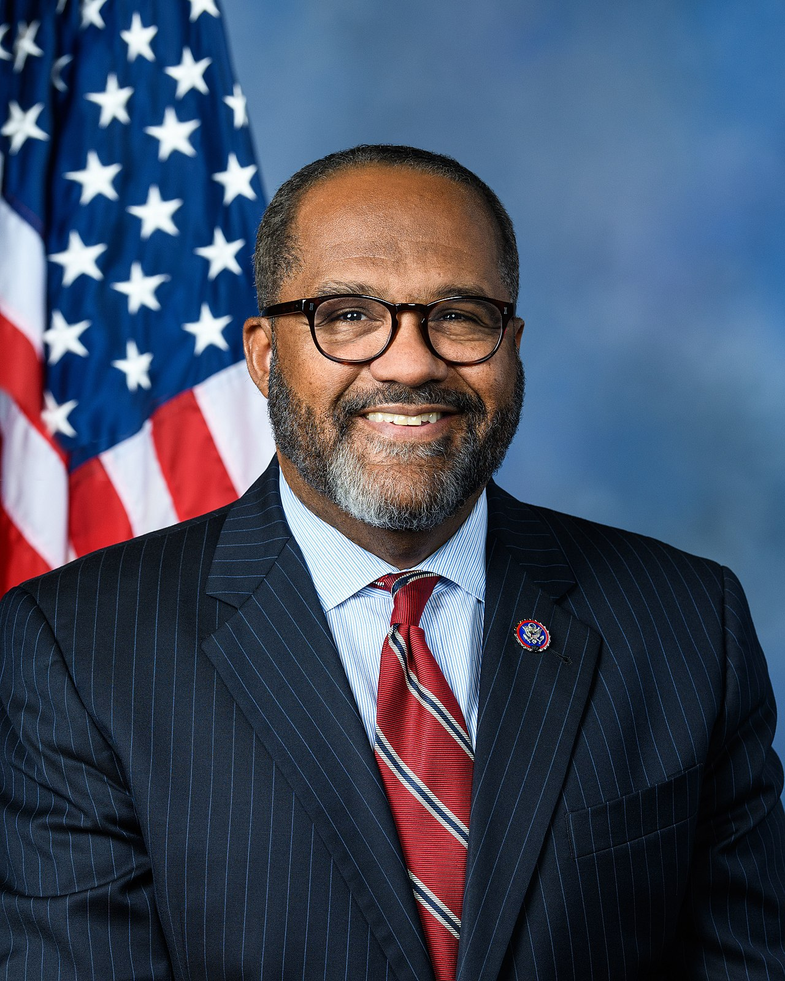
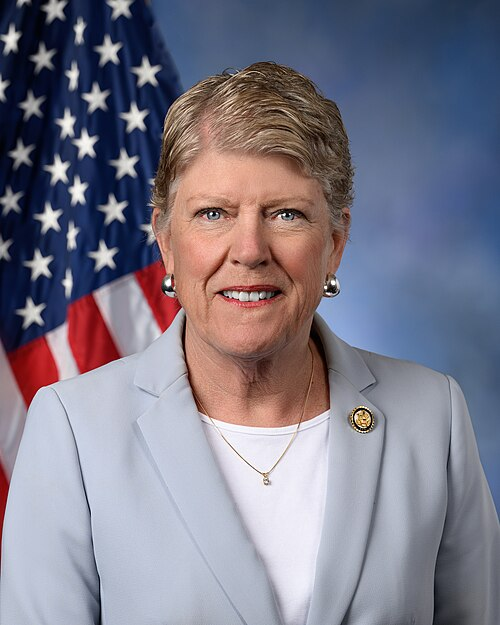
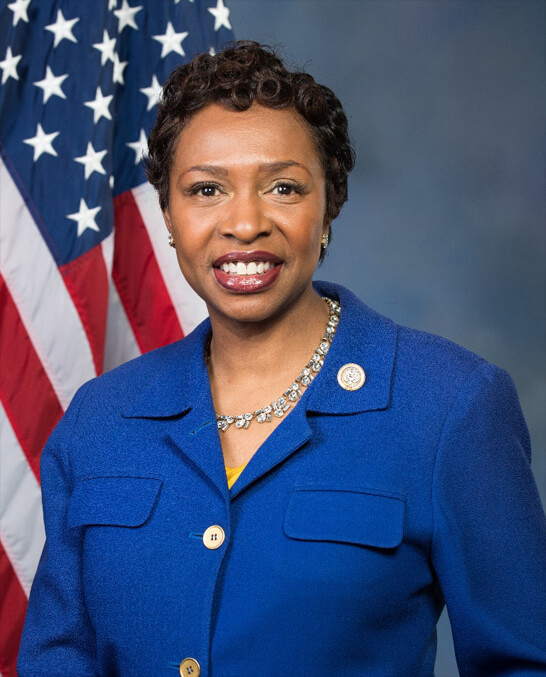
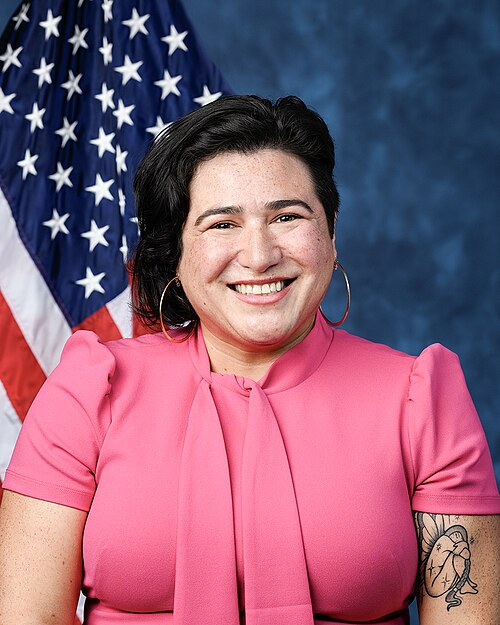
6 bill sponsors


Actions
2 actions
| Date | Action |
|---|---|
| Jul. 22, 2026 | Introduced in House |
| Jul. 22, 2026 | Referred to the House Committee on Energy and Commerce. |
Corporate Lobbying
0 companies lobbying
None found.
* Note that there can be significant delays in lobbying disclosures, and our data may be incomplete.
Potentially Relevant Congressional Stock Trades
No relevant congressional stock trades found.