
H.R. 9827: Wildfire Reduction Market Expansion Act of 2026
This bill would change the federal definition of renewable biomass under the Renewable Fuel Standard in the Clean Air Act. That matters because only certain kinds of biomass can be used to make qualifying renewable fuels and generate renewable fuel credits.
What changes
The bill would expand and clarify what counts as renewable biomass in several ways:
- Forest and wood manufacturing residues: It would explicitly include materials left over from forest products and wood products manufacturing, such as wood residuals, paper residuals, sawdust, wood chips, shavings, bark, sander dust, and some paper recycling residuals.
- Wood from certain land management activities: It would include trees, shrubs, and parts of trees or shrubs, including slash and storm debris, from certain non-federal and federal lands, if conditions are met.
- Vegetation from wildfire-risk reduction: It would include vegetation removed from defensible space around buildings and infrastructure, and vegetation removed through wildfire risk reduction activities in the wildland-urban interface.
Requirements for land-based biomass to qualify
For biomass from trees, shrubs, and other vegetation to count, the bill sets conditions:
- Non-federal land must either:
- be managed under a forest sustainability certification program,
- be classified as forest land, timberland, or land in current forestry use under state or local property tax rules, or
- be certified by the landowner as being managed for long-term timber production.
- Federal land in the National Forest System or other public lands would qualify only if the Agriculture Secretary or Interior Secretary certifies that the material:
- comes from land management, fuel reduction, restoration, or pre-commercial thinning activities,
- is not reasonably suitable to be used as sawlogs, and
- was sourced in compliance with applicable federal laws and land management plans.
- Tribal land and land held in trust for tribes or individual Indians would also be included.
Certification process
The bill would allow the required certification to be provided in letter form. For some non-federal land, the letter could come from the landowner. For certain federal land, it could come from the local office of the Agriculture Department or Interior Department that oversees the relevant forest or land management plan.
Other rule change
The bill says that for federal land materials, the forest plan or resource management plan does not have to specifically mention renewable fuel or biomass energy as the end use, as long as the underlying removal, sale, or disposition of the material is otherwise allowed and consistent with the plan.
What this would do in practice
In practical terms, the bill would likely make it easier for more forest-related and wildfire-reduction materials to qualify for renewable fuel production. That could increase the amount of biomass eligible for renewable fuel credit generation under federal law.
Relevant Companies
- REGI — Renewable fuels producer that could potentially benefit if more biomass feedstocks qualify for renewable fuel programs.
- DKL — A company with biomass/renewable fuel-related operations that could be affected by changes in eligible feedstock supply.
- NEWT — If involved in biomass or clean-fuel infrastructure financing or operations, it could be indirectly affected by expanded eligible biomass markets.
This is an AI-generated summary of the bill text. There may be mistakes.
Sponsors
31 bill sponsors
-
TrackCliff Bentz
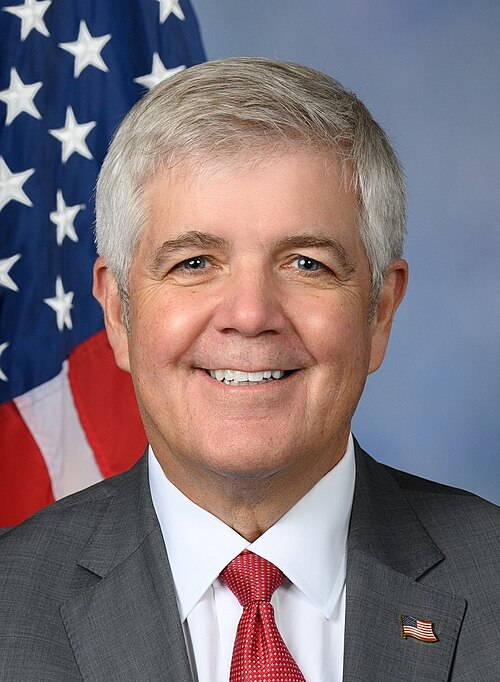
Sponsor
-
TrackBrian Babin
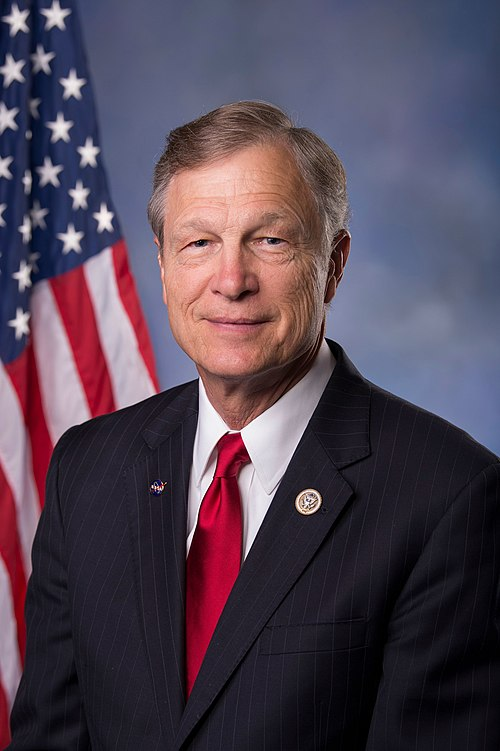
Co-Sponsor
-
TrackAmi Bera
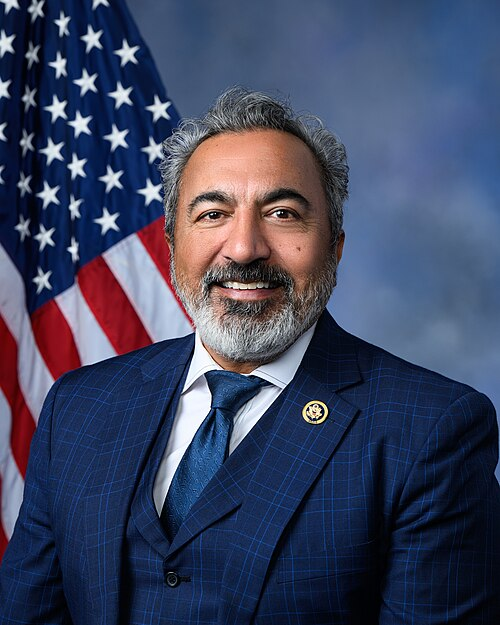
Co-Sponsor
-
TrackSanford D. Bishop, Jr.
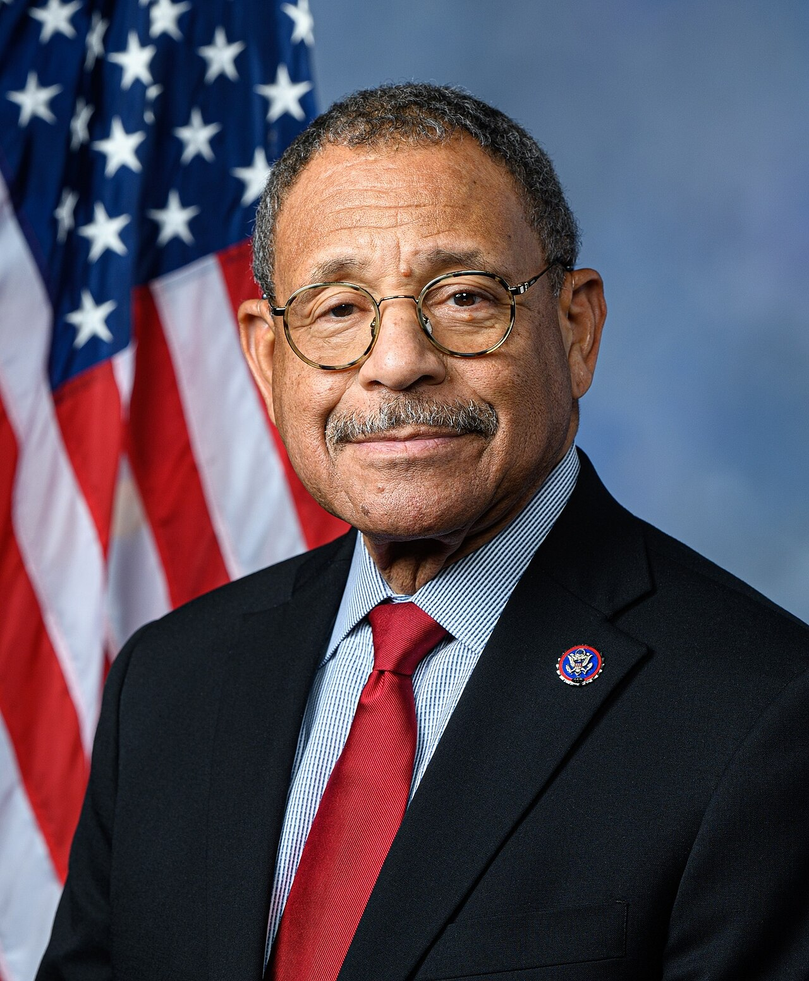
Co-Sponsor
-
TrackKat Cammack

Co-Sponsor
-
TrackJames E. Clyburn

Co-Sponsor
-
TrackMike Ezell
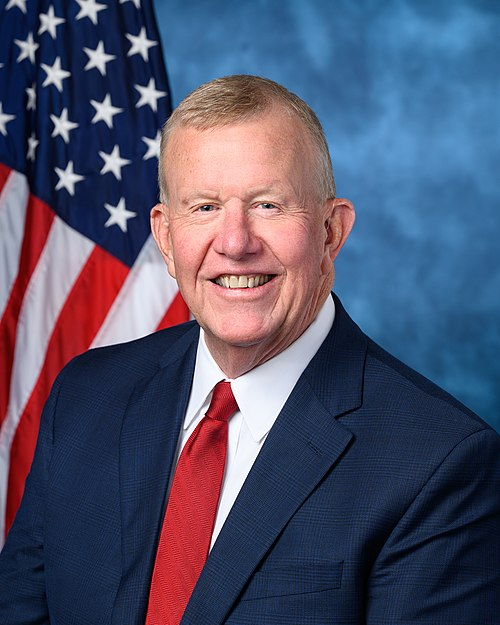
Co-Sponsor
-
TrackRandy Fine

Co-Sponsor
-
TrackRuss Fulcher
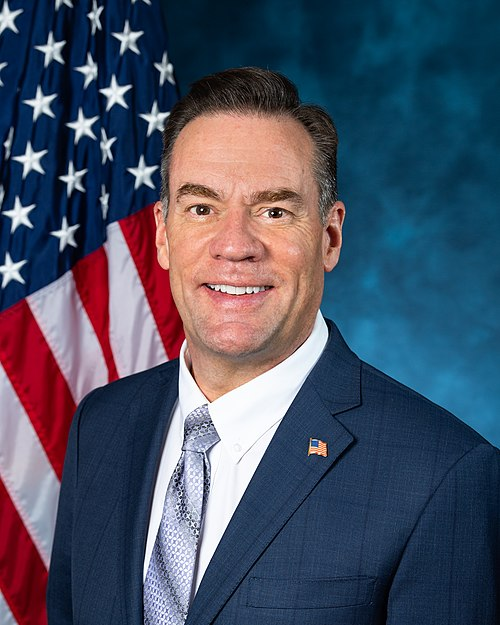
Co-Sponsor
-
TrackJared F. Golden

Co-Sponsor
-
TrackMaggie Goodlander
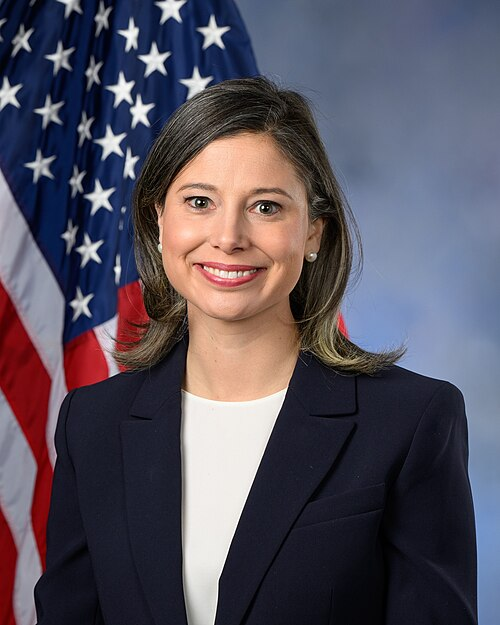
Co-Sponsor
-
TrackMichael Guest
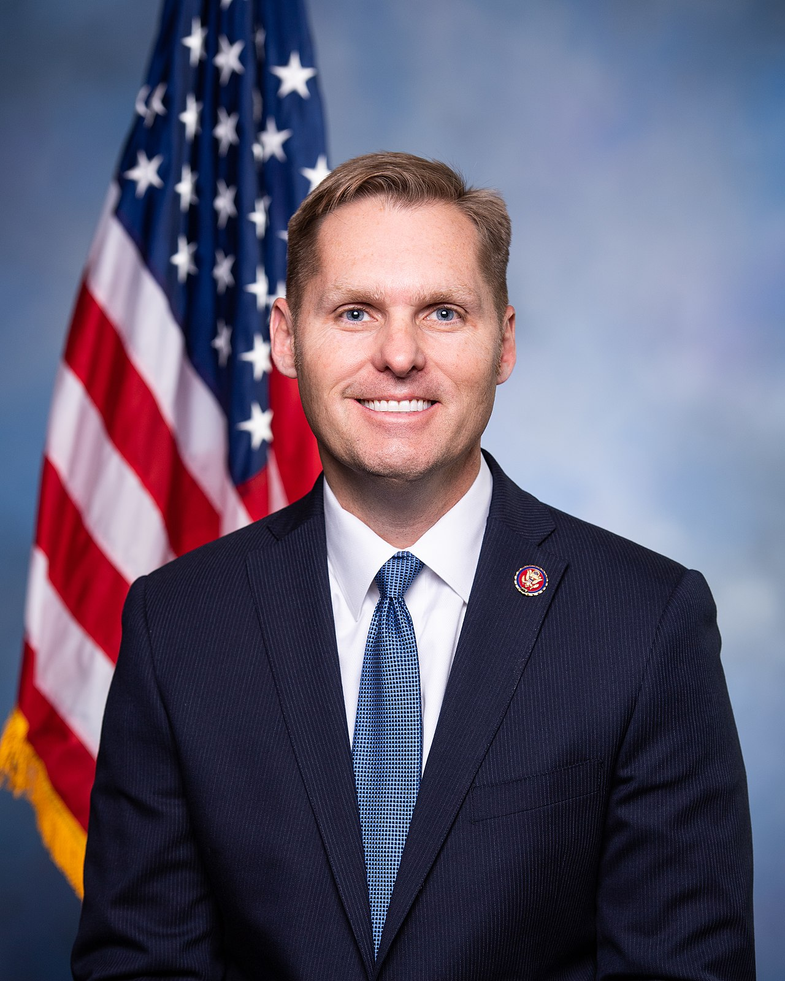
Co-Sponsor
-
TrackAbraham Hamadeh

Co-Sponsor
-
TrackVal T. Hoyle
Co-Sponsor
-
TrackTrent Kelly
Co-Sponsor
-
TrackRobert E. Latta
Co-Sponsor
-
TrackMax L. Miller

Co-Sponsor
-
TrackNathaniel Moran
Co-Sponsor
-
TrackChellie Pingree

Co-Sponsor
-
TrackEmily Randall
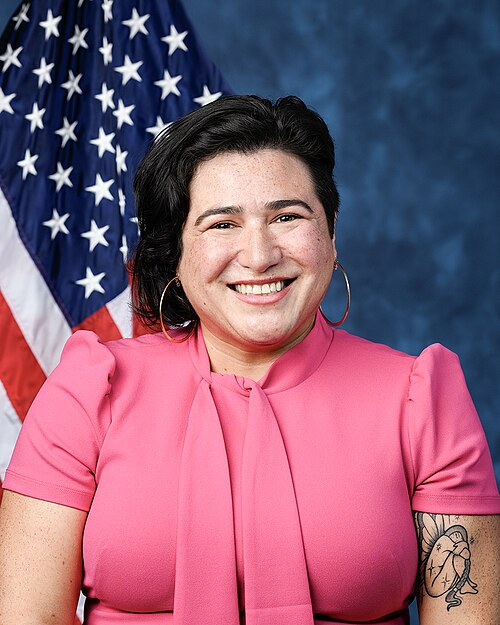
Co-Sponsor
-
TrackMike Rogers
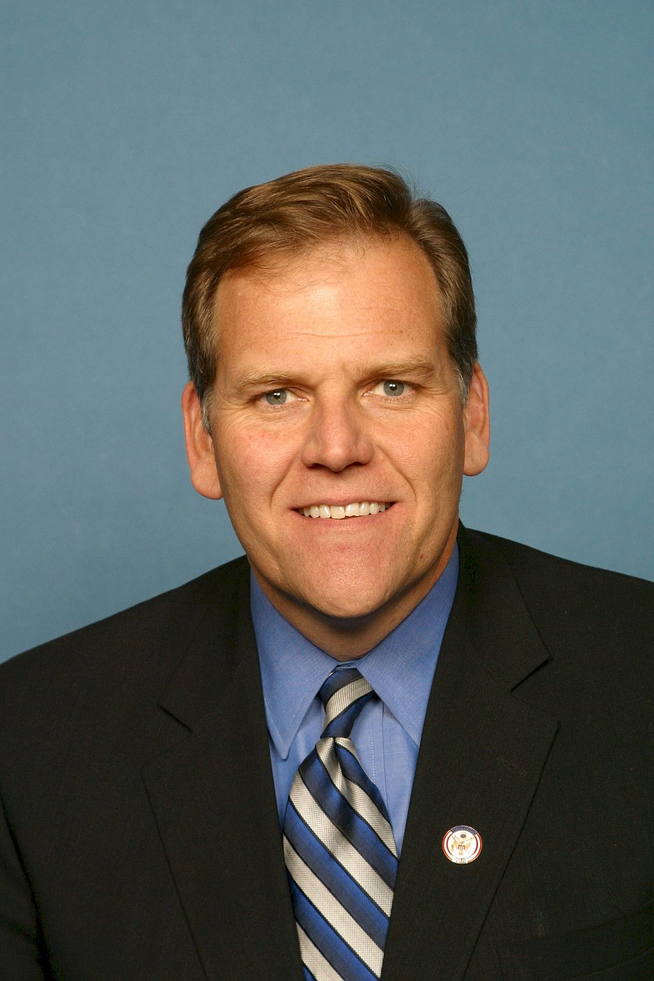
Co-Sponsor
-
TrackJohn H. Rutherford
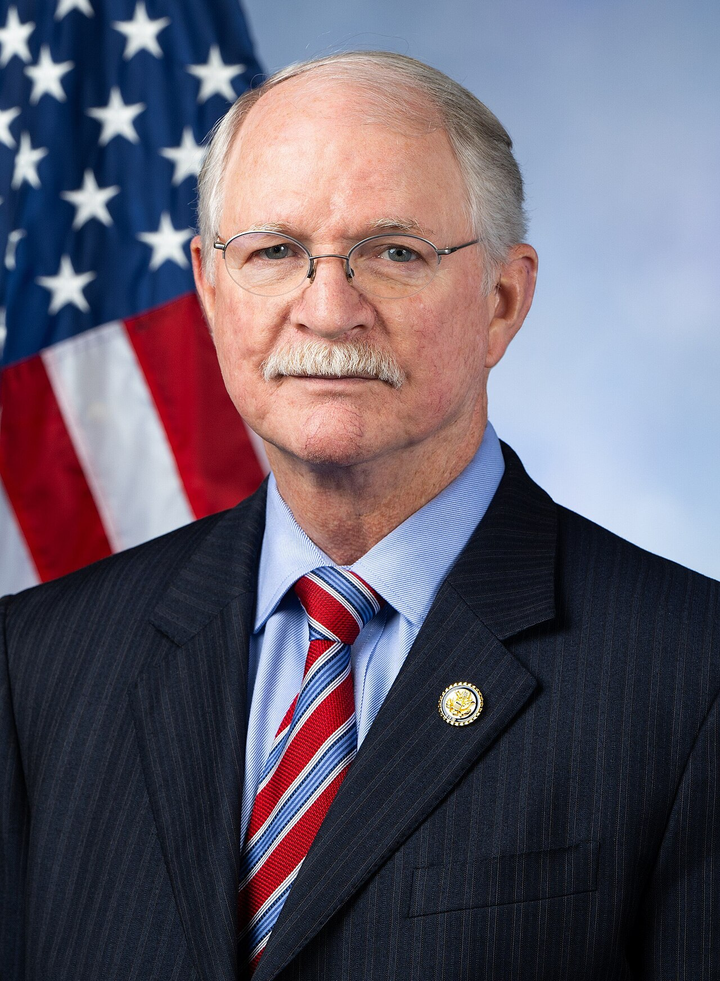
Co-Sponsor
-
TrackAndrea Salinas

Co-Sponsor
-
TrackKim Schrier
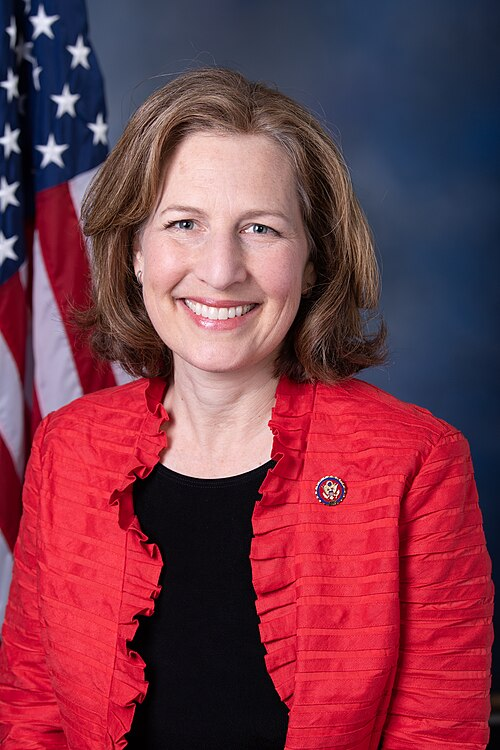
Co-Sponsor
-
TrackAustin Scott
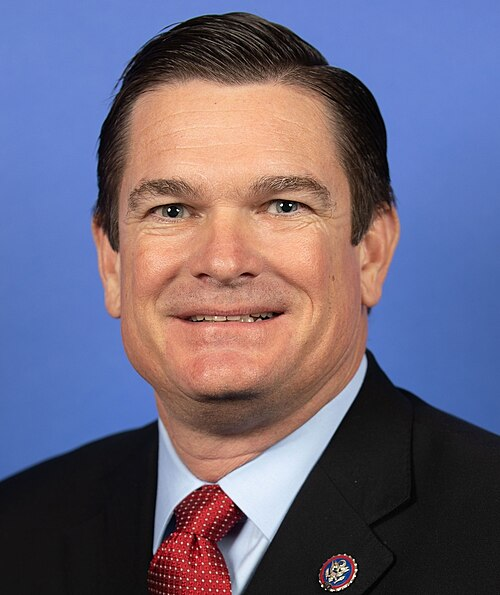
Co-Sponsor
-
TrackTerri A. Sewell
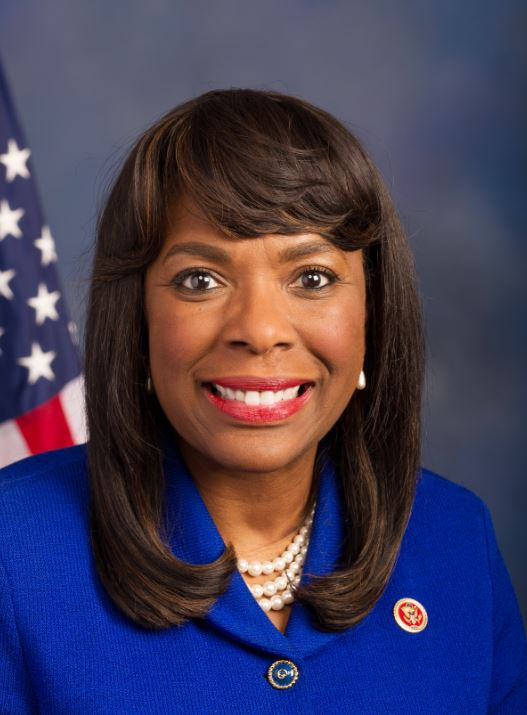
Co-Sponsor
-
TrackGlenn Thompson
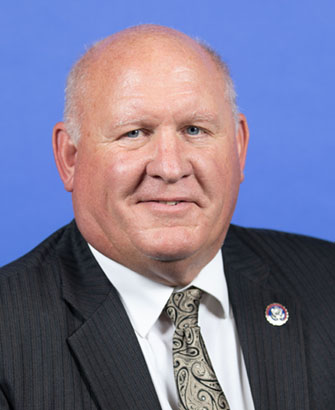
Co-Sponsor
-
TrackBennie G. Thompson
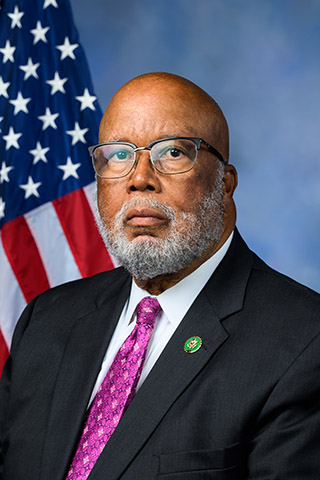
Co-Sponsor
-
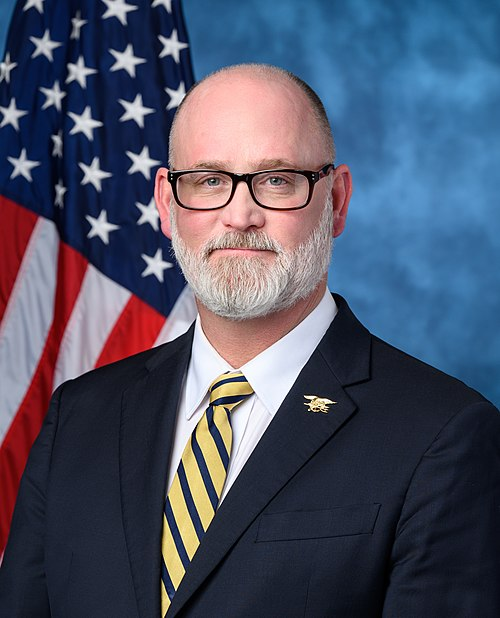
TrackDerrick Van Orden
Co-Sponsor
-
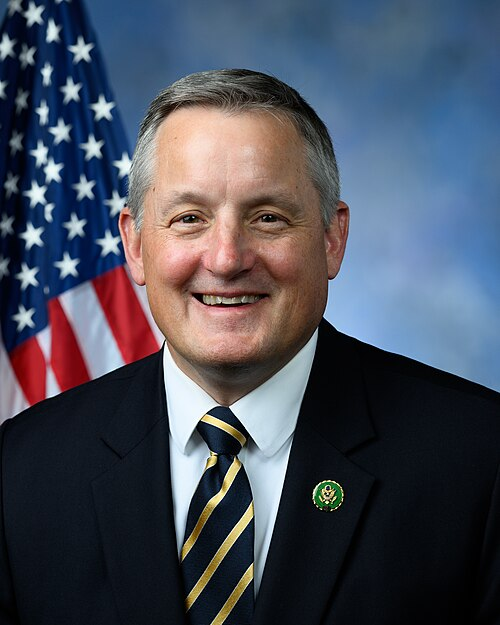
TrackBruce Westerman
Co-Sponsor
-
Tracknan

Co-Sponsor
Actions
2 actions
| Date | Action |
|---|---|
| Jul. 22, 2026 | Introduced in House |
| Jul. 22, 2026 | Referred to the House Committee on Energy and Commerce. |
Corporate Lobbying
0 companies lobbying
None found.
* Note that there can be significant delays in lobbying disclosures, and our data may be incomplete.
Potentially Relevant Congressional Stock Trades
No relevant congressional stock trades found.