
H.R. 9820: CDC Tribal Public Health Security and Preparedness Act
This bill would change an existing federal public health preparedness grant program so that Indian Tribes, Tribal organizations, and consortia of Tribes are explicitly included as eligible recipients, alongside state and local governments.
What the bill changes
- It renames and updates parts of the current public health security program to include Tribal entities throughout the law.
- It expands the kinds of organizations that can be considered in planning, coordination, and stakeholder consultation to include Tribes, Tribal organizations, and urban Indian organizations.
- It directs the Department of Health and Human Services, through the Secretary, to work with Tribes when designing and carrying out the program for Tribal recipients.
Funding
- The bill would set aside $750 million per year for fiscal years 2026 through 2028 for the program.
- At least 5% of that funding each year would be reserved for Tribal awards.
- The Secretary would be required to award at least 10 cooperative agreements to eligible Tribal entities, assuming they apply and meet the program’s criteria.
- The bill says the Secretary, in consultation with Tribes, would determine the minimum award amount for Tribal recipients.
- Money awarded to a Tribal entity would remain available for the full performance period if it was not spent in the first year.
- Tribal recipients would not have to meet the usual matching-funds requirement that applies to some other awardees.
Flexibility for Tribal recipients
- The Secretary would be allowed to make program changes, if needed, to better fit Tribal recipients.
- The Secretary would also be required to waive or replace some requirements if doing so would help the program work effectively for Tribal entities.
- However, the bill says the Secretary could not waive or alter rules related to labor standards or environmental requirements.
Consultation and reporting
- The Secretary would have to consult with Tribes and Tribal organizations on how the program is designed and implemented for Tribal communities.
- Within two years, the Secretary, working with the Indian Health Service Director, would have to review how the program is working for Tribal entities.
- That review would need to identify:
- which Tribal entities received awards,
- which received awards plus waivers,
- which applied but did not receive funding,
- what requirements were waived or changed, and
- recommendations for Congress on how to improve the program.
- The report would also need to describe any public health emergency infrastructure limitations faced by Tribal entities.
In plain terms
The bill would make a federal public health preparedness program more directly available to Tribes by formally including them in the law, reserving part of the funding for them, giving the government some flexibility to adapt rules for Tribal applicants, and requiring consultation and follow-up reporting on how well the program is working for Tribal communities.
Relevant Companies
None found
This is an AI-generated summary of the bill text. There may be mistakes.
Sponsors
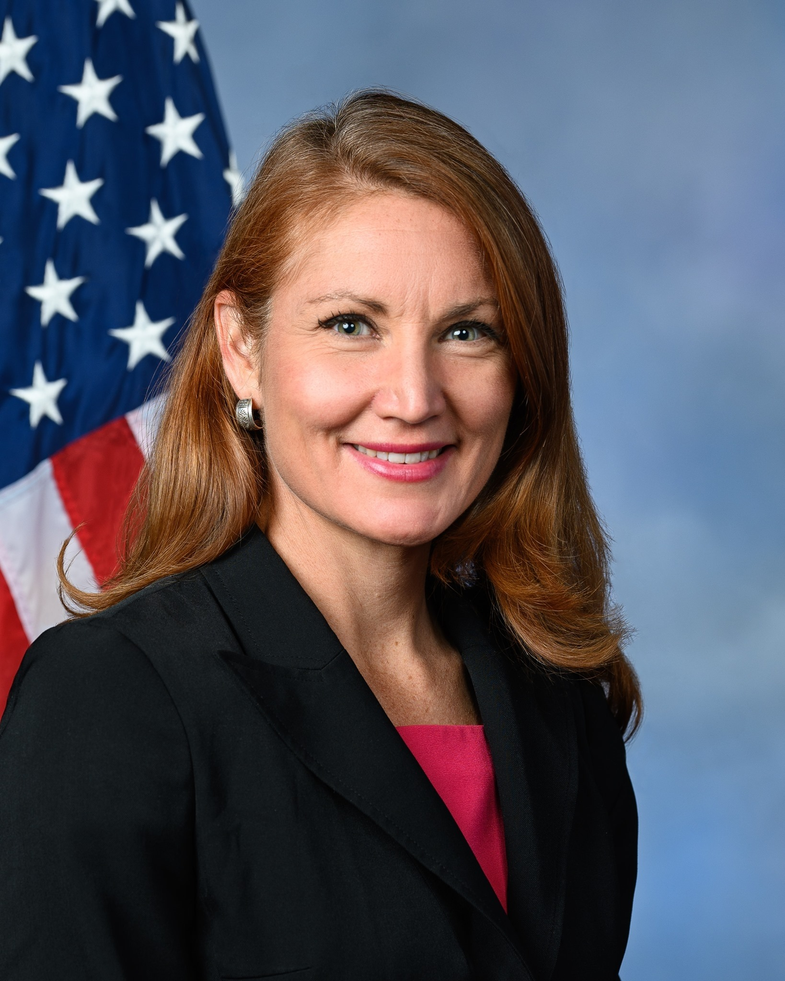
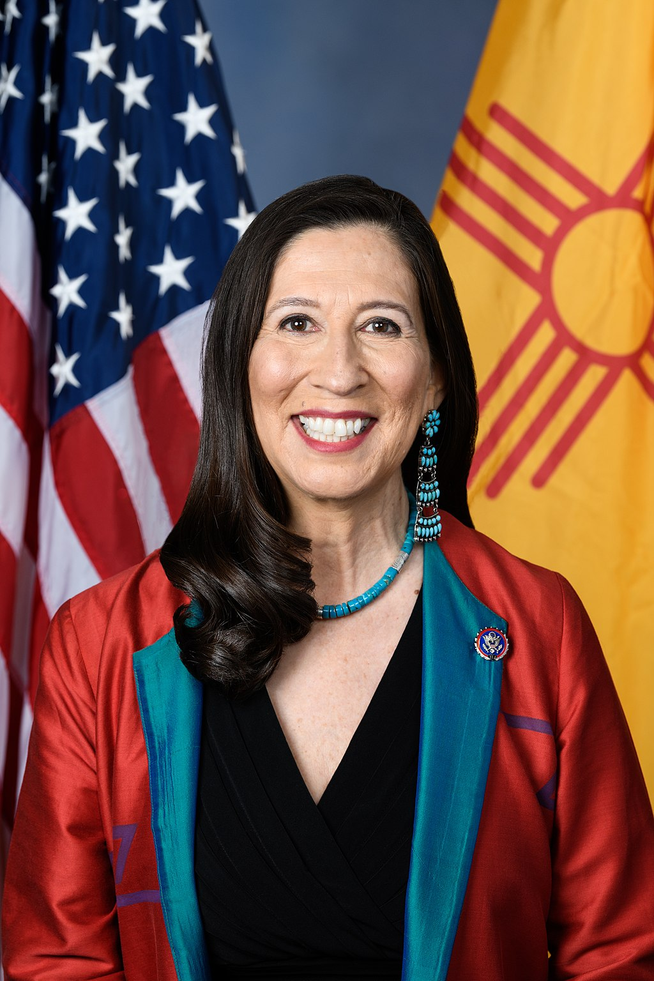
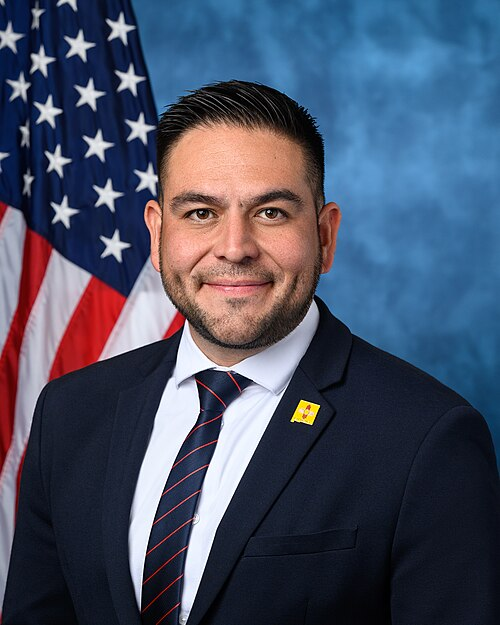
3 bill sponsors
Actions
2 actions
| Date | Action |
|---|---|
| Jul. 21, 2026 | Introduced in House |
| Jul. 21, 2026 | Referred to the House Committee on Energy and Commerce. |
Corporate Lobbying
0 companies lobbying
None found.
* Note that there can be significant delays in lobbying disclosures, and our data may be incomplete.
Potentially Relevant Congressional Stock Trades
No relevant congressional stock trades found.