
H.R. 9808: No Passes for Polluters Act of 2026
This bill would change parts of the Clean Air Act to make it harder for the executive branch to grant certain pollution-related exemptions without Congress getting involved.
What the bill does
In general, the bill says that for several specific Clean Air Act exemptions, the President or other federal officials could not use them unless Congress first approves them through a joint resolution. A joint resolution is a piece of legislation that would have to pass both chambers and be signed into law.
The bill applies this requirement to exemptions involving:
- certain Clean Air Act exemptions for federal facilities and executive branch sources of emissions,
- exemptions for federal agency vehicle fleet requirements, and
- exemptions related to the phaseout of certain ozone-depleting substances.
Congressional approval process
If the President or another federal official wants to use one of these covered exemptions, the President would have to send Congress a detailed “special message.” That message would have to explain:
- which exemption is being proposed,
- how long it would be used,
- the legal basis for it,
- the facts and circumstances supporting it, and
- the estimated effect of the exemption, if practical.
Congress would then consider a joint resolution approving the exemption. The bill sets out special procedures to speed up consideration in both the House and Senate, including limits on debate and restrictions on amendments.
The bill also requires the Comptroller General to review these special messages and notify Congress about the facts and whether the proposed exemption appears to fit existing law.
If the President does not send the required special message, the Comptroller General must report that to Congress.
Enforcement
The bill would allow private lawsuits if a covered exemption is used without the required congressional approval. It also updates the Clean Air Act’s citizen suit provisions so that these lawsuits are expressly covered.
Changes to specific Clean Air Act exemptions
In addition to adding the approval process above, the bill amends several existing Clean Air Act provisions:
- It revises the rule for exemptions for executive branch emission sources, requiring congressional approval before such exemptions can take effect.
- It changes the exemption for federal agency fleet requirements so it also needs a joint resolution.
- It changes the exemption process for certain substances covered by the Montreal Protocol, making additional or extended exemptions subject to congressional approval and limiting some exemptions to no more than one year.
- It repeals one existing exemption in the hazardous air pollutants schedule and makes related wording changes elsewhere in the Clean Air Act.
Practical effect
In practical terms, the bill would give Congress a direct approval role before certain Clean Air Act exemptions could be used. It would also remove one exemption and tighten rules around some existing exemption authorities.
Relevant Companies
None found
This is an AI-generated summary of the bill text. There may be mistakes.
Sponsors
21 bill sponsors
-
TrackDoris O. Matsui

Sponsor
-
TrackDonald S. Beyer, Jr.
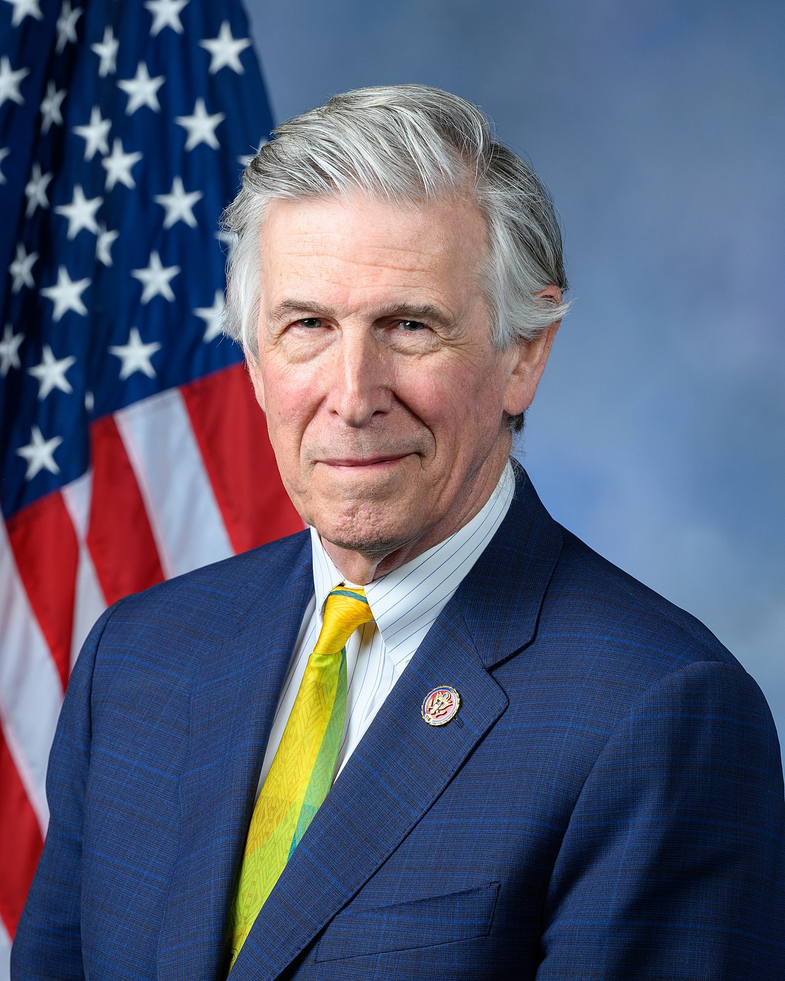
Co-Sponsor
-
TrackSuzanne Bonamici
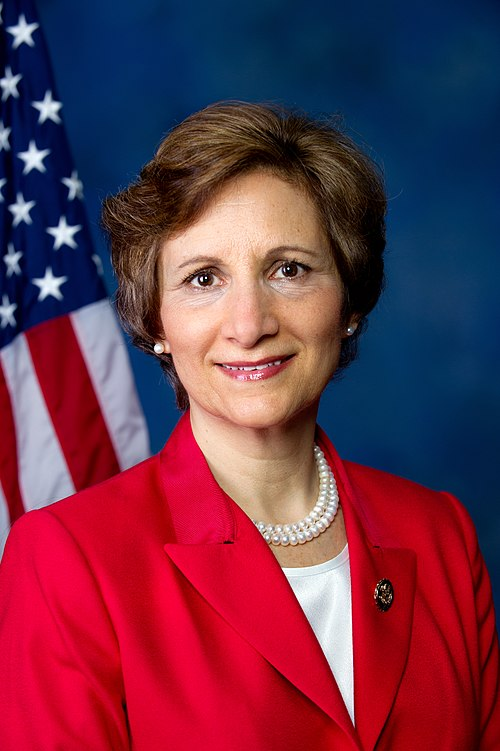
Co-Sponsor
-
TrackTroy A. Carter
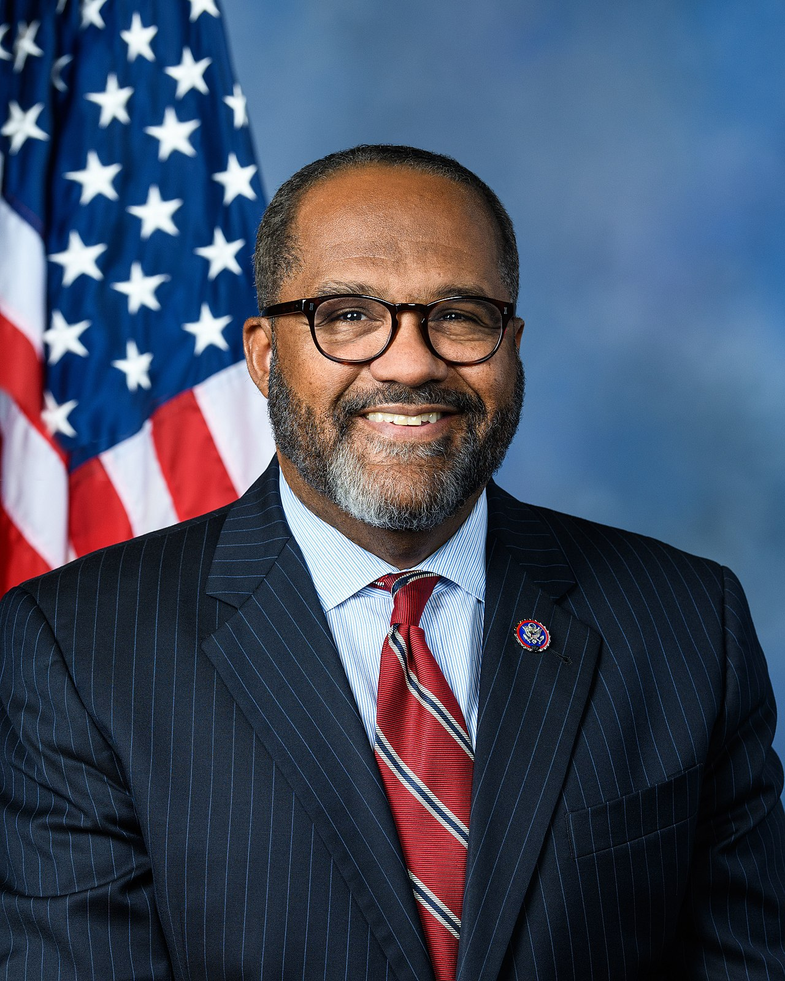
Co-Sponsor
-
TrackSean Casten
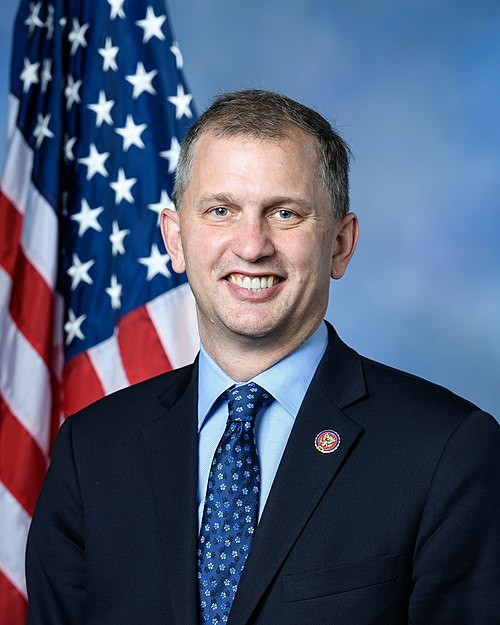
Co-Sponsor
-
TrackKathy Castor
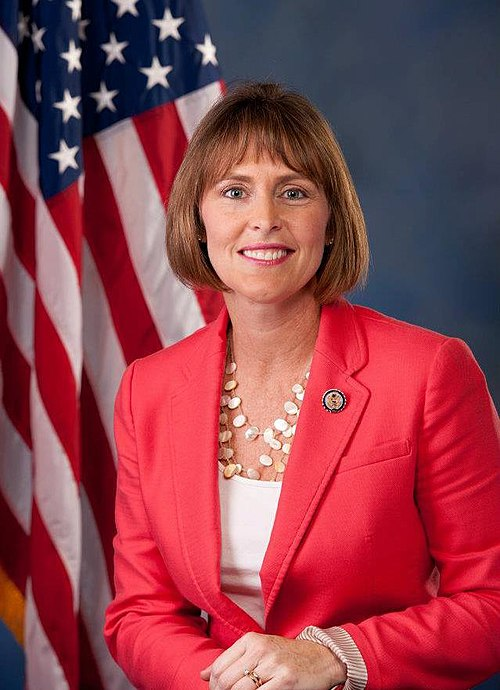
Co-Sponsor
-
TrackSteve Cohen

Co-Sponsor
-
TrackMaxine Dexter

Co-Sponsor
-
TrackJared Huffman
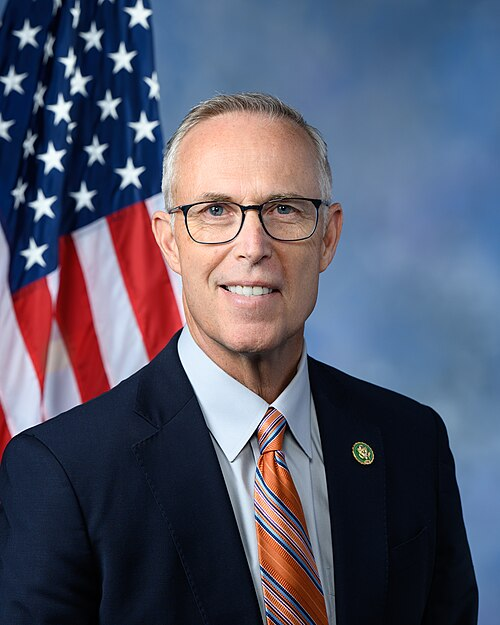
Co-Sponsor
-
TrackPramila Jayapal
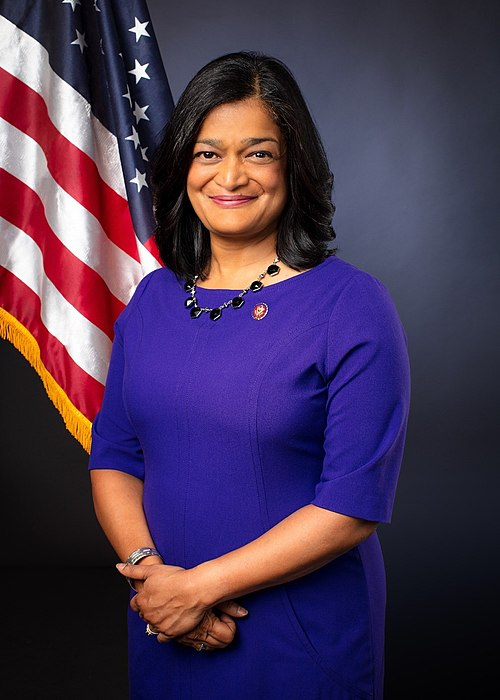
Co-Sponsor
-
TrackRaja Krishnamoorthi
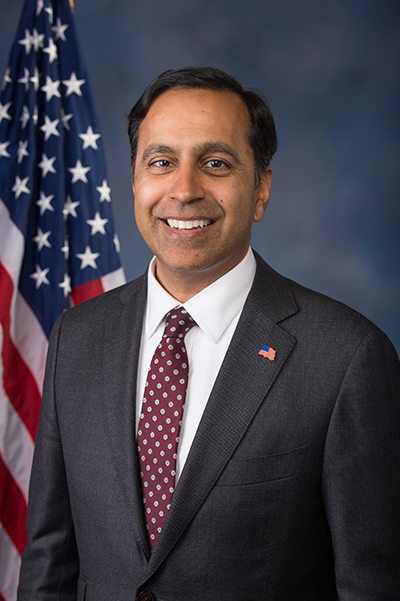
Co-Sponsor
-
TrackJohn B. Larson
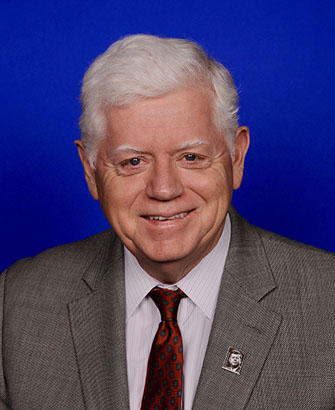
Co-Sponsor
-
TrackMike Levin
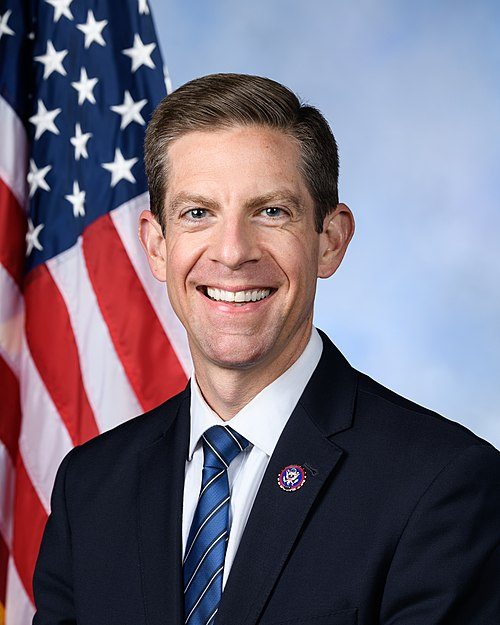
Co-Sponsor
-
TrackJennifer L. McClellan
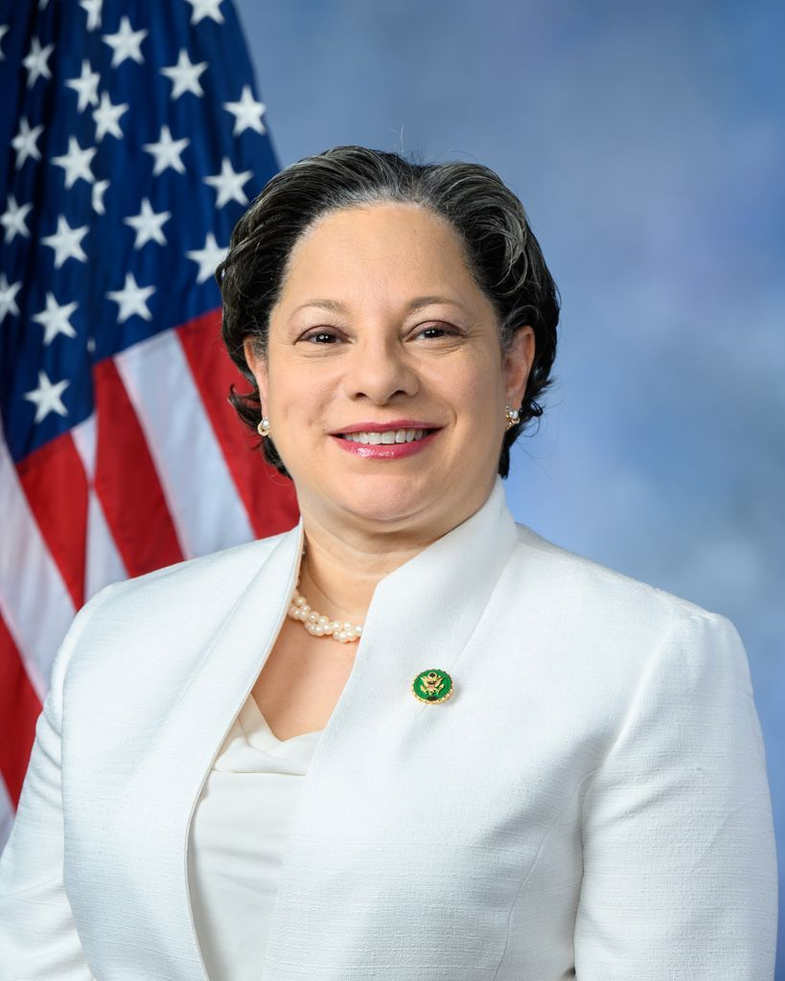
Co-Sponsor
-
TrackBetty McCollum
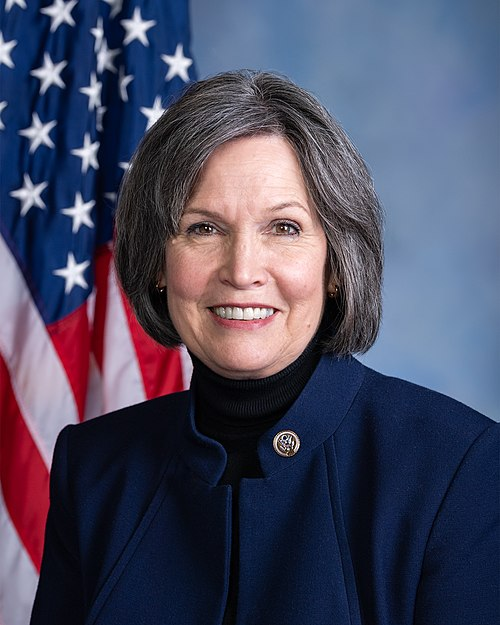
Co-Sponsor
-
TrackKevin Mullin
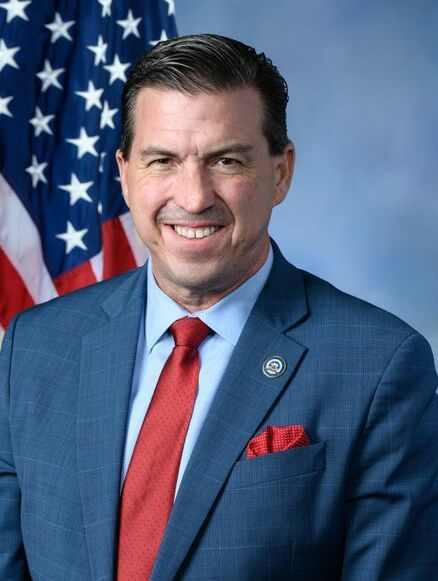
Co-Sponsor
-
TrackEleanor Holmes Norton

Co-Sponsor
-
TrackJanice D. Schakowsky

Co-Sponsor
-
TrackRashida Tlaib
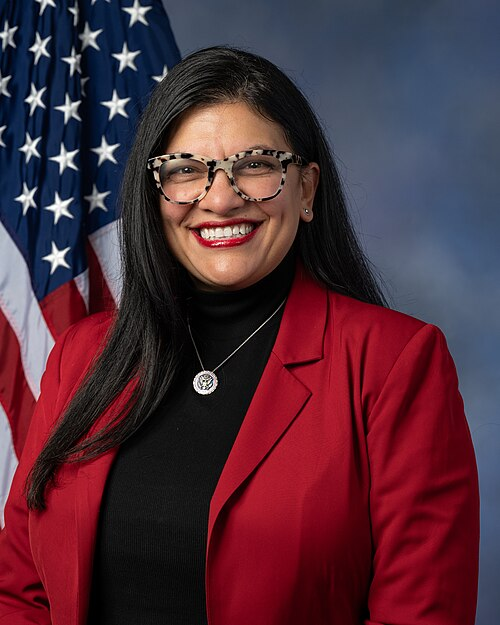
Co-Sponsor
-
TrackJuan Vargas
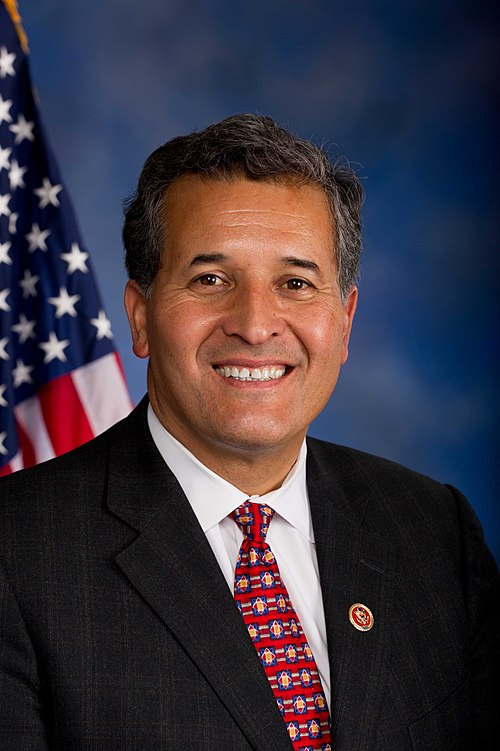
Co-Sponsor
-
TrackDebbie Wasserman Schultz
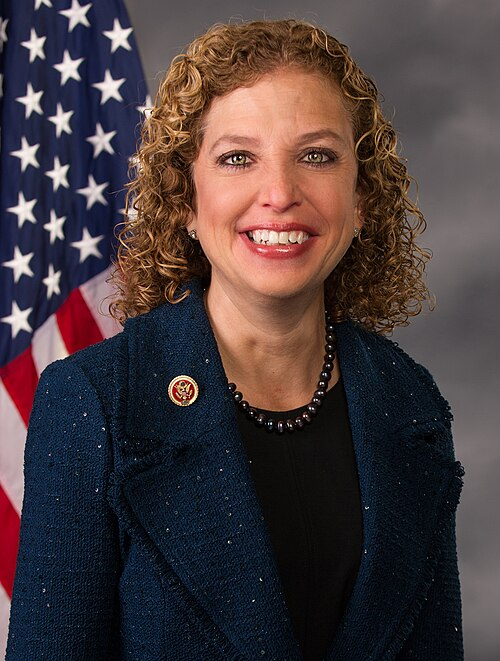
Co-Sponsor
Actions
2 actions
| Date | Action |
|---|---|
| Jul. 21, 2026 | Introduced in House |
| Jul. 21, 2026 | Referred to the Committee on Energy and Commerce, and in addition to the Committee on Rules, for a period to be subsequently determined by the Speaker, in each case for consideration of such provisions as fall within the jurisdiction of the committee concerned. |
Corporate Lobbying
0 companies lobbying
None found.
* Note that there can be significant delays in lobbying disclosures, and our data may be incomplete.
Potentially Relevant Congressional Stock Trades
No relevant congressional stock trades found.