
H.R. 9805: Children’s Safe Welcome Act of 2026
This bill would change how the federal government treats immigrant children in custody, especially unaccompanied children and children separated from or detained with family members. It would shift responsibility for many of these cases toward child-welfare-style care and away from longer-term immigration detention.
Key custody and detention rules
The bill would prohibit family separation as a general practice and would bar family detention facilities. It would also limit Customs and Border Protection (CBP) to brief holding and processing of children and families, generally no longer than 72 hours. During that time, CBP facilities would have to provide child-appropriate conditions, including food, water, hygiene, sleep, recreation, medical care, notice of rights, and staff training and oversight.
For unaccompanied noncitizen children, care would be more like child welfare placement than detention. The bill requires orientation, medical and mental health care, education, recreation, counseling, privacy, family contact, legal access, and case management. It also bars abuse and harsh discipline, requires records and confidentiality protections, and pushes placement in foster-family or other least-restrictive settings rather than large congregate shelters, secure facilities, or ICE detention.
Asylum and processing
The bill would assign U.S. Citizenship and Immigration Services (USCIS) responsibility for handling asylum cases for unaccompanied children and certain children apprehended with family members. CBP would be limited to short-term processing rather than extended custody.
It would also tighten rules for age assessments and require stronger oversight of facilities that receive children during immigration processing.
Restrictions on restrictive placements
The bill would limit when children can be placed in more restrictive settings. It would require mental health evaluations, monthly review hearings, access to legal counsel, and other safeguards before and during such placements. It also requires efforts to reunite children with family or approved sponsors as quickly as possible.
For young people who turn 18 while in care, the bill would require transition planning and post-release support. In limited cases, a youth could remain in custody past 18 and up to age 21 only if the stay is voluntary and specific conditions are met. The bill also says a child should not be put into ICE detention or removal proceedings solely because they age out of the unaccompanied minor system.
Sponsors, release, and post-release support
The bill would require the Office of Refugee Resettlement (ORR) to create plans for checking sponsors and for social-services follow-up. If no sponsor is available, DHS would be required to release the child rather than keep them in custody indefinitely.
It also expands legal services, child advocates, oversight of placements, and requirements for strong reunification efforts and sponsor protections.
Oversight and accountability
The bill would create an Ombudsperson for detained noncitizen children. This office would monitor facilities, investigate complaints, make reports, visit facilities, meet with stakeholders, and have subpoena power. It would also be required to protect confidentiality and issue annual reports.
In addition, DHS and HHS would have to collect and publish more detailed data about children in custody, conduct audits, and enforce sanctions for violations. Congress would get facility access as part of the oversight system.
Facility standards and legal protections
The bill would require nondiscrimination in care and services. It would also tightly control how information about children and sponsors is stored and shared, allowing disclosure only in limited circumstances.
Facilities that violate the standards could be barred from future childcare-related contracts or placements. The bill would also allow federal civil actions in limited circumstances and penalize interference with oversight or retaliation against people who report problems.
Relevant Companies
None found
This is an AI-generated summary of the bill text. There may be mistakes.
Sponsors
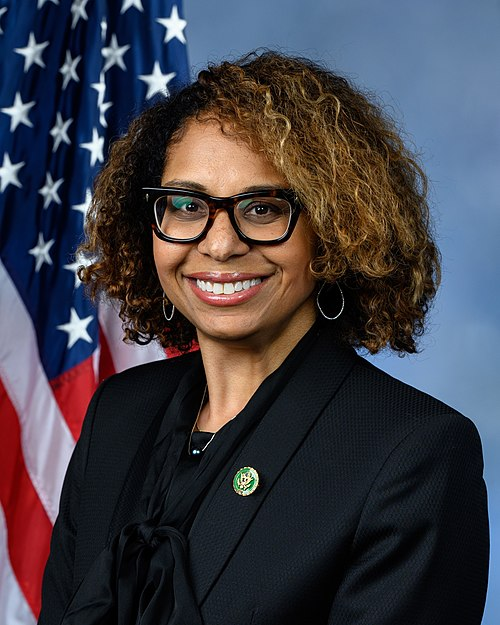
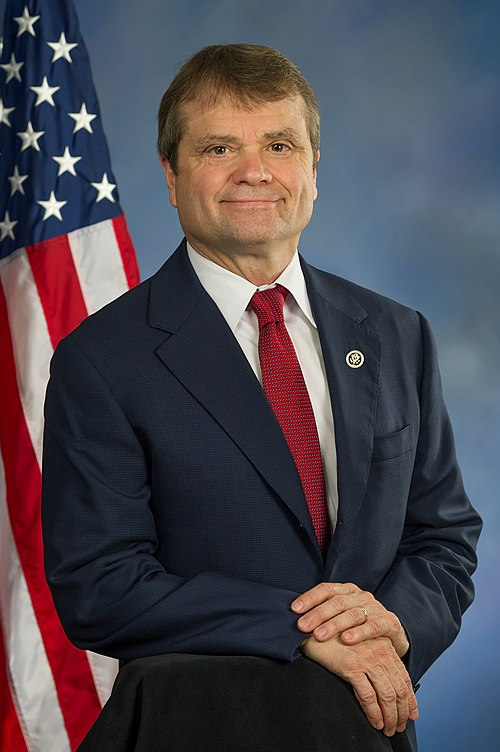
3 bill sponsors

Actions
3 actions
| Date | Action |
|---|---|
| Jul. 22, 2026 | Referred to the Subcommittee on Border Security and Enforcement. |
| Jul. 21, 2026 | Introduced in House |
| Jul. 21, 2026 | Referred to the Committee on the Judiciary, and in addition to the Committee on Homeland Security, for a period to be subsequently determined by the Speaker, in each case for consideration of such provisions as fall within the jurisdiction of the committee concerned. |
Corporate Lobbying
0 companies lobbying
None found.
* Note that there can be significant delays in lobbying disclosures, and our data may be incomplete.
Potentially Relevant Congressional Stock Trades
No relevant congressional stock trades found.