
H.R. 9801: ABLE MATCH (Making Able a Tool to Combat Hardship) Act
This bill would change federal tax law to give some people with disabilities a government match for money they put into their ABLE savings accounts.
What ABLE accounts are
ABLE accounts are tax-advantaged savings accounts for eligible people with disabilities. They are designed to help account holders save money without losing certain public benefits they may rely on.
Main change: a federal matching payment
The bill would create a new tax credit, but instead of being paid to the person as cash from a tax refund, the credit would be deposited directly into the person’s ABLE account as a matching contribution.
- The match would apply only to the account beneficiary, meaning the disabled person who owns the ABLE account.
- It would apply to qualified contributions made by that person during the tax year.
- The match would be based on up to $2,000 of the person’s own contributions each year.
- For most eligible people, the match would be 100% of those contributions, meaning the government would match dollar-for-dollar.
Who would qualify
The full match would generally be available only to individuals with annual income below 200% of the federal poverty level. The bill also sets rules that reduce the match as income rises above a set threshold.
The income-based phaseout starts at different amounts depending on filing status:
- $56,000 for joint filers
- Three-quarters of that amount for heads of household
- Half of that amount for all other filers
As income rises above the threshold, the match percentage would be reduced by up to 50 percentage points over a $20,000 income range, and rounded down to the nearest whole percentage point.
Limits and interaction with withdrawals
The bill would limit the match so it would not exceed the amount needed to bring the account up to the annual ABLE contribution limit after taking the person’s own contributions into account.
It also reduces the amount eligible for the match by certain withdrawals from the account during a “testing period” that includes:
- the current tax year,
- the two prior tax years, and
- the period after the tax year until the filing deadline for that return.
However, withdrawals used for qualified disability expenses would not count against the matched amount.
Administrative rules
The bill would add rules for situations where a matching payment is made by mistake, including if it is sent to the wrong place. It also says these matching payments could not be reduced to pay certain other federal debts or offsets.
The match amount would be adjusted for inflation after 2027.
Changes for U.S. territories
The bill includes provisions for U.S. territories with different tax systems. It would require the Treasury Department to compensate those territories for the effects of the new match or, in some cases, make payments based on expected benefits to residents.
Reporting and outreach
The bill would require ABLE program administrators to send Treasury demographic information about account holders, including race, gender, and disability type, as part of their reports.
It would also allow the Treasury Department to give grants to states to help promote ABLE accounts and the new matching payments. The bill authorizes $5 million per year for fiscal years 2027 through 2031 for those grants.
When it would take effect
The main tax changes would apply to taxable years beginning after December 31, 2026. The demographic reporting requirement would apply to reports made after enactment.
Relevant Companies
None found
This is an AI-generated summary of the bill text. There may be mistakes.
Sponsors
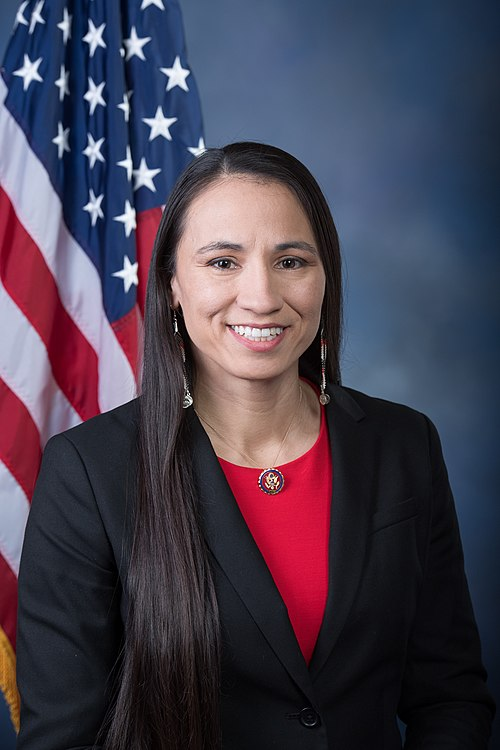
4 bill sponsors



Actions
2 actions
| Date | Action |
|---|---|
| Jul. 21, 2026 | Introduced in House |
| Jul. 21, 2026 | Referred to the House Committee on Ways and Means. |
Corporate Lobbying
0 companies lobbying
None found.
* Note that there can be significant delays in lobbying disclosures, and our data may be incomplete.
Potentially Relevant Congressional Stock Trades
No relevant congressional stock trades found.