
H.R. 9790: Modernizing Opioid Treatment Access Act 2.0 of 2026
This bill would make it easier for some people with opioid use disorder to get methadone, a medication used to treat opioid addiction, by allowing it to be prescribed and dispensed through pharmacies under a new federal registration system.
What changes it would make
- It creates a new way for certain qualified practitioners to prescribe methadone for opioid use disorder.
- Instead of only being handled through opioid treatment programs in the traditional way, the methadone could be filled at a pharmacy.
- The prescription would have to be sent electronically.
- The methadone would have to be in a liquid or dispersible tablet form.
- The patient would still keep access to other care through an opioid use disorder treatment program; this pharmacy-based methadone would be an additional option.
Who could prescribe it
Only certain practitioners could use this new system. They would need to be legally allowed to prescribe controlled substances, and they would also need to be either:
- addiction medicine physicians or addiction psychiatrists with certain recognized addiction-related board certifications; or
- other practitioners whom the Secretary of Health and Human Services determines are qualified under standards the Secretary sets.
Consent, privacy, and oversight
- Practitioners would have to obtain and document the patient’s informed consent.
- That consent would need to explain that confidentiality rules may be different when methadone is dispensed through a pharmacy rather than through an opioid treatment program.
- The Attorney General could stop the program in a particular state if that state requests it.
- States could ask for registrations to be stopped, revoked, or denied for practitioners in that state under this system.
- The bill allows maintenance or detoxification treatment under this model to be provided through telemedicine.
- Pharmacies would not need a separate federal registration just to dispense methadone under this program if it was prescribed by a registered practitioner.
Reporting requirements
The Drug Enforcement Administration would have to report to Congress within 180 days after enactment, and then every year after that, on:
- how many practitioners are registered in each state;
- which states asked the Attorney General to stop registrations;
- how many registrations were revoked or suspended for violations related to methadone prescribing under this program; and
- how many pharmacies ordered methadone in liquid or dispersible tablet form.
When it would take effect
The bill would take effect 180 days after it is enacted.
Relevant Companies
None found
This is an AI-generated summary of the bill text. There may be mistakes.
Sponsors
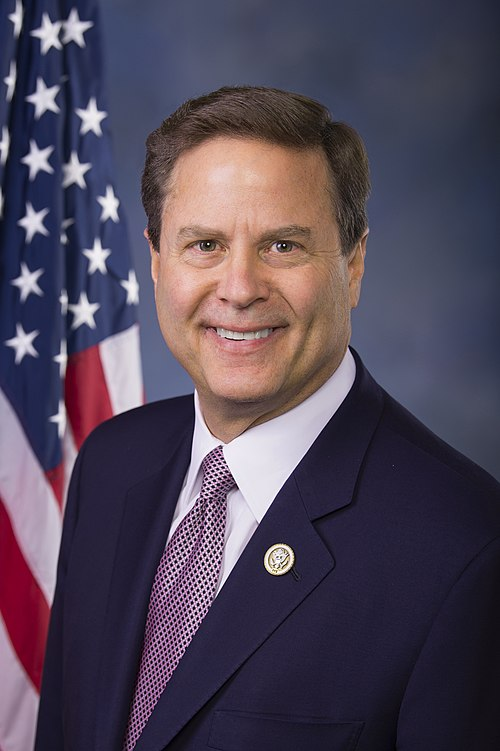
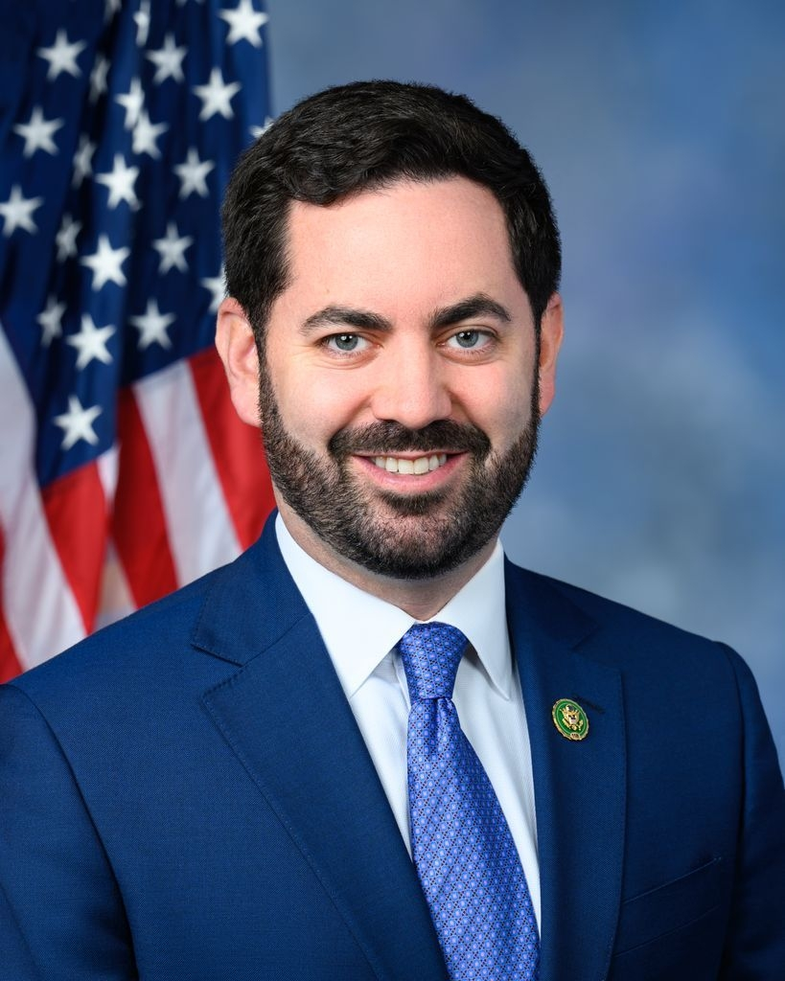
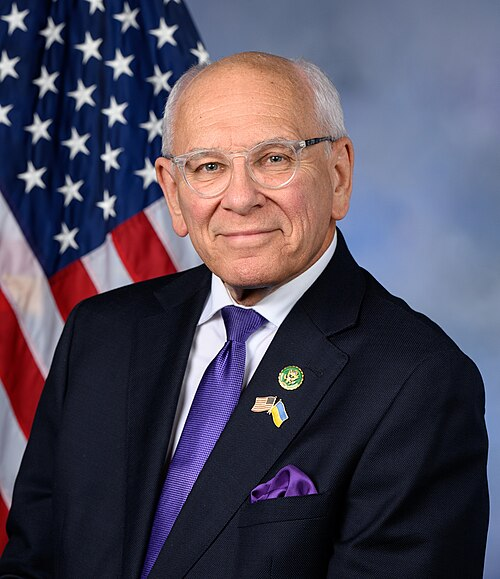
3 bill sponsors
Actions
2 actions
| Date | Action |
|---|---|
| Jul. 20, 2026 | Introduced in House |
| Jul. 20, 2026 | Referred to the Committee on Energy and Commerce, and in addition to the Committee on the Judiciary, for a period to be subsequently determined by the Speaker, in each case for consideration of such provisions as fall within the jurisdiction of the committee concerned. |
Corporate Lobbying
0 companies lobbying
None found.
* Note that there can be significant delays in lobbying disclosures, and our data may be incomplete.
Potentially Relevant Congressional Stock Trades
No relevant congressional stock trades found.