
H.R. 9773: Permanent Trump Secure Border Act
This bill would make it harder for many people to seek asylum in the United States and would increase border enforcement and detention measures. It changes the rules people must meet to ask for asylum, limits when and where they can apply, and adds more screening and penalties for people who enter or stay in the country without authorization.
Asylum eligibility and screening
The bill would tighten the standards used to decide whether someone can get asylum. It would:
- Limit asylum claims for people who could have sought protection in a “safe third country” or at a port of entry but did not follow those rules.
- Make the initial “credible fear” screening stricter, which is the early test used to decide whether an asylum seeker can move forward with a claim.
- Add more reasons a person could be barred from asylum, including certain criminal histories and having previously been resettled in another country.
- Narrow the legal meanings of persecution, political opinion, and membership in a social group, which could make fewer claims qualify.
- Require warnings about frivolous claims and impose harsher penalties for making claims found to be unfounded.
Processing, detention, and removal
The bill would speed up asylum processing for some people, especially certain Western Hemisphere nationals who are subject to sanctions-related rules. It would also strengthen detention and return procedures at the border. In practice, this could mean more people are held while their cases are handled, rather than being released into the United States.
Children and families
The bill would change how children and families are treated in immigration custody and removal procedures. It would:
- Tighten rules for returning children to their home countries.
- Expand the use of family detention, meaning parents and children could be detained together for longer or in more circumstances.
Work authorization, parole, and reporting
The bill would make it harder for many asylum applicants to get work permits while their cases are pending. It would also sharply limit the use of parole, which is a form of temporary permission to enter or remain in the country for urgent humanitarian or public interest reasons. In addition, it would require more reporting by certain people in immigration proceedings.
Penalties for immigration violations
The bill would increase penalties for illegal entry and for overstaying a visa or other authorized period of stay. It would also add or strengthen consequences tied to asylum filings and other immigration violations.
Relevant Companies
None found
This is an AI-generated summary of the bill text. There may be mistakes.
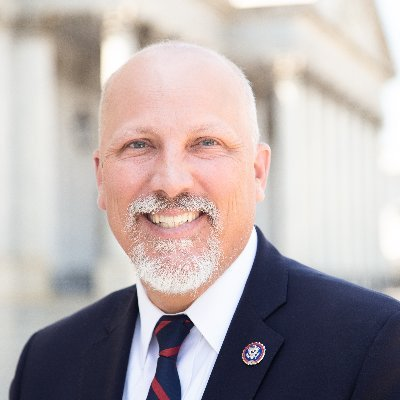
Sponsors
1 sponsor
Actions
4 actions
| Date | Action |
|---|---|
| Jul. 21, 2026 | Committee Consideration and Mark-up Session Held |
| Jul. 21, 2026 | Ordered to be Reported in the Nature of a Substitute by the Yeas and Nays: 16 - 14. |
| Jul. 20, 2026 | Introduced in House |
| Jul. 20, 2026 | Referred to the Committee on the Judiciary, and in addition to the Committee on Foreign Affairs, for a period to be subsequently determined by the Speaker, in each case for consideration of such provisions as fall within the jurisdiction of the committee concerned. |
Corporate Lobbying
0 companies lobbying
None found.
* Note that there can be significant delays in lobbying disclosures, and our data may be incomplete.
Potentially Relevant Congressional Stock Trades
No relevant congressional stock trades found.