
H.R. 9760: National Coordination on Adaptation and Resilience for Security Act of 2026
This bill would create a new federal process to coordinate national resilience planning across government agencies. In plain terms, it would require the President to appoint a Chief Resilience Officer on the National Security Council within 120 days of enactment. That person would lead coordination among federal agencies on how the United States prepares for, responds to, and recovers from natural hazards that can affect national security.
What the new official would do
The Chief Resilience Officer would work with federal departments and agencies to:
- improve resilience to natural hazards using the best available science;
- strengthen national security by reducing risks to military installations and other infrastructure;
- review how federal spending supports resilience efforts; and
- look for ways to reduce waste, fraud, and duplication in resilience-related spending.
New interagency groups and advisory council
The bill would require the Chief Resilience Officer to set up one or more interagency working groups to help coordinate federal resilience work. Federal agencies asked to participate would have to respond within 60 days, and they would provide staff and resources for the groups.
It would also create a Partners Council on Resilience. This council would advise the Chief Resilience Officer and focus on how the federal government can better help non-federal partners, especially rural and under-resourced communities, build resilience to natural hazards. The council would include up to 24 members, most of whom would come from state, local, territorial, tribal, nonprofit, and private-sector backgrounds.
National Resilience Strategy
Within 2 years, the Chief Resilience Officer would have to submit a National Resilience Strategy to the President and Congress. After that, the strategy would be updated every 3 years.
The strategy would need to describe how federal agencies, working with state, local, tribal, territorial, nonprofit, and private-sector partners, should address vulnerabilities from natural hazards such as sea level rise, drought, wildfire, permafrost thaw, flooding-related erosion, and other environmental changes.
What the strategy would have to include
The strategy would cover several areas, including:
- how federal agencies can better support non-federal partners;
- how to simplify and align planning, application, and permitting processes for resilience funding;
- ways to provide technical assistance, especially for rural and under-resourced communities;
- how to think about retreat or relocation for communities facing increasing natural hazard risks;
- how to create or improve metrics for measuring resilience over time;
- how federal funding for resilience is allocated and whether current methods create inefficiencies or inequities; and
- how cost-benefit methods might better account for long-term resilience, nature-based solutions, and predisaster mitigation.
Implementation and oversight
Each strategy would also need an implementation plan showing how federal agencies would carry it out. The bill would require the Comptroller General to review progress and submit an assessment report 2 years after each strategy and update, evaluating whether the plan was carried out, whether it worked, and what additional steps may be needed.
The bill would also require draft and final versions of the strategy and implementation plan to be published, with a 60-day public comment period on the drafts.
Clearinghouse for information
Within 1 year, the Chief Resilience Officer would have to establish an adaptation and resilience clearinghouse. This would serve as a centralized place for federal resilience data, guidance, technical assistance, and information. It would be designed to make federal resources easier to find and use, and to help non-federal partners access grant programs and locally relevant planning information.
How long the requirements would last
The new requirements would end when either the Comptroller General has submitted the third assessment report or 10 years have passed, whichever happens first.
Relevant Companies
- None found
This is an AI-generated summary of the bill text. There may be mistakes.
Sponsors
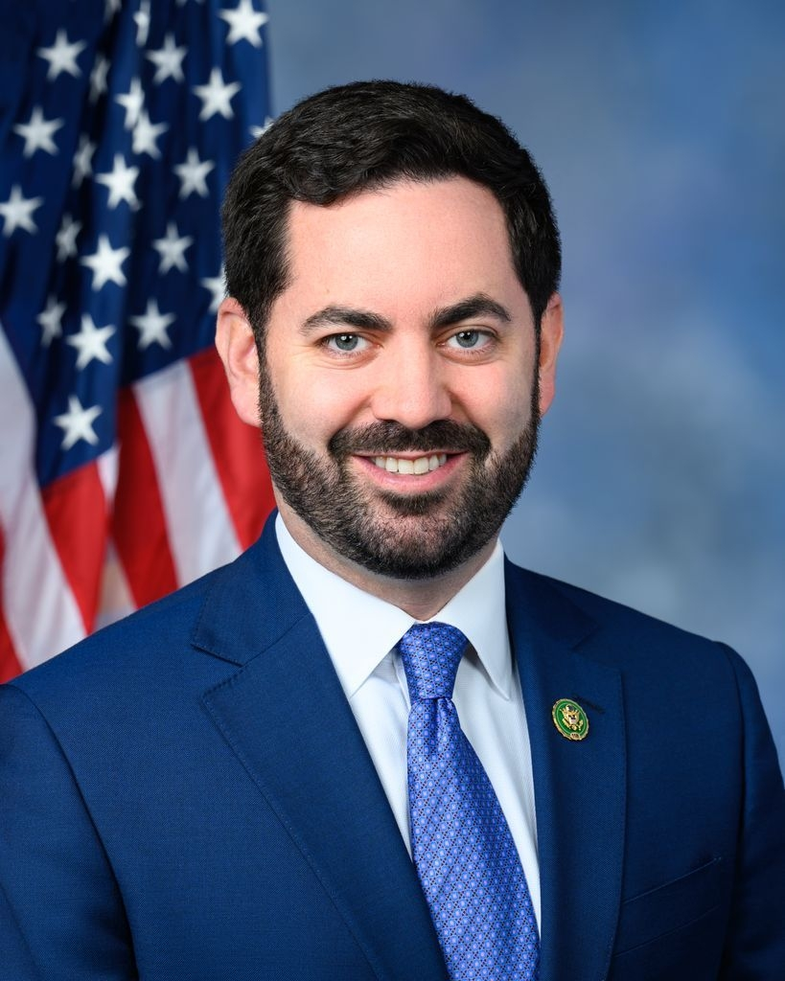
3 bill sponsors


Actions
2 actions
| Date | Action |
|---|---|
| Jul. 16, 2026 | Introduced in House |
| Jul. 16, 2026 | Referred to the Committee on Armed Services, and in addition to the Committees on Foreign Affairs, and Intelligence (Permanent Select), for a period to be subsequently determined by the Speaker, in each case for consideration of such provisions as fall within the jurisdiction of the committee concerned. |
Corporate Lobbying
0 companies lobbying
None found.
* Note that there can be significant delays in lobbying disclosures, and our data may be incomplete.
Potentially Relevant Congressional Stock Trades
No relevant congressional stock trades found.