
H.R. 9751: Consumer Appeal Rights Enforcement Act
This bill would change how certain employee benefit plans, especially ERISA-covered plans such as health and retirement benefit plans, must handle claims, appeals, and external reviews.
What it would change
- It would give the Secretary of Labor broader authority to enforce claims-procedure and external-review rules.
- It would create new civil penalties for violations involving claims handling, notices, disclosures, appeals, and responses to requests for information.
- It would make some violations count separately for each participant or beneficiary affected.
- It would allow courts to impose the same penalties in lawsuits, but not if the Labor Department has already assessed a penalty for the same violation.
- It would repeal one existing ERISA provision that currently gives the Secretary of Labor a specific enforcement tool, and replace it with the new structure in the bill.
Claims and appeals requirements
The bill says a plan can be penalized if it does not have a claims procedure or external review process that matches either:
- the terms written in the plan itself, or
- the federal rules already in ERISA and Labor Department regulations.
It also covers failures to provide required notices or disclosures, respond to claims or appeals on time, or give participants and beneficiaries information they are legally entitled to receive.
Penalties
- Global violations: If a plan has a system-wide problem, the penalty could be up to $1,000 per participant or beneficiary per plan year.
- Higher penalties for not fixing problems: If the problem is not corrected after notice, the penalty could be tripled in some cases.
- Individual violations: For a specific participant or beneficiary, the penalty could be up to $1,000 per day until the problem is fixed.
- Higher penalties for delays: These individual penalties could also be tripled if the issue is not corrected within certain time limits, including shorter deadlines for group health plans and urgent care claims.
- Pattern of repeated violations: If the Department of Labor finds a pattern or practice of repeated individual violations, it could seek penalties for violations over the prior 3 years, with minimum and maximum daily penalty amounts and possible penalty reductions if the plan corrects the problems within 120 days.
Who could be liable
The bill says not only the plan itself, but also any person or entity that materially caused the violation, could be jointly responsible for paying penalties. That could include administrators, insurers, or other service providers if they were responsible for the failure.
Court actions and duplicate penalties
If someone sues under ERISA for these types of violations, a court could impose the new penalties as additional relief. However, the bill prevents both the Department of Labor and a court from imposing penalties on the same defendant for the same violation twice.
Effective date
Most of the changes would take effect 90 days after the bill becomes law.
Relevant Companies
None found
This is an AI-generated summary of the bill text. There may be mistakes.
Sponsors
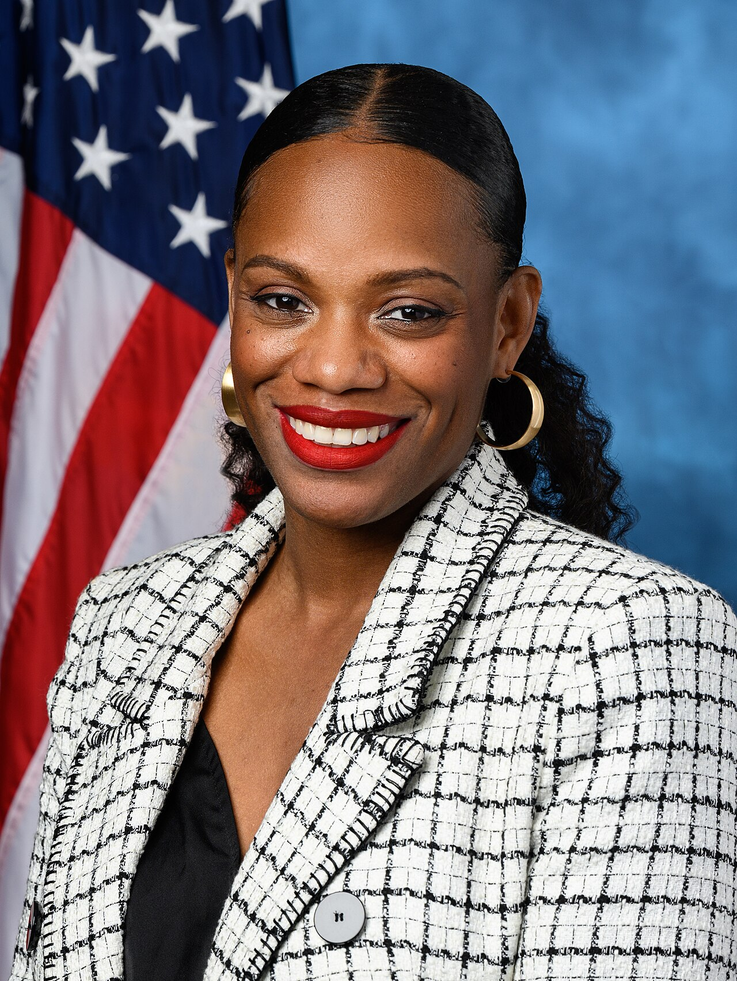
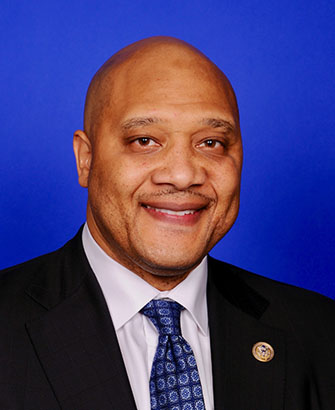
3 bill sponsors

Actions
2 actions
| Date | Action |
|---|---|
| Jul. 16, 2026 | Introduced in House |
| Jul. 16, 2026 | Referred to the House Committee on Education and Workforce. |
Corporate Lobbying
0 companies lobbying
None found.
* Note that there can be significant delays in lobbying disclosures, and our data may be incomplete.
Potentially Relevant Congressional Stock Trades
No relevant congressional stock trades found.