
H.R. 9748: Protecting Students from Worthless Degrees Act
This bill would add new federal consumer-protection rules for colleges and training programs that receive federal education aid, especially programs that prepare students for jobs requiring a license or other formal credential.
Programs tied to licensed jobs
For programs that are meant to lead to a licensed occupation or profession, the bill would generally make a school ineligible for federal education funds unless, within one year of enactment, the program:
- fully qualifies graduates to take the required licensing exam in the student’s local area, their home state, and any other state the school markets the program for;
- meets any required accreditation or similar prerequisites; and
- provides the required clinical placements, internships, apprenticeships, or similar pre-licensure training in a timely way.
Debt-to-earnings standards for programs
The bill creates a new federal test for whether certain education programs are producing enough earnings compared with the debt students take on. It would require the Department of Education to calculate, for each program, two measures:
- Annual debt-to-earnings rate: estimated annual loan payment divided by graduates’ median annual earnings.
- Discretionary debt-to-earnings rate: estimated annual loan payment divided by graduates’ earnings above 150% of the poverty level.
If a program fails both standards in 2 out of 3 consecutive award years, it would be considered not to meet the debt-to-earnings requirements.
What happens if a program fails
If a program does not meet the standards, the Department of Education would have to notify the school and publish the results. The school would then:
- be barred from disbursing federal program funds to students in that program;
- have to wait at least 3 years before trying to make the same program eligible again; and
- not be allowed to create a substantially similar replacement program during that waiting period.
Warnings to students and reporting
The bill would require schools to warn current and prospective students if a program does not meet the state licensure or certification requirements for the state where the student plans to live or work. It also requires annual federal calculations and public posting of the debt-to-earnings results for each eligible program.
New certification requirements for schools
Colleges would have to certify to the Department of Education that their gainful-employment programs meet the new requirements. They would also have to explain why each such program is not substantially similar to any previously ineligible or discontinued program, and update the certification within 10 days if information changes.
Changes to existing gainful-employment rules
The bill expands and revises federal rules for programs that are supposed to lead to “gainful employment.” It also extends earnings-outcomes requirements to undergraduate certificate and diploma programs. In addition, it states that the federal rules should be applied equally across all professions, including “tipped professions,” and blocks a specific delayed implementation rule in a recent Education Department regulation starting July 1, 2027.
Distance education and state authorization
For online and correspondence programs, the bill would require institutions to be legally authorized in every state where their enrolled students are located, unless a reciprocity agreement applies. Even under reciprocity, schools would still need to meet any extra state requirements and show that each state has a complaint process for students.
Relevant Companies
None found
This is an AI-generated summary of the bill text. There may be mistakes.
Sponsors
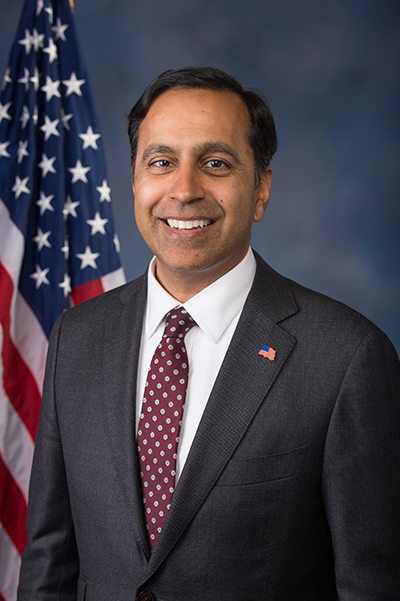
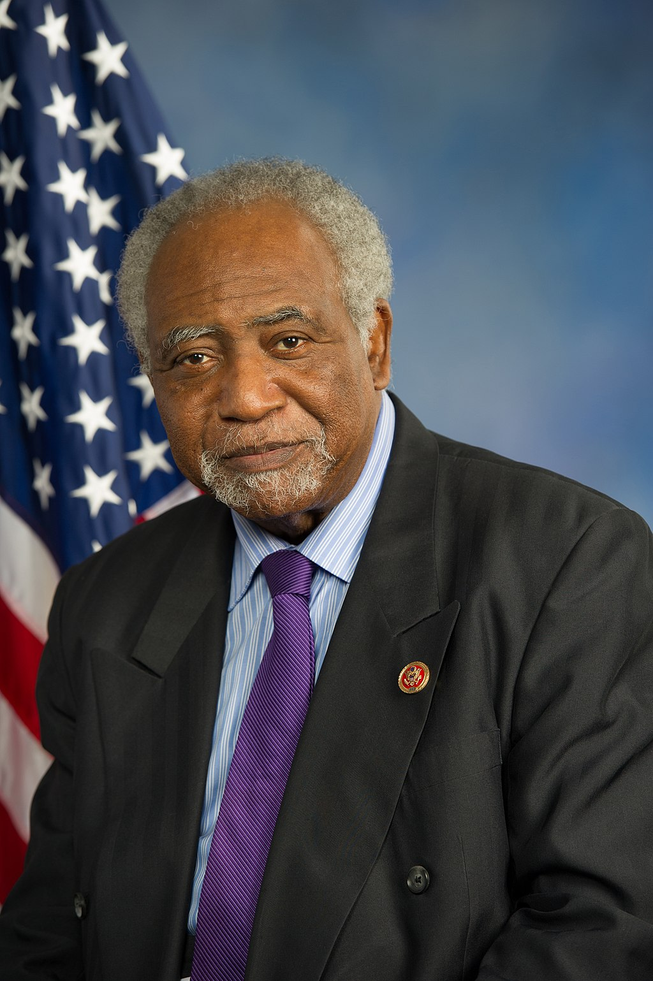
3 bill sponsors

Actions
2 actions
| Date | Action |
|---|---|
| Jul. 16, 2026 | Introduced in House |
| Jul. 16, 2026 | Referred to the House Committee on Education and Workforce. |
Corporate Lobbying
0 companies lobbying
None found.
* Note that there can be significant delays in lobbying disclosures, and our data may be incomplete.
Potentially Relevant Congressional Stock Trades
No relevant congressional stock trades found.