
H.R. 9747: Welcome Back to the Health Care Workforce Act
This bill would create a federal grant program to help internationally educated health care professionals enter and stay in the U.S. health care workforce. In plain terms, it is meant to help people who trained for health care jobs in another country overcome barriers such as licensing, credential review, English-language support, and other steps needed to work in the United States.
What the Department of Health and Human Services would do
Within one year after the bill becomes law, the Secretary of Health and Human Services would have to start awarding grants to eligible organizations. Before doing so, the Secretary would have to consult with the Secretaries of Labor and Education.
Who could receive grants
Grants would go to eligible entities made up of a consortium of at least two types of organizations, such as:
- hospitals, health systems, or other health care providers;
- nonprofit community organizations with clinical or public health experience;
- colleges and universities;
- area health education centers;
- state, local, or tribal governments;
- Federally qualified health centers; or
- other entities the Secretary approves.
What the grants could be used for
The grants would support two broad kinds of projects:
- System-level projects, which are meant to improve the overall pipeline and support network for these workers. Examples include building partnerships for prerequisite and continuing education, mentoring programs, employer education, career ladder programs, help with licensing and certification costs, and retention efforts.
- Individual-level projects, which provide tailored help to specific workers. Examples include licensing support, English-language or exam-preparation courses, career counseling, credential evaluation help, clinical training or work-readiness support, employee-rights education, help with living expenses or transportation, and help obtaining foreign academic or training records.
Priority areas
When choosing grant recipients, HHS would have to give priority to projects that help recruit and keep internationally educated health care professionals in:
- communities where the local health care workforce does not meet community needs; or
- rural communities.
Limits on how the money could be spent
Grant recipients could use no more than 10% of grant funds for administration costs. They would also have to spend at least 20% of the money on direct support services tied to system-level improvements.
The bill also says the grants must supplement, not replace, existing funding that states or regions already use for recruitment, training, retention, and advancement of these workers.
Reporting and oversight
Organizations receiving grants would have to send HHS annual reports on how the money was used and how many people were helped. Those reports would need to include data such as:
- the number of internationally educated health care professionals who participated;
- how many received services or supports;
- how many got jobs in the health care workforce;
- how many withdrew, failed certification, or were terminated from the program; and
- the countries where participants were educated.
HHS would then have to submit yearly reports to Congress on the progress of the funded projects, starting two years after enactment and continuing until the projects are finished.
Who counts as an internationally educated health care professional
The bill defines this as someone who completed the education requirements for a health care profession in another country and is either a lawful permanent resident, a refugee, an asylee, or otherwise authorized to work in the United States.
Funding
The bill would authorize whatever amount of money is needed to carry out the program for fiscal years 2027 through 2031.
Relevant Companies
None found
This is an AI-generated summary of the bill text. There may be mistakes.
Sponsors
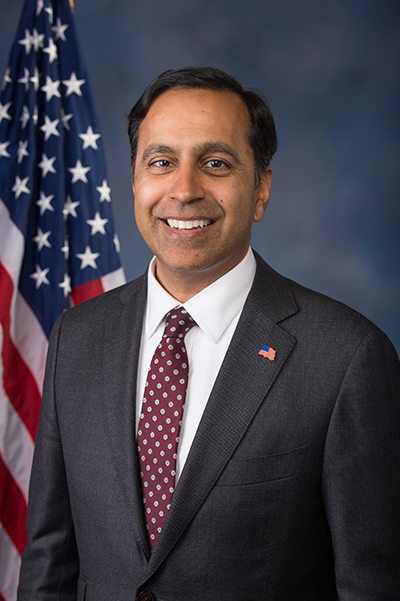
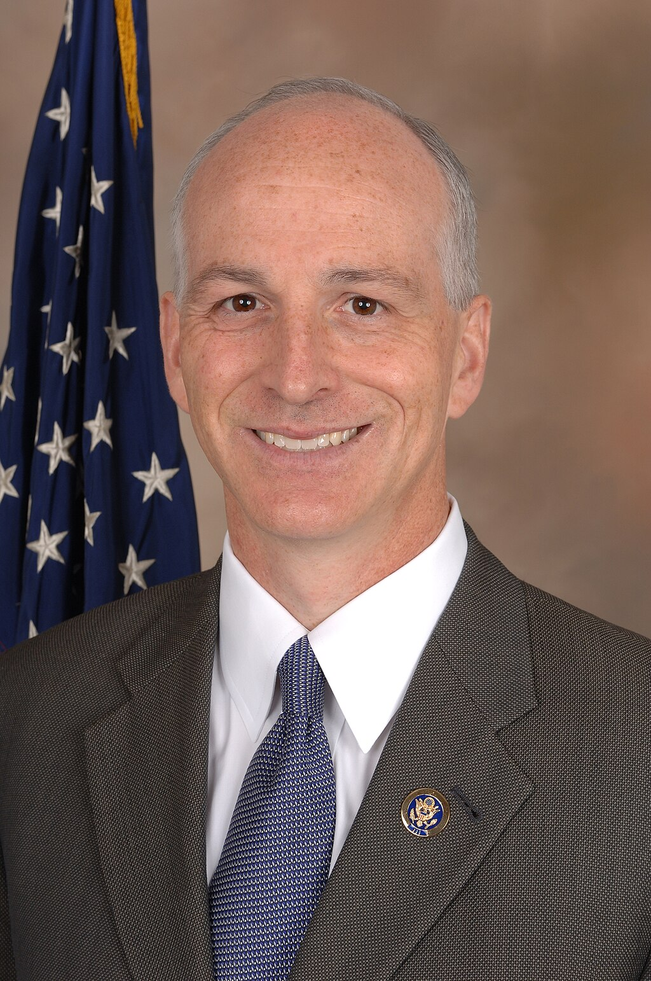
2 bill sponsors
Actions
2 actions
| Date | Action |
|---|---|
| Jul. 16, 2026 | Introduced in House |
| Jul. 16, 2026 | Referred to the House Committee on Energy and Commerce. |
Corporate Lobbying
0 companies lobbying
None found.
* Note that there can be significant delays in lobbying disclosures, and our data may be incomplete.
Potentially Relevant Congressional Stock Trades
No relevant congressional stock trades found.