
H.R. 9736: Stop Corporations and High Earners from Avoiding Taxes and Enforce the Rules Strictly Act
This bill would give the Internal Revenue Service extra money over several years to help it collect taxes more effectively, update its technology, and improve taxpayer services.
What the bill funds
- Tax enforcement: The IRS would receive additional funding each fiscal year from 2026 through 2031 for activities like finding and collecting taxes that are owed, providing legal and litigation support, conducting criminal investigations, and enforcing tax-related and other financial crime laws.
- Taxpayer services: The bill would also provide extra money for help to taxpayers, including pre-filing assistance, education, filing and account services, and taxpayer advocacy services.
- Technology and operations: It would provide additional funding to modernize outdated IRS technology and improve the agency’s ability to detect fraud and noncompliance.
- Business systems modernization: The IRS would get extra funding to improve its business systems modernization program, but not to operate or maintain legacy systems.
How much money is provided
The bill sets specific additional amounts for each fiscal year from 2026 to 2031. For enforcement, the amounts rise from $3.6 billion in 2026 to $12.2 billion in 2031. For taxpayer services, the amounts range from $1.4 billion to $1.7 billion per year. For technology and operations support, the amounts range from $900 million in 2026 to $5.9 billion in 2031. For business systems modernization, the amounts range from $300 million to $1 billion per year. The money would remain available until it is spent.
What the IRS would be required to report
The bill would require the IRS Commissioner to send Congress a report within one year after enactment, and then every two years after that. The report would need to describe:
- a plan to shift more IRS auditing and enforcement resources toward high-income individuals and large corporations;
- a plan to recruit and keep auditors with the skills needed to audit those taxpayers;
- a plan to increase voluntary compliance by high-income individuals and large corporations;
- the progress made on those plans; and
- an analysis of how much of the gap between taxes owed and taxes actually collected is due to taxpayers at different income levels, including high-income individuals and large corporations.
The Treasury Inspector General for Tax Administration would also have to review the IRS plan and report to Congress on the progress the IRS has made, starting one year after the first IRS report and then every two years after that.
Relevant Companies
None found
This is an AI-generated summary of the bill text. There may be mistakes.
Sponsors
41 bill sponsors
-
TrackSuzan K. DelBene
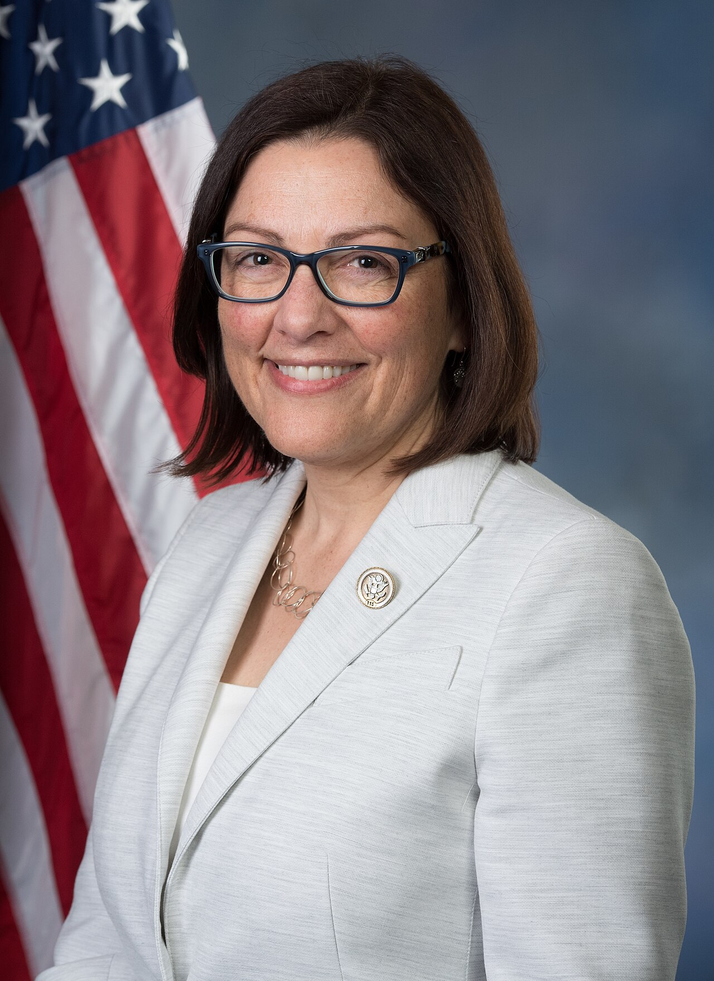
Sponsor
-
TrackNanette Diaz Barragán
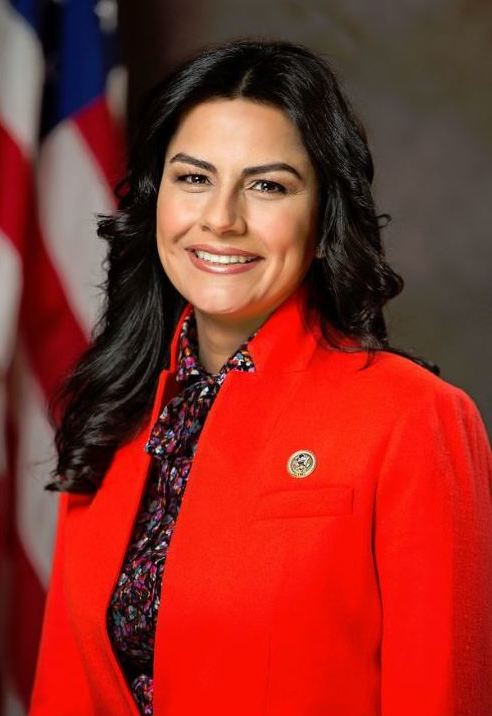
Co-Sponsor
-
TrackDonald S. Beyer, Jr.
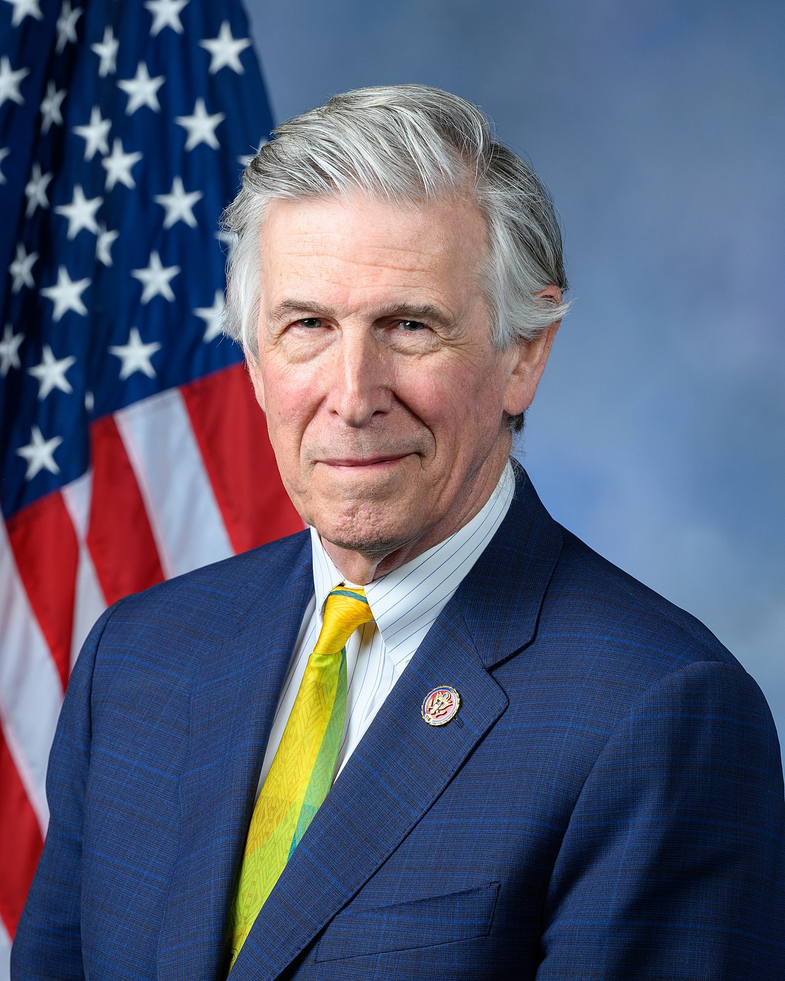
Co-Sponsor
-
TrackSuzanne Bonamici
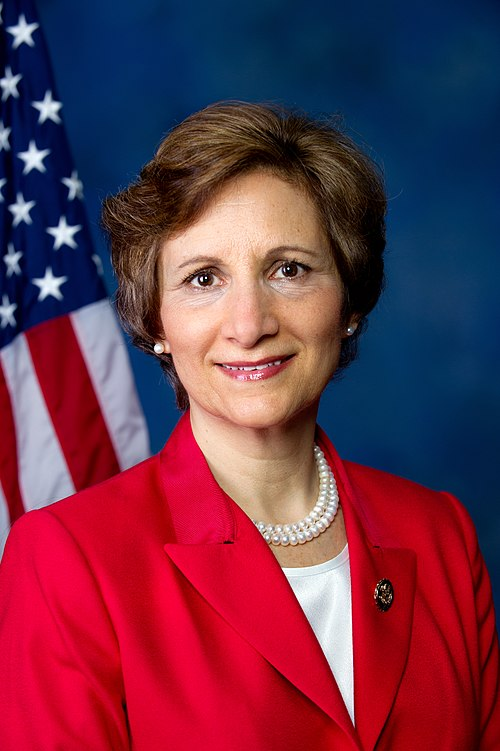
Co-Sponsor
-
TrackAndré Carson
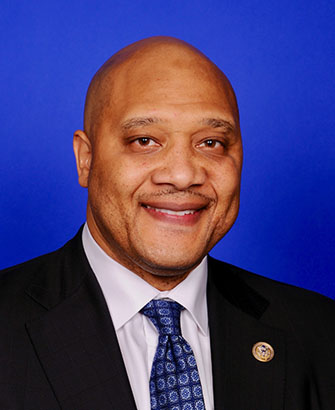
Co-Sponsor
-
TrackJudy Chu
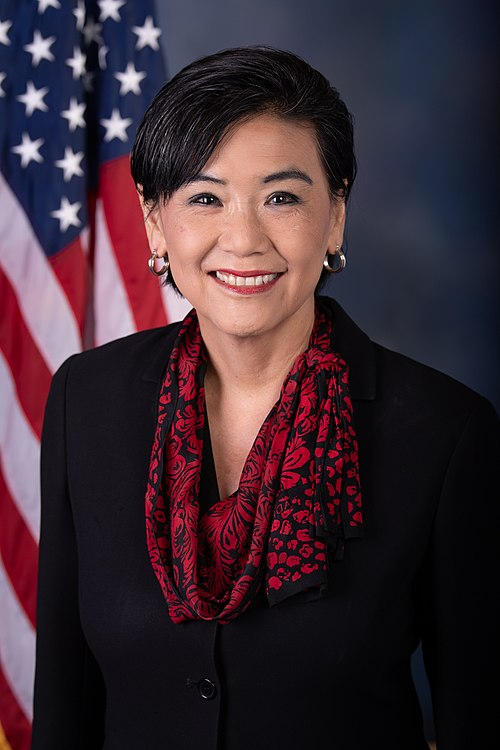
Co-Sponsor
-
TrackDanny K. Davis
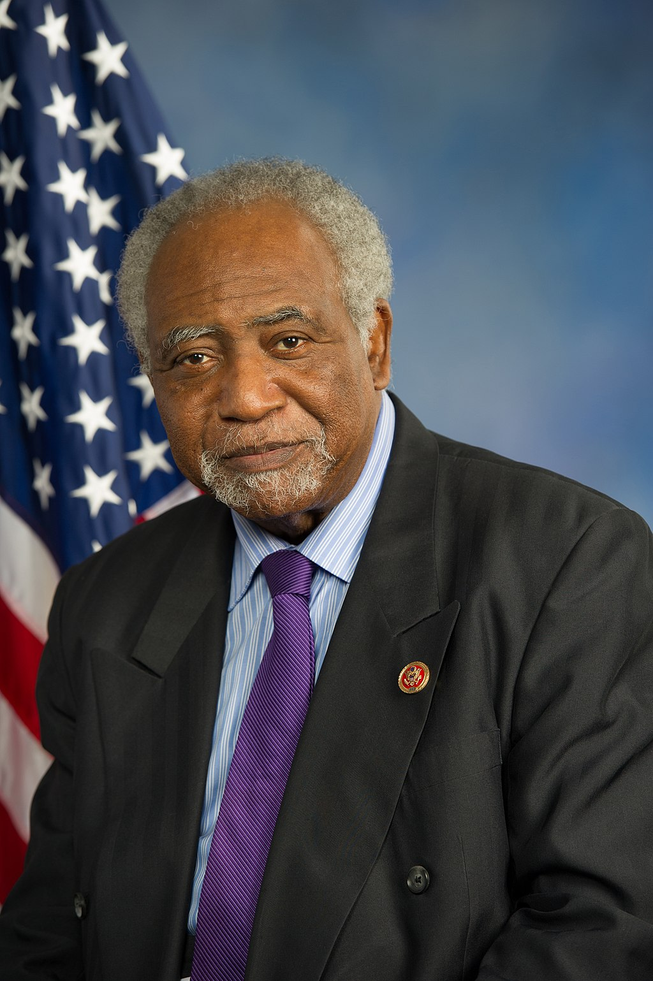
Co-Sponsor
-
TrackChristopher R. Deluzio

Co-Sponsor
-
TrackMaxine Dexter

Co-Sponsor
-
TrackValerie P. Foushee
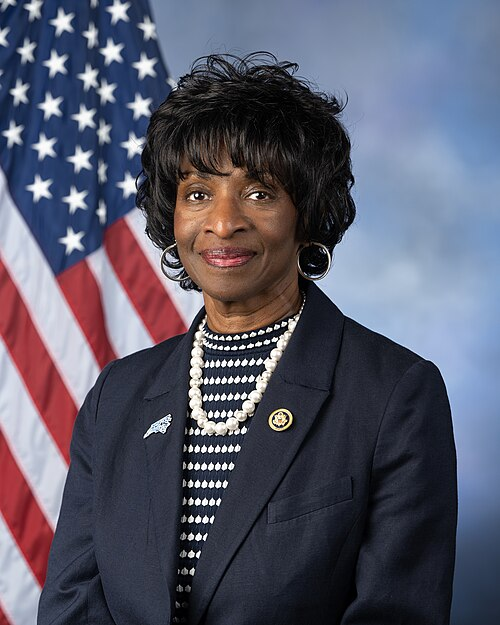
Co-Sponsor
-
TrackJesús G. "Chuy" García
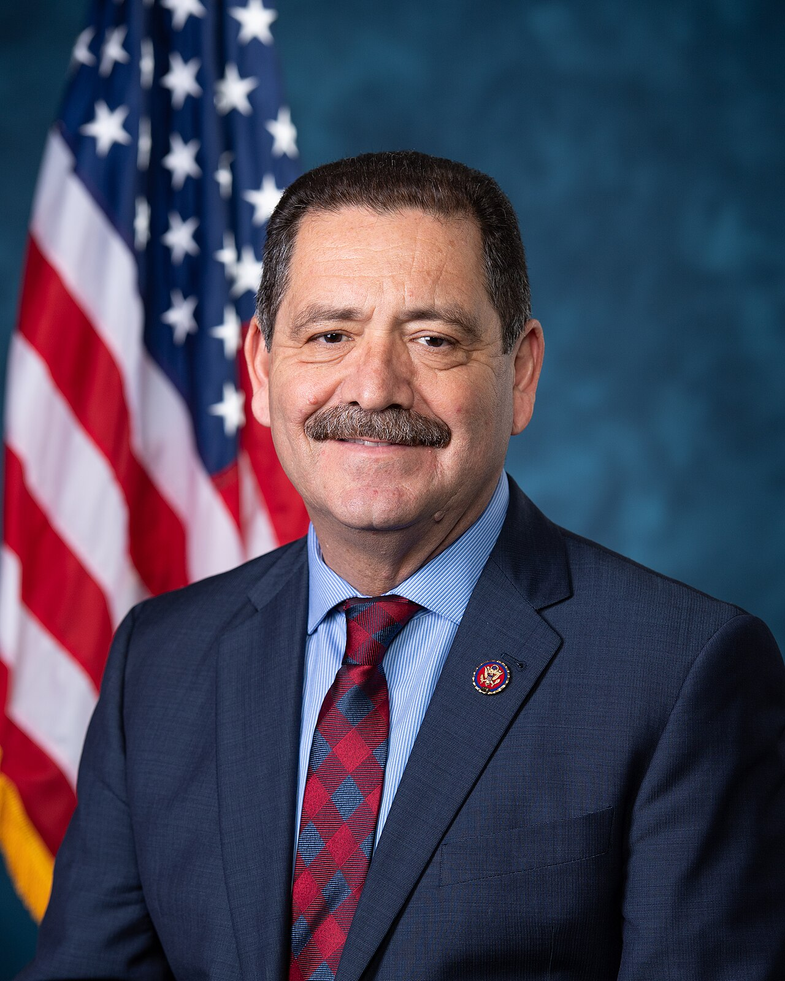
Co-Sponsor
-
TrackDaniel S. Goldman
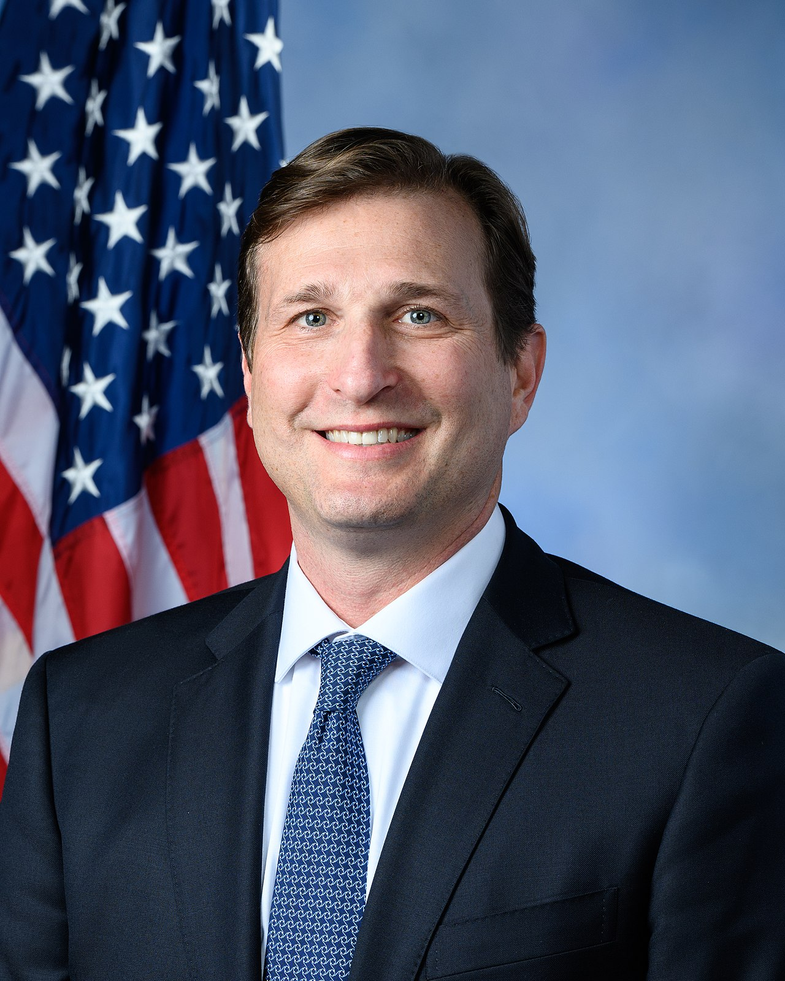
Co-Sponsor
-
TrackJimmy Gomez
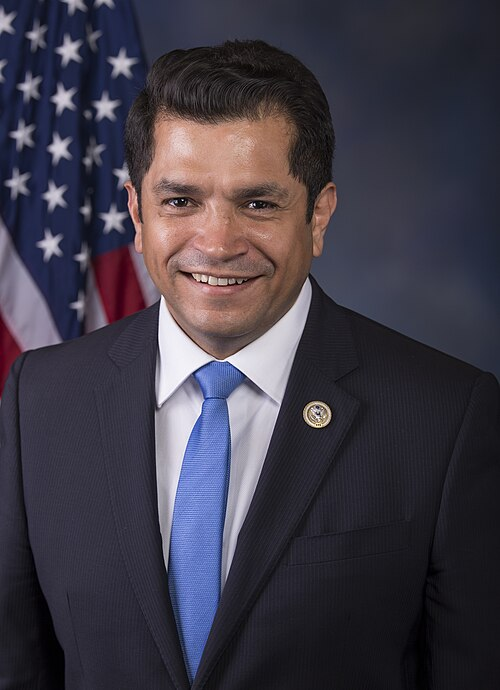
Co-Sponsor
-
TrackMaggie Goodlander
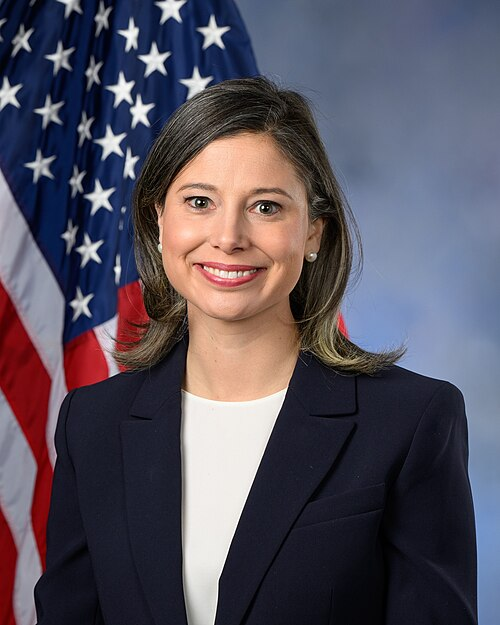
Co-Sponsor
-
TrackSteven Horsford
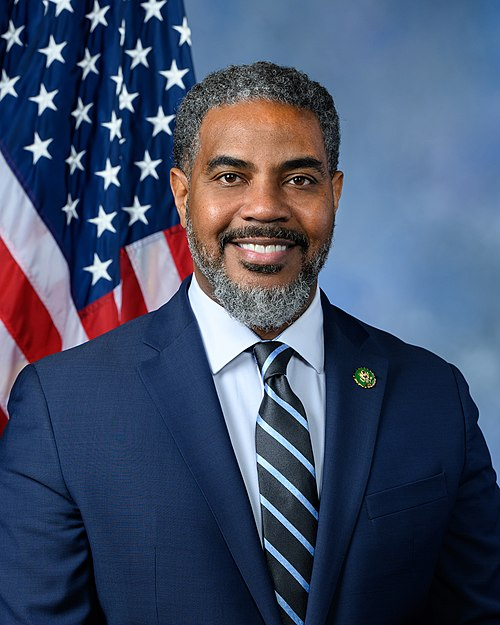
Co-Sponsor
-
TrackPramila Jayapal
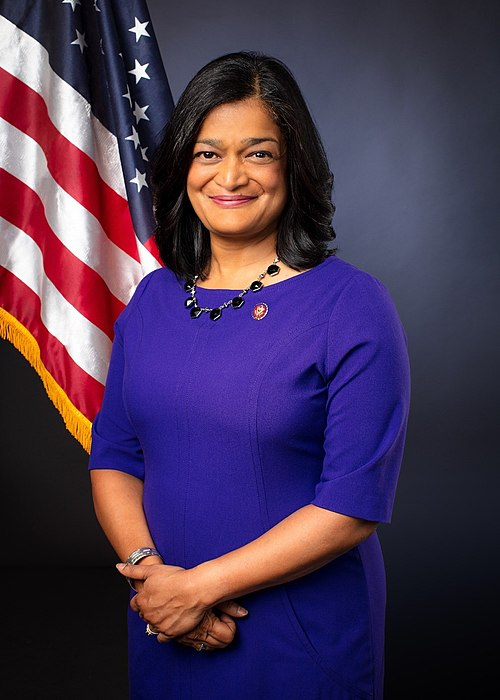
Co-Sponsor
-
TrackHenry C. "Hank" Johnson, Jr.
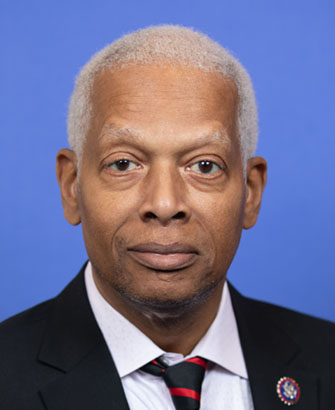
Co-Sponsor
-
TrackRo Khanna
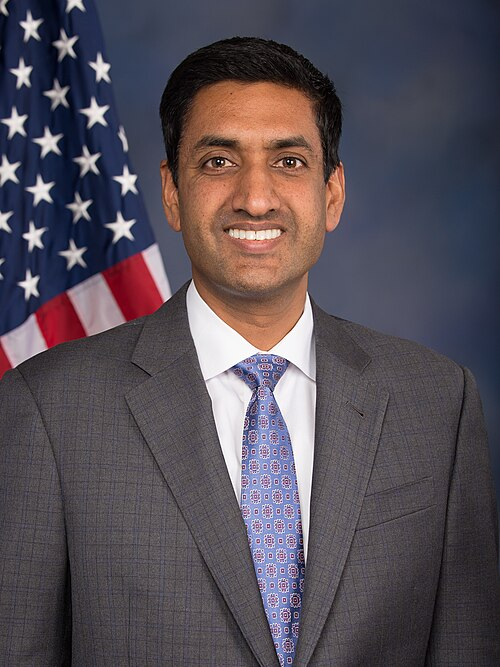
Co-Sponsor
-
TrackJohn B. Larson
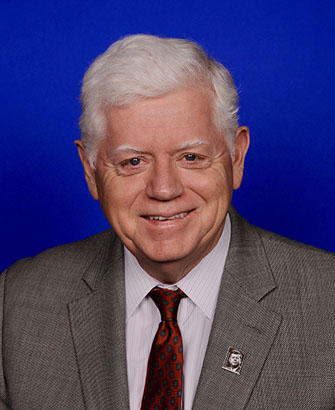
Co-Sponsor
-
TrackSummer L. Lee
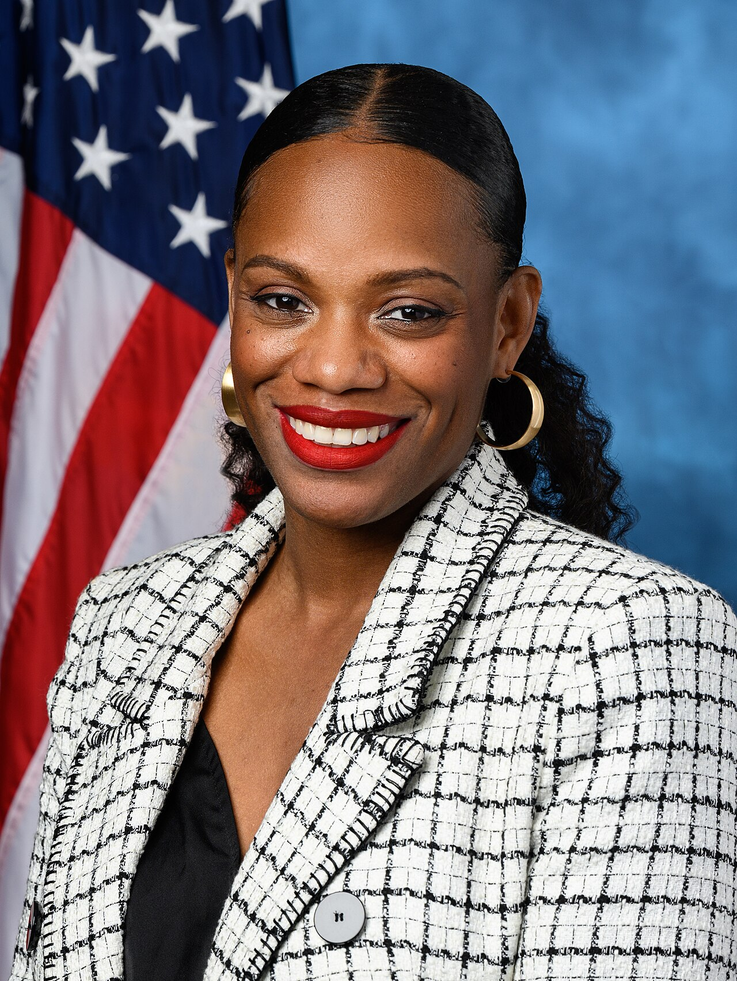
Co-Sponsor
-
TrackSarah McBride

Co-Sponsor
-
TrackJames P. McGovern
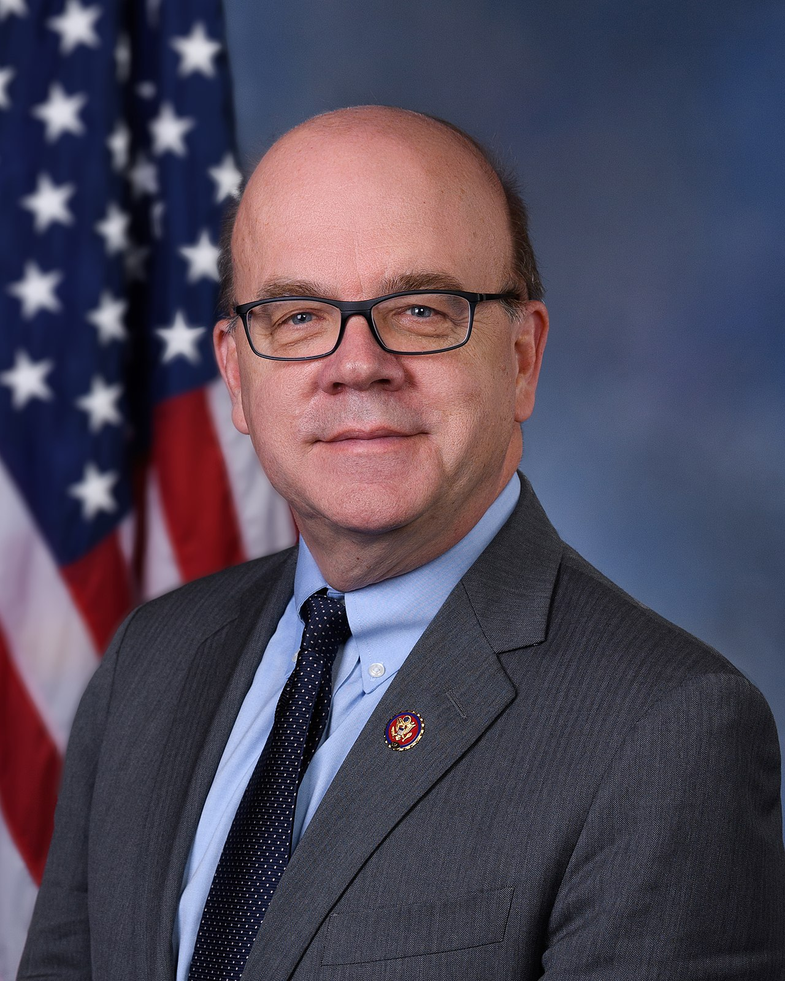
Co-Sponsor
-
TrackGwen Moore
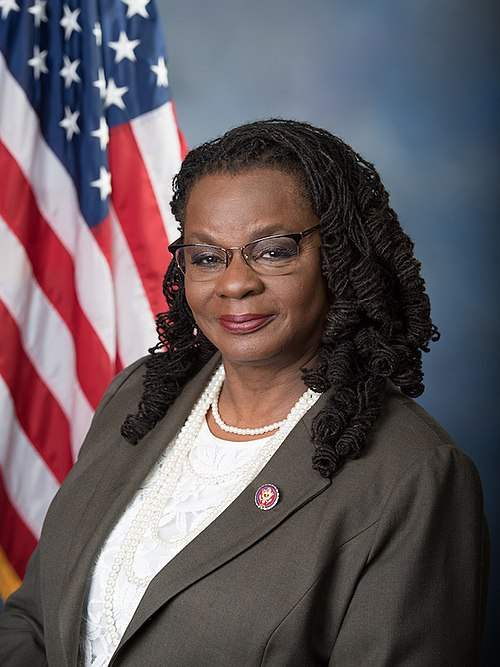
Co-Sponsor
-
TrackSeth Moulton
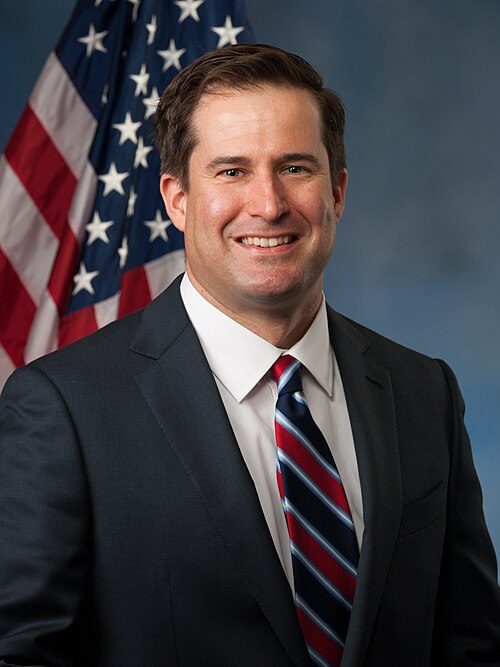
Co-Sponsor
-
TrackKevin Mullin
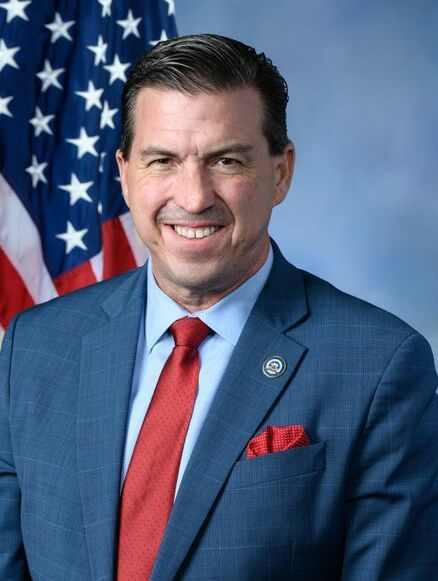
Co-Sponsor
-
TrackJoe Neguse
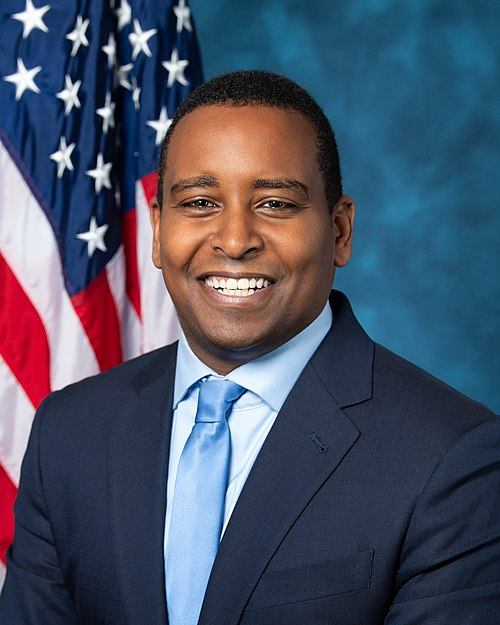
Co-Sponsor
-
TrackEleanor Holmes Norton

Co-Sponsor
-
TrackMark Pocan
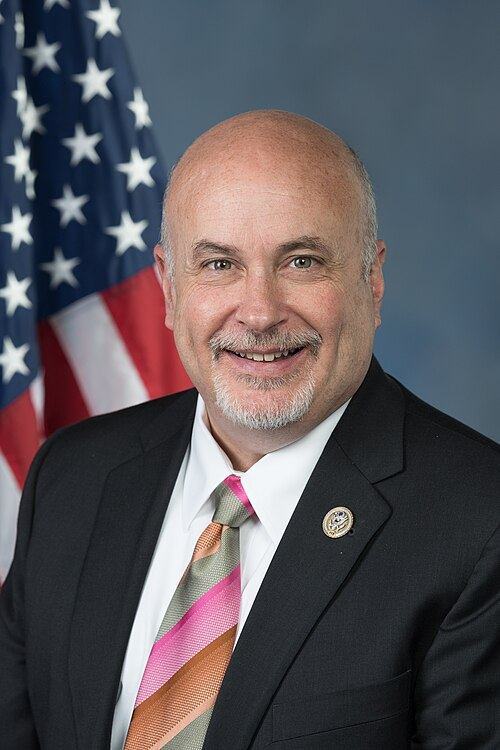
Co-Sponsor
-
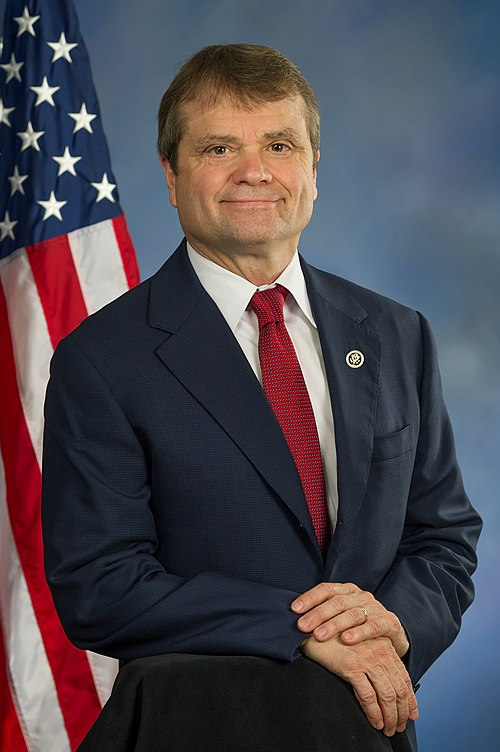
TrackMike Quigley
Co-Sponsor
-
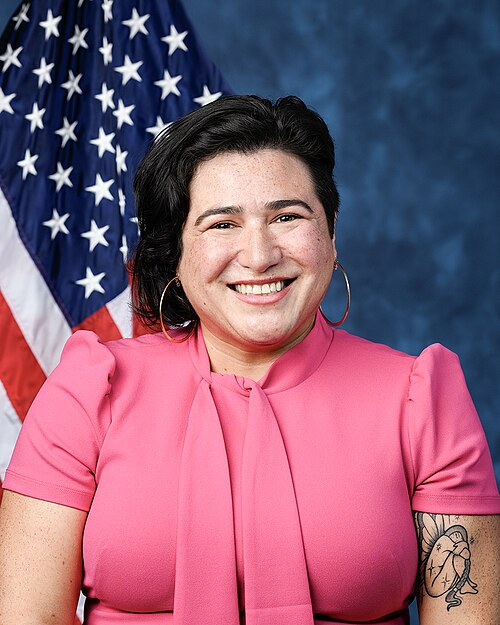
TrackEmily Randall
Co-Sponsor
-
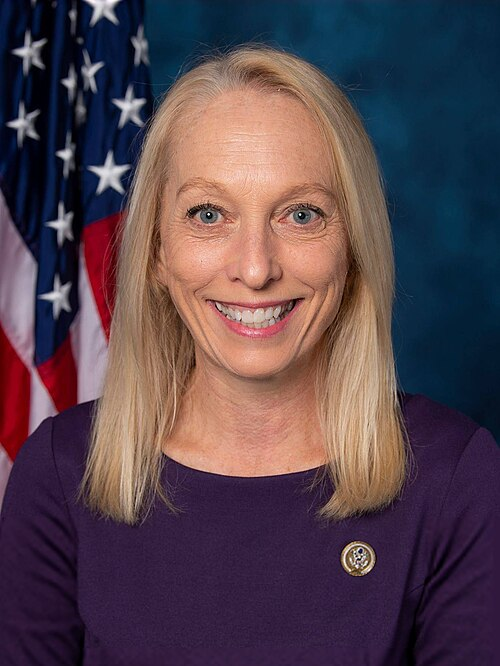
TrackMary Gay Scanlon
Co-Sponsor
-
TrackJanice D. Schakowsky

Co-Sponsor
-
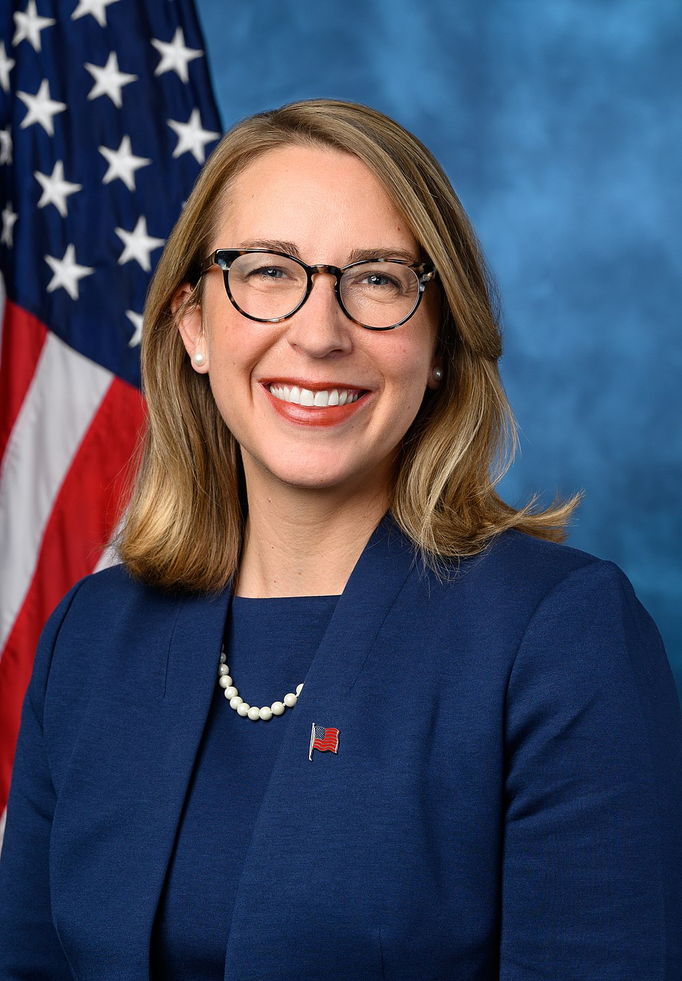
TrackHillary J. Scholten
Co-Sponsor
-
TrackTerri A. Sewell
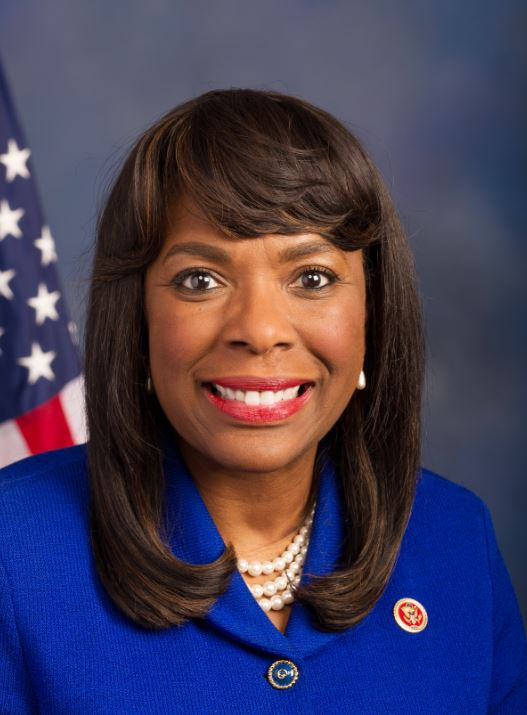
Co-Sponsor
-
TrackLateefah Simon
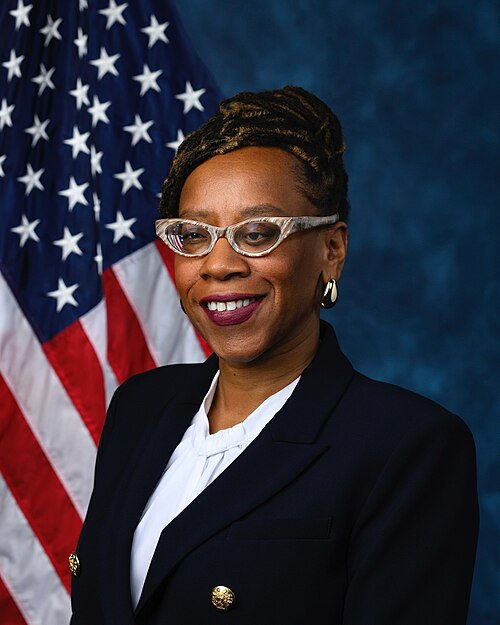
Co-Sponsor
-
TrackThomas R. Suozzi
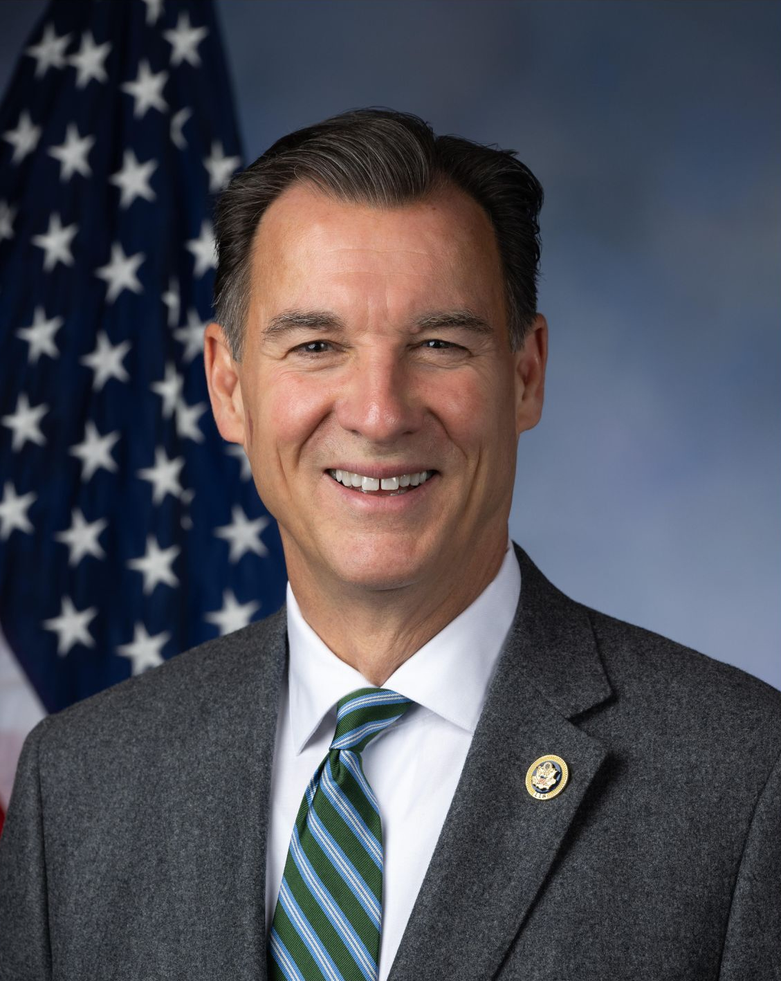
Co-Sponsor
-
TrackLinda T. Sánchez
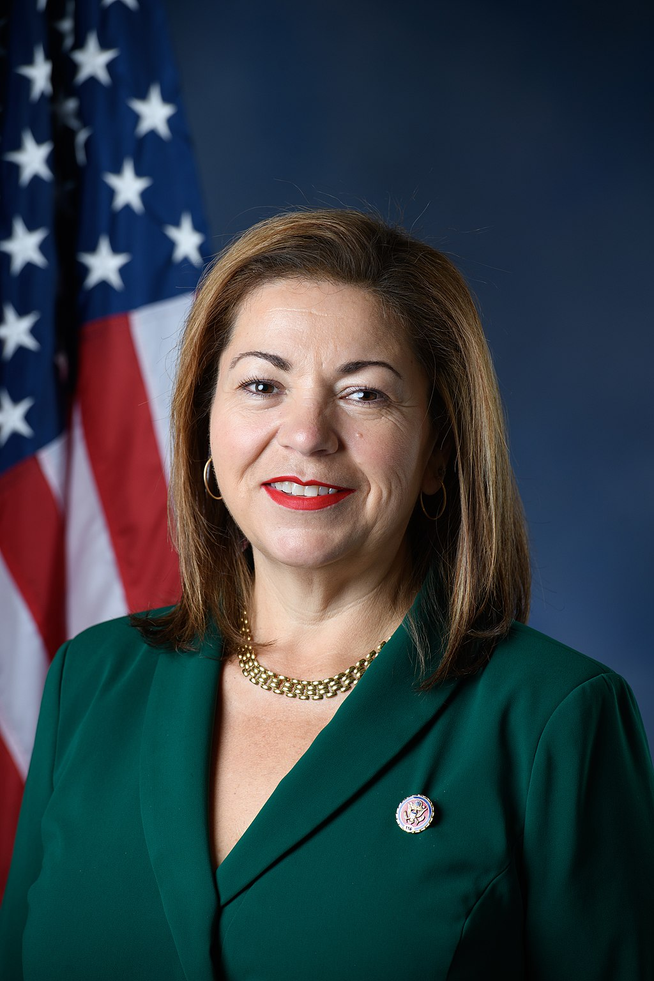
Co-Sponsor
-
TrackDina Titus
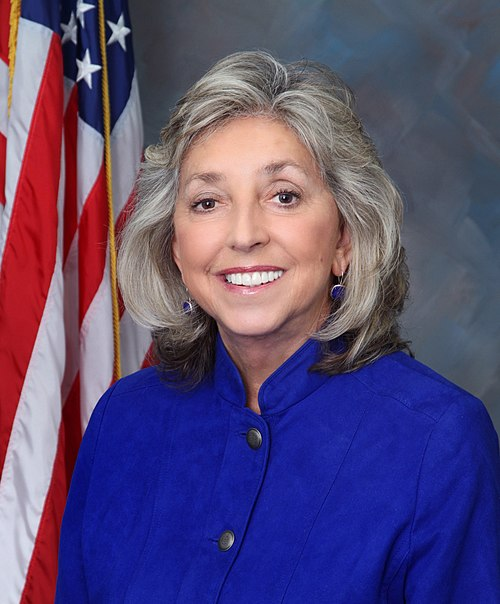
Co-Sponsor
-
TrackRashida Tlaib
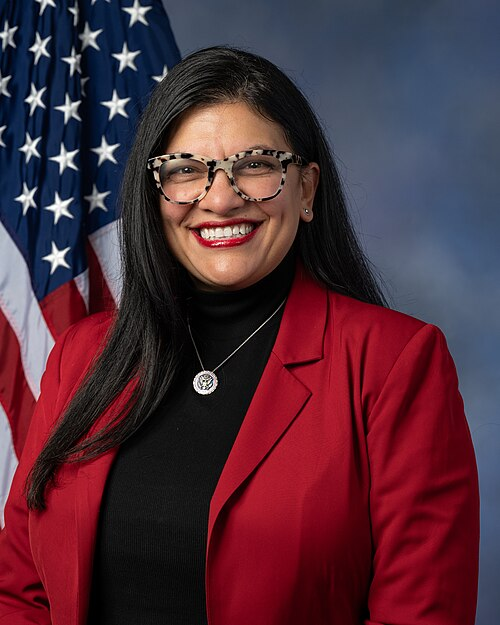
Co-Sponsor
-
TrackPaul Tonko
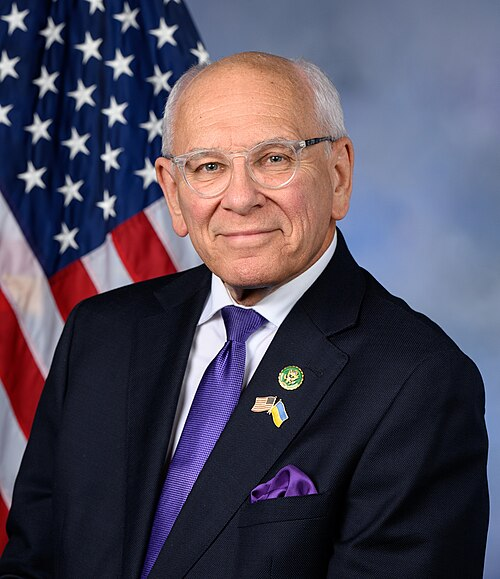
Co-Sponsor
-
Tracknan

Co-Sponsor
Actions
2 actions
| Date | Action |
|---|---|
| Jul. 16, 2026 | Introduced in House |
| Jul. 16, 2026 | Referred to the House Committee on Appropriations. |
Corporate Lobbying
0 companies lobbying
None found.
* Note that there can be significant delays in lobbying disclosures, and our data may be incomplete.
Potentially Relevant Congressional Stock Trades
No relevant congressional stock trades found.