H.R. 9734: Protecting Patients from Automated Denials Act
This bill would place new limits on how Medicare Advantage plans can use artificial intelligence when deciding whether to approve or deny prior authorization requests. Prior authorization is the process where a health plan must approve a service, treatment, test, or item before it is provided or covered.
What would change
Starting with plan years on or after January 1, 2027, a Medicare Advantage plan would not be allowed to deny a prior authorization request based on the output of artificial intelligence unless several safeguards are met.
- A qualified physician reviewer must review and approve the denial under the direction of the plan’s medical director.
- The physician reviewer must sign a statement saying that:
- the reviewer used independent medical judgment,
- the denial was not generated or dictated by AI, and
- any software used was only for administrative purposes.
- The plan must give the provider:
- a copy of that signed statement,
- a chance to speak directly with the physician reviewer, and
- a chance to discuss the clinical basis for the denial.
- The plan must tell both the patient and the provider that AI was used, and must disclose the physician reviewer’s National Provider Identifier number.
- The plan must keep records about the AI use, the physician review, and the information shared, for at least 10 years.
Reporting and oversight
The bill would also require Medicare Advantage plans that use prior authorization to report to the Secretary of Health and Human Services every 90 days starting March 31, 2027. These reports would have to include information about prior authorization denials based on AI, including signed attestations and any related algorithms, decision protocols, or documentation.
It would give the Secretary authority to audit and inspect a plan’s use of AI in this area. That could include reviewing denial data, physician attestations, internal policies, employee interviews, and algorithmic documentation.
Definitions and rulemaking
The bill defines artificial intelligence broadly to include systems that generate content, act with a degree of autonomy, or interact with external systems to make decisions or take actions. It also defines a qualified physician reviewer as a properly licensed physician in the relevant state, with specialty credentials and experience matching the provider involved.
The Secretary would have to issue regulations within one year after enactment to carry out the law.
Relevant Companies
- UNH — UnitedHealth Group, which operates Medicare Advantage plans and could need to change how it uses AI in prior authorization reviews and denials.
- HUM — Humana, a major Medicare Advantage insurer that could be affected by new review, disclosure, and reporting requirements.
- CVS — CVS Health, through Aetna, could be affected in its Medicare Advantage prior authorization processes.
- CNC — Centene, which operates Medicare Advantage plans and could face additional compliance obligations.
- ELV — Elevance Health, a Medicare Advantage operator that could need to adjust its prior authorization systems and oversight procedures.
This is an AI-generated summary of the bill text. There may be mistakes.
Sponsors
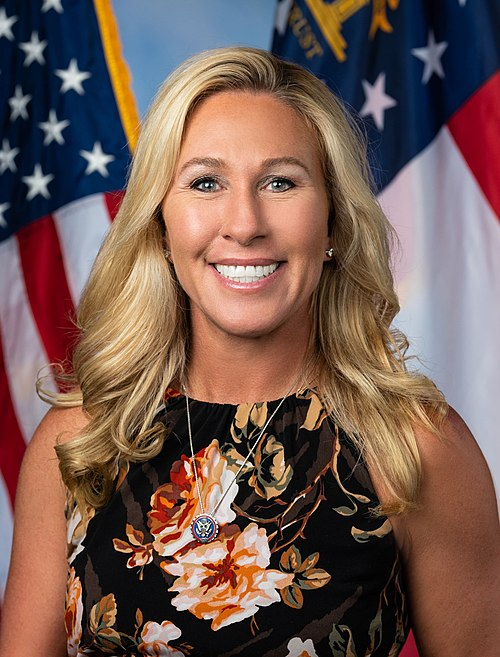
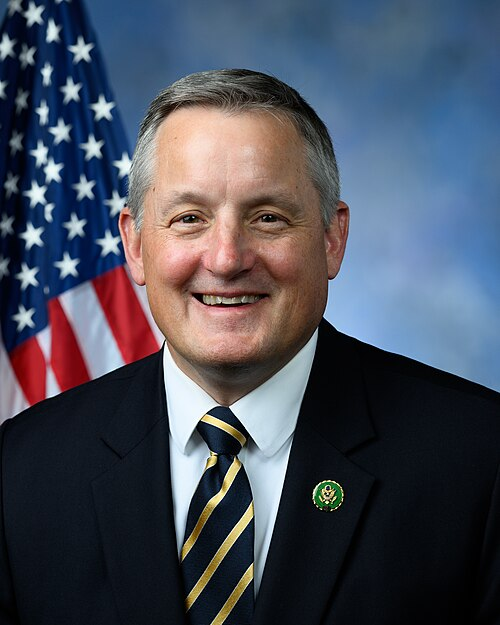
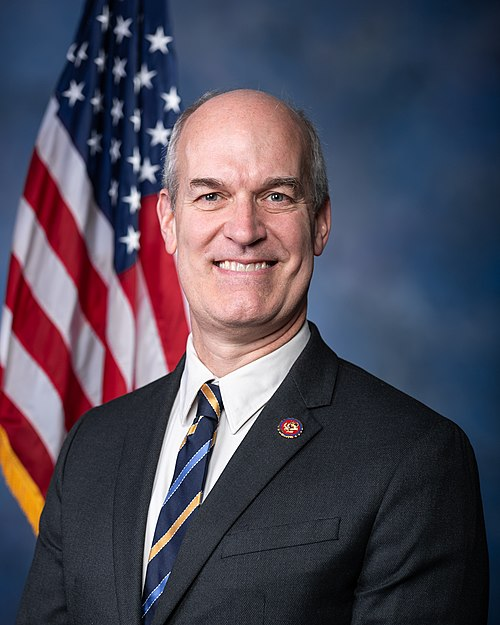
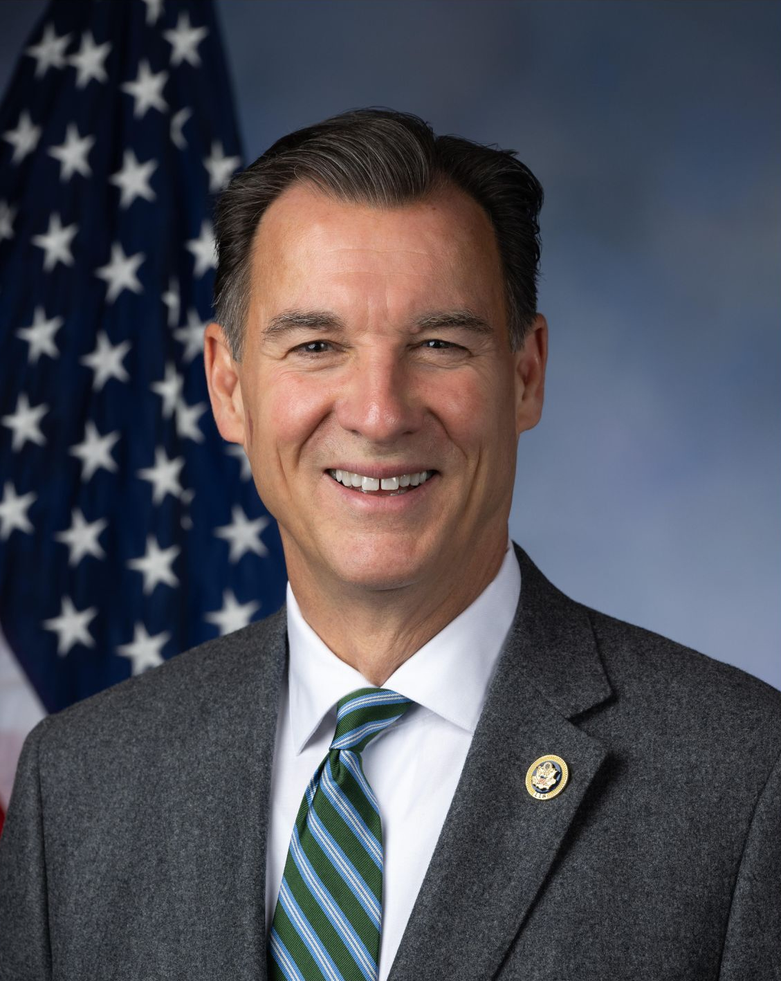
2 bill sponsors


Actions
2 actions
| Date | Action |
|---|---|
| Jul. 16, 2026 | Introduced in House |
| Jul. 16, 2026 | Referred to the Committee on Ways and Means, and in addition to the Committee on Energy and Commerce, for a period to be subsequently determined by the Speaker, in each case for consideration of such provisions as fall within the jurisdiction of the committee concerned. |
Corporate Lobbying
0 companies lobbying
None found.
* Note that there can be significant delays in lobbying disclosures, and our data may be incomplete.