
H.R. 9728: Protecting America’s Diplomatic Workforce Act
This bill would change how certain foreign affairs agencies handle reductions in force—that is, layoffs or job cuts done for reasons like reorganization or budget shortfalls.
Main changes
- Limits large layoffs without extra steps: Covered agencies would generally be barred from separating more than 50 employees in any 6-month period through reductions in force, unless they follow added reporting and briefing requirements.
- Requires more explanation to Congress: Before a large reduction in force, an agency would have to send Congress a detailed written explanation at least 20 days before notifying affected employees. That explanation would need to cover:
- what other options the agency tried first, including reassignment possibilities;
- the reason for the layoffs;
- whether the layoffs would hurt the agency’s ability to carry out its mission;
- how the layoffs would affect U.S. diplomatic presence and competition with foreign adversaries; and
- for civil service employees, how the agency complied with certain federal layoff rules.
- Requires a congressional briefing: The agency would also have to brief the relevant congressional committees about the layoffs and the factors above.
Foreign Service layoff rules
- Worldwide competition for retention: When the Foreign Service conducts a reduction in force, employees would compete on a worldwide basis against others of the same rank and specialization.
- Performance would matter most: Layoff decisions would be based primarily on performance, using previous selection board rankings. Other factors, including tenure, language skills, and military preference, would also be considered.
- Longer notice period: Foreign Service members would generally have to receive 120 days’ notice before separation, and never less than 60 days except in unforeseen circumstances.
- Transfer protections: Foreign Service members would get the same protections that civil service employees receive when a function is transferred to another part of government.
- Grievance rights: The Foreign Service Grievances Board would be given authority similar to the Merit Systems Protection Board to hear layoff-related grievances.
Other federal layoff notice
For reductions in force at covered agencies under certain civil service rules, the notice period would be set at 60 days.
Foreign Affairs Manual changes
Before making significant changes to the Foreign Affairs Manual, the Secretary of State would have to give the relevant congressional committees 30 days’ written notice, consult with them, and provide a briefing.
Agencies covered
The bill applies to the State Department and several other foreign-affairs-related agencies, including USAID, the Millennium Challenge Corporation, the U.S. International Development Finance Corporation, the Peace Corps, certain Agriculture and Commerce Department foreign affairs offices, the U.S. Trade and Development Agency, and the U.S. Agency for Global Media and its networks.
Relevant Companies
None found
This is an AI-generated summary of the bill text. There may be mistakes.
Sponsors
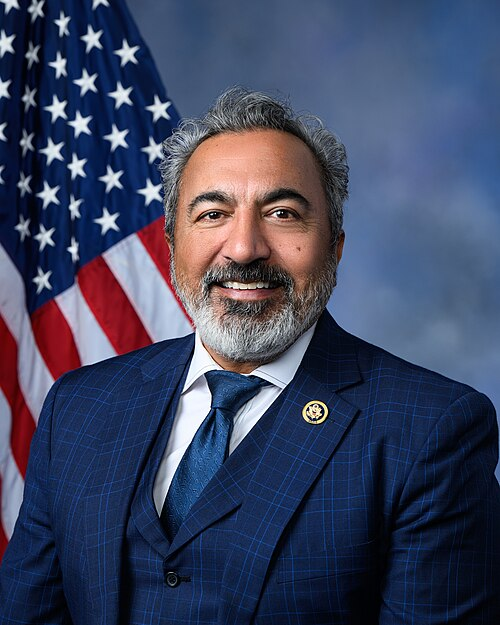
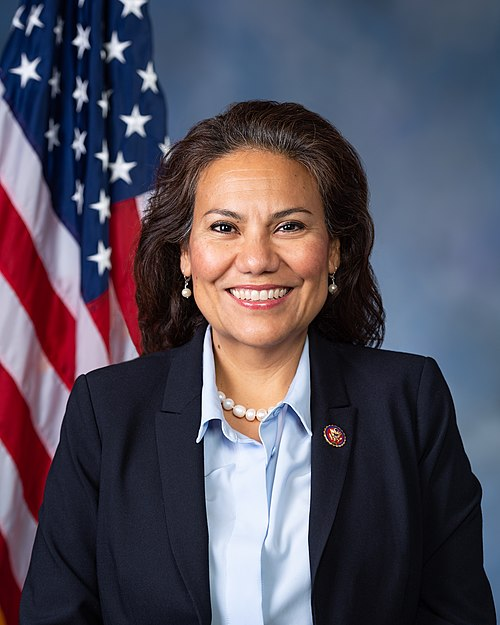
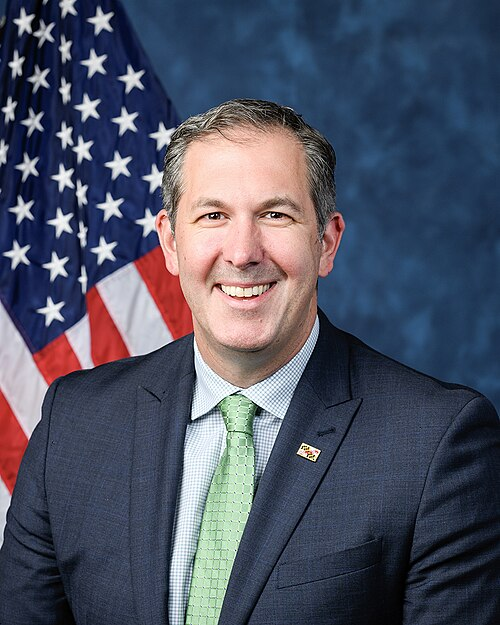
8 bill sponsors





Actions
2 actions
| Date | Action |
|---|---|
| Jul. 16, 2026 | Introduced in House |
| Jul. 16, 2026 | Referred to the Committee on Foreign Affairs, and in addition to the Committee on Agriculture, for a period to be subsequently determined by the Speaker, in each case for consideration of such provisions as fall within the jurisdiction of the committee concerned. |
Corporate Lobbying
0 companies lobbying
None found.
* Note that there can be significant delays in lobbying disclosures, and our data may be incomplete.
Potentially Relevant Congressional Stock Trades
No relevant congressional stock trades found.