
H.R. 9721: Fiscal Sponsorship Transparency Act of 2026
This bill would change tax rules for
“fiscal sponsorship” arrangements
, which are common in the nonprofit world when one tax-exempt organization handles money for a project or group connected to it.Main reporting requirement
It would require certain charitable organizations to report more information to the IRS about each fiscal sponsorship arrangement they have during the year. The report would need to include:
- the names of the non-individual parties involved in the arrangement,
- the amount of money made available or transferred under the arrangement,
- a description of what the money was used for,
- the name of the person designated as the main officer managing the arrangement, and
- the dates the arrangement started and ended.
What counts as a fiscal sponsorship arrangement
The bill defines a fiscal sponsorship arrangement as an agreement where a tax-exempt organization either:
- receives and administers money for another person, or
- raises money for a specifically identified project that supports the organization’s charitable purpose, then makes the money available for that project, while keeping discretion and control over the funds.
It also says that certain related entities owned by the organization are treated as separate entities for these rules.
Limits on deductions and new taxes
The bill would also add penalties for what it calls an improper conduit arrangement. In general, that means a charitable organization solicits or receives donations intended for a specifically identified non-tax-exempt person, but does not actually exercise discretion and control over how the money is used.
Under the bill:
- Donations made through an improper conduit arrangement would not count as charitable contributions for federal tax deduction purposes.
- The nonprofit involved would owe a tax equal to 20% of the transferred amount.
- Organization managers who knowingly approved the transfer could owe a tax equal to 5% of the amount, up to certain caps.
- If the problem is not corrected in time, the nonprofit could owe an additional tax equal to 100% of the transfer.
- Managers who refuse to help correct the problem could owe an additional 50% tax, also subject to caps.
Who is covered
These rules would apply to certain tax-exempt organizations, mainly charities described in section 501(c)(3), including organizations that had that status within the prior five years. Private foundations and donor-advised funds would not be covered by the new reporting rule in the same way.
Regulatory authority and timing
The Treasury Department would be directed to issue regulations explaining which arrangements are covered and what “discretion and control” means under the new law. The changes would apply to taxable years beginning after December 31, 2027.
Relevant Companies
None found
This is an AI-generated summary of the bill text. There may be mistakes.
Sponsors
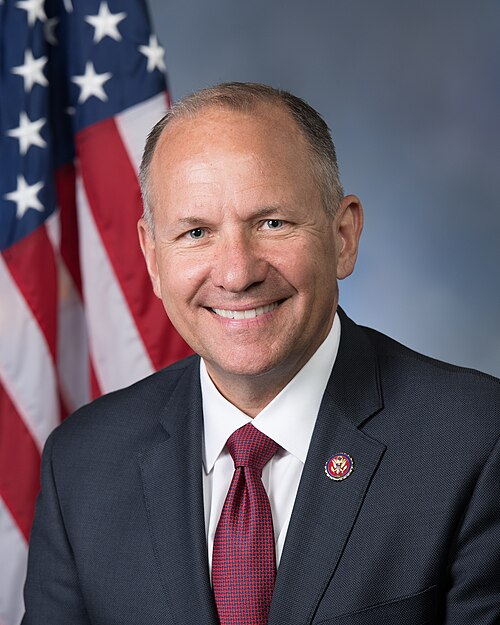
1 sponsor
Actions
4 actions
| Date | Action |
|---|---|
| Jul. 22, 2026 | Committee Consideration and Mark-up Session Held |
| Jul. 22, 2026 | Ordered to be Reported in the Nature of a Substitute by the Yeas and Nays: 23 - 15. |
| Jul. 16, 2026 | Introduced in House |
| Jul. 16, 2026 | Referred to the House Committee on Ways and Means. |
Corporate Lobbying
0 companies lobbying
None found.
* Note that there can be significant delays in lobbying disclosures, and our data may be incomplete.
Potentially Relevant Congressional Stock Trades
No relevant congressional stock trades found.