
H.R. 9693: Patients First Act of 2026
This bill would change how Medicare pays doctors and other clinicians in several ways, with a focus on increasing payment levels, reshaping payment incentives, and changing quality-reporting rules.
Medicare payment updates
The bill would raise Medicare physician payment amounts and change how Medicare updates payments over time. It would also adjust geographic payment formulas so that inflation and local cost differences are reflected differently in some areas.
New primary care payment model
The bill would create a new hybrid monthly payment model for primary care from 2027 through 2031. This would combine a monthly payment structure with other payment elements, instead of relying entirely on the current fee-for-service approach.
Quality and performance program changes
The current MIPS program, which is Medicare’s system for measuring and adjusting clinician payment based on performance, would be renamed POINTS. The bill would also extend incentive payments under this program through 2032.
At the same time, the bill would change how performance adjustments work:
- Practices excluded from certain reporting or participation rules would have their positive payment adjustments reduced by 50%.
- Rules for feedback reports and payment adjustments would be revised.
- Some registry standards would be tightened, including requirements related to data access.
Measure and reporting reforms
The bill would create a task force to reform the measures used to evaluate clinician performance. It would also revise rules around imaging appropriateness measures, which are used to assess whether medical imaging is ordered appropriately.
Alternative payment model changes
The bill would freeze certain payment thresholds used for alternative payment models for a period of time. This would affect when clinicians or groups qualify for some bonus payments or reporting requirements tied to those models.
Budget and fee schedule rules
The bill would also update how Medicare’s physician fee schedule handles budget neutrality and cost updates. In practical terms, this means the law would change how payment increases in one area are offset elsewhere, and how Medicare accounts for changing costs when setting physician payments.
Relevant Companies
None found.
This is an AI-generated summary of the bill text. There may be mistakes.
Sponsors
70 bill sponsors
-
TrackJohn Joyce
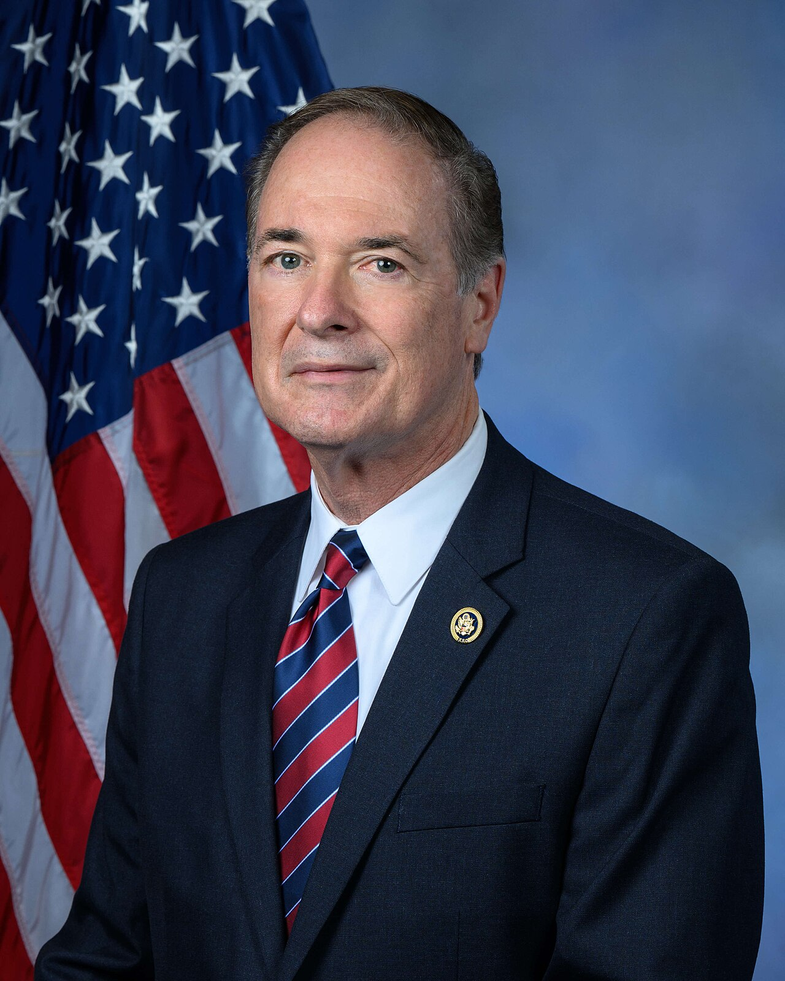
Sponsor
-
TrackBrian Babin
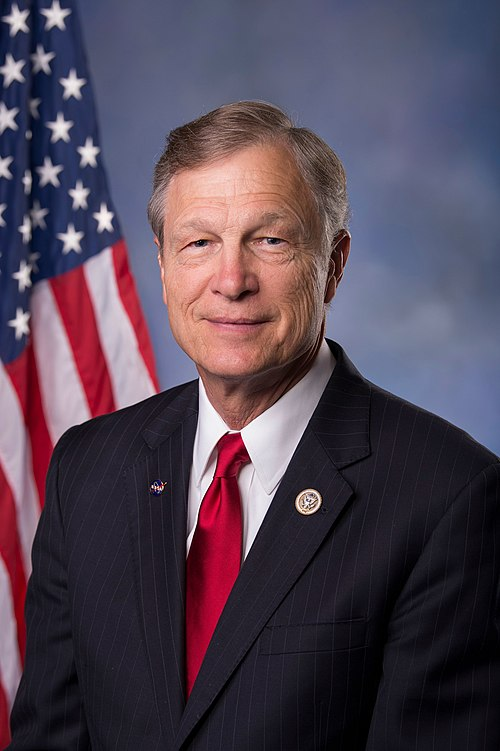
Co-Sponsor
-
TrackNanette Diaz Barragán
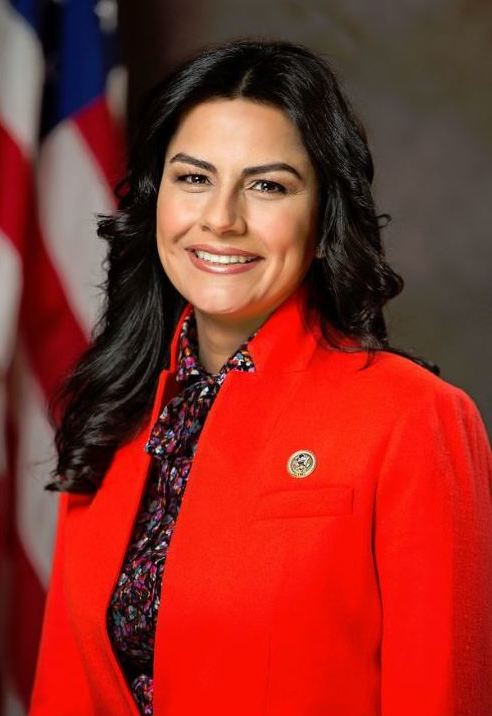
Co-Sponsor
-
TrackAmi Bera
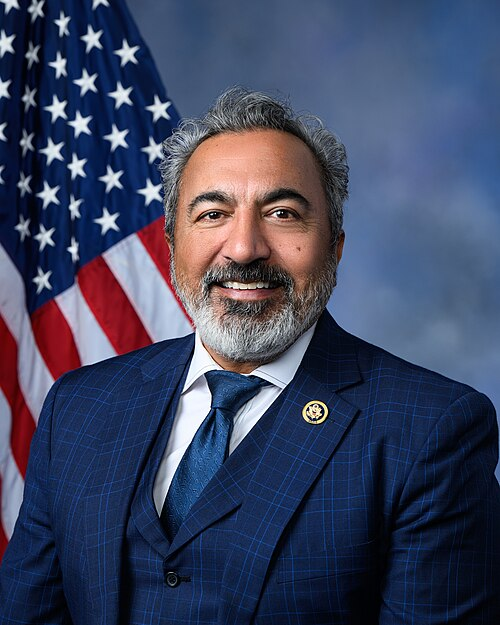
Co-Sponsor
-
TrackSheri Biggs
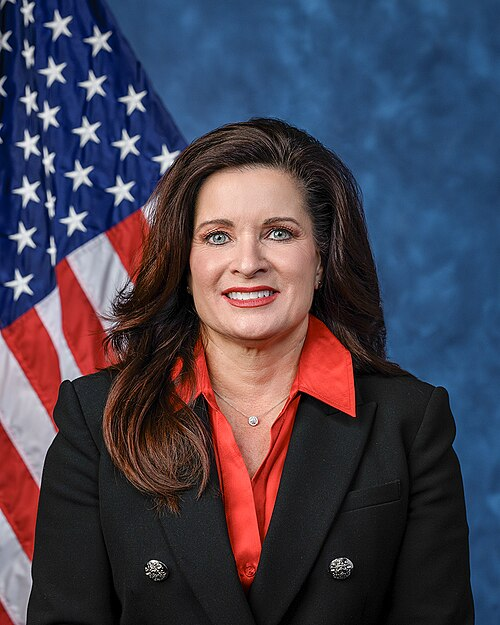
Co-Sponsor
-
TrackGus M. Bilirakis
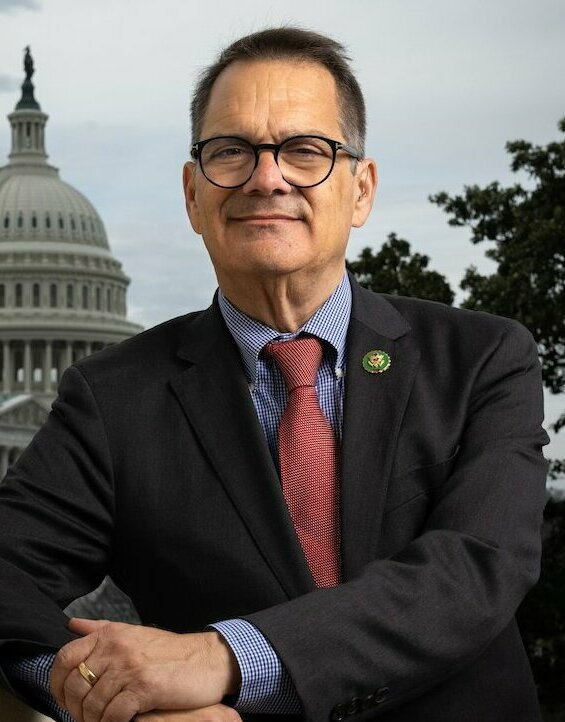
Co-Sponsor
-
TrackSanford D. Bishop, Jr.
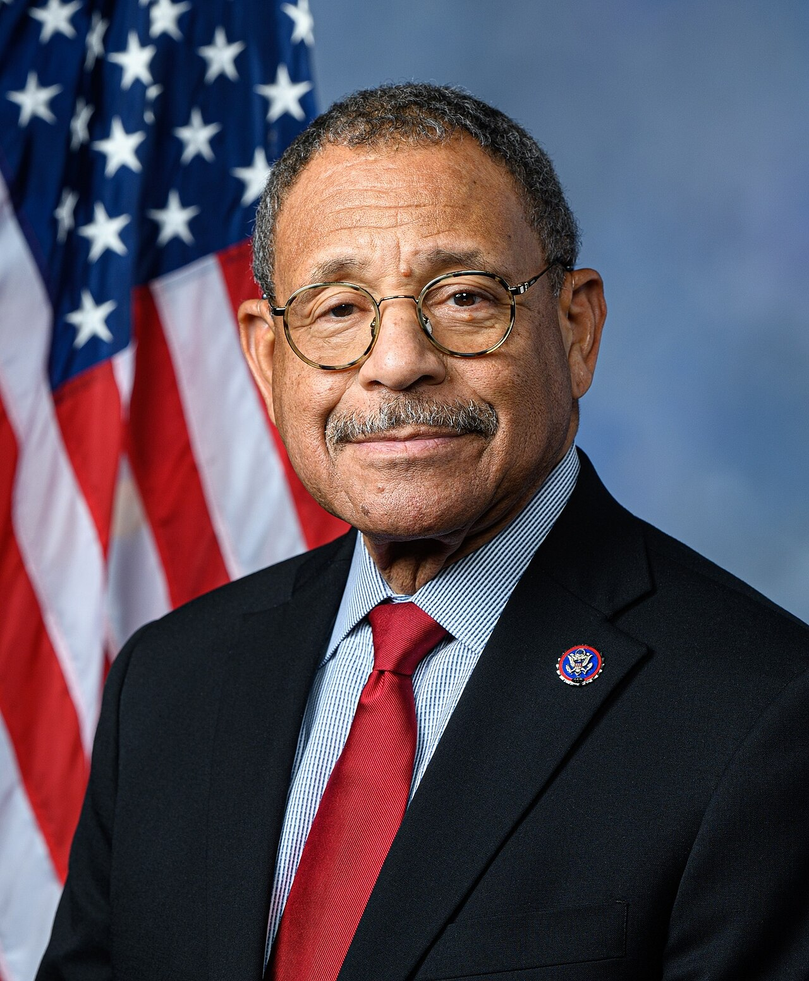
Co-Sponsor
-
TrackNikki Budzinski
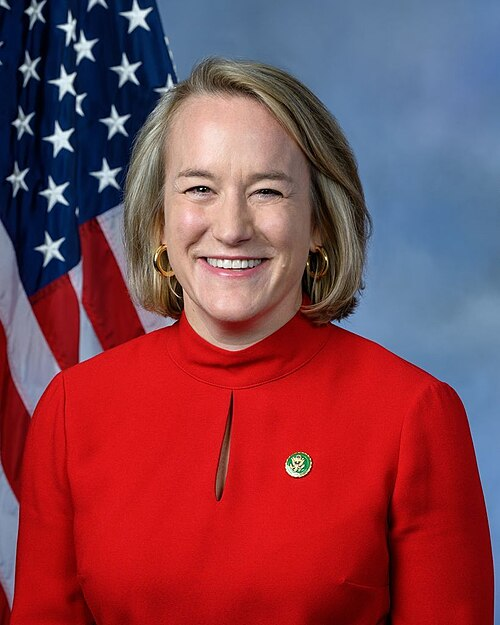
Co-Sponsor
-
TrackJanelle Bynum
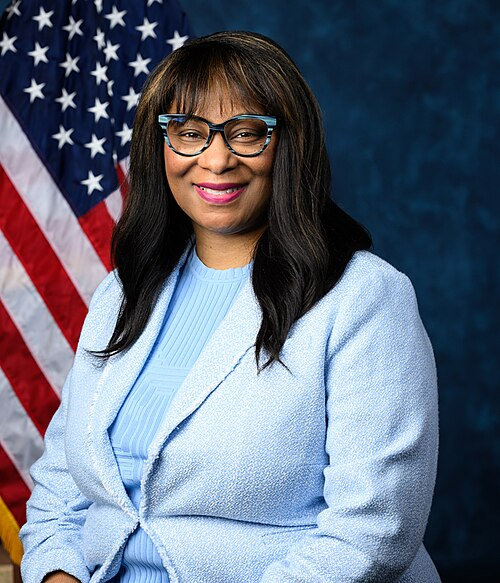
Co-Sponsor
-
TrackSalud O. Carbajal
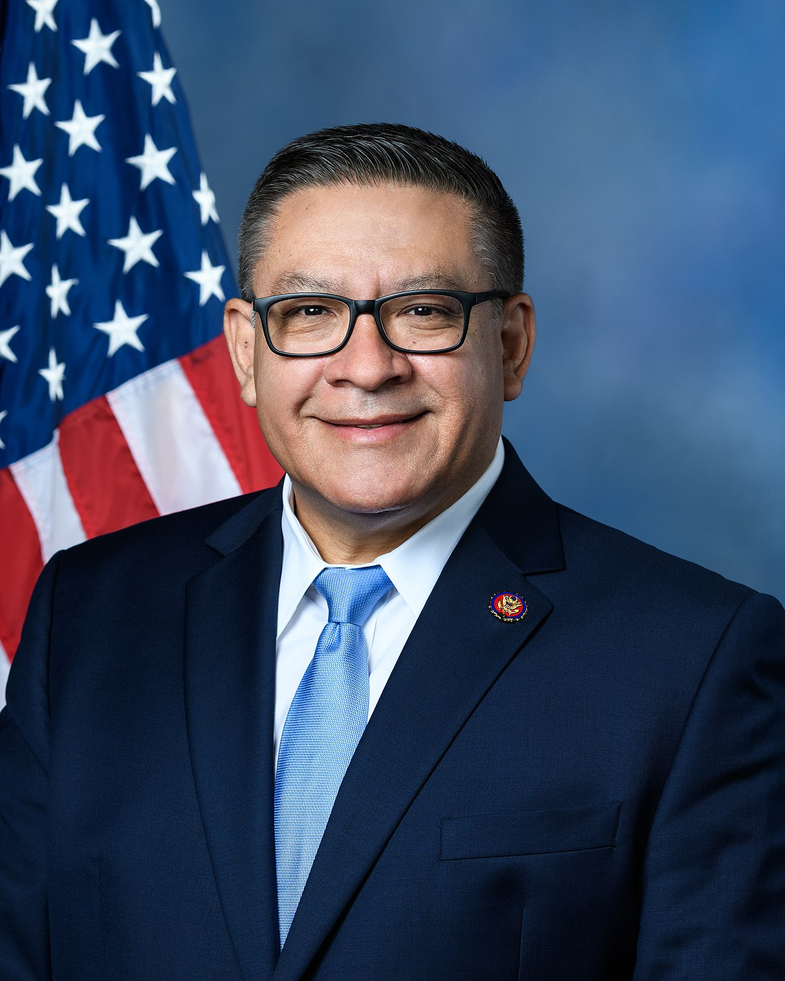
Co-Sponsor
-
TrackTroy A. Carter
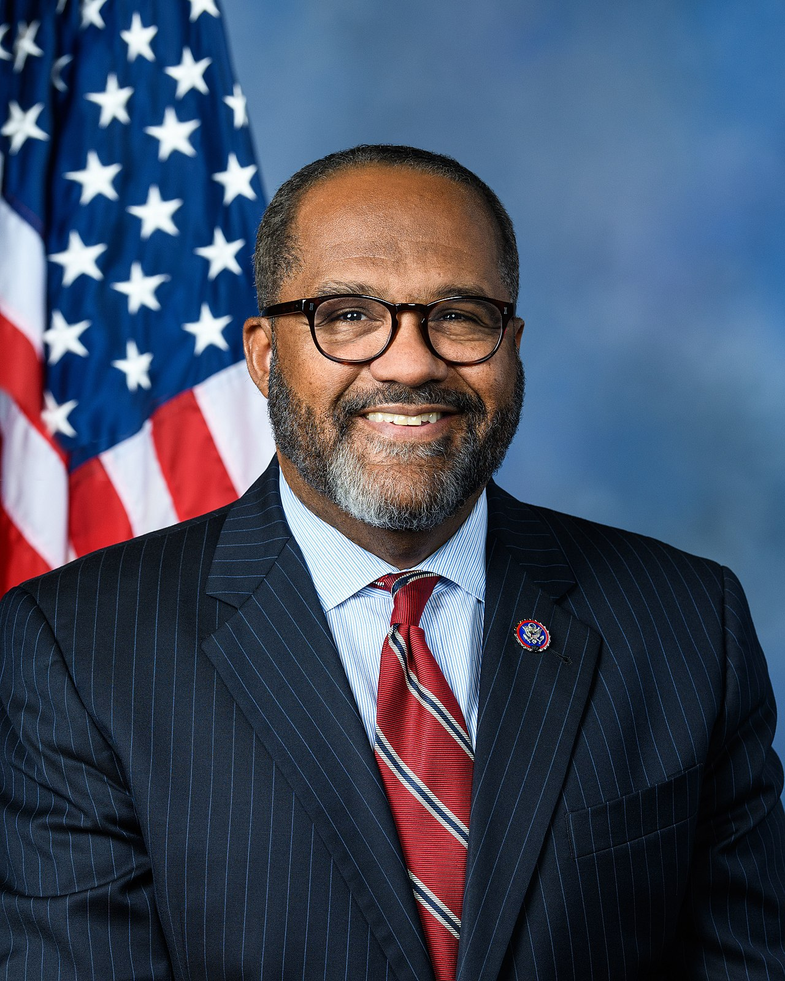
Co-Sponsor
-
TrackEarl L. "Buddy" Carter
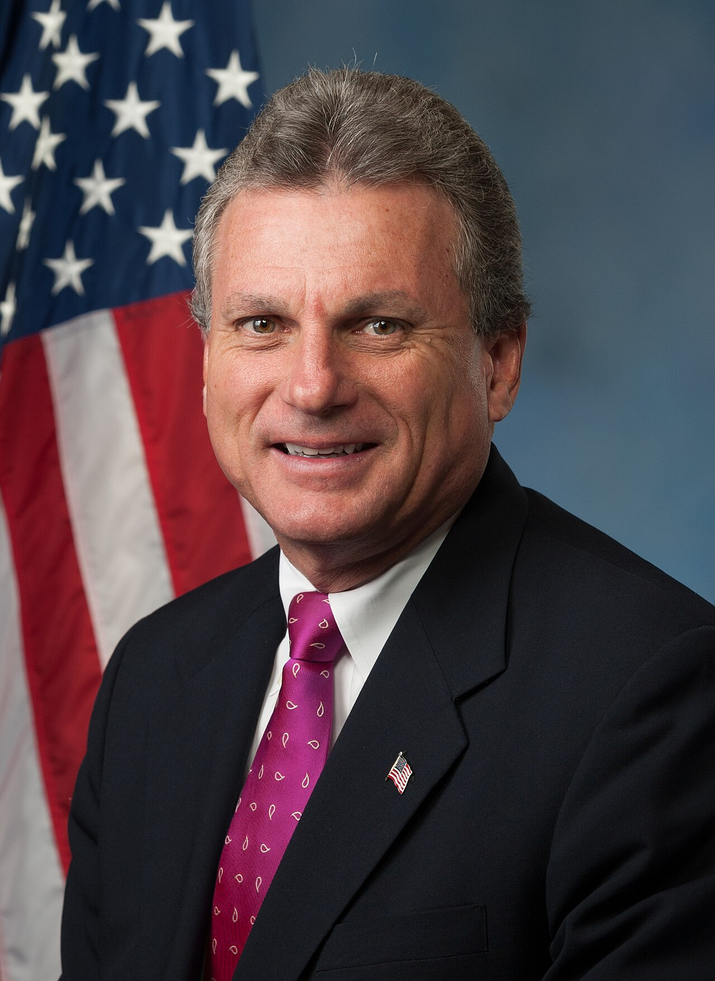
Co-Sponsor
-
TrackJudy Chu
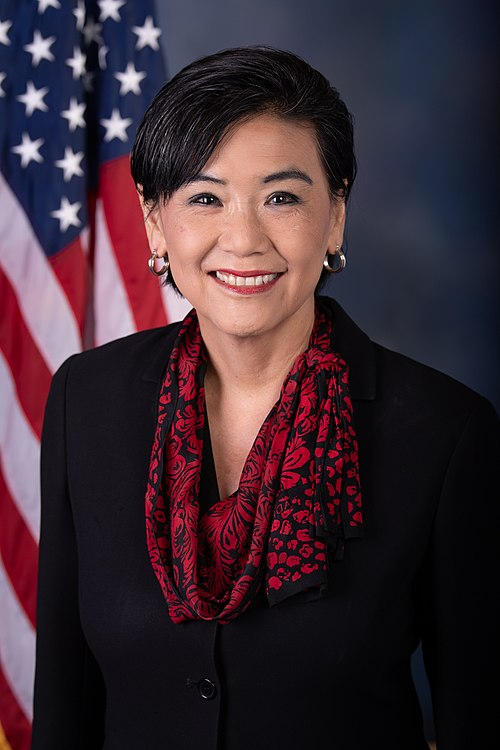
Co-Sponsor
-
TrackHerbert Conaway
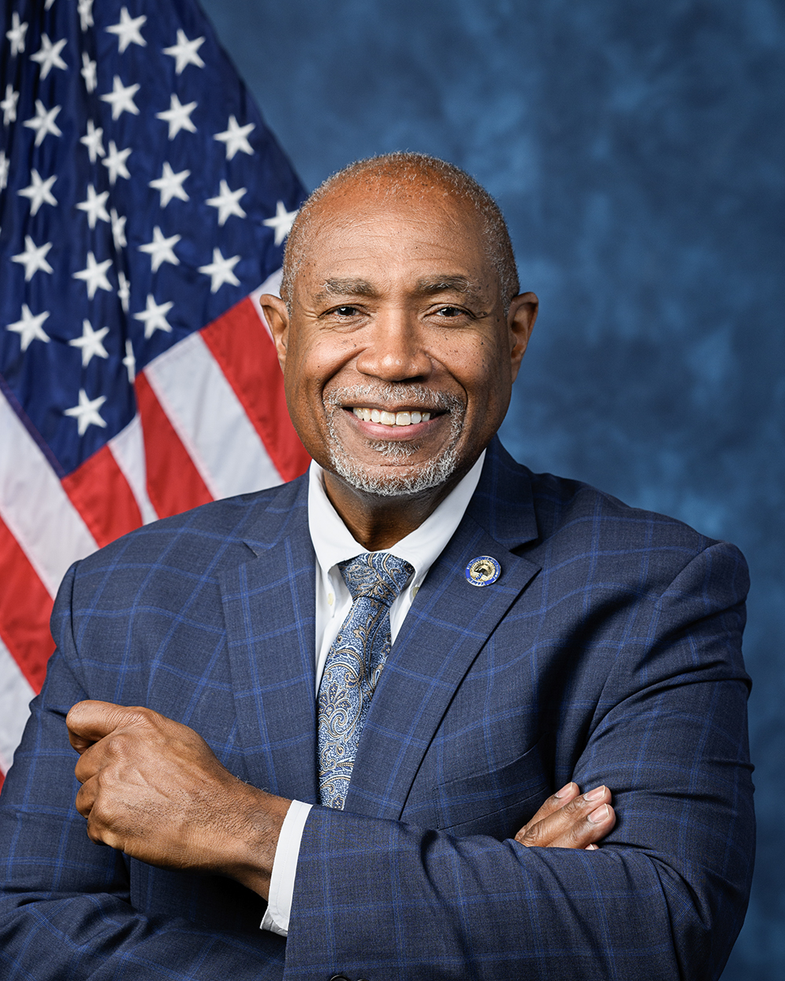
Co-Sponsor
-
TrackJ. Luis Correa
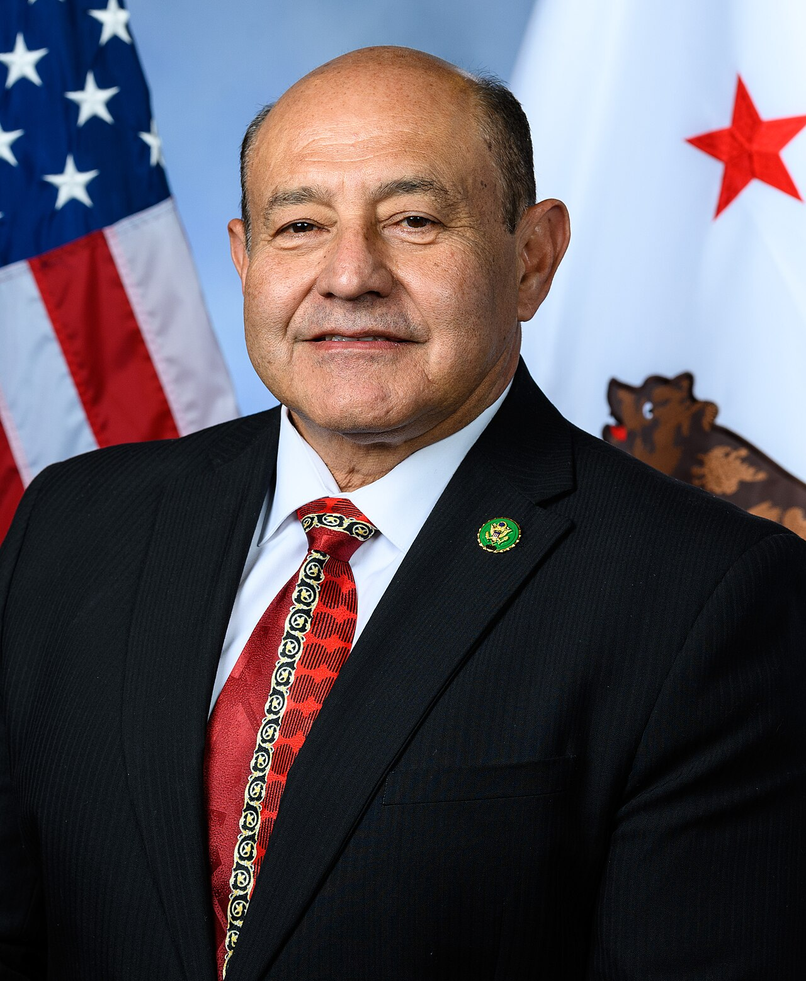
Co-Sponsor
-
TrackSharice Davids
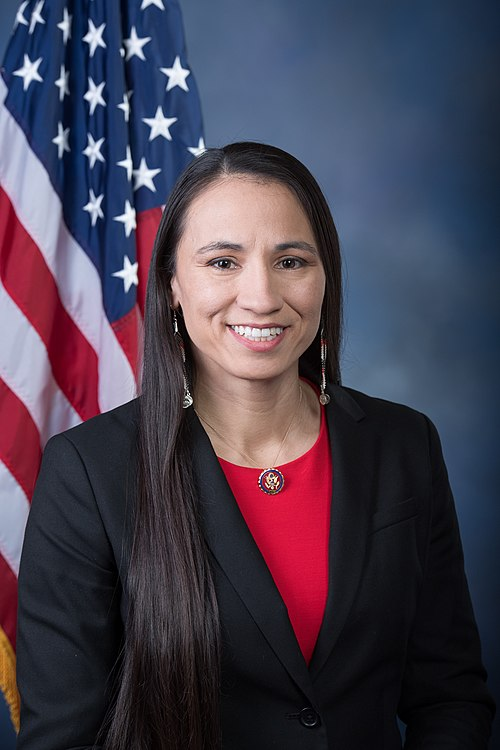
Co-Sponsor
-
TrackSuzan K. DelBene
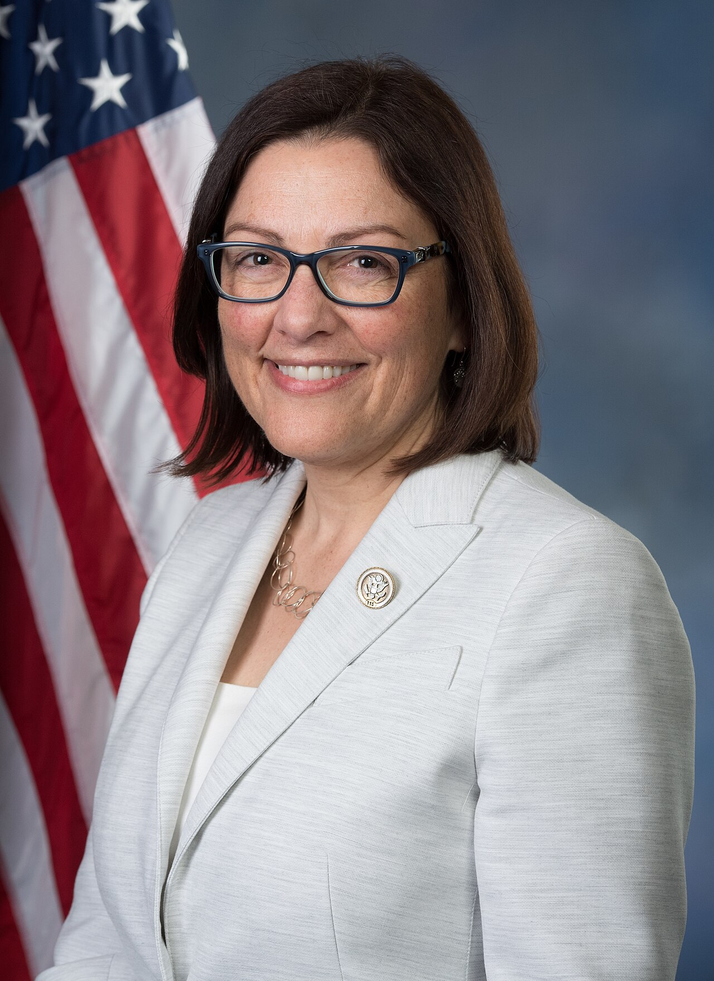
Co-Sponsor
-
TrackScott DesJarlais
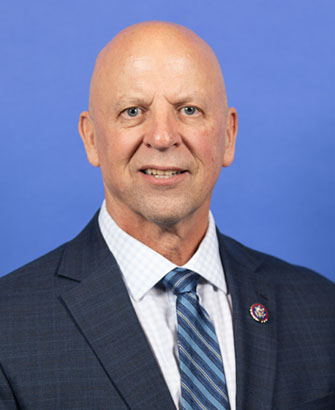
Co-Sponsor
-
TrackMaxine Dexter
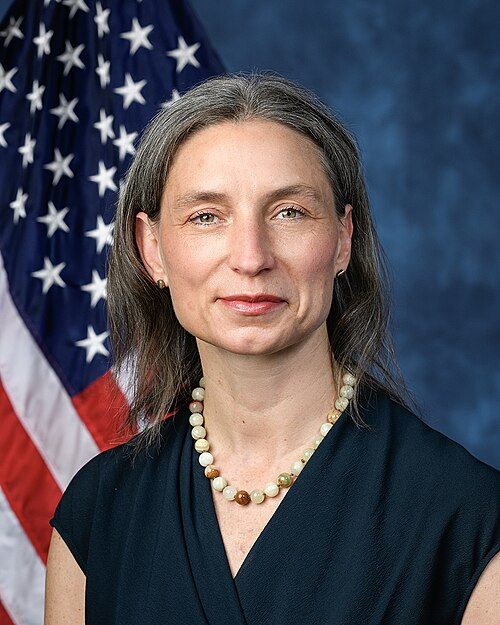
Co-Sponsor
-
TrackDebbie Dingell
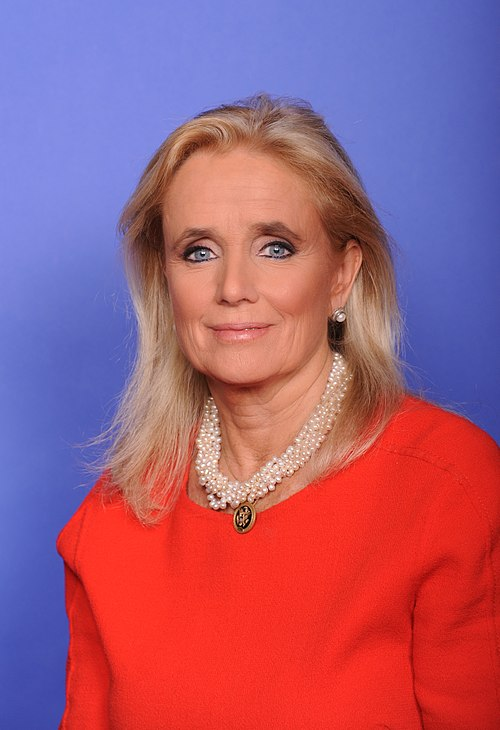
Co-Sponsor
-
TrackNeal P. Dunn
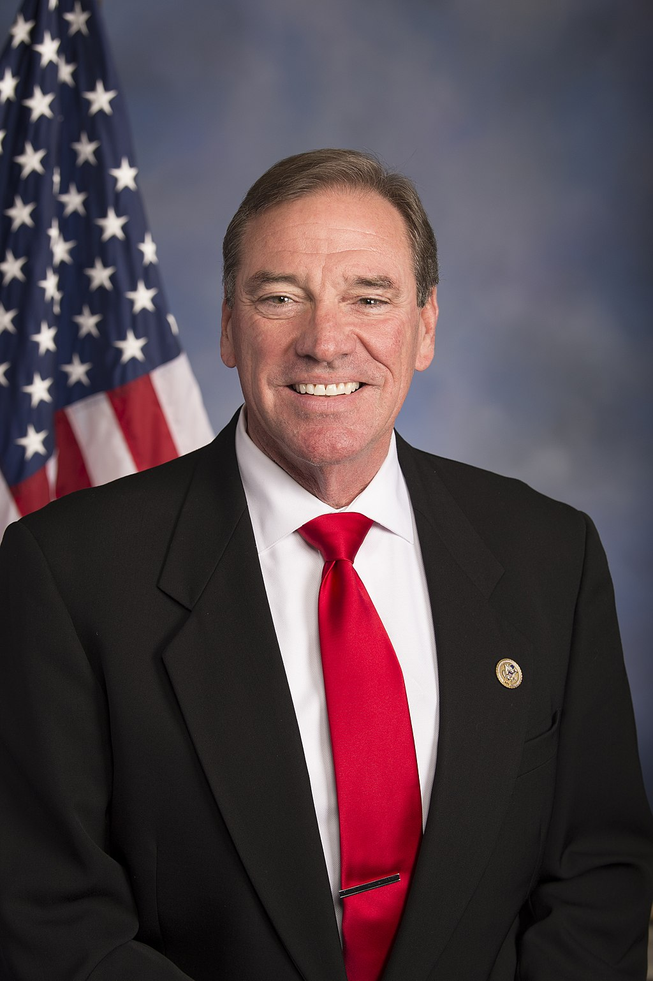
Co-Sponsor
-
TrackBrad Finstad
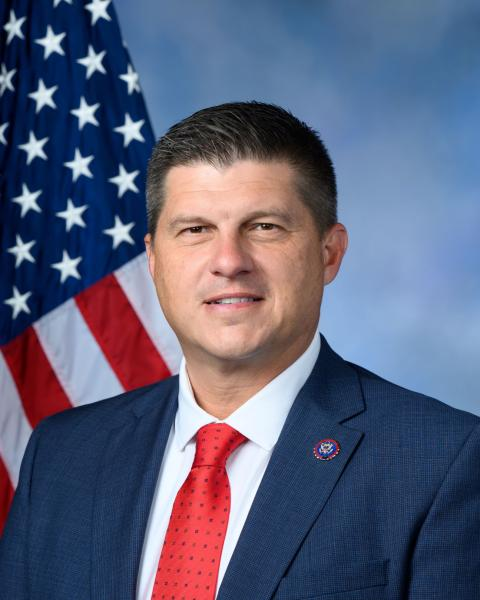
Co-Sponsor
-
TrackBrian K. Fitzpatrick
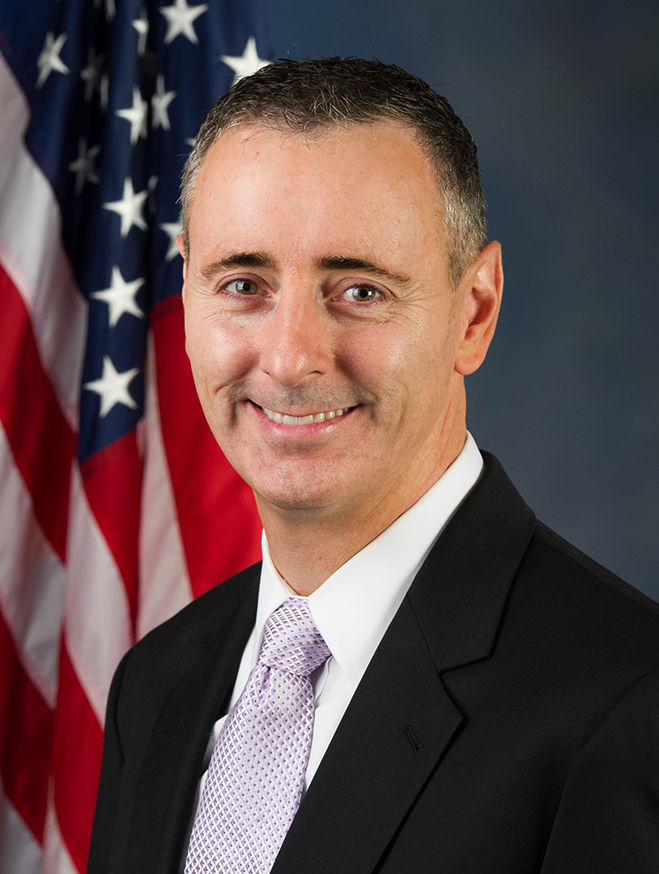
Co-Sponsor
-
TrackLizzie Fletcher
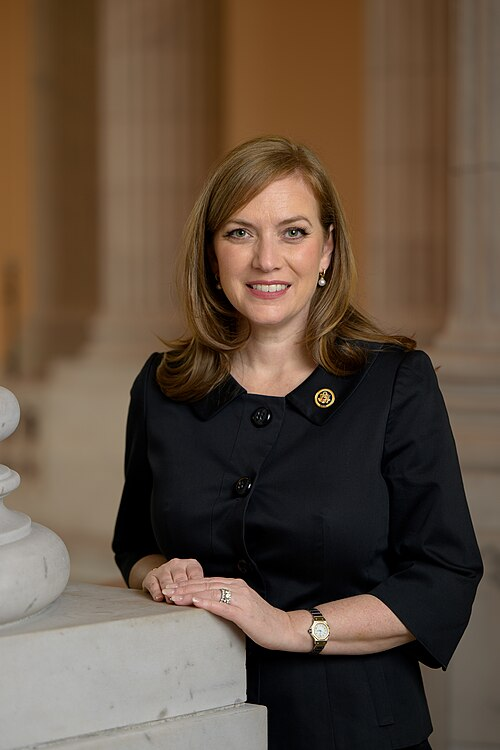
Co-Sponsor
-
TrackVicente Gonzalez
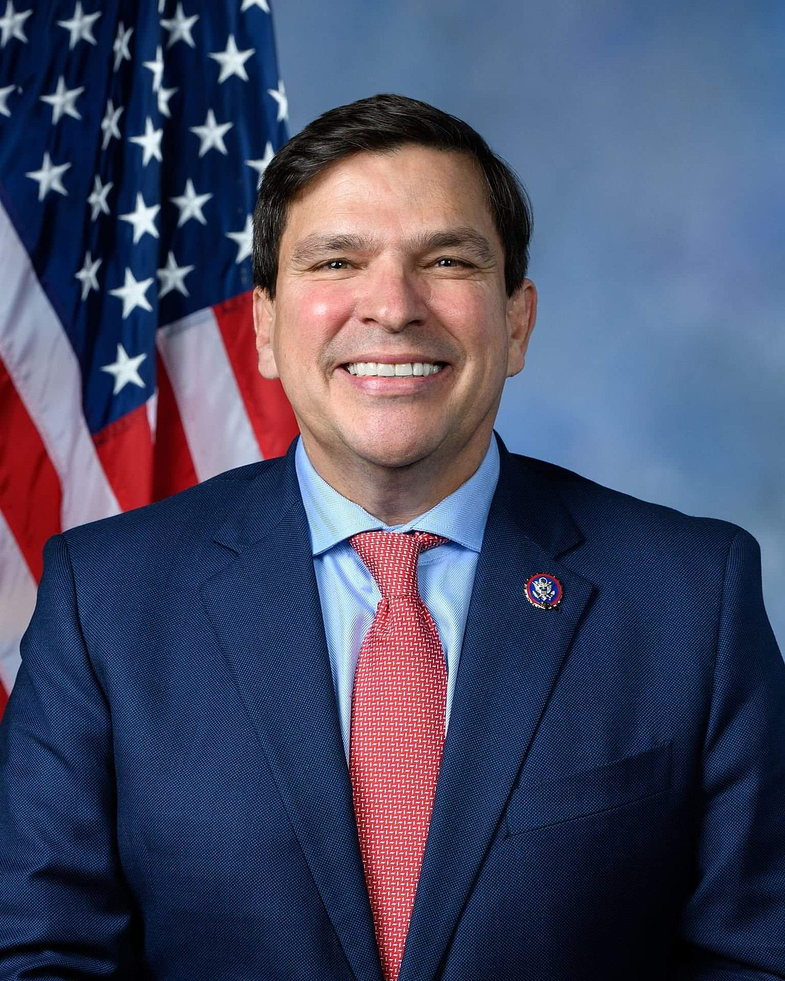
Co-Sponsor
-
TrackMaggie Goodlander
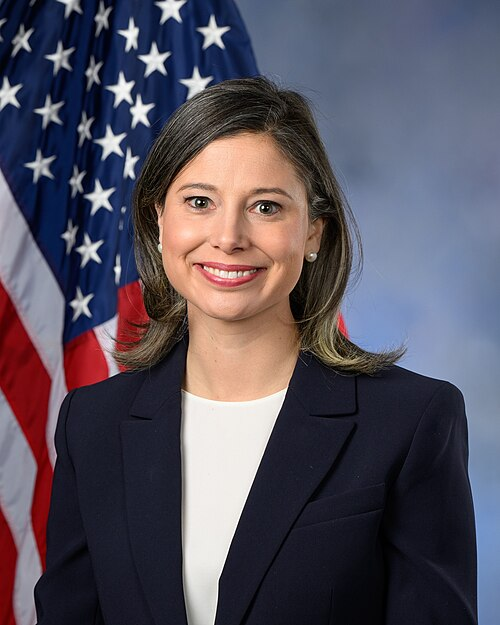
Co-Sponsor
-
TrackAndy Harris
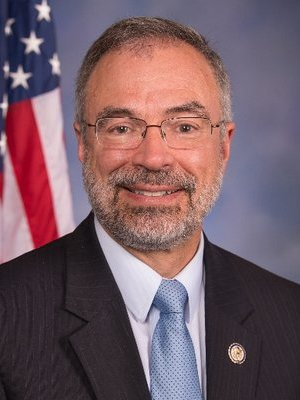
Co-Sponsor
-
TrackDiana Harshbarger
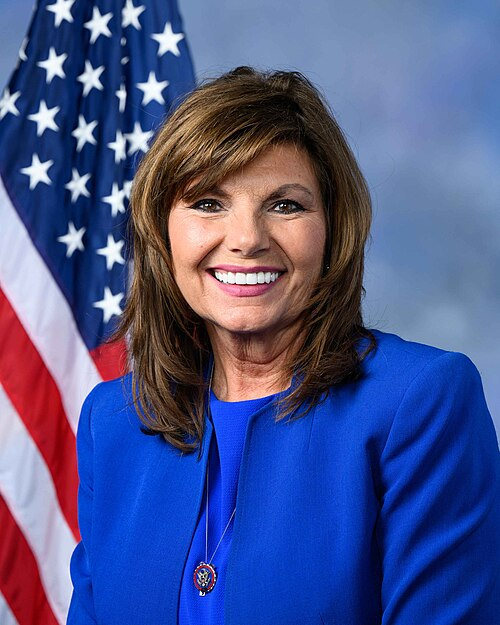
Co-Sponsor
-
TrackAshley Hinson
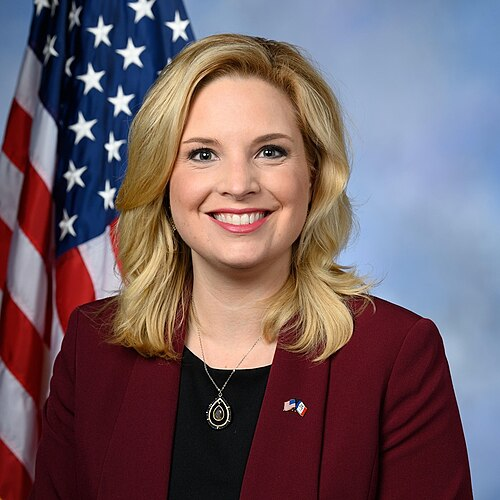
Co-Sponsor
-
TrackErin Houchin
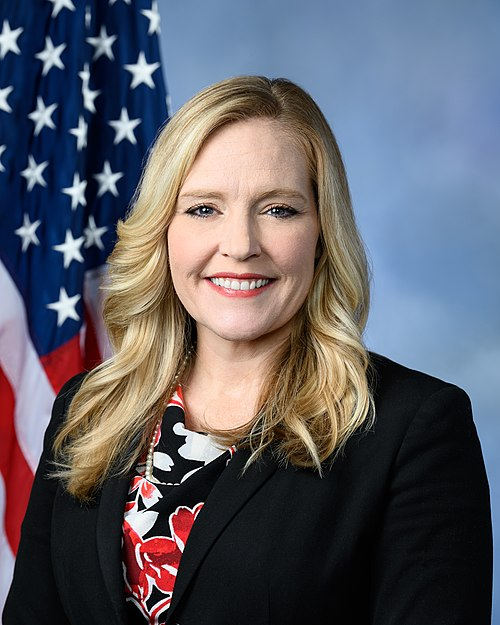
Co-Sponsor
-
TrackChrissy Houlahan
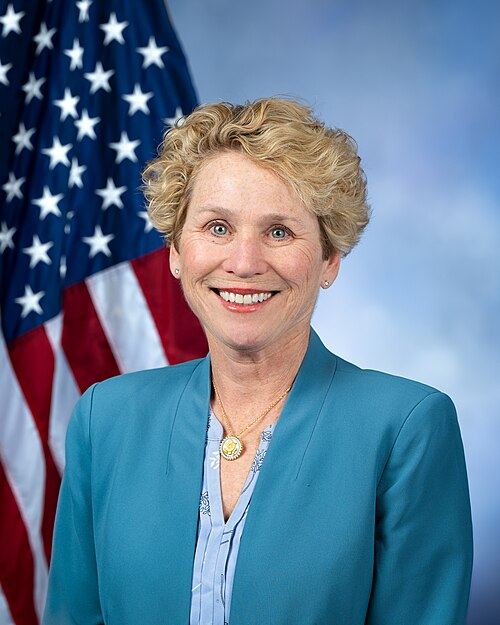
Co-Sponsor
-
TrackWilliam R. Keating
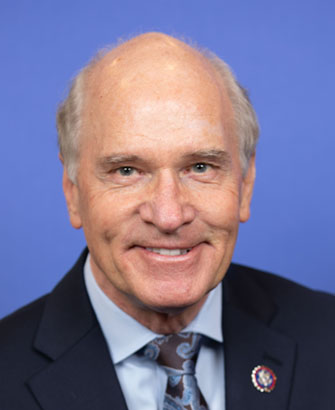
Co-Sponsor
-
TrackRobin L. Kelly
Co-Sponsor
-
TrackMike Kennedy
Co-Sponsor
-
TrackTimothy M. Kennedy
Co-Sponsor
-
TrackDarin LaHood
Co-Sponsor
-
TrackGreg Landsman
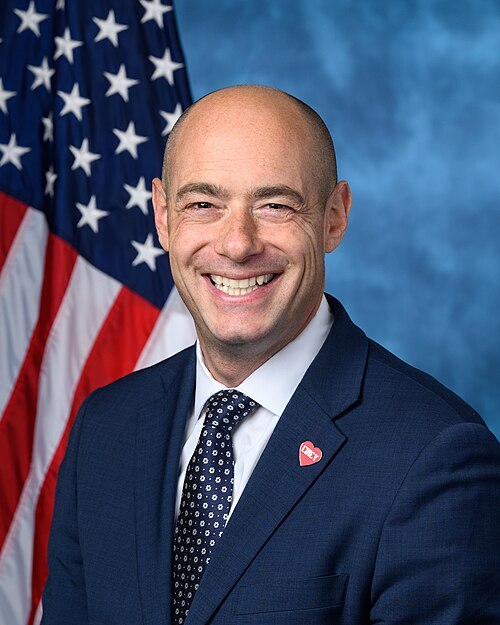
Co-Sponsor
-
TrackMike Levin
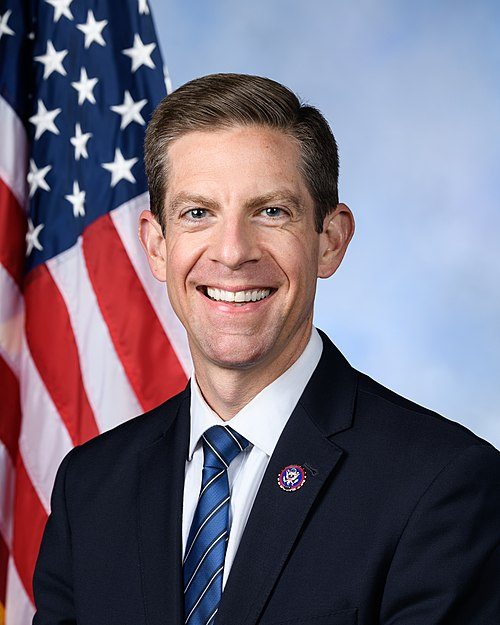
Co-Sponsor
-
TrackZoe Lofgren
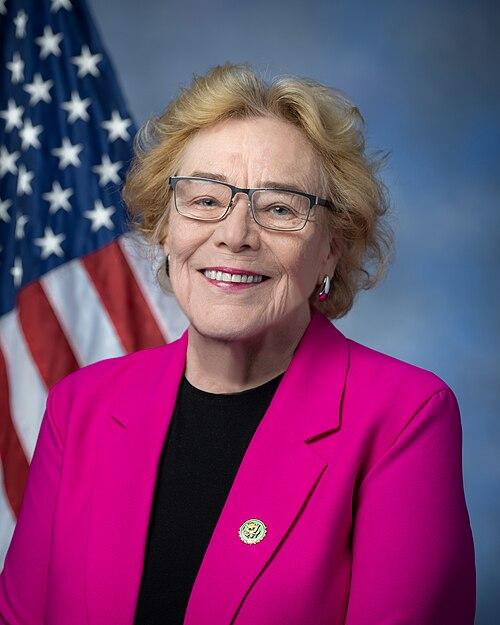
Co-Sponsor
-
TrackSarah McBride
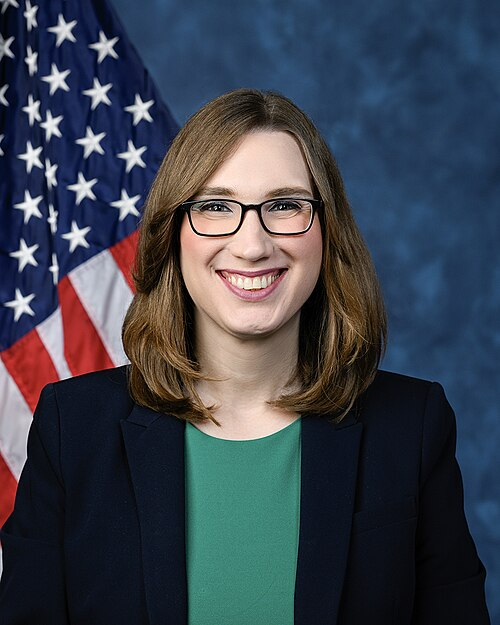
Co-Sponsor
-
TrackRichard McCormick
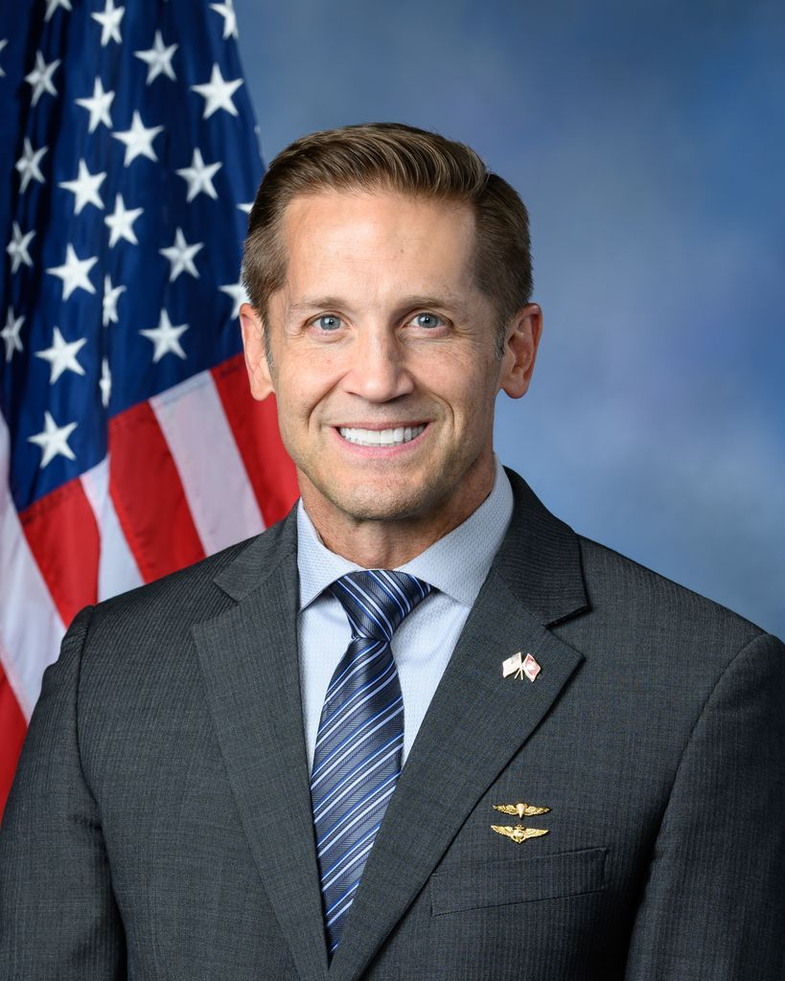
Co-Sponsor
-
TrackDaniel Meuser
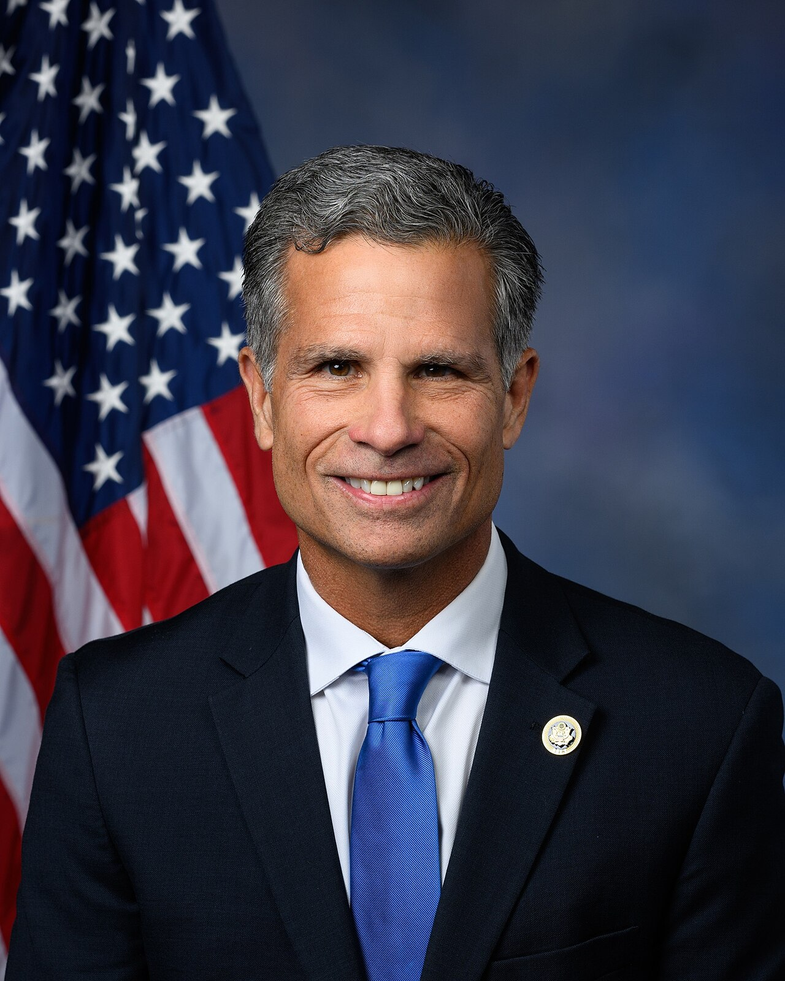
Co-Sponsor
-
TrackCarol D. Miller
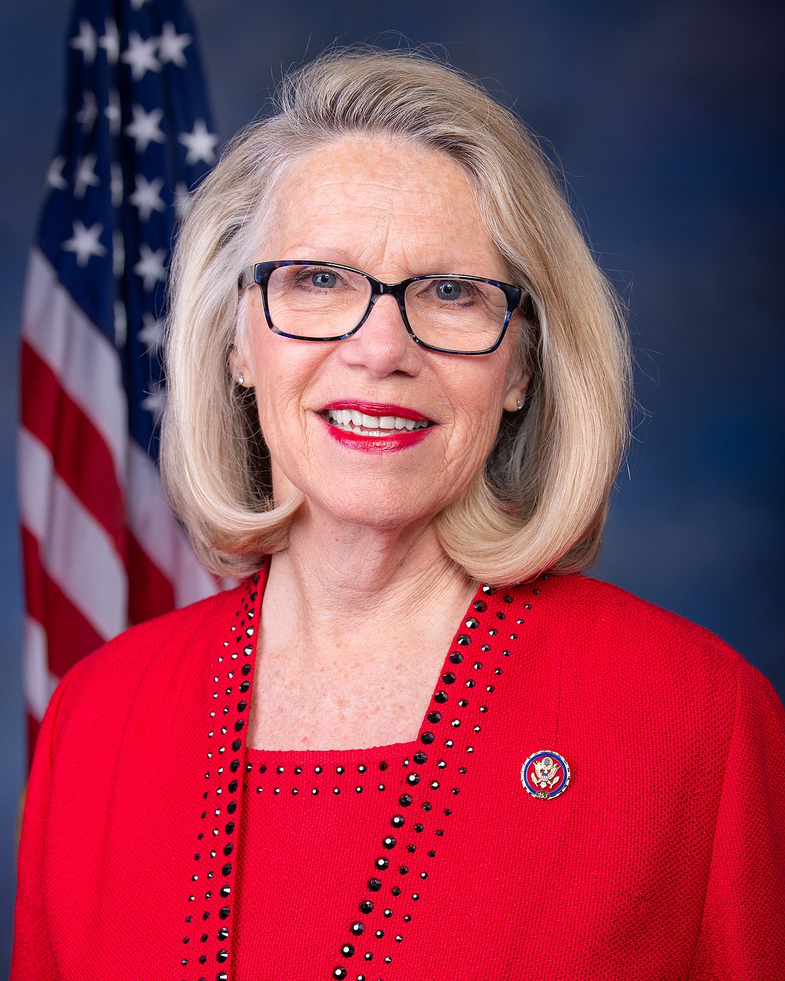
Co-Sponsor
-
TrackMariannette Miller-Meeks
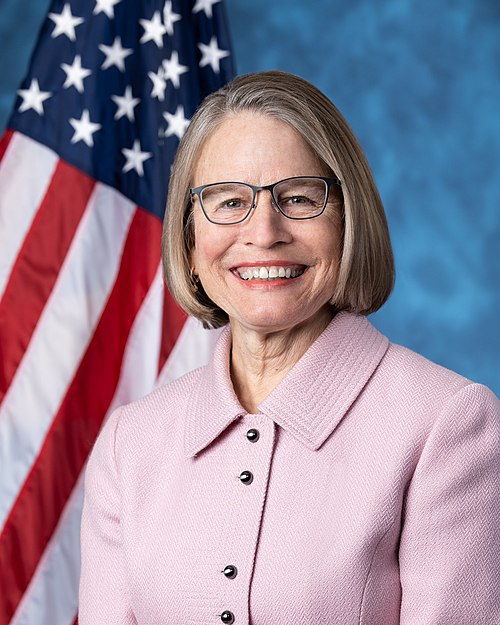
Co-Sponsor
-
TrackTim Moore
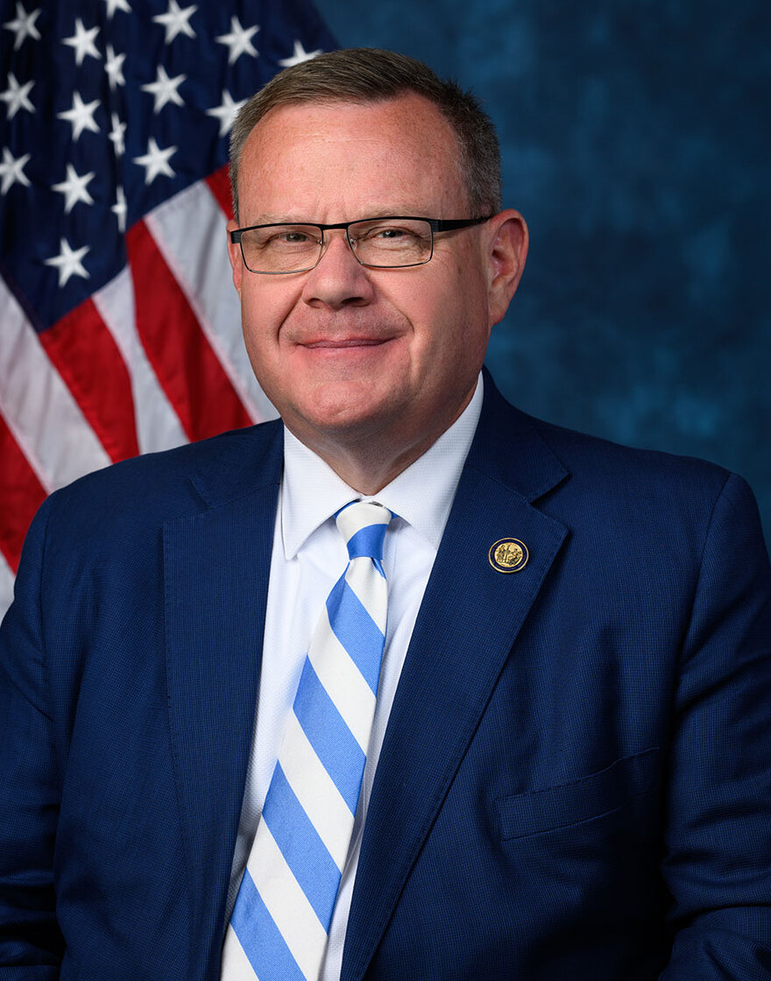
Co-Sponsor
-
TrackJoseph D. Morelle
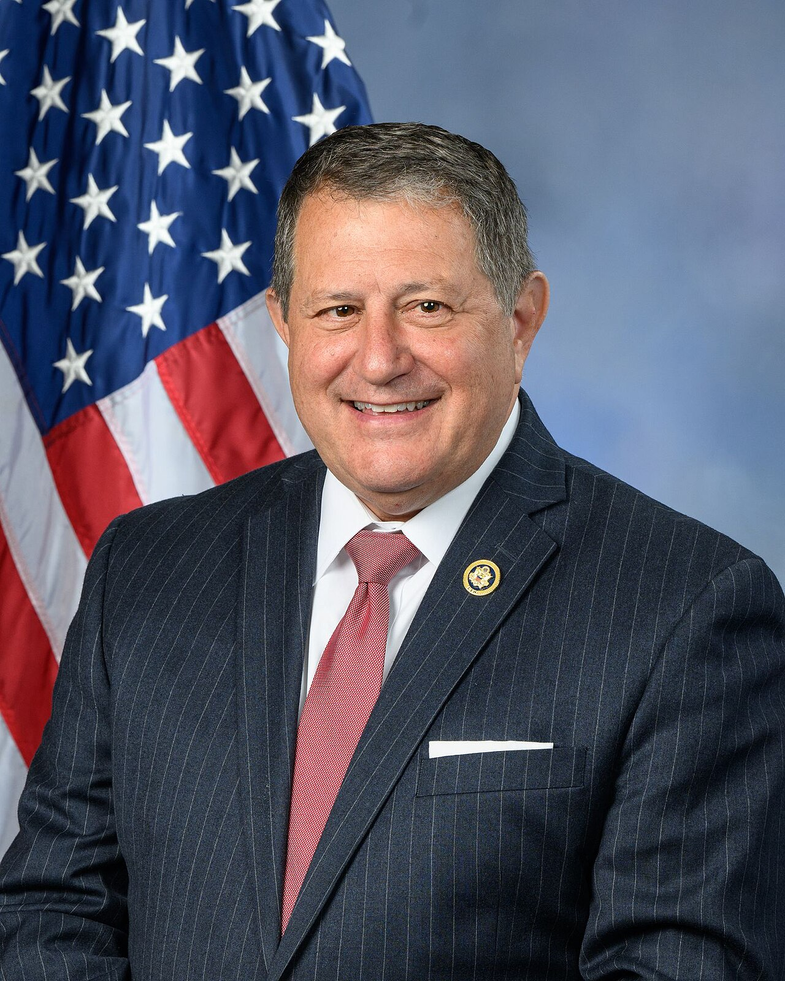
Co-Sponsor
-
TrackKelly Morrison
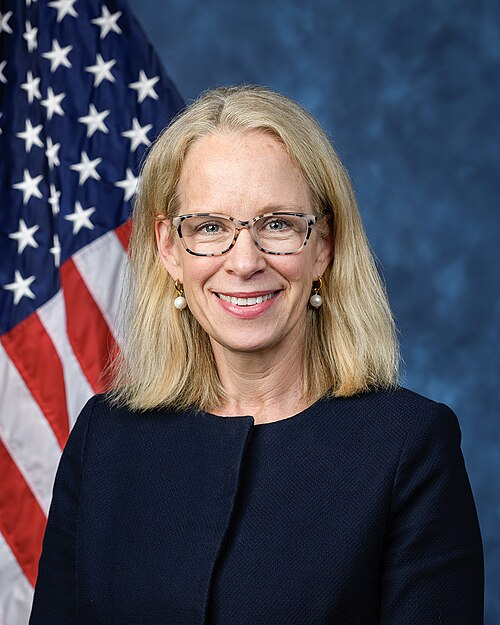
Co-Sponsor
-
TrackGregory F. Murphy
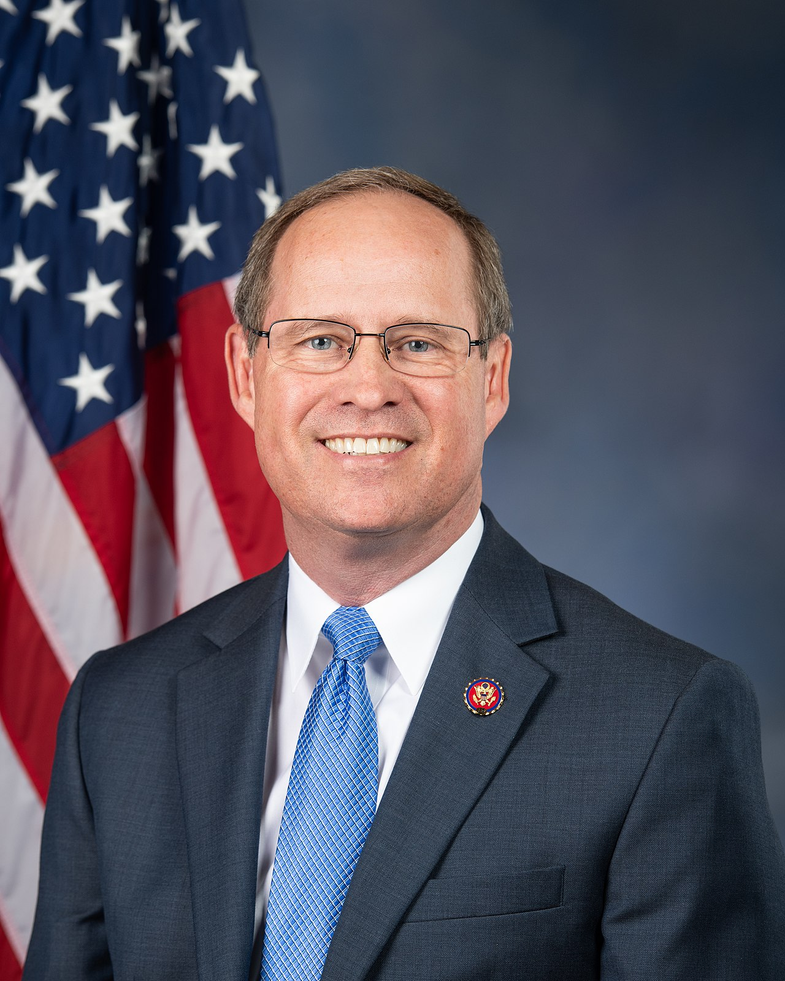
Co-Sponsor
-
TrackEleanor Holmes Norton
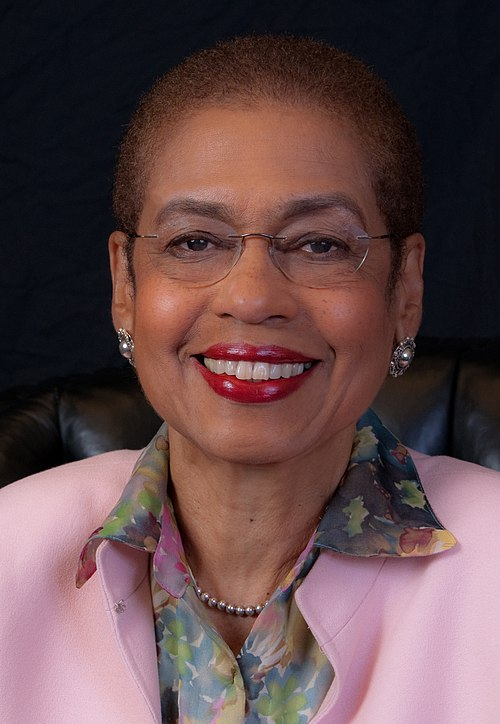
Co-Sponsor
-
TrackRobert Onder
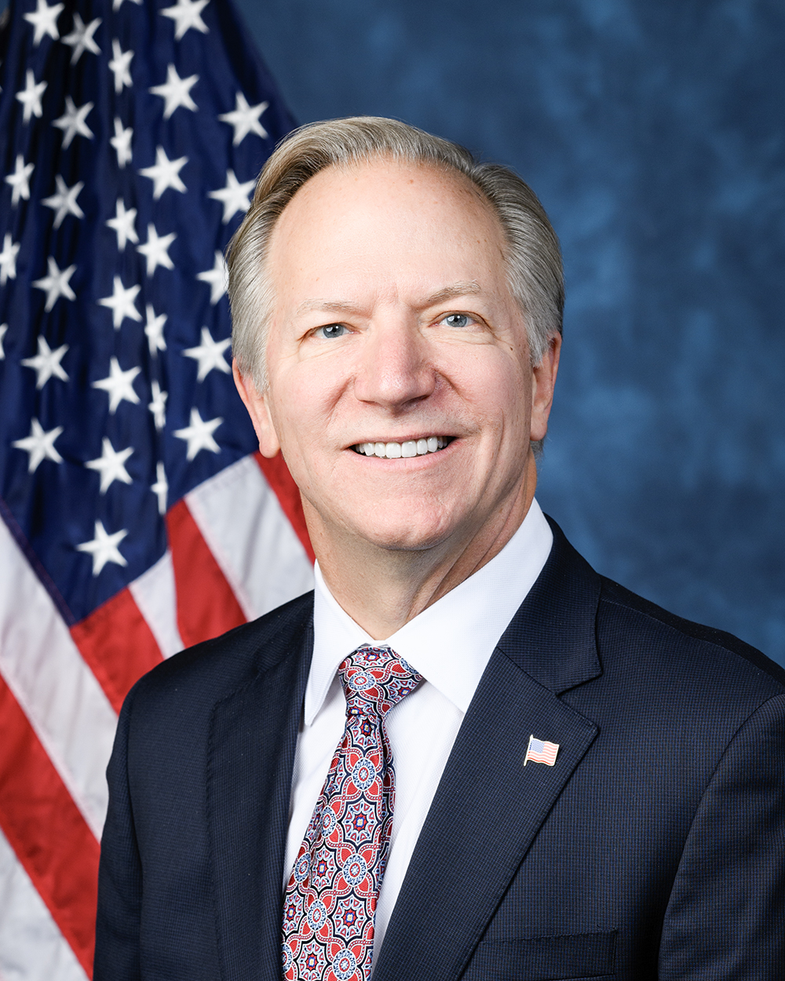
Co-Sponsor
-
TrackJimmy Panetta
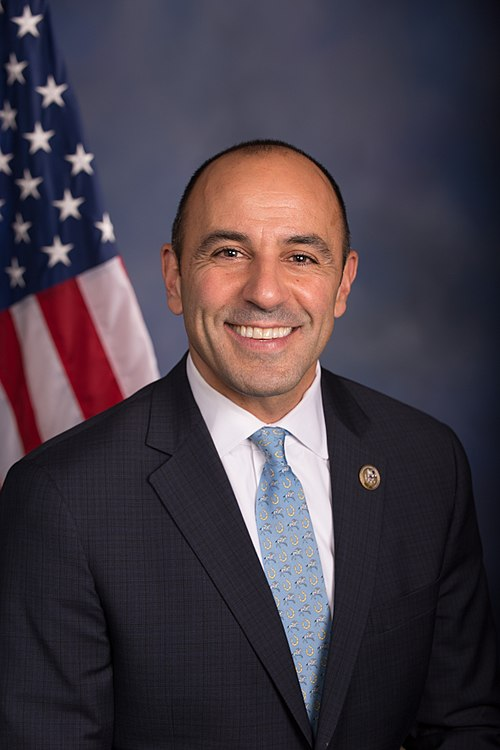
Co-Sponsor
-
TrackScott H. Peters
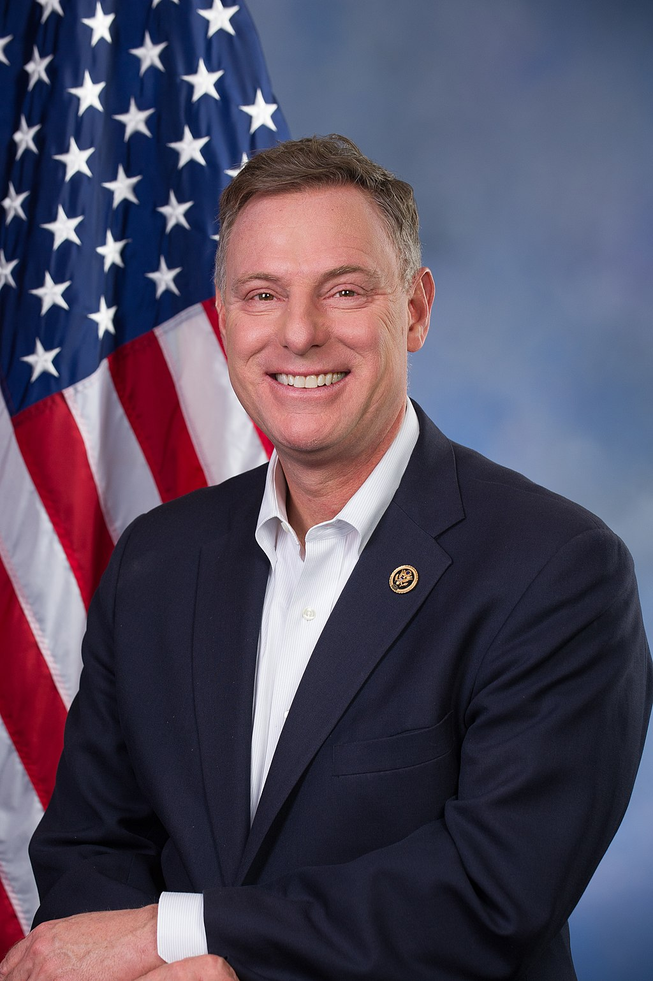
Co-Sponsor
-
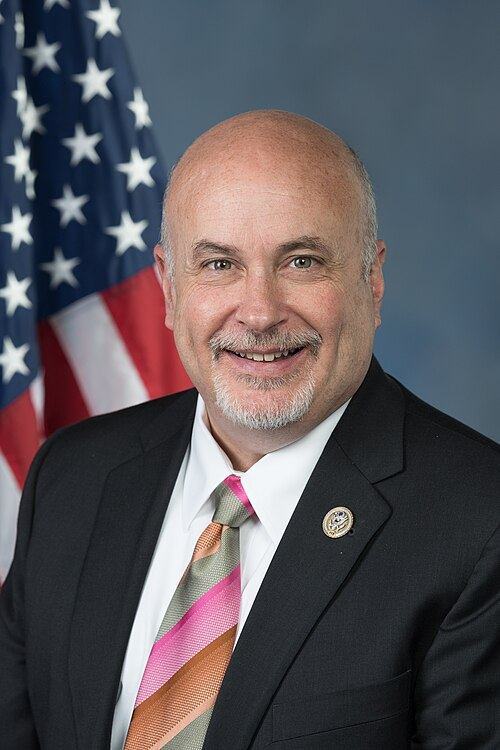
TrackMark Pocan
Co-Sponsor
-
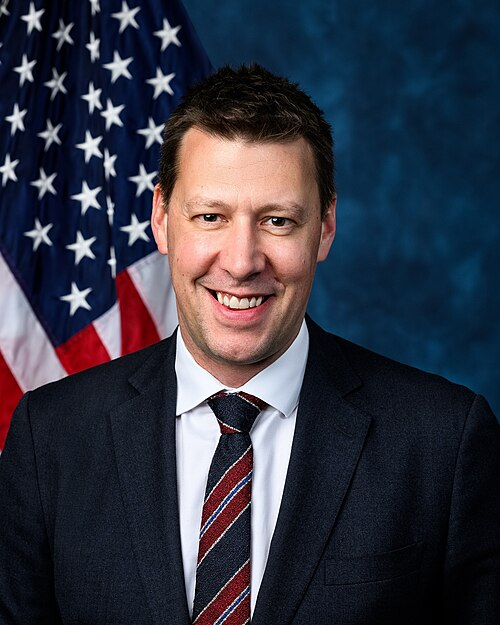
TrackJosh Riley
Co-Sponsor
-
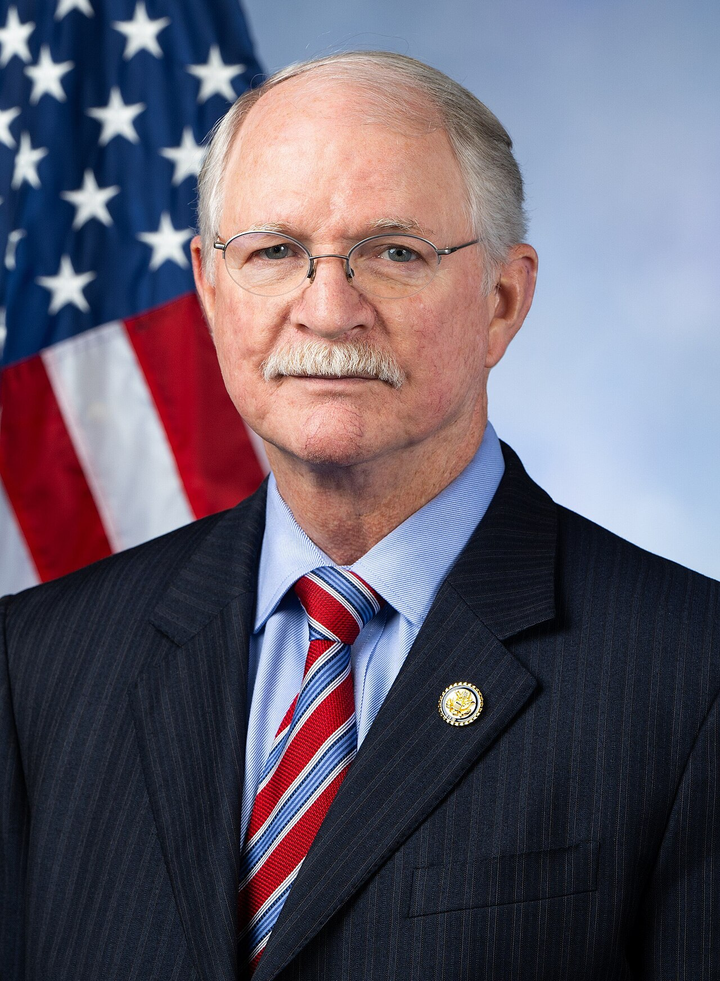
TrackJohn H. Rutherford
Co-Sponsor
-
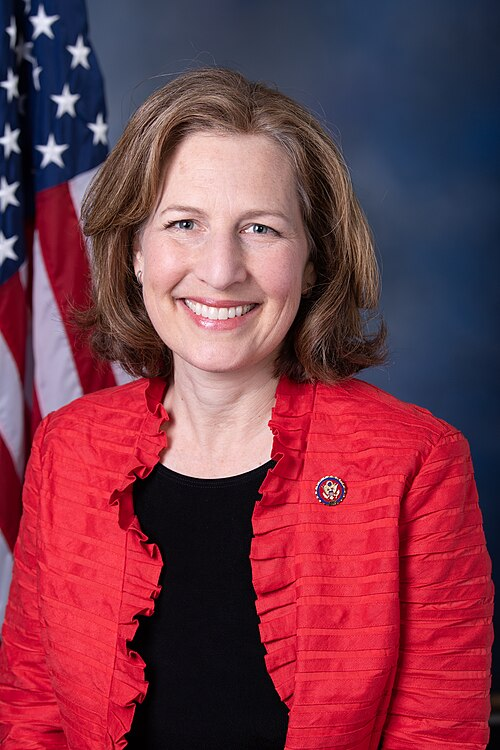
TrackKim Schrier
Co-Sponsor
-
TrackTerri A. Sewell
Co-Sponsor
-
TrackEric Sorensen
Co-Sponsor
-
TrackThomas R. Suozzi
Co-Sponsor
-
TrackShri Thanedar
Co-Sponsor
-
TrackBennie G. Thompson
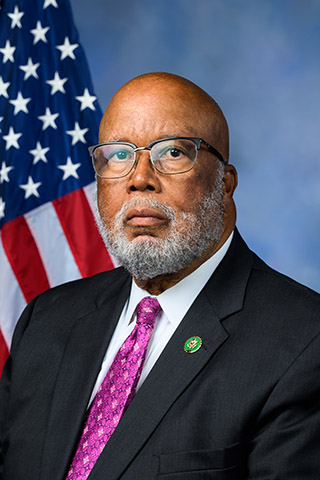
Co-Sponsor
-
TrackLori Trahan
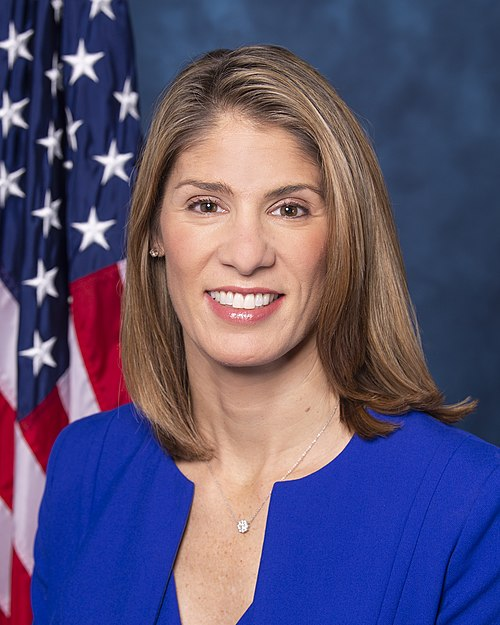
Co-Sponsor
-
TrackJefferson Van Drew
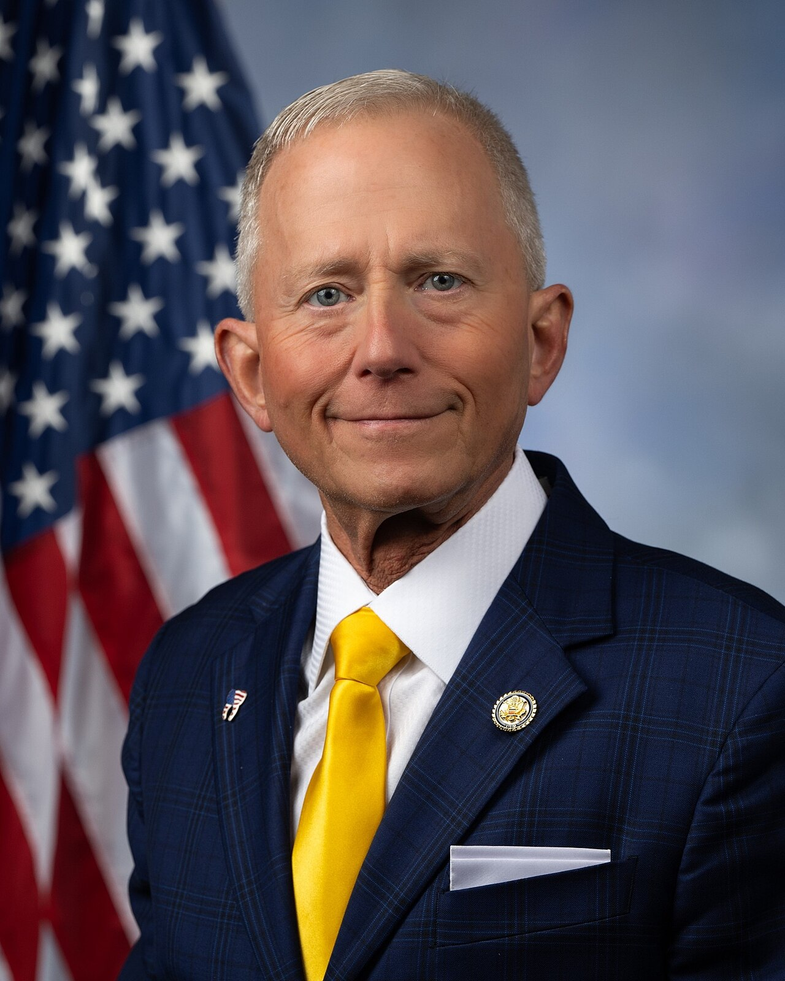
Co-Sponsor
-
TrackBeth Van Duyne
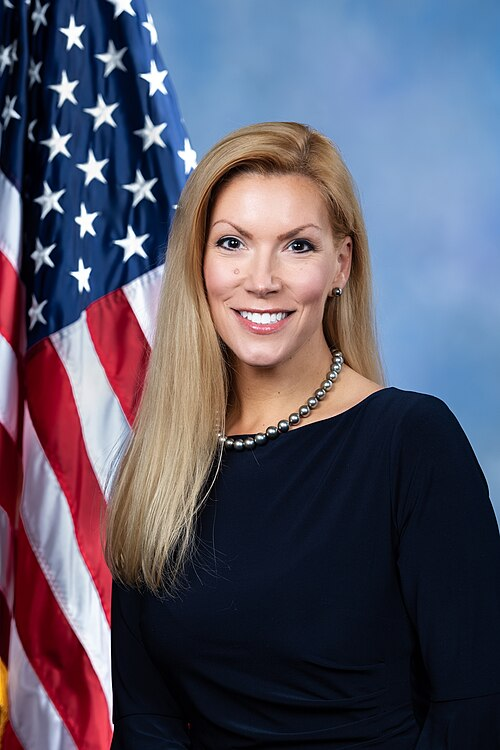
Co-Sponsor
-
TrackDerrick Van Orden
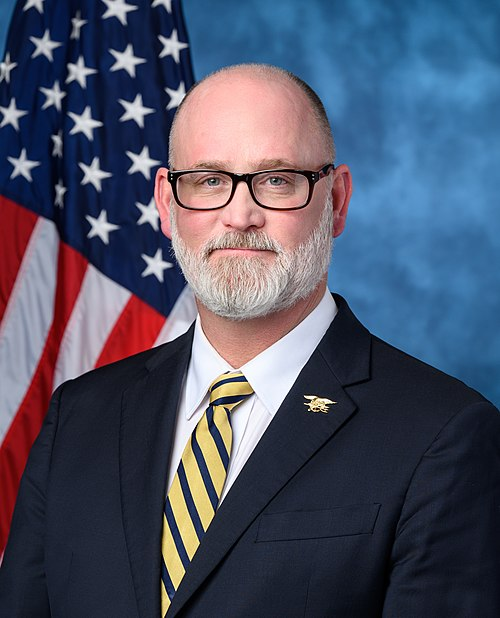
Co-Sponsor
-
TrackGabe Vasquez
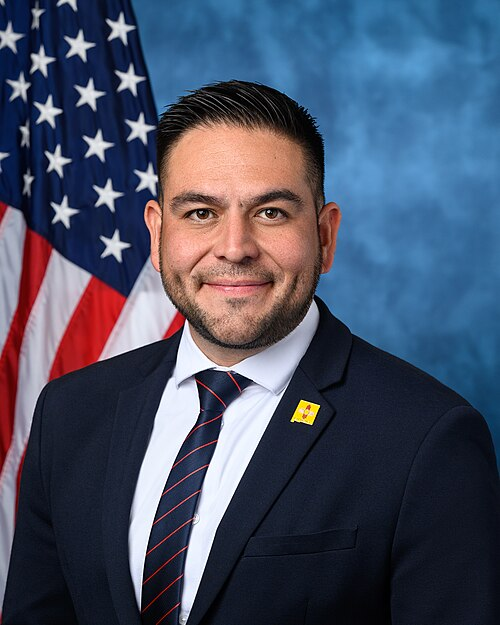
Co-Sponsor
-
TrackMarc A. Veasey
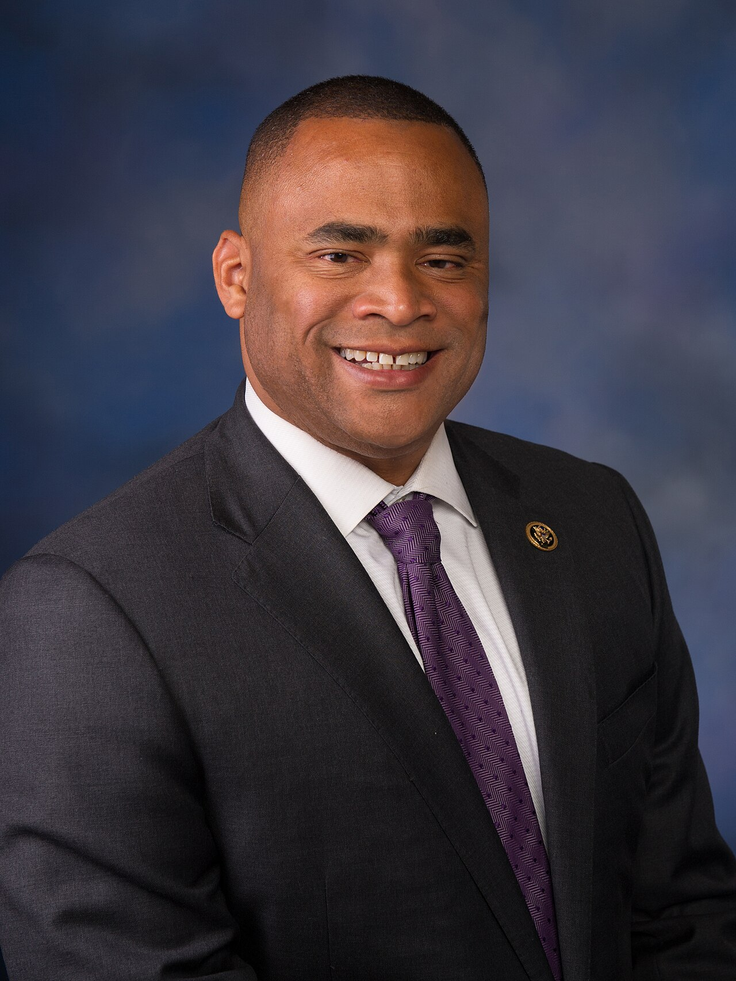
Co-Sponsor
-
TrackJames R. Walkinshaw

Co-Sponsor
-
TrackRandy K. Weber, Sr.
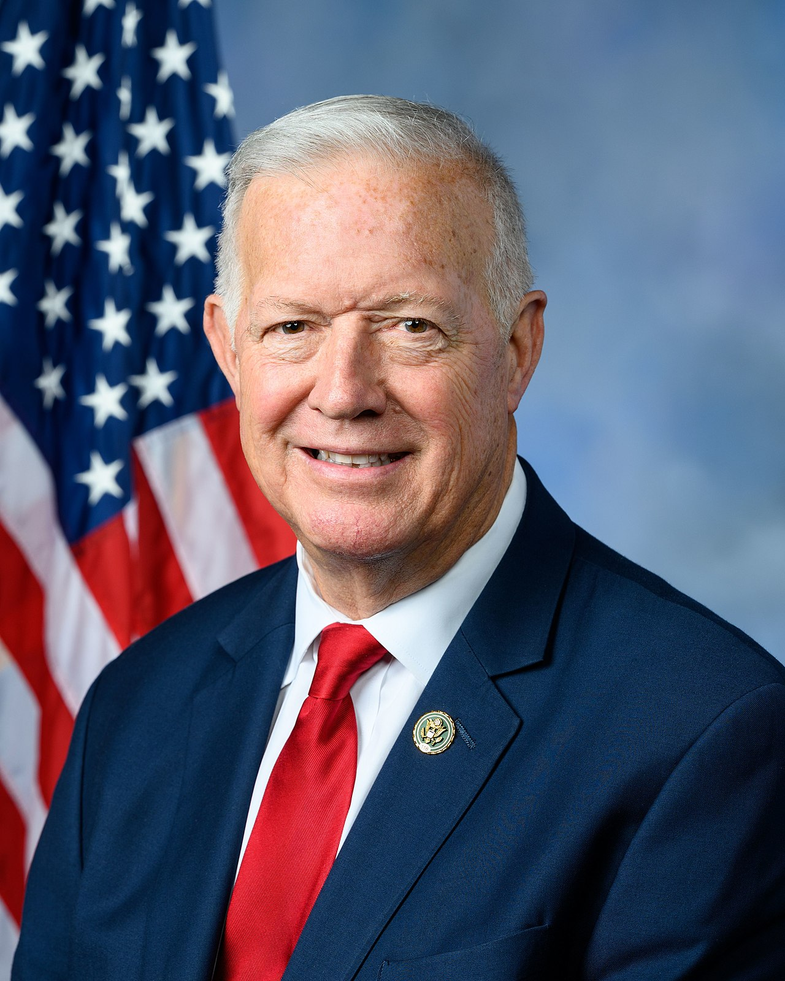
Co-Sponsor
-
Tracknan

Co-Sponsor
Actions
2 actions
| Date | Action |
|---|---|
| Jul. 15, 2026 | Introduced in House |
| Jul. 15, 2026 | Referred to the Committee on Energy and Commerce, and in addition to the Committee on Ways and Means, for a period to be subsequently determined by the Speaker, in each case for consideration of such provisions as fall within the jurisdiction of the committee concerned. |
Corporate Lobbying
0 companies lobbying
None found.
* Note that there can be significant delays in lobbying disclosures, and our data may be incomplete.
Potentially Relevant Congressional Stock Trades
No relevant congressional stock trades found.