
H.R. 9579: Department of Homeland Security Office for Civil Rights and Civil Liberties Authorization Act
This bill would update and expand the Department of Homeland Security’s Office for Civil Rights and Civil Liberties (CRCL), which is the office that reviews how DHS policies and actions affect people’s civil rights, civil liberties, and privacy.
What the bill changes
- It formally establishes the Office for Civil Rights and Civil Liberties within DHS and says the office’s leader reports directly to the Secretary of Homeland Security.
- It requires DHS leadership and component heads to give the office the staff, information, materials, and access it needs to do its work.
- It requires the office to be consulted before DHS makes new or changed policies, programs, initiatives, or activities that could affect civil rights or civil liberties.
- It expands the office’s responsibilities to include reviewing compliance with civil rights and civil liberties requirements, assessing possible abuse or profiling by DHS employees, making recommendations, and helping integrate civil rights protections into DHS operations.
Investigations and complaints
- The office would be able to investigate complaints or information suggesting possible civil rights or civil liberties abuses, unless the DHS Inspector General decides to handle the matter instead.
- Before starting its own investigation, the office must refer the matter to the Inspector General first.
- The Inspector General would have seven days to decide whether it will investigate and notify the office.
- The Secretary could allow both offices to investigate the same matter at the same time if needed.
- People who file complaints would have to be notified within 30 days that DHS received the complaint and later told whether DHS opened a review, referred it to the Inspector General, or took other action.
Reports and public transparency
- If an investigation leads to recommendations, the office would have to produce a report with its final findings and recommendations.
- A summary of that report would be made public, but it could not include personally identifying information.
- The component involved would have to respond within 45 days.
- If the component disagrees, the office may appeal to the Secretary, who would then have 60 days to either accept the recommendation or accept the component’s disagreement.
- The office would also have to publish annual summaries of accepted recommendations and investigation results, again without personal identifying information.
Equal employment and language access
- The office would lead DHS equal employment opportunity programs, including complaint handling, workforce diversity, and merit system principles.
- It would also lead DHS language access work so the department can communicate more effectively with affected individuals and communities.
Component-level civil rights officers
- Each DHS component that has its own civil rights and civil liberties officer would have to coordinate with the main DHS office and share information on relevant issues.
- Operational components would have to hire or designate a career employee to serve in that role.
- Those component officers would also need access to needed information and advance consultation on policy changes that could affect rights or liberties.
Reporting to Congress and review
- The office would have to submit an annual report to Congress describing its work, including assessments, recommendations, engagement with affected communities, staffing levels, and equal employment efforts.
- The bill also directs the Government Accountability Office to review implementation of one of the public-engagement requirements within two years.
- It makes a clerical change to DHS’s table of contents and adds the House Homeland Security Committee to one existing reporting requirement.
Relevant Companies
None found
This is an AI-generated summary of the bill text. There may be mistakes.
Sponsors
23 bill sponsors
-
TrackAl Green
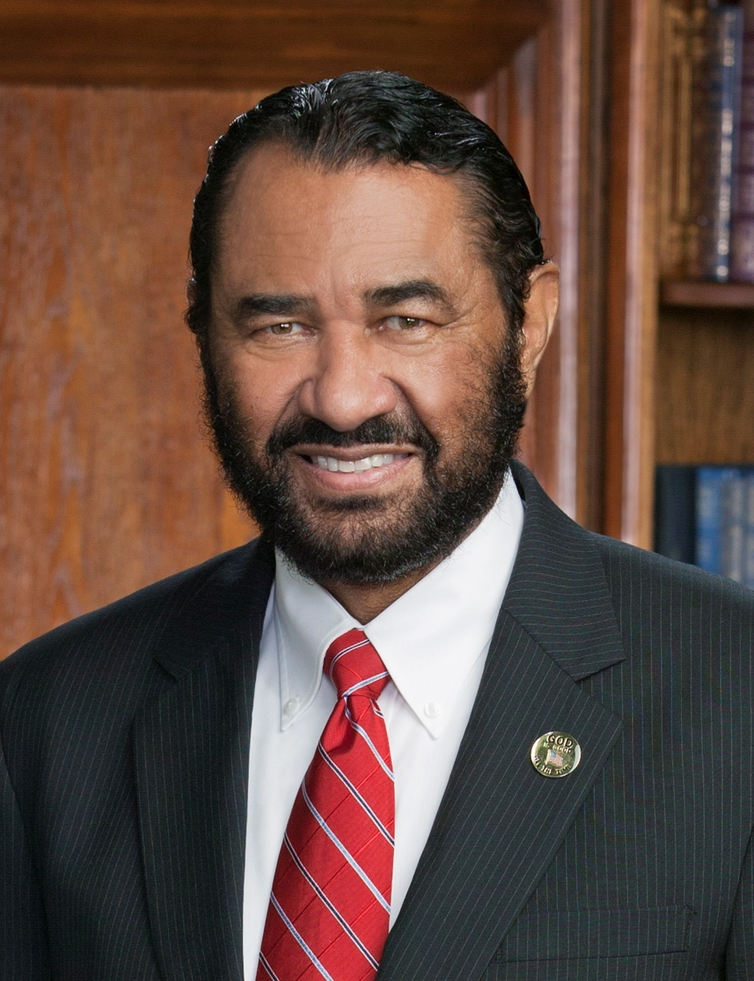
Sponsor
-
TrackWesley Bell
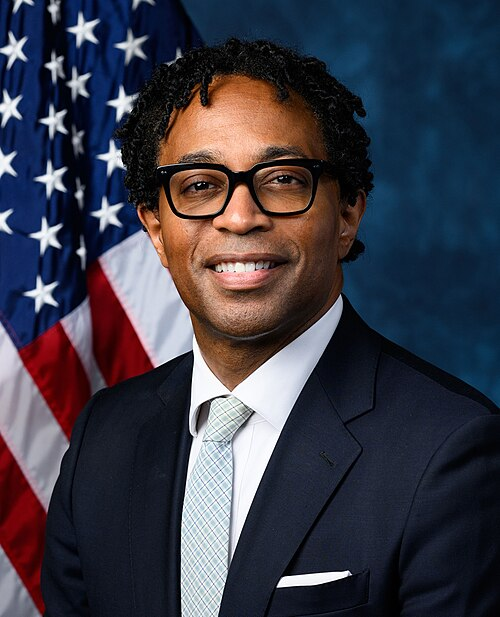
Co-Sponsor
-
TrackJulia Brownley
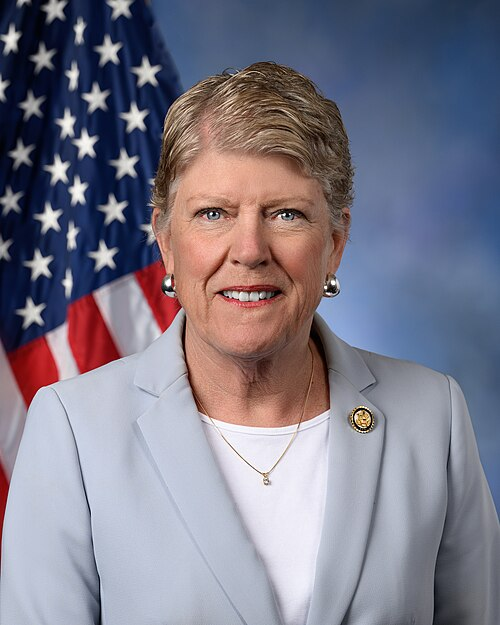
Co-Sponsor
-
TrackTroy A. Carter
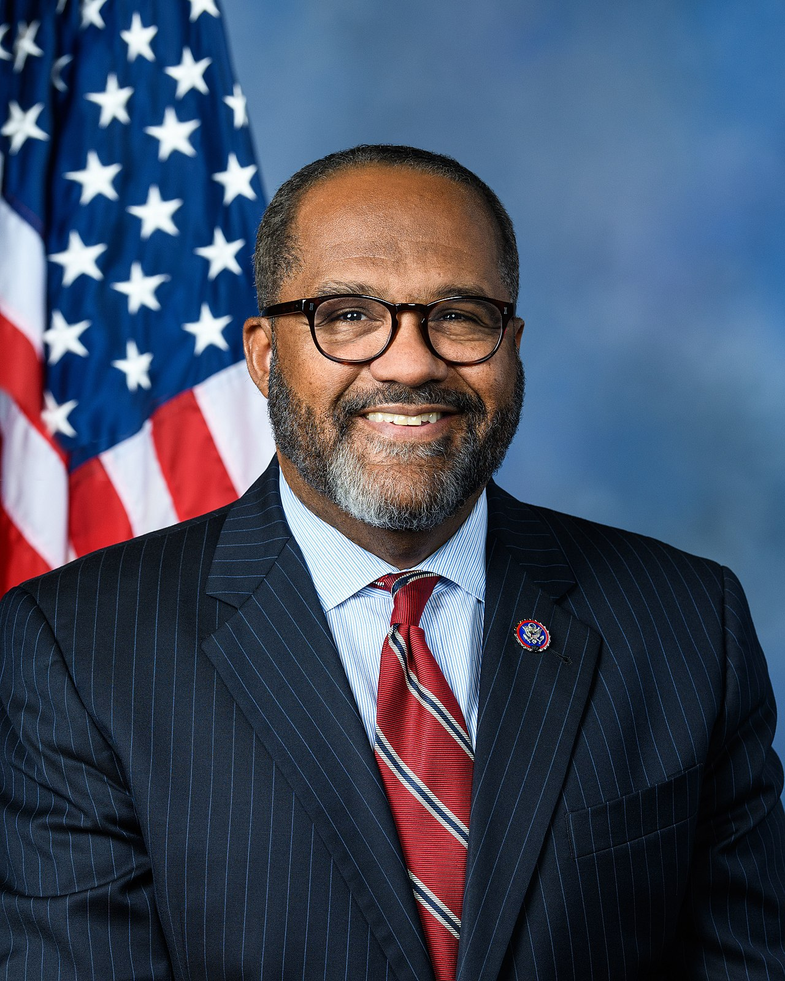
Co-Sponsor
-
TrackJudy Chu
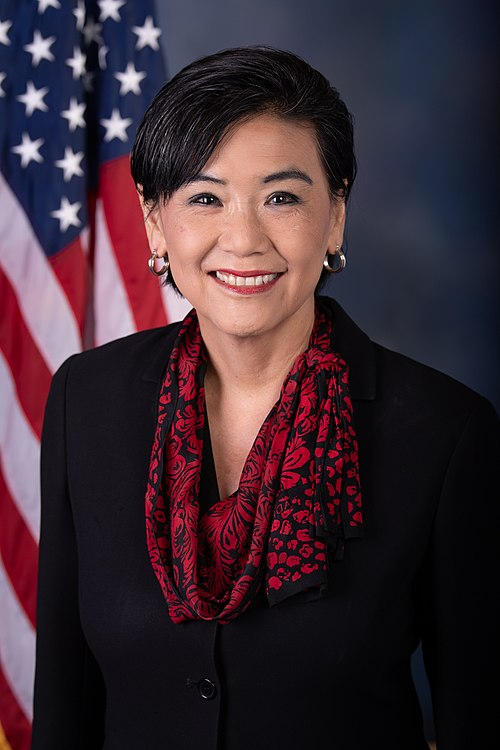
Co-Sponsor
-
TrackYvette D. Clarke
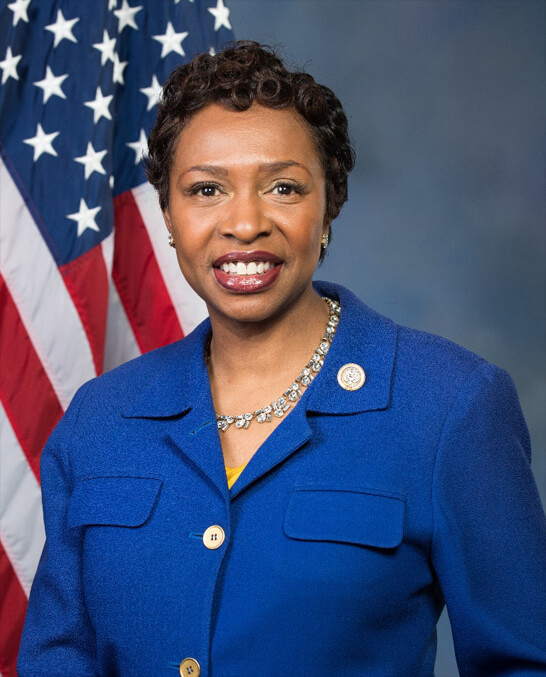
Co-Sponsor
-
TrackJasmine Crockett
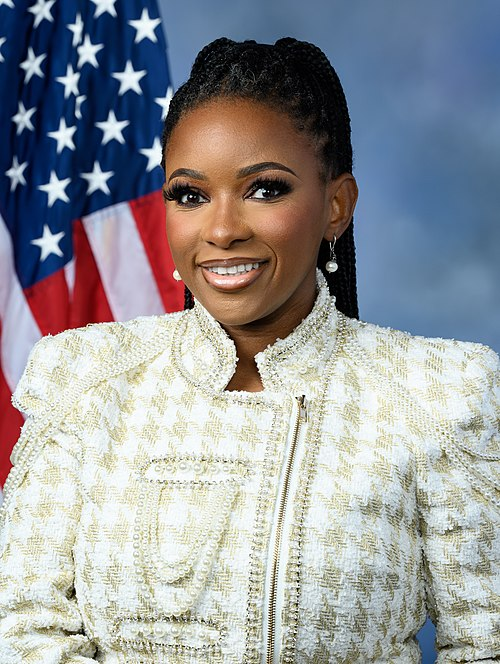
Co-Sponsor
-
TrackDanny K. Davis
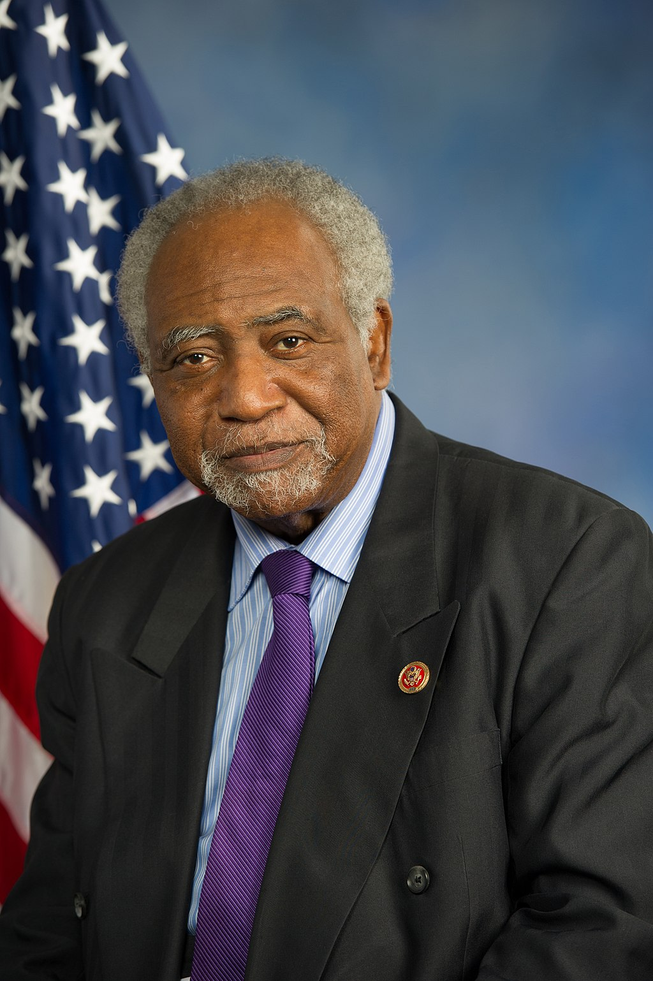
Co-Sponsor
-
TrackShomari Figures
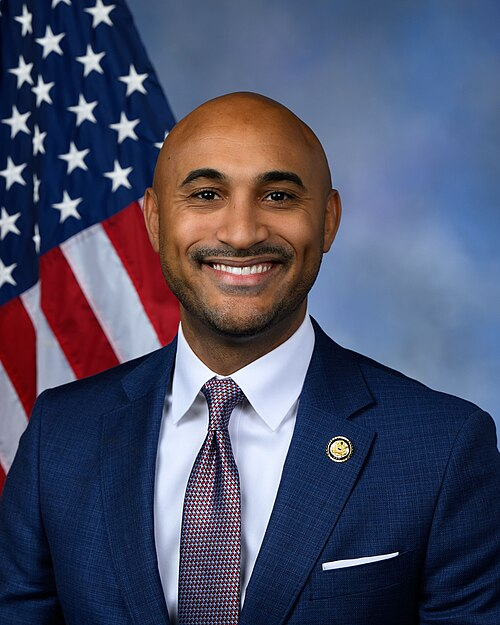
Co-Sponsor
-
TrackDaniel S. Goldman
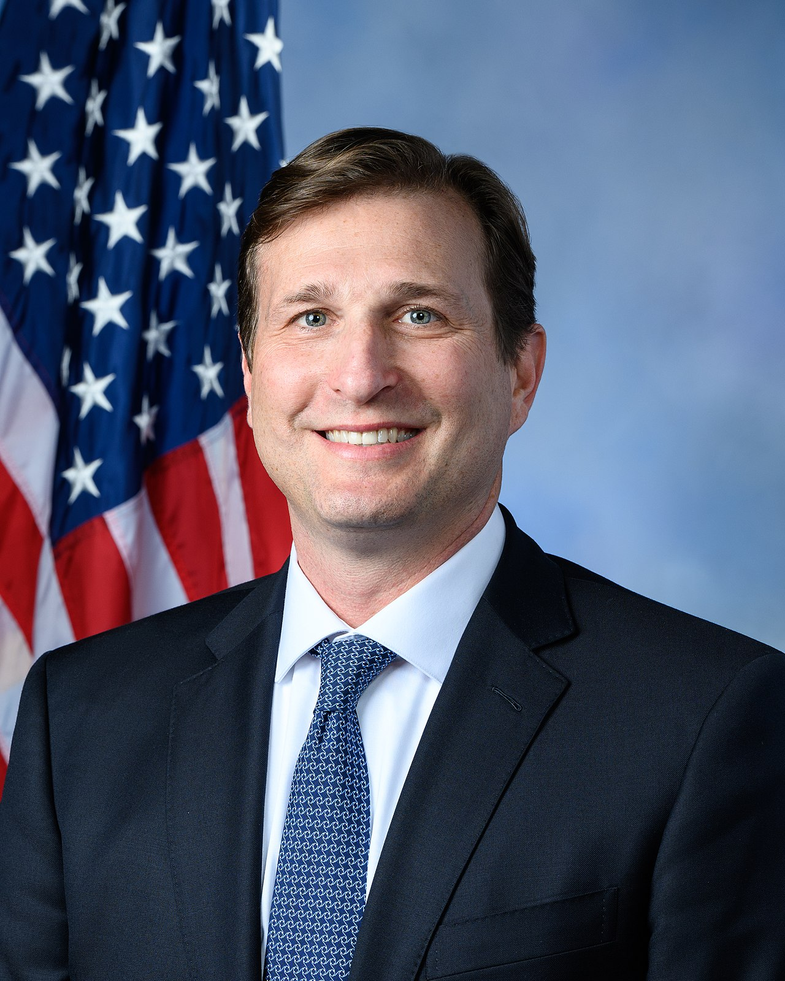
Co-Sponsor
-
TrackJulie Johnson
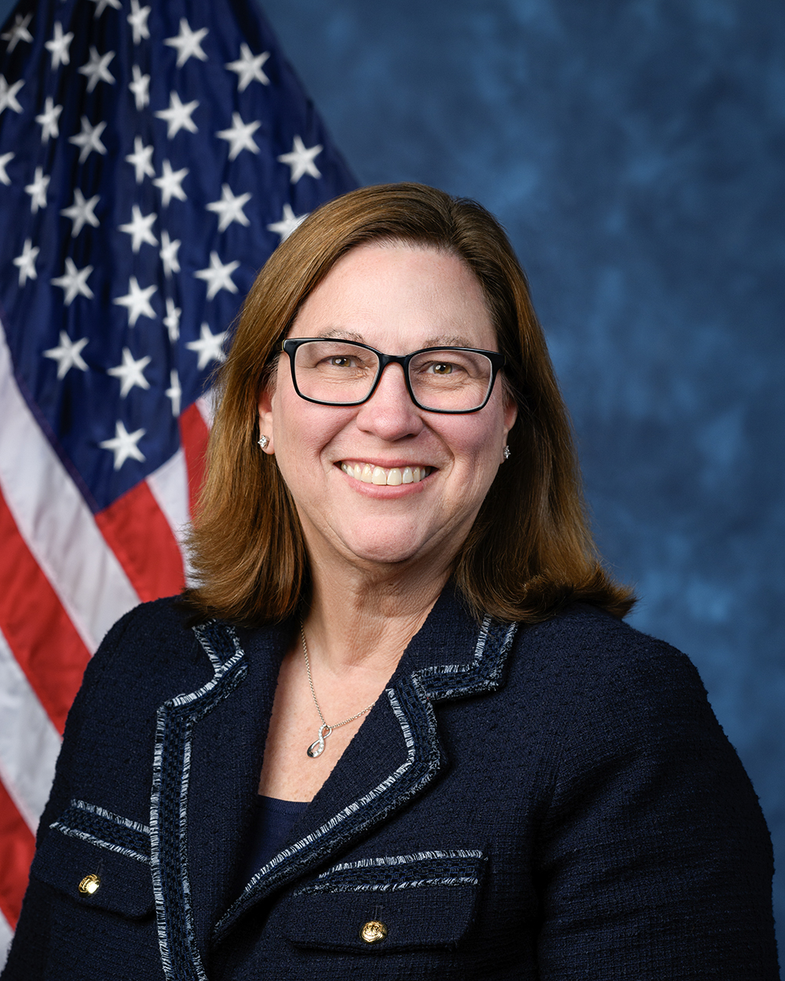
Co-Sponsor
-
TrackLaMonica McIver
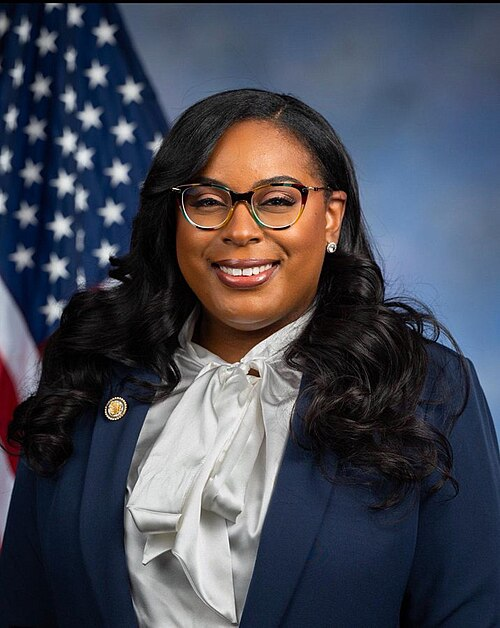
Co-Sponsor
-
TrackGrace Meng
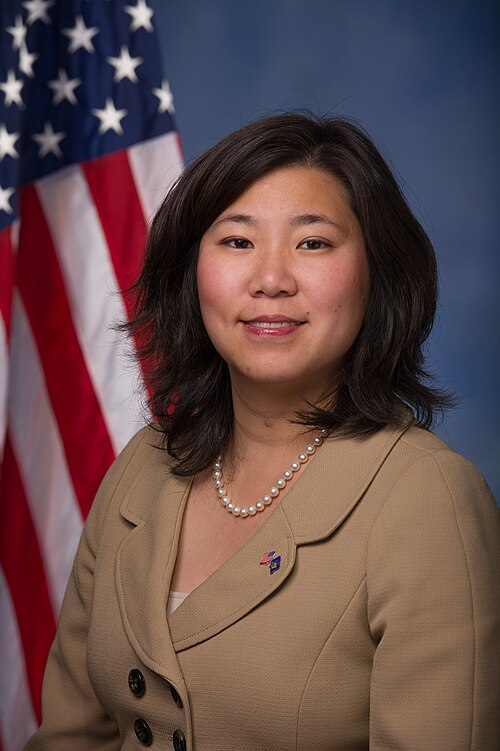
Co-Sponsor
-
TrackGwen Moore
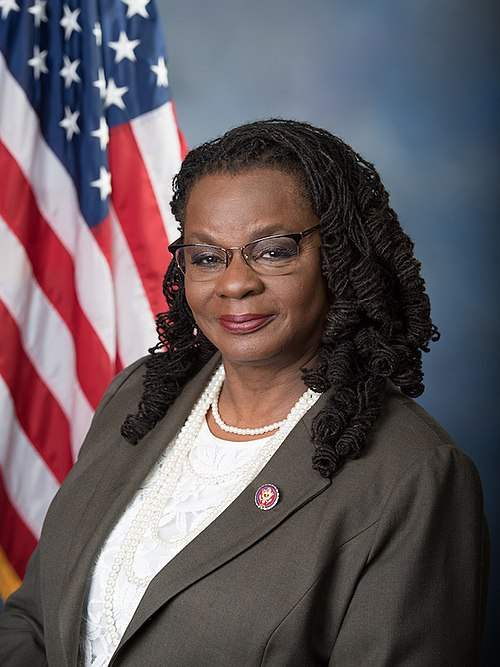
Co-Sponsor
-
TrackSeth Moulton
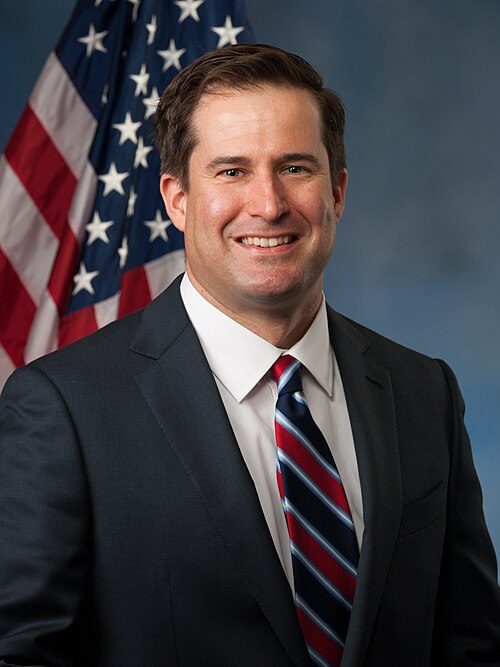
Co-Sponsor
-
TrackEmily Randall
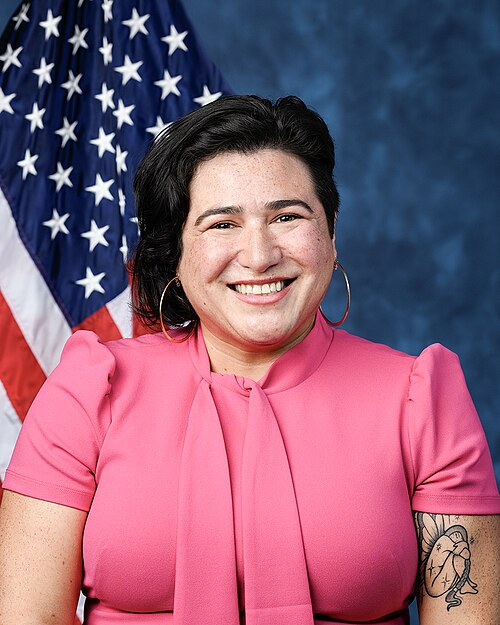
Co-Sponsor
-
TrackShri Thanedar
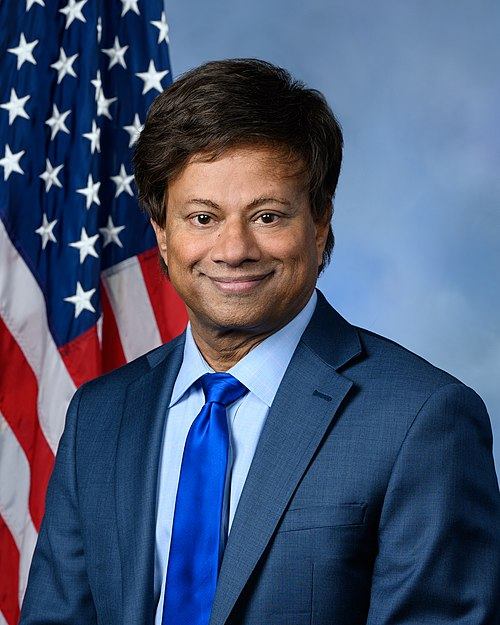
Co-Sponsor
-
TrackBennie G. Thompson
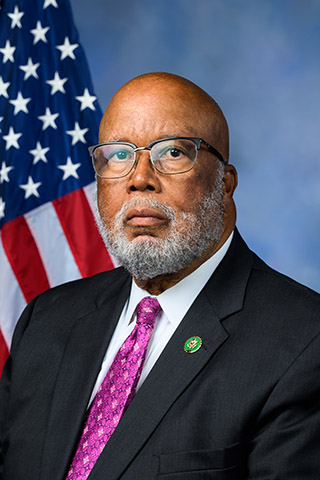
Co-Sponsor
-
TrackJames R. Walkinshaw

Co-Sponsor
-
TrackDebbie Wasserman Schultz
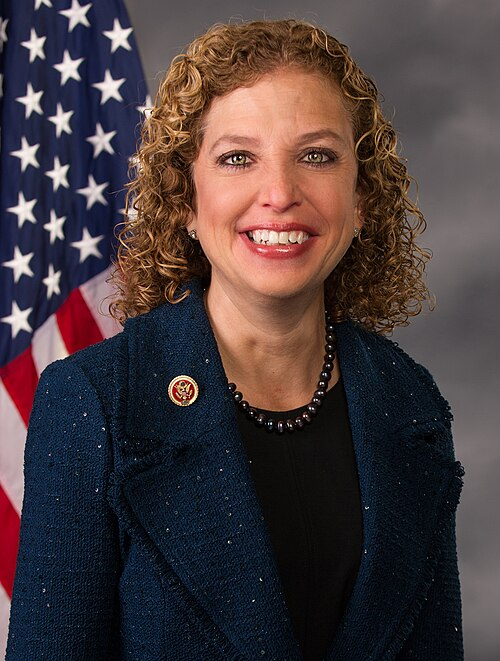
Co-Sponsor
-
TrackBonnie Watson Coleman
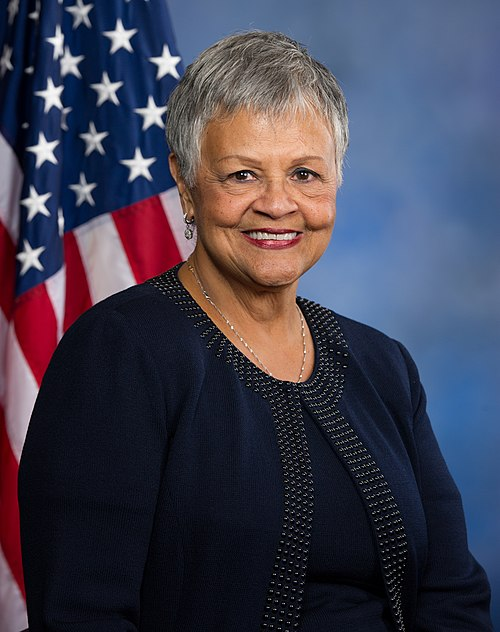
Co-Sponsor
-
Tracknan

Co-Sponsor
-
Tracknan

Co-Sponsor
Actions
3 actions
| Date | Action |
|---|---|
| Jul. 03, 2026 | Referred to the Subcommittee on Oversight, Investigations, and Accountability. |
| Jul. 02, 2026 | Introduced in House |
| Jul. 02, 2026 | Referred to the House Committee on Homeland Security. |
Corporate Lobbying
0 companies lobbying
None found.
* Note that there can be significant delays in lobbying disclosures, and our data may be incomplete.
Potentially Relevant Congressional Stock Trades
No relevant congressional stock trades found.