
H.R. 9373: Air Carrier Access Amendments Act of 2026
This bill would change federal law governing discrimination against air travelers with disabilities. In plain terms, it would give people with disabilities stronger legal tools if an airline or foreign airline mishandles their treatment during air travel.
What the bill says the problem is
The bill states that, despite the existing Air Carrier Access Act, travelers with disabilities still face problems such as:
- damage to wheelchairs, scooters, and other assistive devices;
- physical injuries during air travel assistance;
- inaccessible aircraft or communication systems;
- poor assistance when boarding or leaving the plane;
- mistreatment of service animals; and
- lack of suitable seating accommodations.
What legal changes it would make
The bill would amend the current disability-discrimination rules for air transportation in several ways:
- It would require civil penalties for certain violations. The Department of Transportation would have to assess penalties, at a minimum, for specified problems such as:
- delay, loss, or significant damage to a wheelchair or scooter;
- physical harm or death caused in connection with required assistance;
- failure to provide proper boarding or deplaning assistance when an aisle chair is needed;
- improper denial of boarding or denial of access for a service animal; and
- gross negligence involving a passenger with disabilities.
- It would require referral to the Attorney General in serious cases. If the Secretary of Transportation has reason to believe there is a pattern or practice of discrimination, or a matter affecting the public broadly, the Secretary would have to refer it to the Attorney General after the penalty is assessed.
- It would create a private right to sue. A person harmed by a violation could file a civil lawsuit in federal court within 2 years of the violation.
- It would allow damages. A court could award compensatory damages and punitive damages in those lawsuits.
- It would require fee shifting. The prevailing party in such a lawsuit would be entitled to reasonable attorney’s fees, expert fees, and court costs.
- It would remove the need to first use administrative remedies. A person would not have to go through agency complaint procedures before going to court.
- It would let the Justice Department sue. The Attorney General could bring a civil action on behalf of affected individuals and ask the court for equitable relief, damages, and civil penalties.
Other effects
The bill also says it does not prevent states or other laws from giving people with disabilities stronger protections than this federal law would provide.
Relevant Companies
None found
This is an AI-generated summary of the bill text. There may be mistakes.
Sponsors
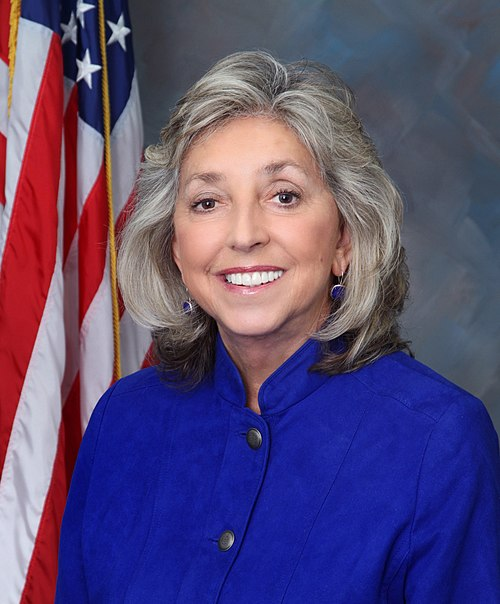
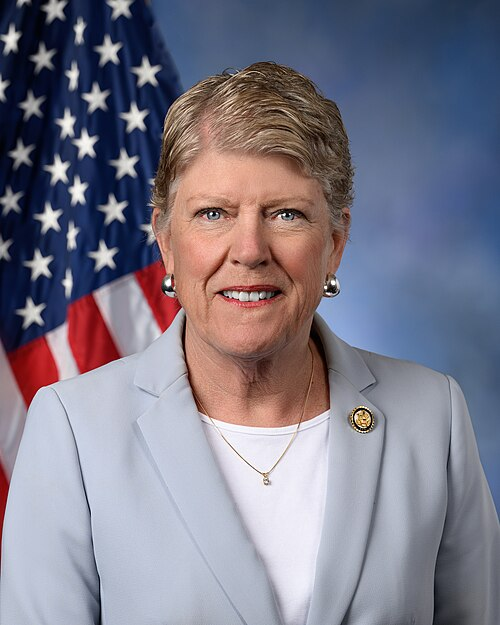
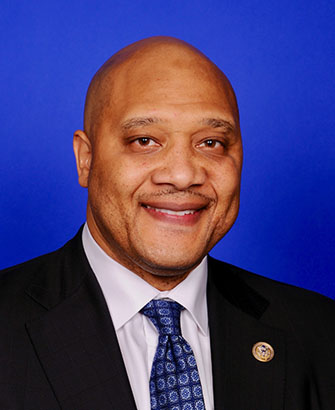
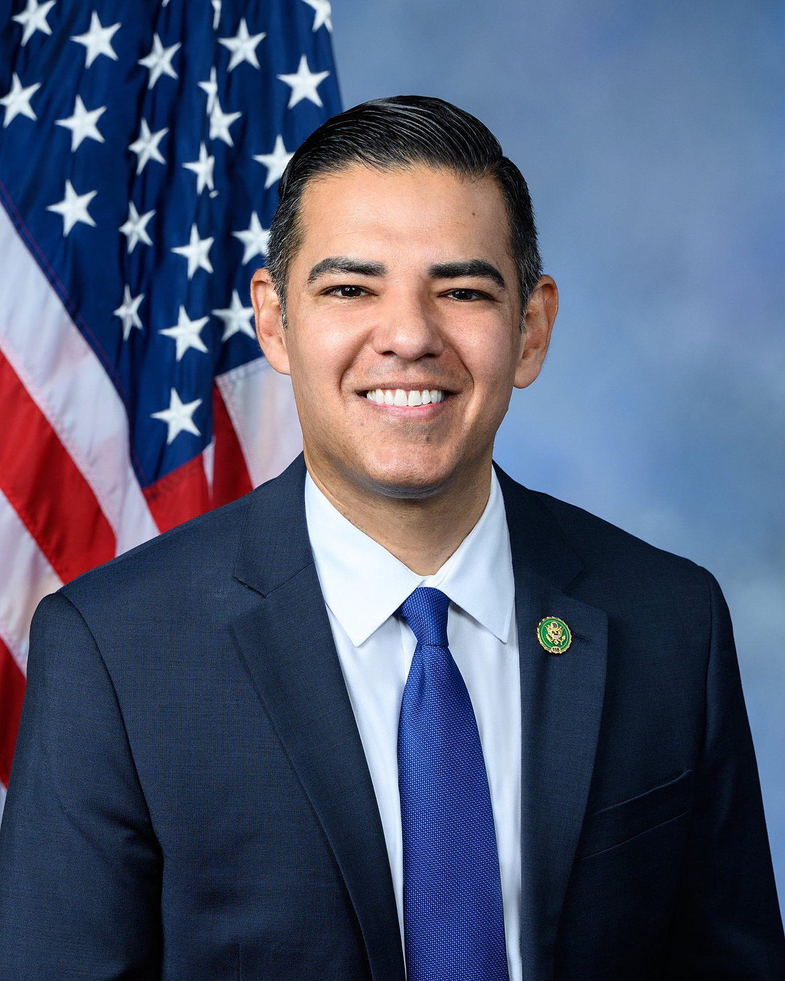
7 bill sponsors


Actions
2 actions
| Date | Action |
|---|---|
| Jun. 18, 2026 | Introduced in House |
| Jun. 18, 2026 | Referred to the House Committee on Transportation and Infrastructure. |
Corporate Lobbying
0 companies lobbying
None found.
* Note that there can be significant delays in lobbying disclosures, and our data may be incomplete.
Potentially Relevant Congressional Stock Trades
No relevant congressional stock trades found.