
H.R. 9365: Healing and Equity for Enforcement-Affected Residents and Trauma Act of 2026
This bill would direct the Secretary of Health and Human Services to create a new office called the Office of Immigrant Community Mental Health and Resilience. The office would focus on helping communities deal with fear-based trauma and related mental health effects linked to federal immigration law enforcement actions.
What the office would do
The new office would be led by a Director appointed by the Secretary of Health and Human Services. Its main job would be to support communities affected by federal immigration enforcement activity by helping provide mental health services and related support.
Specifically, the office could help with:
- mobile mental health response teams;
- emergency counseling vouchers;
- grant programs for mental health support;
- guidance to states on Medicaid options that might help affected individuals;
- hiring culturally competent behavioral health workers;
- training health care providers to serve affected individuals;
- know your rights campaigns related to health care rights;
- public awareness campaigns about getting care in multilingual settings;
- educational materials about fear-based trauma; and
- trauma-informed mental health and family stabilization services.
Grant program
The bill would require HHS to give grants to eligible organizations serving impacted communities. Eligible recipients could include state and local governments, federally qualified health centers, rural health clinics, Tribal health organizations, local school districts, faith-based organizations that provide health or social services, and community-based organizations.
Grant money could be used to:
- provide trauma-informed mental health care, including crisis counseling and short-term therapy;
- address urgent behavioral health crises;
- provide mental health and substance use prevention, treatment, and recovery services;
- run health-care-rights education campaigns;
- deploy mobile or community-based mental health services; and
- combine multilingual, trauma-informed mental health services with school-based or local educational agency health services, where feasible.
Reporting and information sharing
The office would create a process for states, local governments, or community organizations to report immigration law enforcement actions so resources can be directed where needed. The office would also have to submit an annual report to Congress on the public health effects of those enforcement actions, including recommendations for caring for people in medically underserved communities.
The bill also says that information collected by the office could not be shared with the Department of Homeland Security or any other federal agency that carries out immigration law enforcement actions.
How the bill defines who is covered
The bill defines an “impacted community” as a local area where a federal agency has carried out immigration law enforcement actions. It defines “behavioral health specialist” broadly to include psychiatrists, psychologists, social workers, guidance counselors, peer support specialists, and other qualified professionals as determined by the Secretary.
Funding
The bill would transfer whatever sums are necessary from certain funds made available under Public Law 119-21 to HHS to carry out the law, and those funds would remain available until spent.
Relevant Companies
None found
This is an AI-generated summary of the bill text. There may be mistakes.
Sponsors
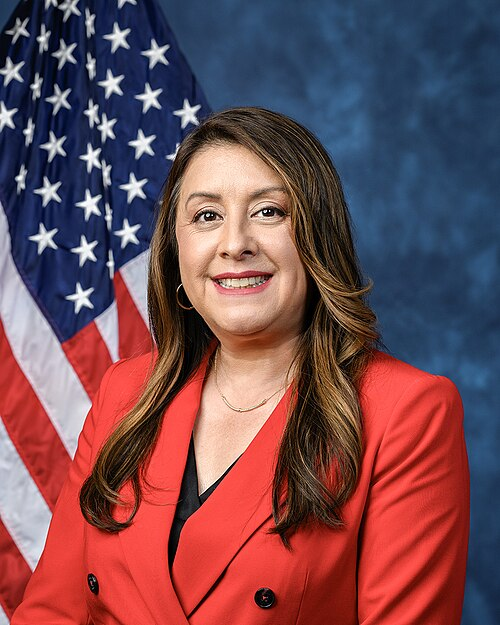
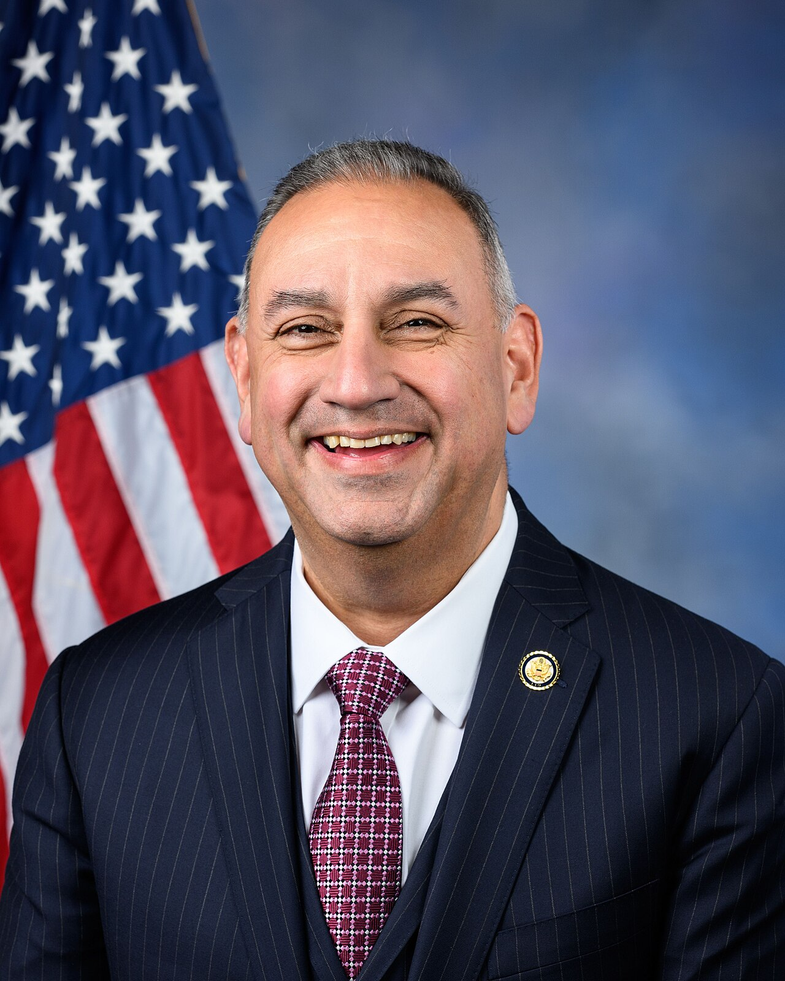
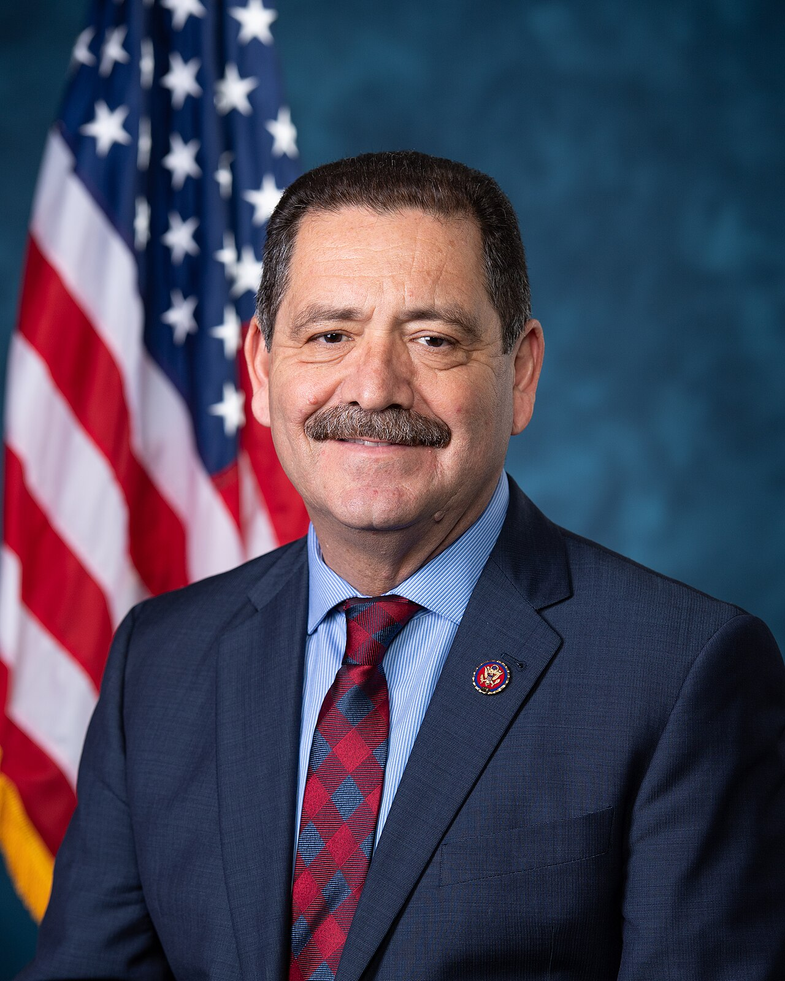
3 bill sponsors
Actions
2 actions
| Date | Action |
|---|---|
| Jun. 18, 2026 | Introduced in House |
| Jun. 18, 2026 | Referred to the House Committee on Energy and Commerce. |
Corporate Lobbying
0 companies lobbying
None found.
* Note that there can be significant delays in lobbying disclosures, and our data may be incomplete.
Potentially Relevant Congressional Stock Trades
No relevant congressional stock trades found.