
H.R. 9331: Strengthening Transaction Oversight and Preventing Payments Fraud Act of 2026
This bill would change federal rules on when banks must make deposited money available to customers, with a focus on suspected fraud involving checks and wire transfers.
What the bill does
Under current law, banks generally must make deposited funds available within set timeframes. This bill would create new exceptions that let a bank delay or withhold immediate availability of funds when it has reasonable suspicion that a check or wire transfer is false, unauthorized, or otherwise fraudulent.
- Checks: If a receiving bank suspects a deposited check may be fraudulent, it could treat that deposit differently under the funds-availability rules.
- Wire transfers: If a receiving bank suspects a wire transfer is fraudulent, it could delay making those funds available under the normal schedule.
- Higher-risk situations: The bill also allows regulators to identify certain account circumstances that carry greater fraud risk, and in those cases the normal availability rules could be extended for up to 60 days for each occurrence.
How “reasonable suspicion” would work
The bill says a bank’s suspicion must be based on indicators that would lead a reasonable person to suspect fraud. It also says a bank cannot make this determination based on an entire class of wire transfers or people. In other words, the decision must be tied to specific fraud-related signs, not broad categories.
Overdraft fee protection for some wire-transfer holds
If a bank delays crediting a wire transfer because it suspects fraud, it would be barred from charging an overdraft fee that results from the delay, if:
- the customer was not given the required written notice when the transfer was delayed, and
- the overdraft would not have happened if the funds had been available.
Notice and recordkeeping
When a bank uses one of these fraud exceptions, it would have to include the reason in the notice it gives to the customer. Banks would also have to keep records of those notices. Federal regulators would be required to monitor compliance during regular bank examinations.
Information sharing
The bill says banks would still be allowed to tell other banks involved in the same deposit or transfer that they have used an exception under these rules.
Practical effect
In plain terms, the bill is aimed at giving banks more flexibility to slow down or withhold access to money when they think a check or wire transfer may be fraudulent. It also adds some customer protections, including notice requirements and limits on overdraft fees in certain wire-transfer cases.
Relevant Companies
None found
This is an AI-generated summary of the bill text. There may be mistakes.
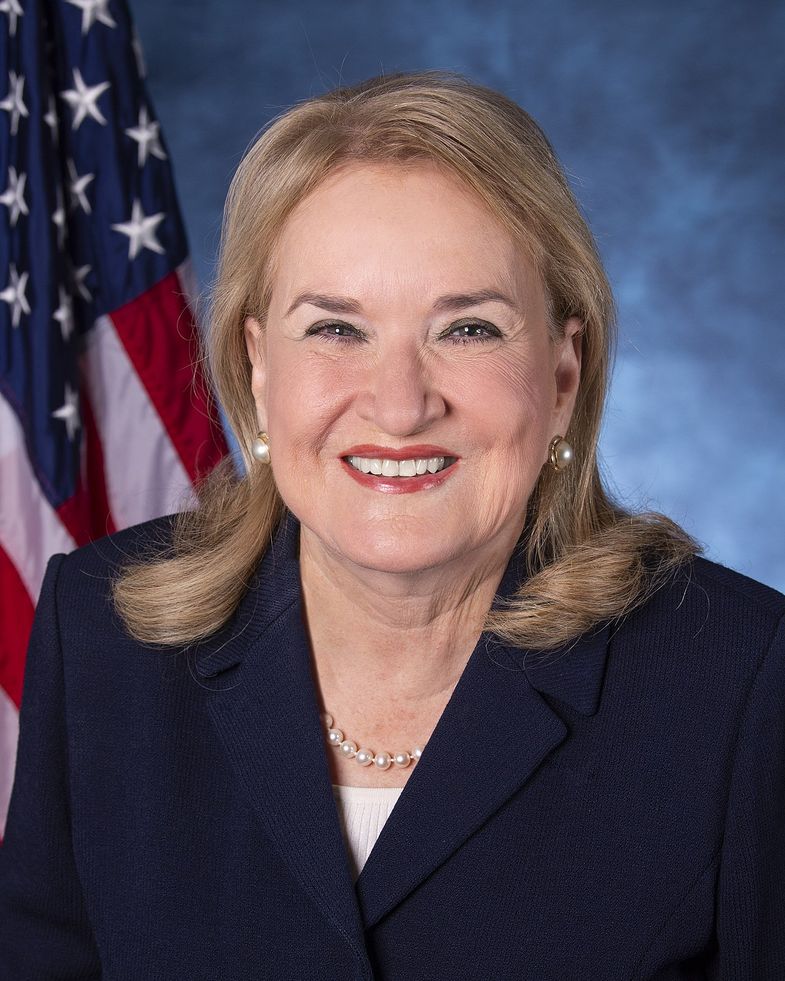
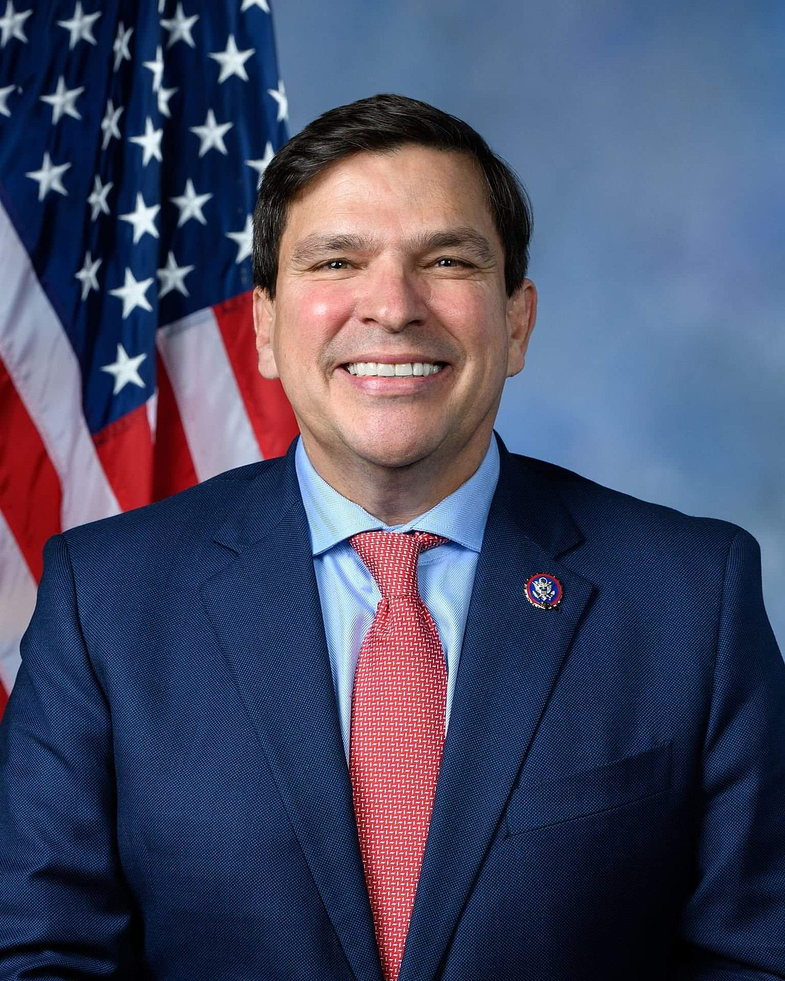
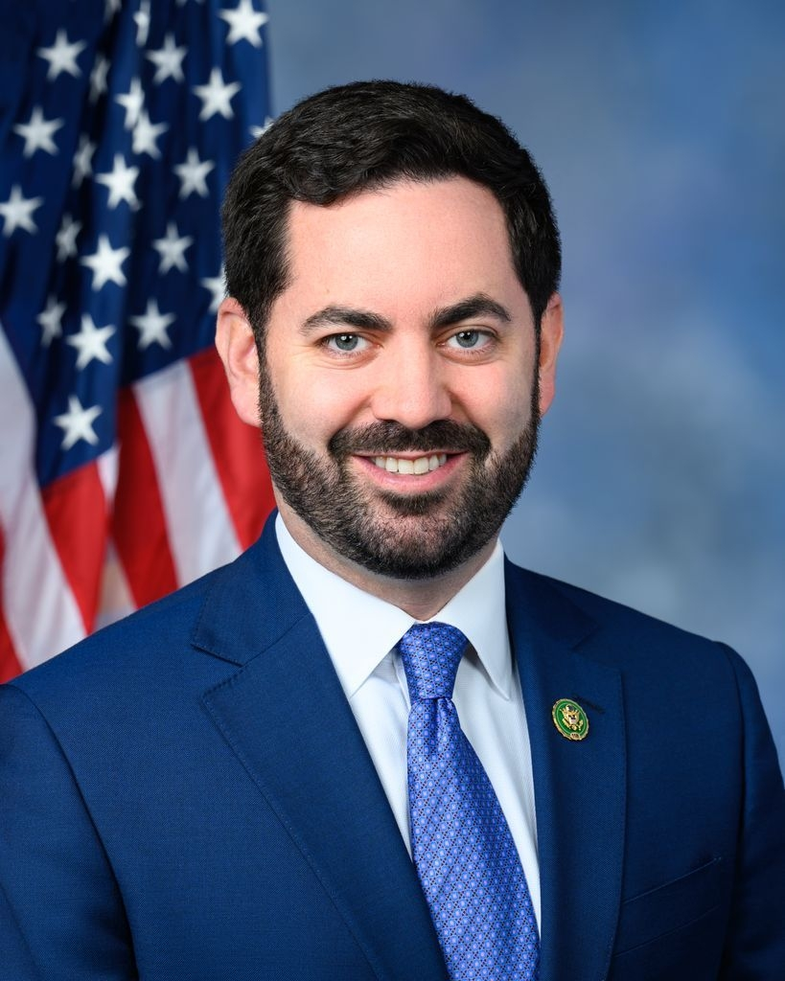
Sponsors
4 bill sponsors

Actions
6 actions
| Date | Action |
|---|---|
| Sep. 01, 2026 | Placed on the Union Calendar, Calendar No. 692. |
| Sep. 01, 2026 | Reported (Amended) by the Committee on Financial Services. H. Rept. 119-792. |
| Jun. 30, 2026 | Committee Consideration and Mark-up Session Held |
| Jun. 30, 2026 | Ordered to be Reported (Amended) by the Yeas and Nays: 51 - 0. |
| Jun. 18, 2026 | Introduced in House |
| Jun. 18, 2026 | Referred to the House Committee on Financial Services. |
Corporate Lobbying
0 companies lobbying
None found.
* Note that there can be significant delays in lobbying disclosures, and our data may be incomplete.
Potentially Relevant Congressional Stock Trades
No relevant congressional stock trades found.