
H.R. 9320: All in For Attendance Act
This bill would let local school districts use certain federal education funds for programs aimed at reducing chronic absenteeism, which means missing 10% or more of school days in a year. It amends the Elementary and Secondary Education Act to make attendance-related efforts an allowable use of federal funds.
What schools could use the money for
The bill lists a wide range of possible activities districts could fund to help students attend school more consistently. These include:
- Systems to collect and track attendance data, including early warning indicators for different types of absences.
- Public reporting of chronic absenteeism data, without personally identifiable information.
- Sharing data between schools and social services, local governments, and community organizations, with confidentiality agreements.
- Family engagement efforts, including counseling and support in families’ primary language and, where practical, home visits.
- Tiered support systems for individual students, small groups, and the whole student body.
- Training for education staff and support teams on how to reduce chronic absence.
- Partnerships with health and transportation providers to address barriers to attendance.
- Partnerships with community organizations that provide mentorship and family support.
- Mentoring programs with goals, evaluation, and coordination between mentors and school staff.
- Efforts to identify the causes of absences and meet with students and parents to address them.
- Home visits by teachers to build relationships with families.
- Connections to school counseling and other school or community resources.
- Evidence-based restorative justice practices to reduce suspensions that keep students out of class.
- Evidence-based social and emotional learning programs.
- Evidence-based high-impact tutoring, including high-dosage tutoring, to improve attendance and academics.
New restriction on discipline for absences
The bill would also require local education agencies to assure that they will not use policies that impose suspensions, fines, or academic penalties on students because of absences.
Background stated in the bill
The bill includes findings saying chronic absenteeism remains high, affects many students, and is linked to lower academic performance and worse long-term outcomes. It also says absenteeism is influenced by many factors, including health, homelessness, transportation, family challenges, bullying, safety concerns, and relationships with school staff and peers.
Relevant Companies
None found
This is an AI-generated summary of the bill text. There may be mistakes.
Sponsors
13 bill sponsors
-
TrackChristian Menefee

Sponsor
-
TrackJoyce Beatty
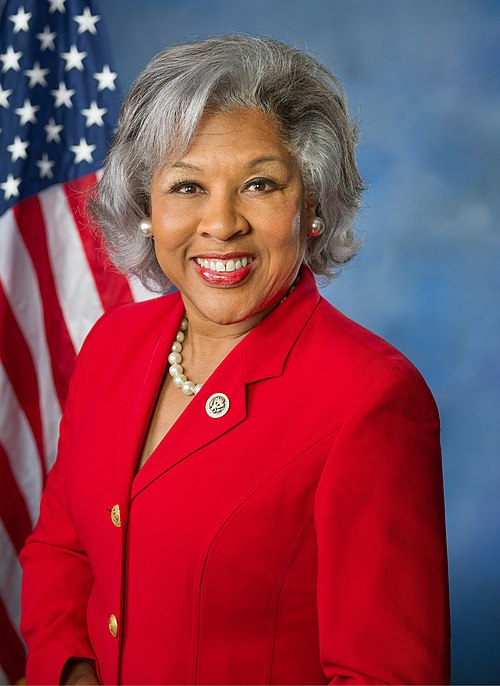
Co-Sponsor
-
TrackJanelle Bynum

Co-Sponsor
-
TrackTroy A. Carter
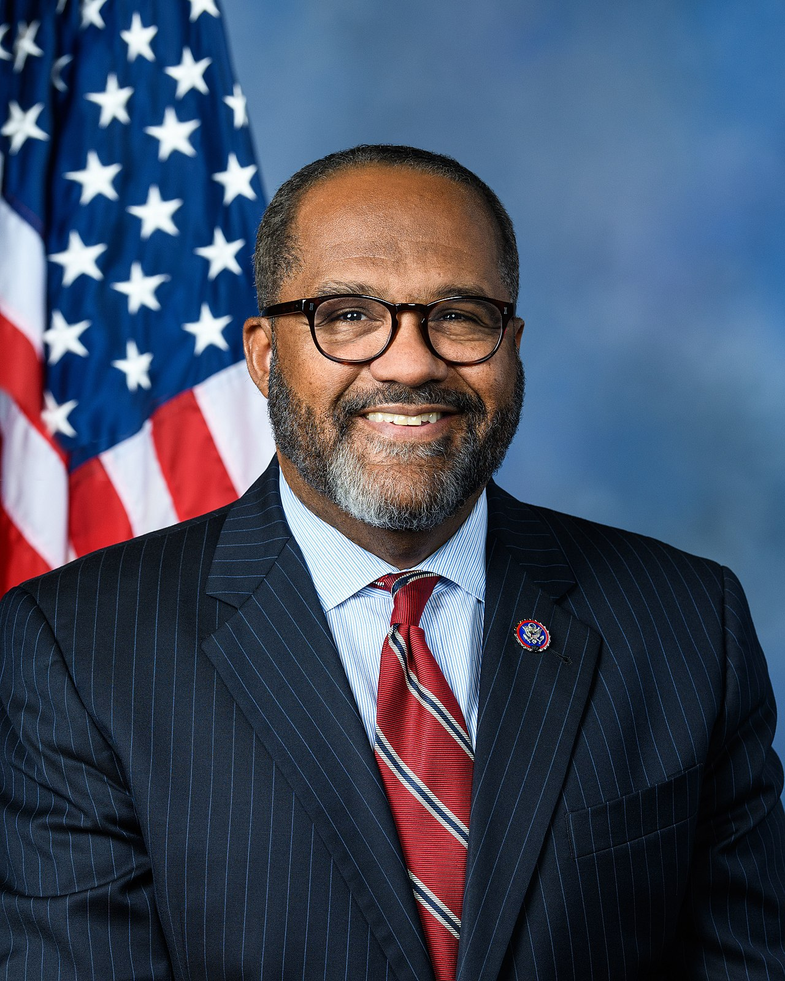
Co-Sponsor
-
TrackJasmine Crockett

Co-Sponsor
-
TrackShomari Figures
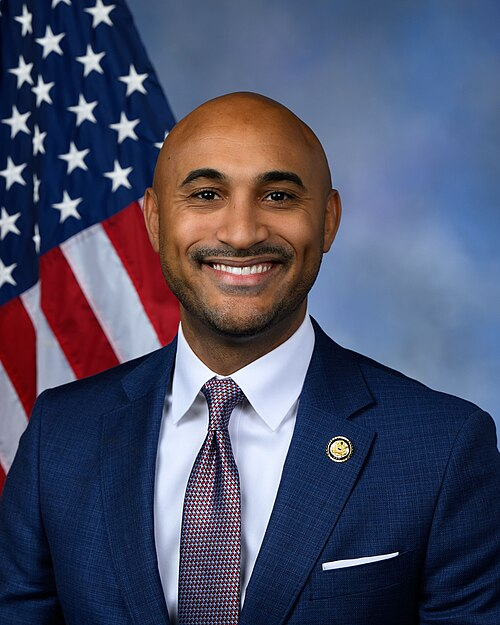
Co-Sponsor
-
TrackRobin L. Kelly

Co-Sponsor
-
TrackLaMonica McIver

Co-Sponsor
-
TrackEleanor Holmes Norton

Co-Sponsor
-
TrackDeborah K. Ross

Co-Sponsor
-
TrackBennie G. Thompson
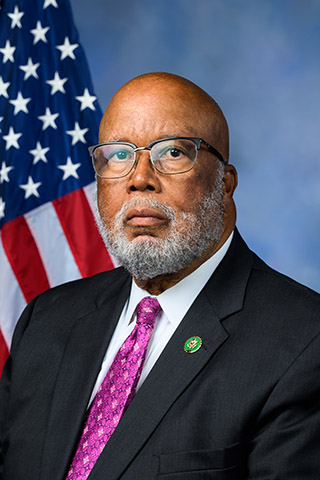
Co-Sponsor
-
TrackFrederica S. Wilson

Co-Sponsor
-
Tracknan

Co-Sponsor
Actions
2 actions
| Date | Action |
|---|---|
| Jun. 15, 2026 | Introduced in House |
| Jun. 15, 2026 | Referred to the House Committee on Education and Workforce. |
Corporate Lobbying
0 companies lobbying
None found.
* Note that there can be significant delays in lobbying disclosures, and our data may be incomplete.
Potentially Relevant Congressional Stock Trades
No relevant congressional stock trades found.