H.R. 9298: Stopping Harmful and Outrageous Torts Act
This bill would expand and strengthen legal protections for gun manufacturers, sellers, and related trade associations by making it harder to sue them over harms caused by the criminal or unlawful misuse of firearms, ammunition, or related products by someone else.
What the bill changes
- Requires dismissal of pending cases: Any covered lawsuit already pending when the law takes effect would have to be dismissed immediately.
- Broadens the definition of covered products: The bill defines “qualified products” to include firearms, antique firearms, ammunition, and parts or accessories such as magazines, clips, and optical devices, as long as they moved in interstate or foreign commerce.
- Expands who is protected: Legal protections would apply to manufacturers, sellers, trade associations, and also their owners and employees. “Sellers” would include licensed importers, dealers, ammunition sellers, and others selling covered products at wholesale or retail. Manufacturers are specifically excluded from the definition of seller, but are separately covered elsewhere in the bill.
- Limits lawsuits based on misuse by others: A “qualified civil liability action” would cover claims seeking money damages or other relief that arise from the criminal or unlawful misuse, alteration, or modification of a covered product by the buyer or a third party.
- Preserves some exceptions: The bill keeps several types of claims outside the immunity, including:
- claims against a transferor convicted under federal or equivalent state law for unlawful transfer of a firearm;
- claims for negligent entrustment or negligence per se against a seller;
- claims where the manufacturer or seller knowingly violated certain federal firearms, tax, export-control, or equivalent state laws, and that violation directly caused the harm;
- breach of contract or warranty claims;
- claims for death, physical injury, or property damage caused directly by a design or manufacturing defect when the product was being used lawfully or in a reasonably foreseeable way; and
- enforcement actions brought by the Attorney General under the federal firearms or tax laws.
- Creates a rule for criminal misuse: If a firearm is discharged because of a volitional act that meets the elements of a criminal offense, that act would be treated as the sole proximate cause of resulting harm for purposes of these claims.
- Bars foreign governments from bringing these claims: Foreign states and their agencies would be prohibited from suing covered manufacturers, sellers, or trade associations over harms tied to unlawful misuse or modification of a covered product.
- Allows more cases to move to federal court: If a defendant says a state-court case is covered, the defendant could remove it to federal court. The federal court would have jurisdiction if the defendant makes a colorable claim that at least one claim is covered.
- Raises pleading requirements: Plaintiffs would have to plead specific facts showing that an exception applies, including facts about intent and proximate cause.
- Provides immediate appeals: Defendants could immediately appeal a denial of a motion to dismiss based on the bill’s protections.
- Allows attorney’s fees for successful defendants: If a defendant wins by relying on the bill’s immunity, the defendant would be entitled to reasonable attorney’s fees and court costs.
- Preempts conflicting state and local laws: The bill would override state and local laws or regulations that try to impose liability on covered manufacturers, sellers, or trade associations for harms arising from criminal misuse, alteration, or modification of a covered product.
Practical effect
In plain terms, the bill would make it more difficult to bring or keep lawsuits against gun companies and related sellers when someone is harmed by the criminal or unlawful use of a firearm or similar product by another person. It also shifts many of those disputes toward federal court and gives defendants stronger procedural tools to get cases dismissed early.
Relevant Companies
- AXON — Axon is primarily known for law-enforcement equipment and software, but it also offers some weapons-related products and could be indirectly affected by changes in liability rules for firearms-related businesses.
- SWBI — Smith & Wesson Brands is a firearms manufacturer that could benefit from broader civil immunity and more limited exposure to lawsuits.
- RGR — Sturm, Ruger & Company is a firearms manufacturer that could be directly affected by the bill’s expanded protections against certain lawsuits.
- MGOL — MGO Global is not a firearms company and likely not directly impacted; no clearly relevant public company found beyond core firearms makers, so this entry may be less directly applicable.
This is an AI-generated summary of the bill text. There may be mistakes.
Sponsors
117 bill sponsors
-
TrackDerek Schmidt
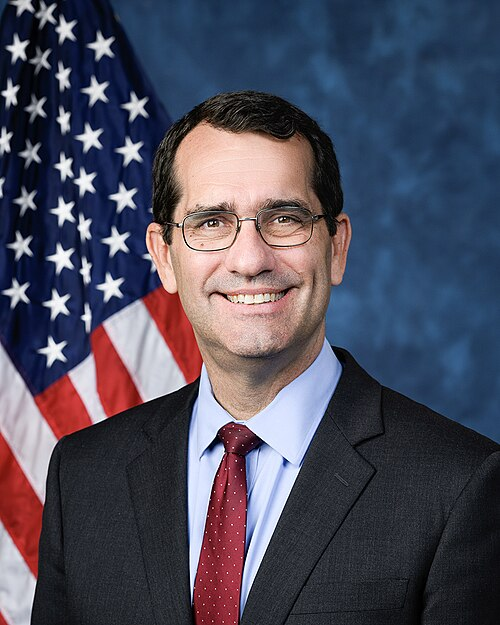
Sponsor
-
TrackMark Alford
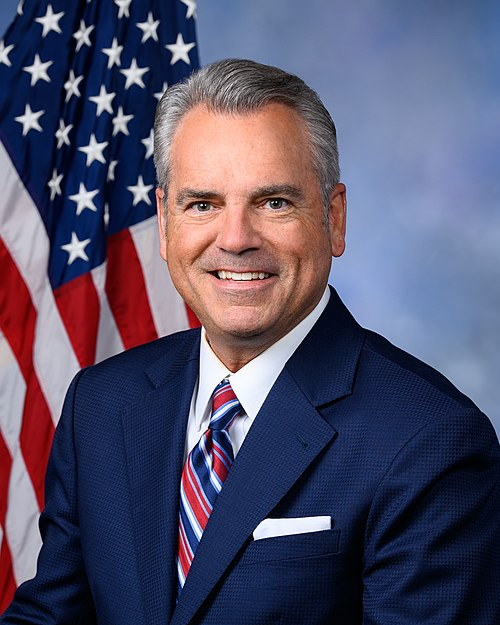
Co-Sponsor
-
TrackBrian Babin
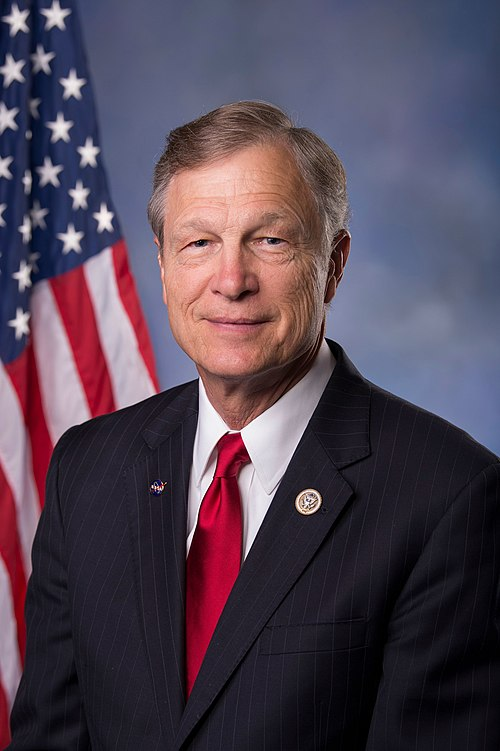
Co-Sponsor
-
TrackAndy Barr
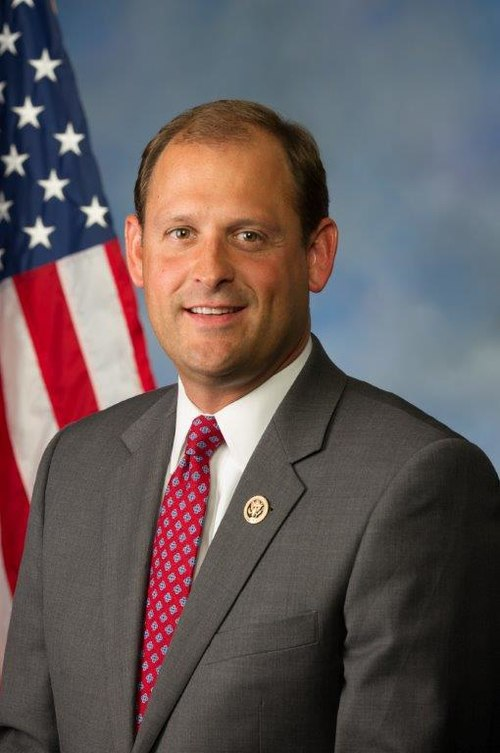
Co-Sponsor
-
TrackAaron Bean
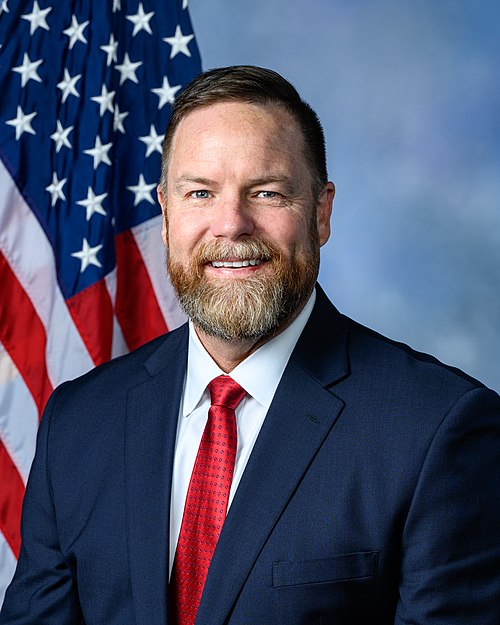
Co-Sponsor
-
TrackJack Bergman
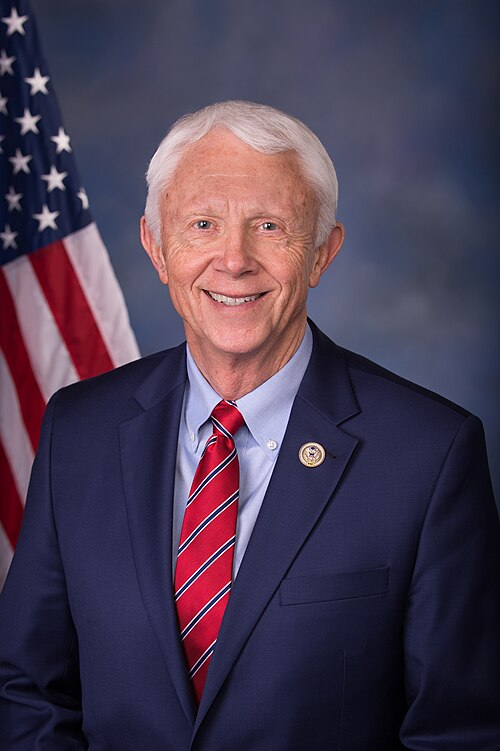
Co-Sponsor
-
TrackAndy Biggs
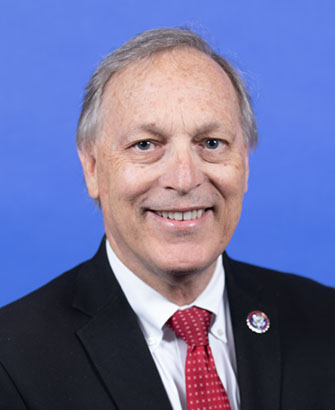
Co-Sponsor
-
TrackSheri Biggs
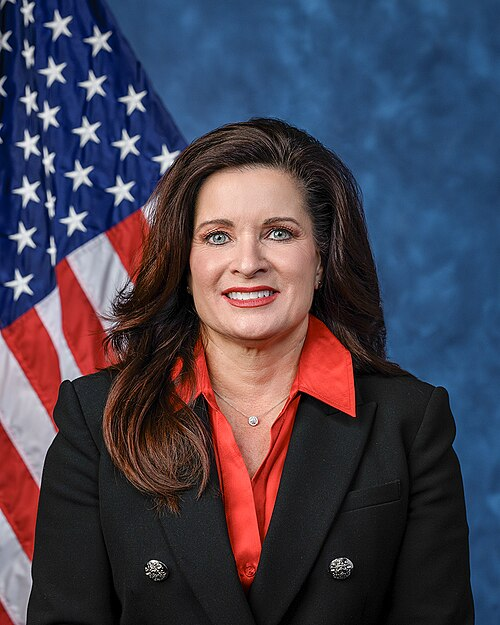
Co-Sponsor
-
TrackLauren Boebert
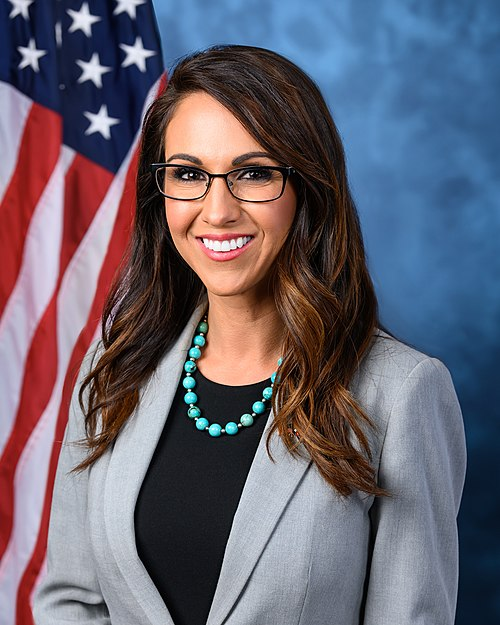
Co-Sponsor
-
TrackMike Bost
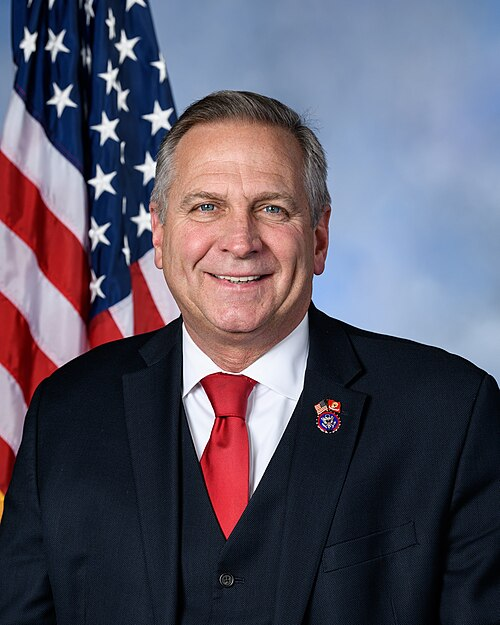
Co-Sponsor
-
TrackJosh Brecheen
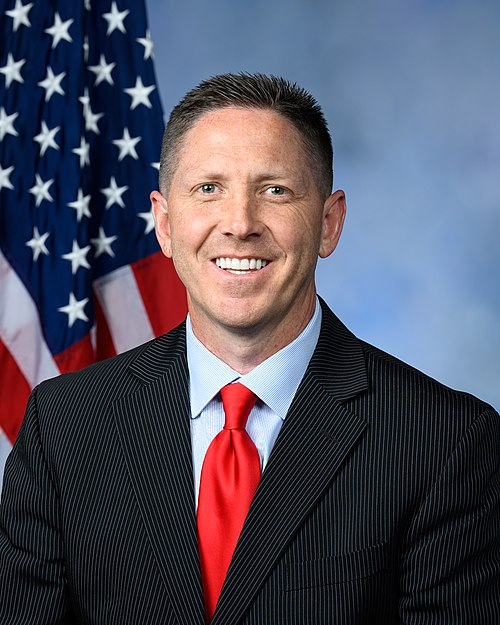
Co-Sponsor
-
TrackTim Burchett
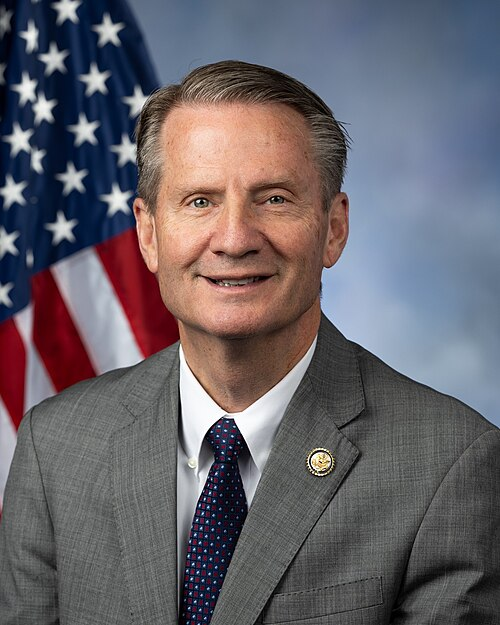
Co-Sponsor
-
TrackEric Burlison
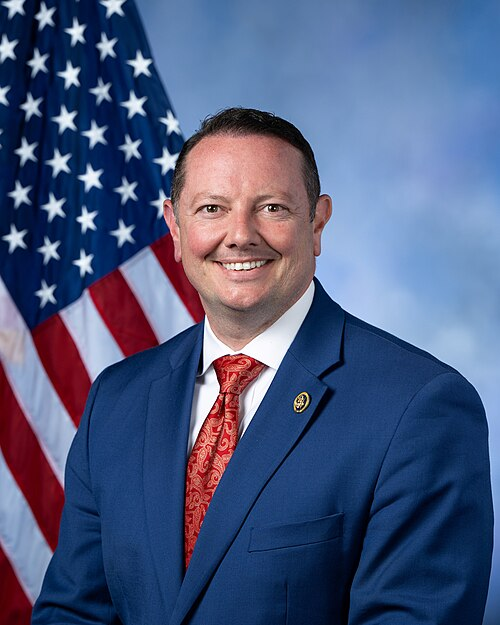
Co-Sponsor
-
TrackKen Calvert
Co-Sponsor
-
TrackKat Cammack
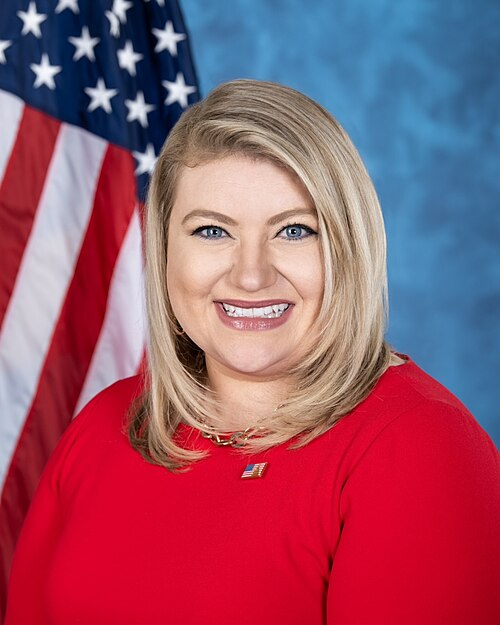
Co-Sponsor
-
TrackEarl L. "Buddy" Carter
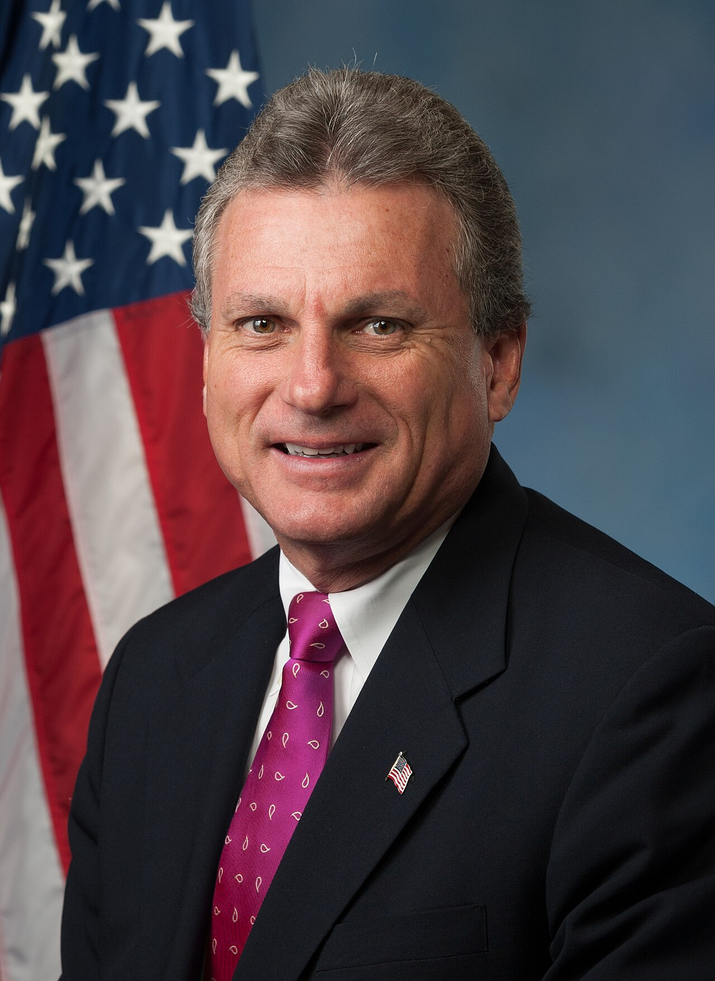
Co-Sponsor
-
TrackBen Cline
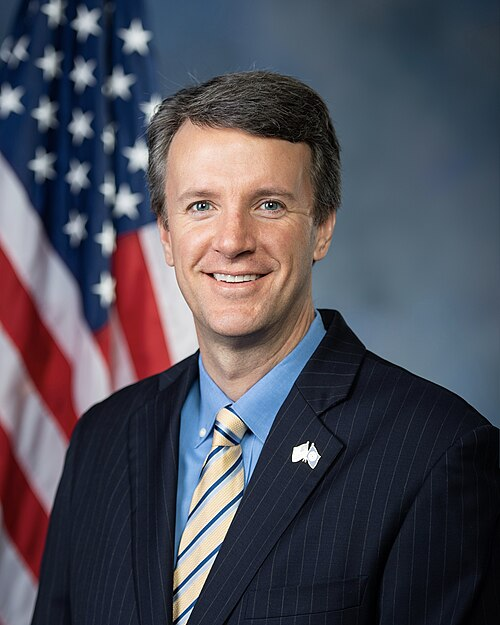
Co-Sponsor
-
TrackMichael Cloud
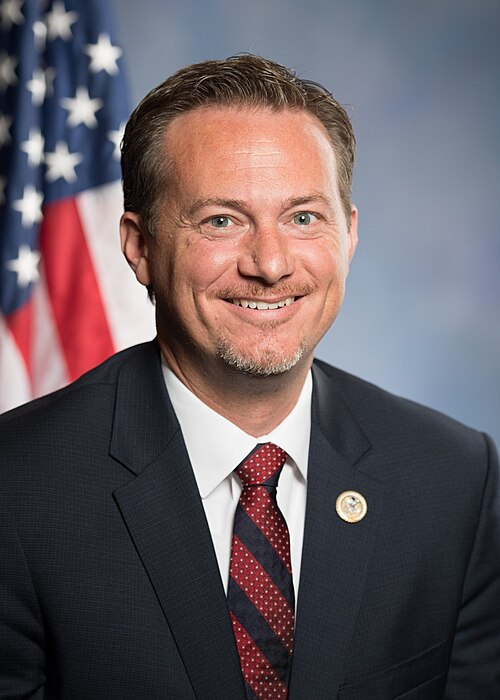
Co-Sponsor
-
TrackJames Comer
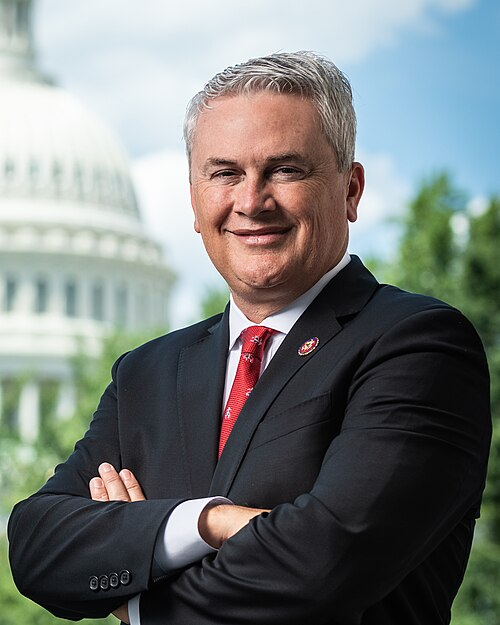
Co-Sponsor
-
TrackJeff Crank
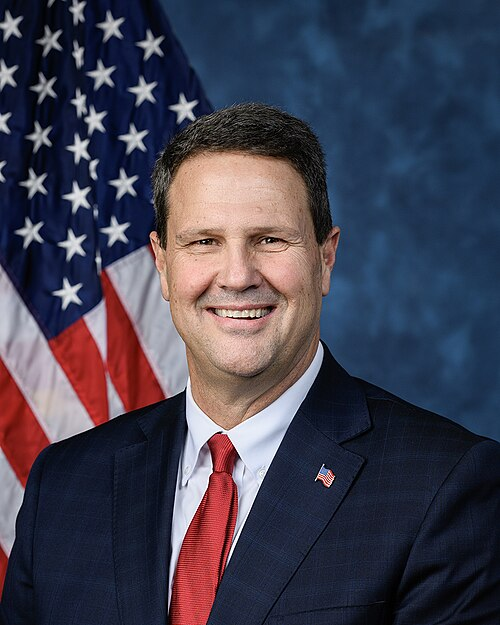
Co-Sponsor
-
TrackWarren Davidson
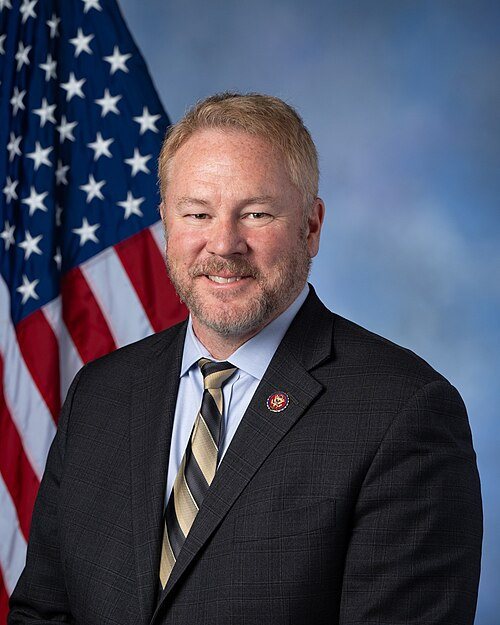
Co-Sponsor
-
TrackScott DesJarlais
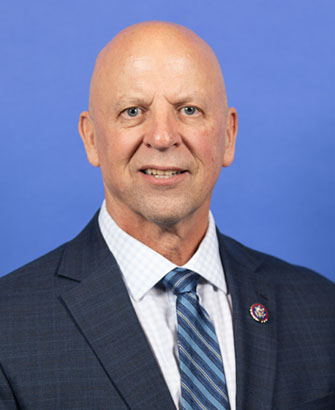
Co-Sponsor
-
TrackByron Donalds
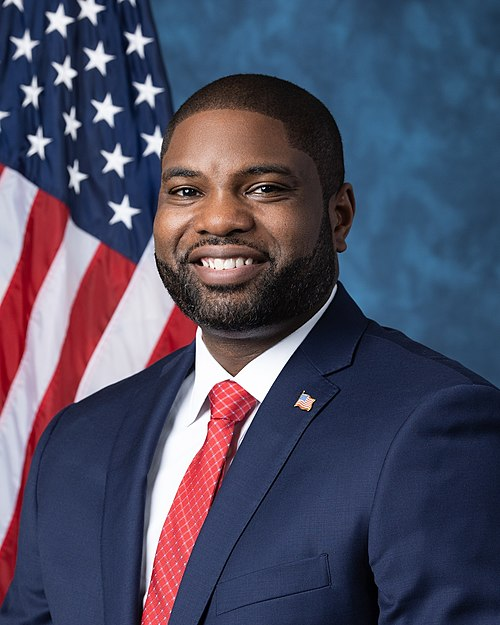
Co-Sponsor
-
TrackTroy Downing
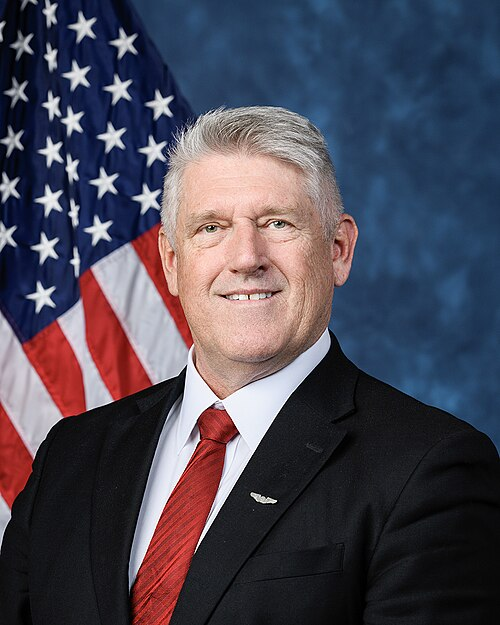
Co-Sponsor
-
TrackGabe Evans
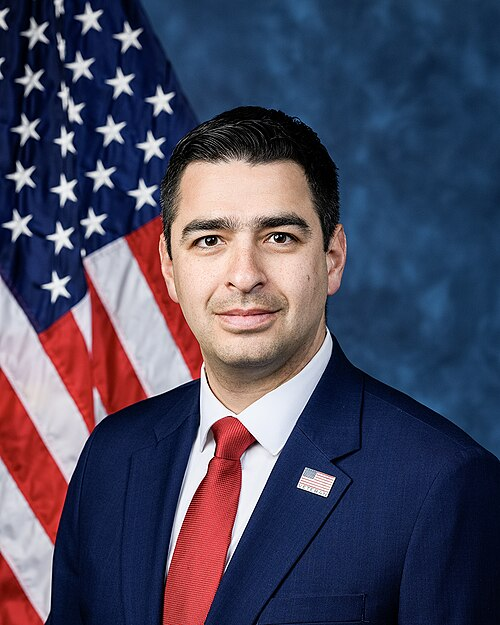
Co-Sponsor
-
TrackMike Ezell
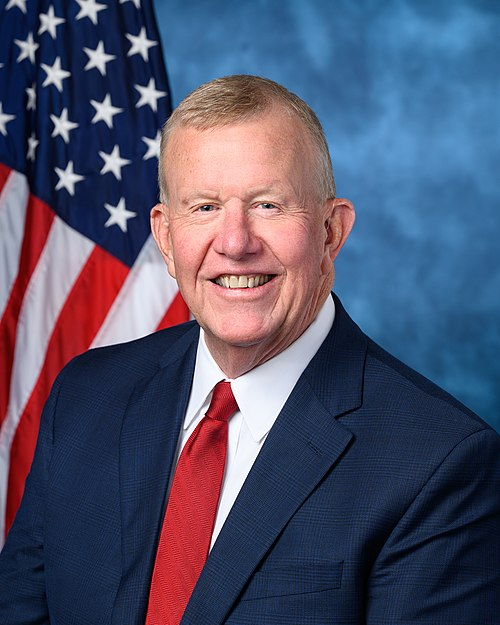
Co-Sponsor
-
TrackJulie Fedorchak
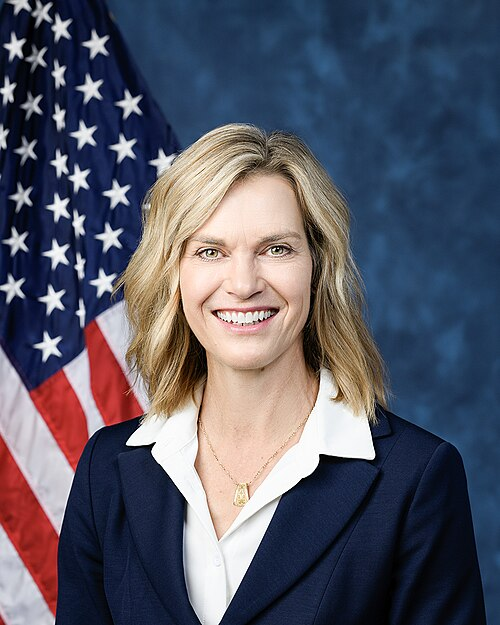
Co-Sponsor
-
TrackRandy Feenstra
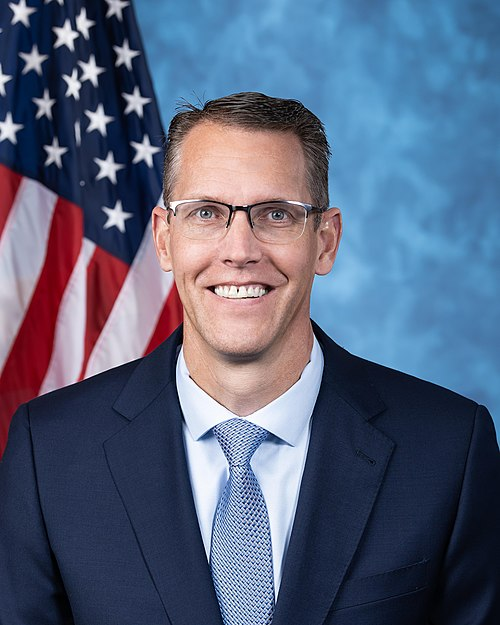
Co-Sponsor
-
TrackRandy Fine

Co-Sponsor
-
TrackCharles J. "Chuck" Fleischmann
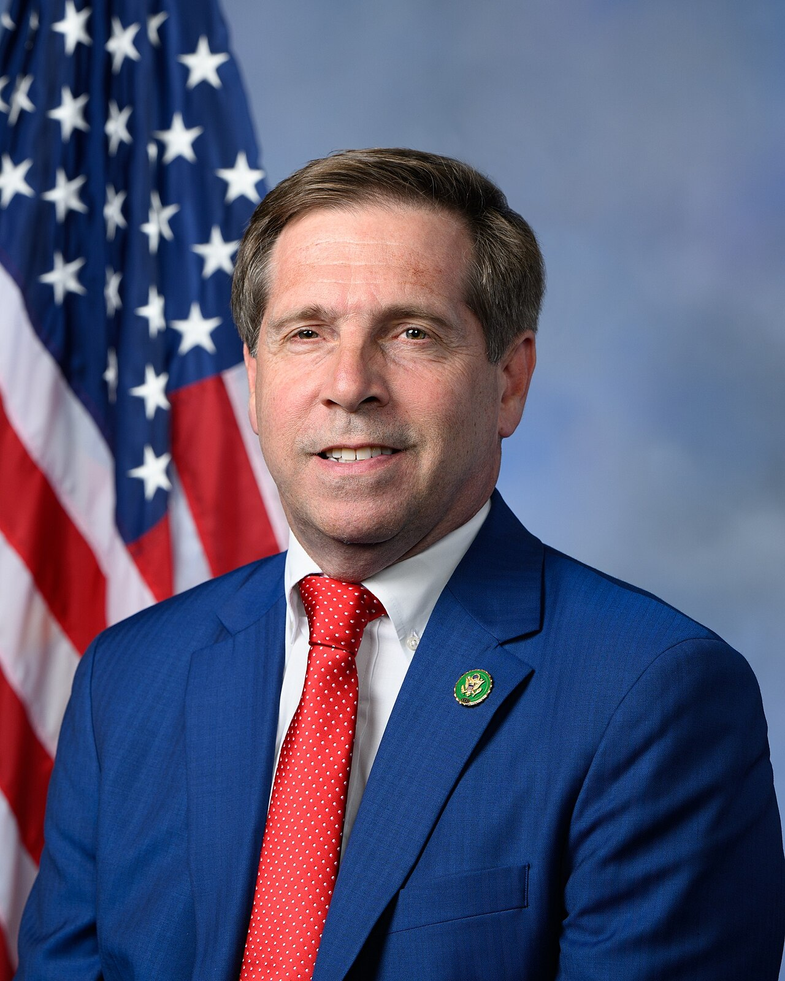
Co-Sponsor
-
TrackMike Flood
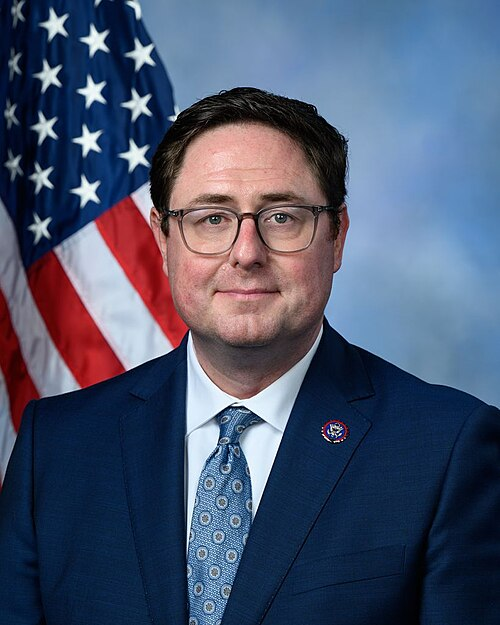
Co-Sponsor
-
TrackScott Franklin
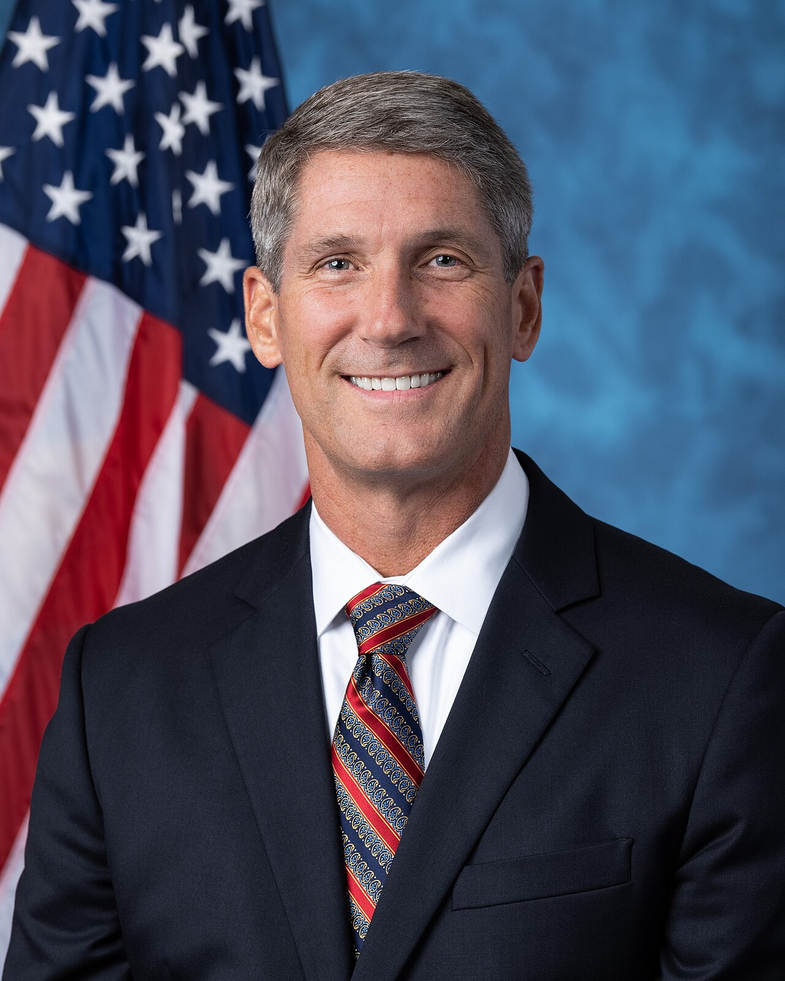
Co-Sponsor
-
TrackRussell Fry
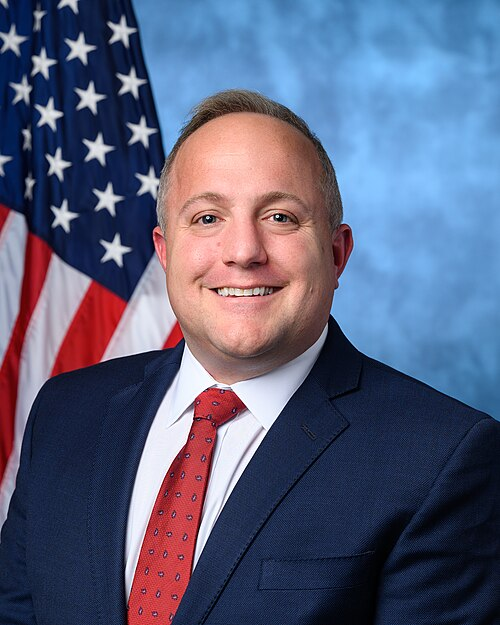
Co-Sponsor
-
TrackRuss Fulcher
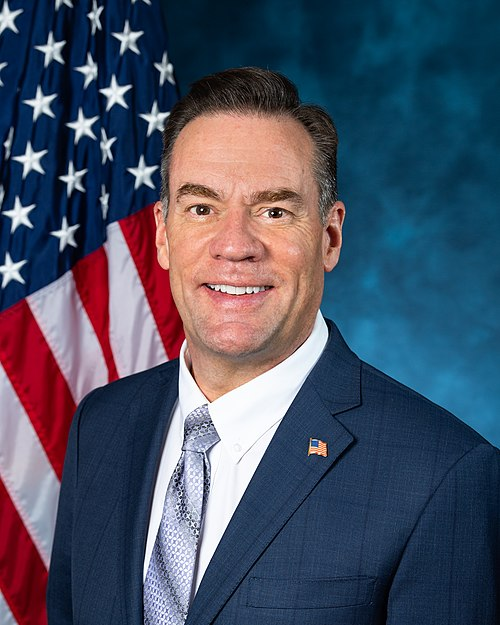
Co-Sponsor
-
TrackBrandon Gill
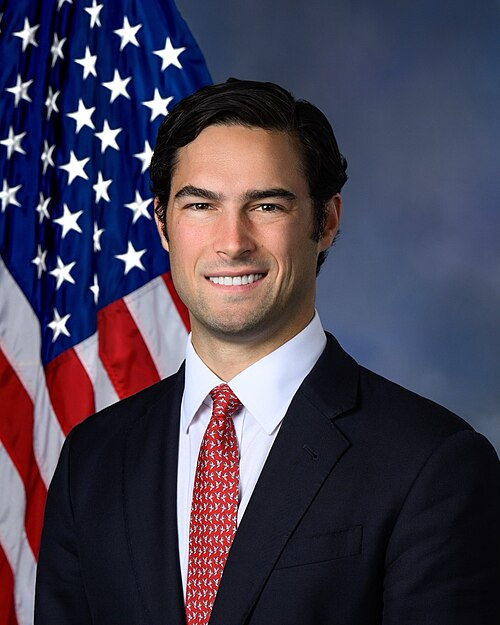
Co-Sponsor
-
TrackCraig Goldman
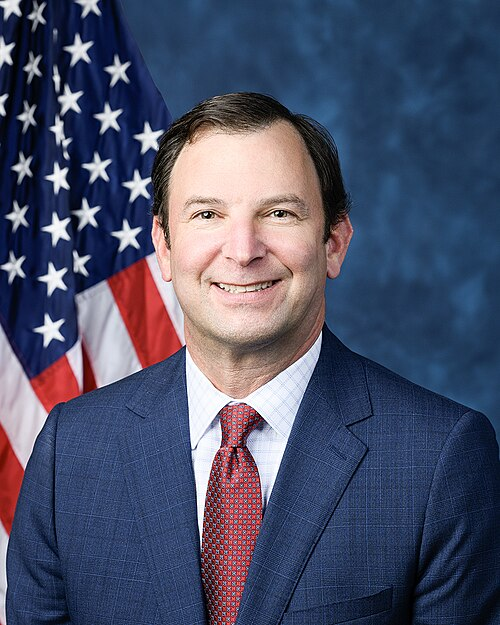
Co-Sponsor
-
TrackLance Gooden
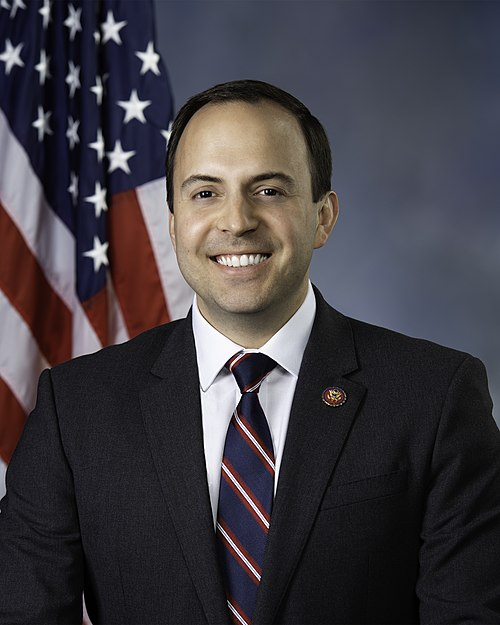
Co-Sponsor
-
TrackPaul A. Gosar
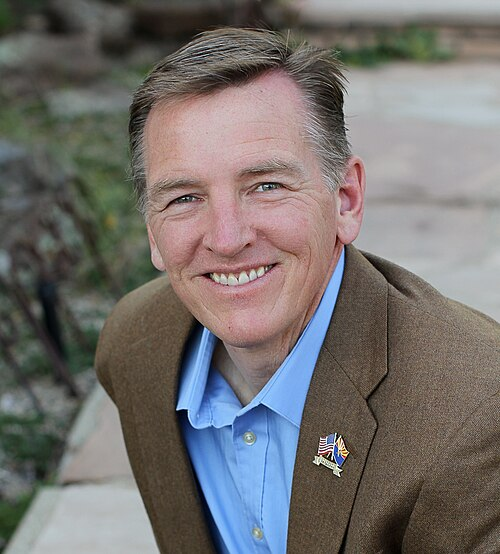
Co-Sponsor
-
TrackSam Graves
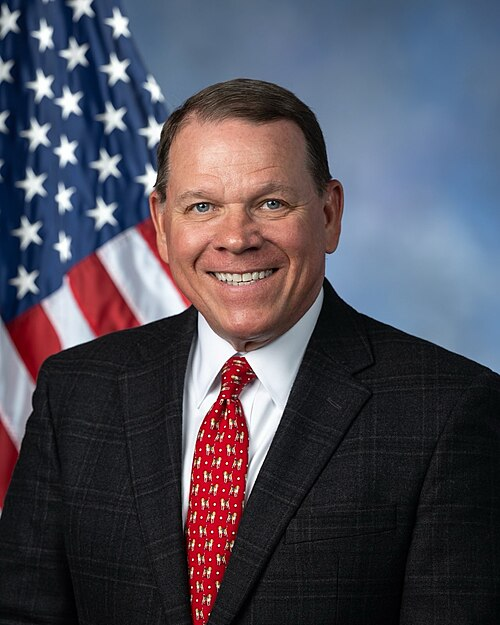
Co-Sponsor
-
TrackH. Morgan Griffith
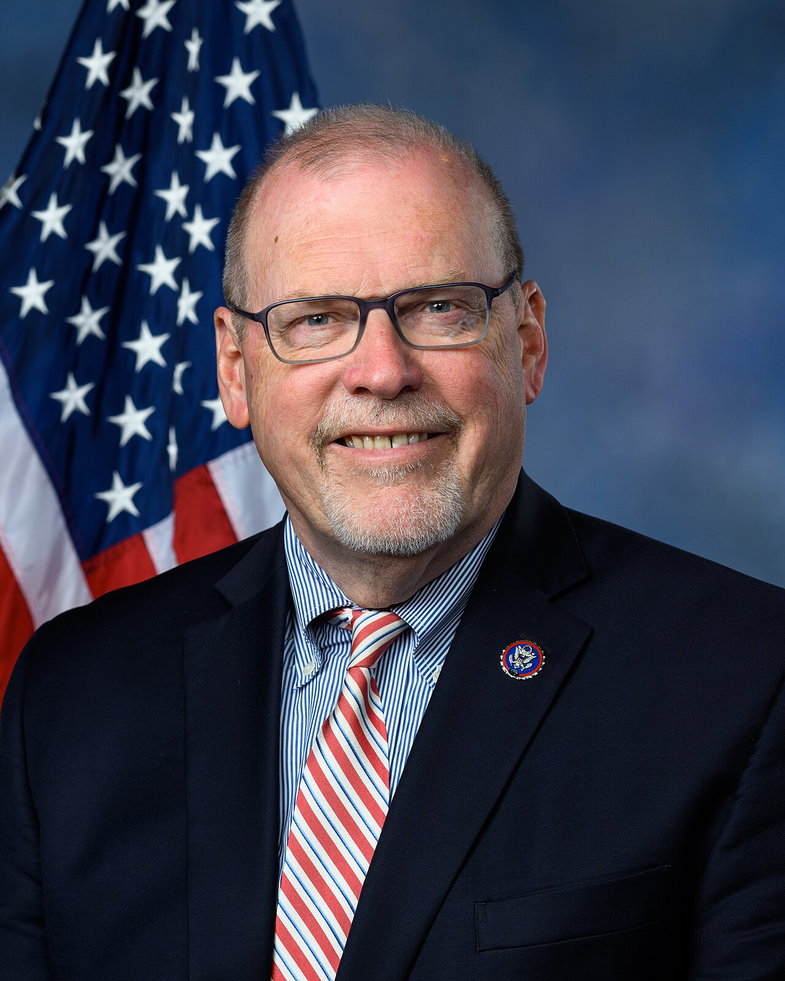
Co-Sponsor
-
TrackGlenn Grothman
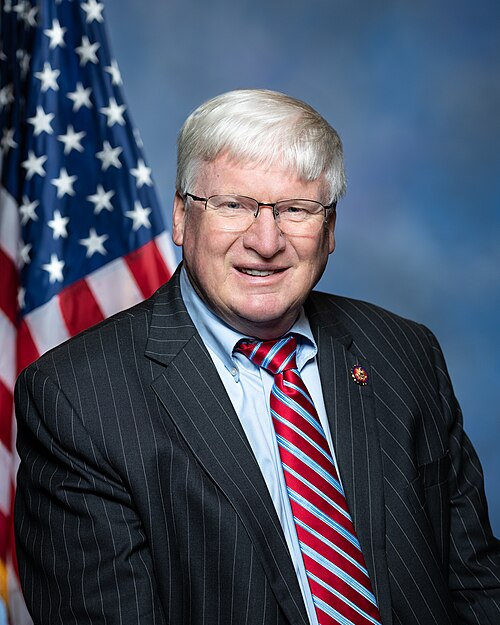
Co-Sponsor
-
TrackMichael Guest
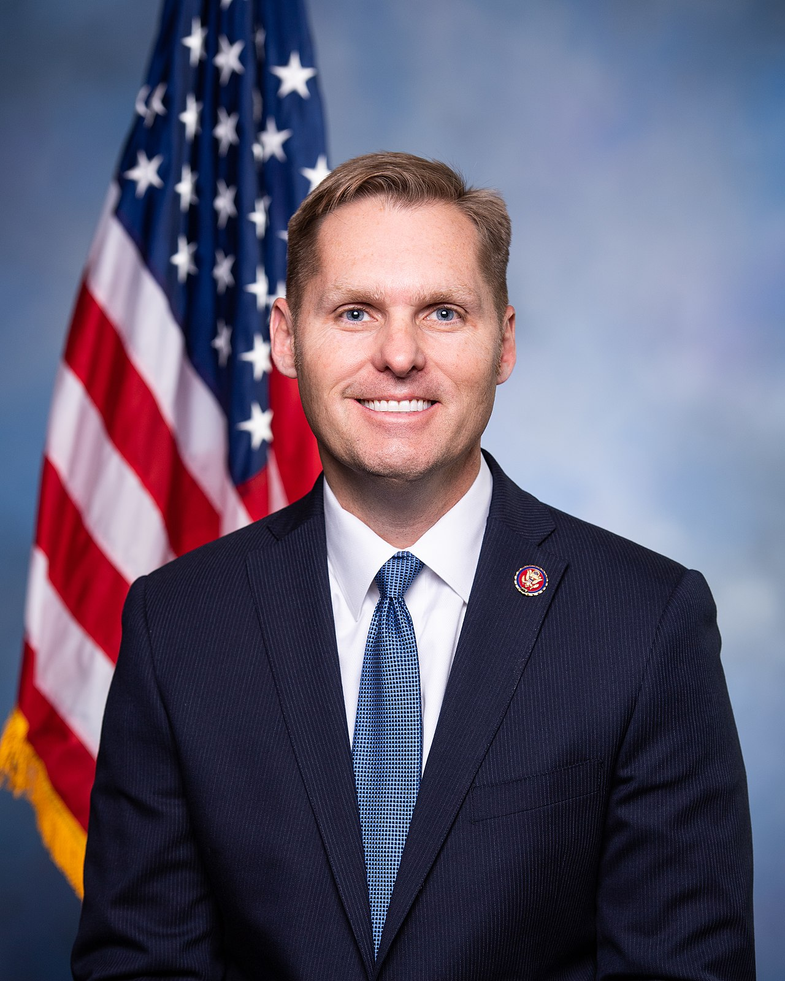
Co-Sponsor
-
TrackBrett Guthrie
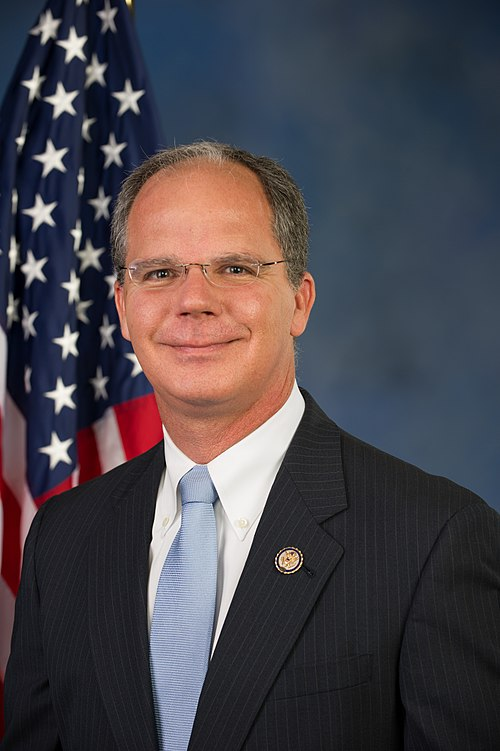
Co-Sponsor
-
TrackMike Haridopolos
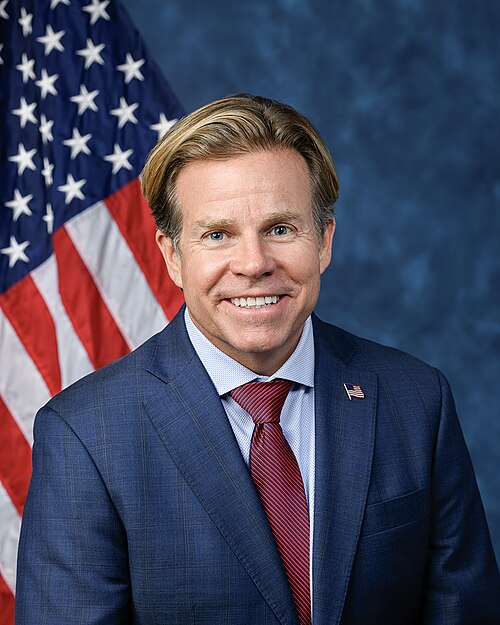
Co-Sponsor
-
TrackPat Harrigan
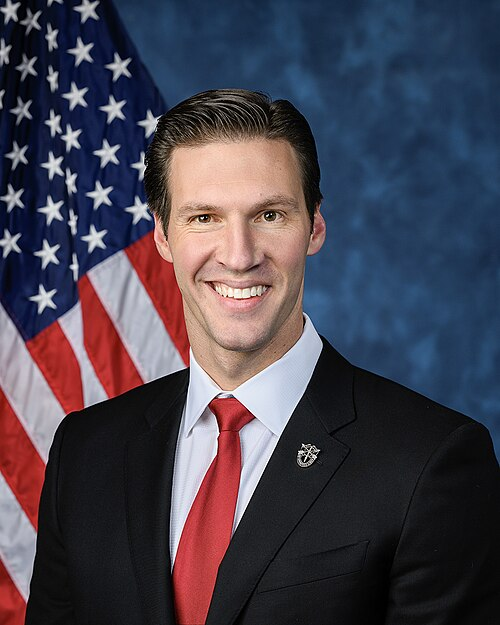
Co-Sponsor
-
TrackAndy Harris
Co-Sponsor
-
TrackMark Harris
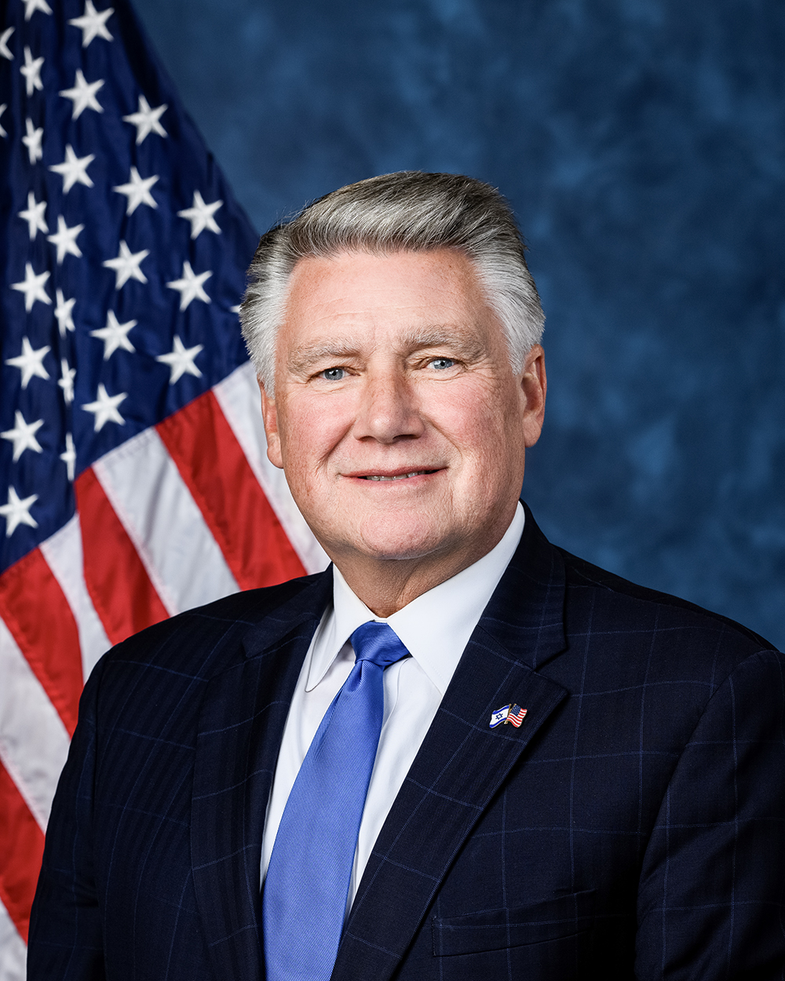
Co-Sponsor
-
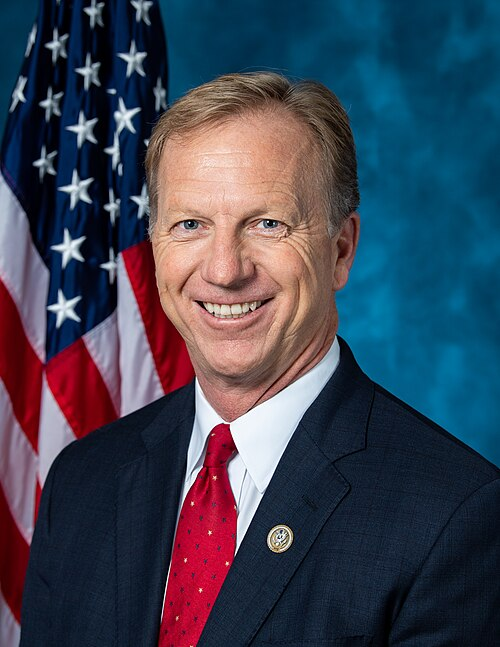
TrackKevin Hern
Co-Sponsor
-
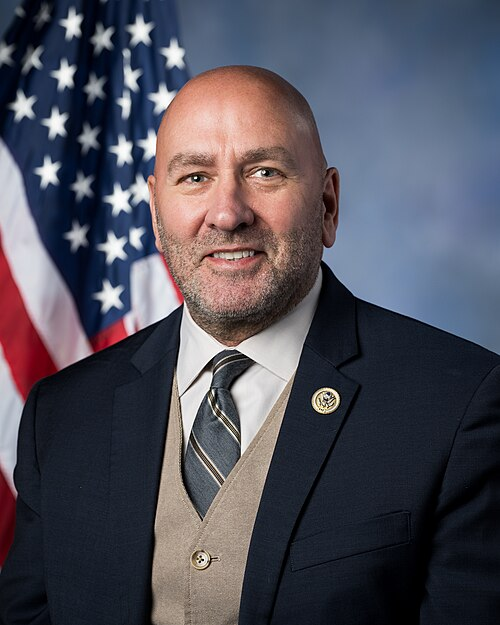
TrackClay Higgins
Co-Sponsor
-
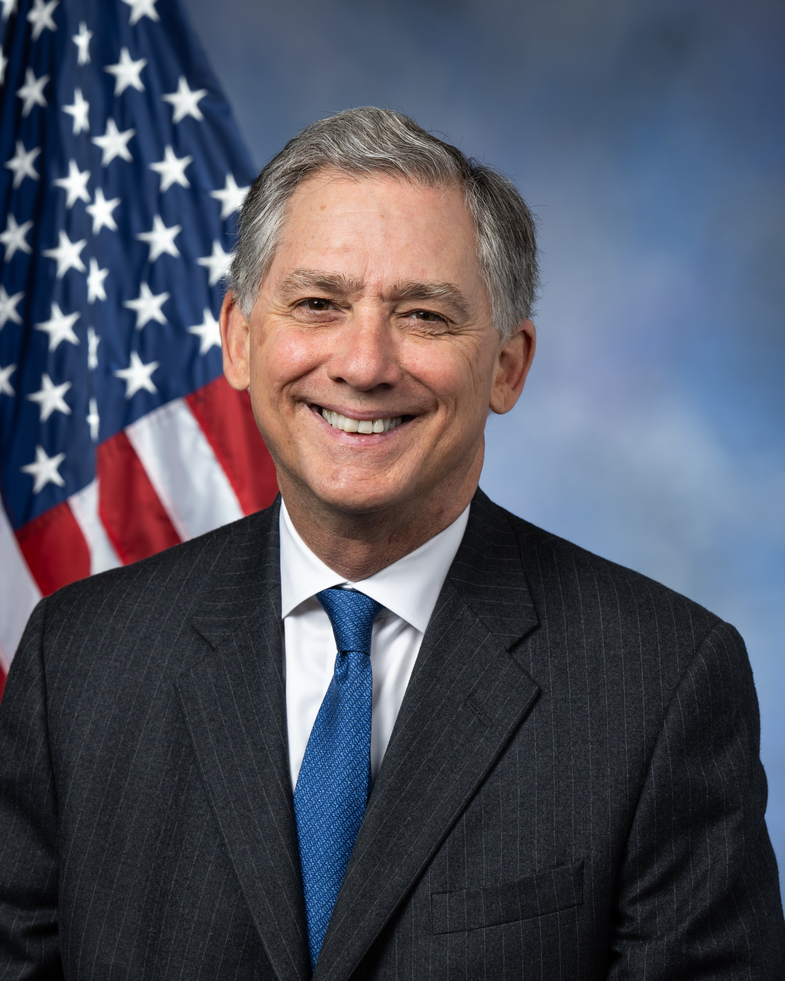
TrackJ. French Hill
Co-Sponsor
-
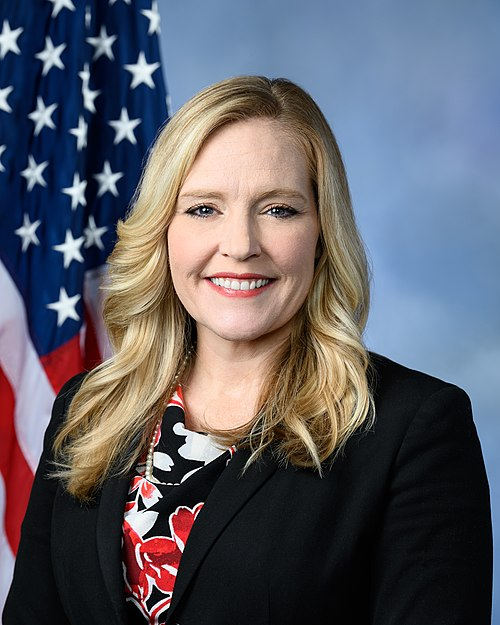
TrackErin Houchin
Co-Sponsor
-
TrackRichard Hudson
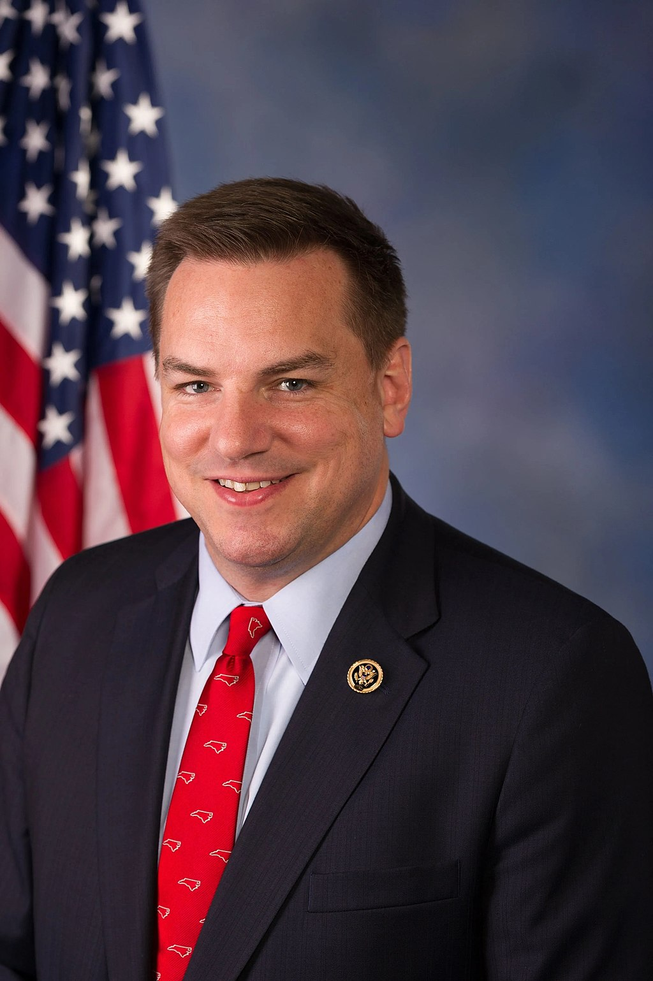
Co-Sponsor
-
TrackWesley Hunt
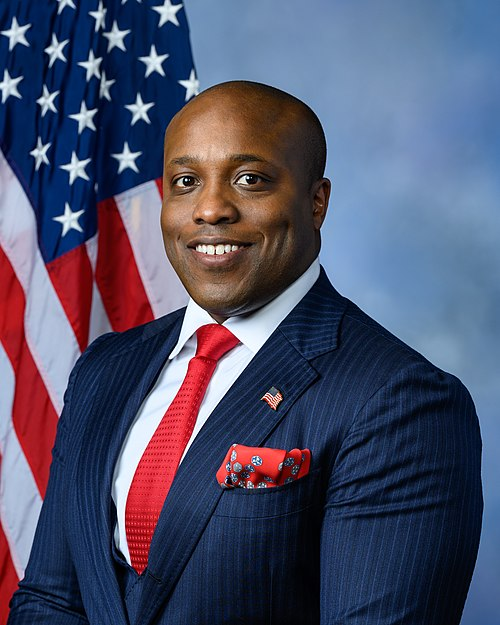
Co-Sponsor
-
TrackJeff Hurd
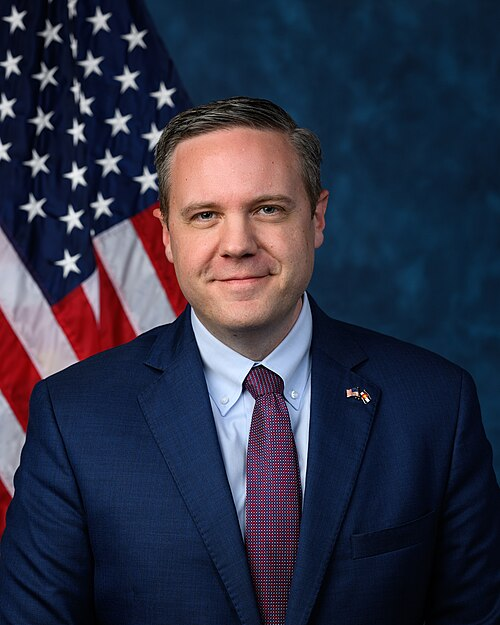
Co-Sponsor
-
TrackBrian Jack
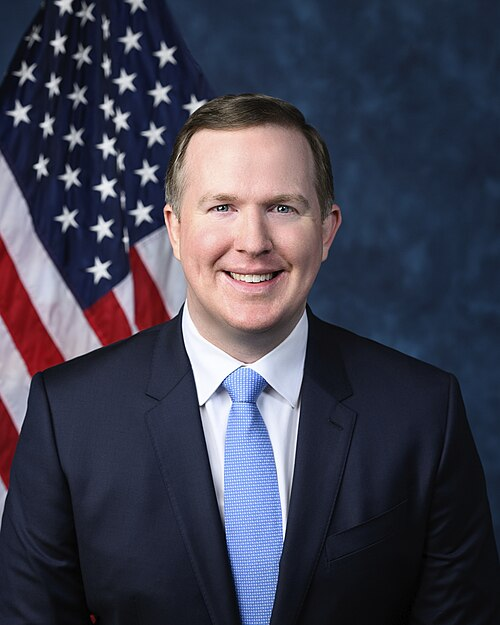
Co-Sponsor
-
TrackRonny Jackson
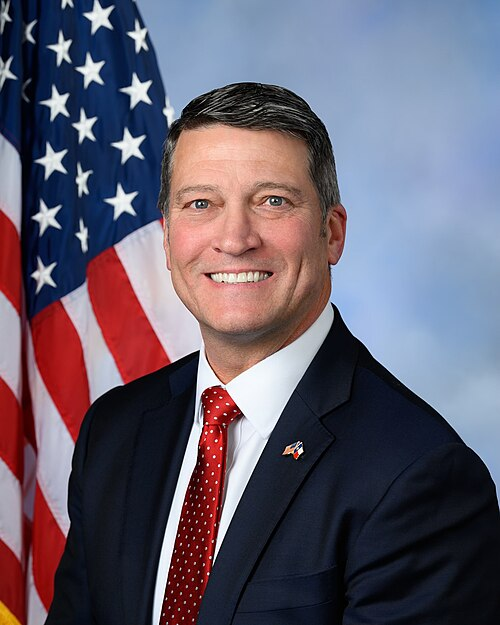
Co-Sponsor
-
TrackMike Kennedy
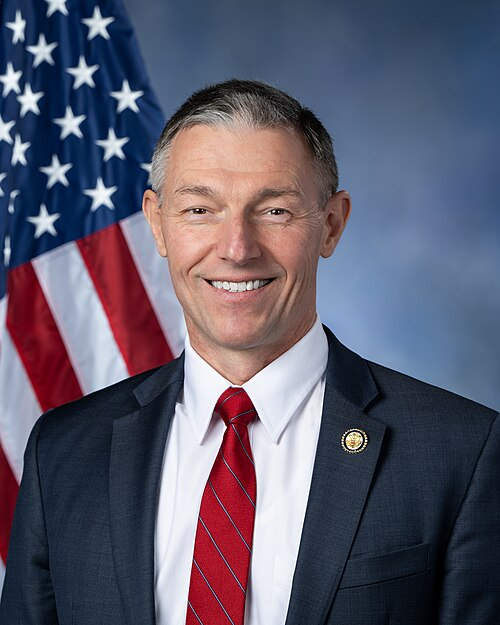
Co-Sponsor
-
TrackBrad Knott
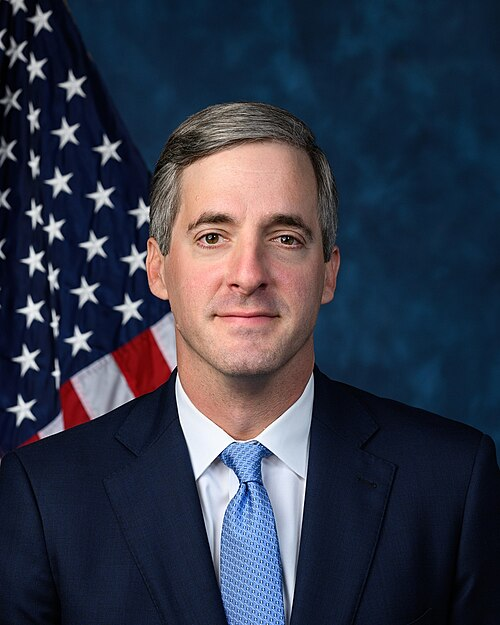
Co-Sponsor
-
TrackDavid Kustoff
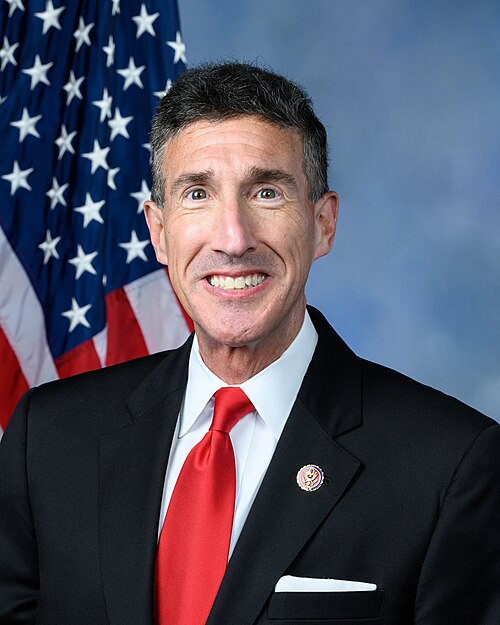
Co-Sponsor
-
TrackNicholas A. Langworthy
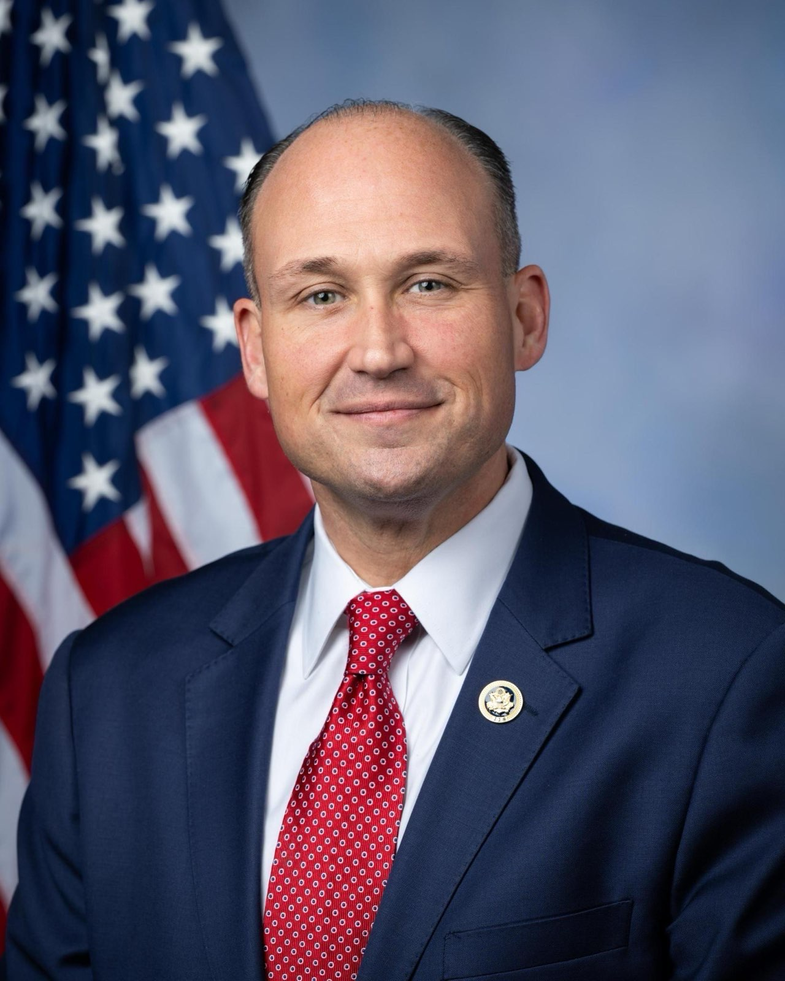
Co-Sponsor
-
TrackRobert E. Latta
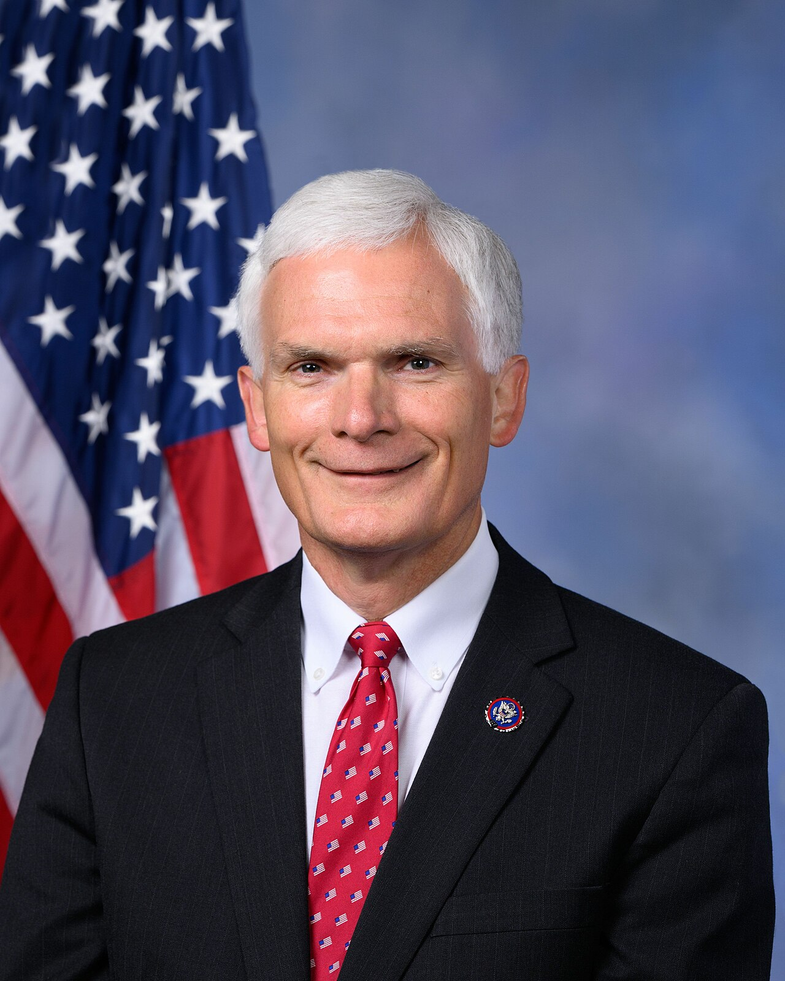
Co-Sponsor
-
TrackLaurel M. Lee
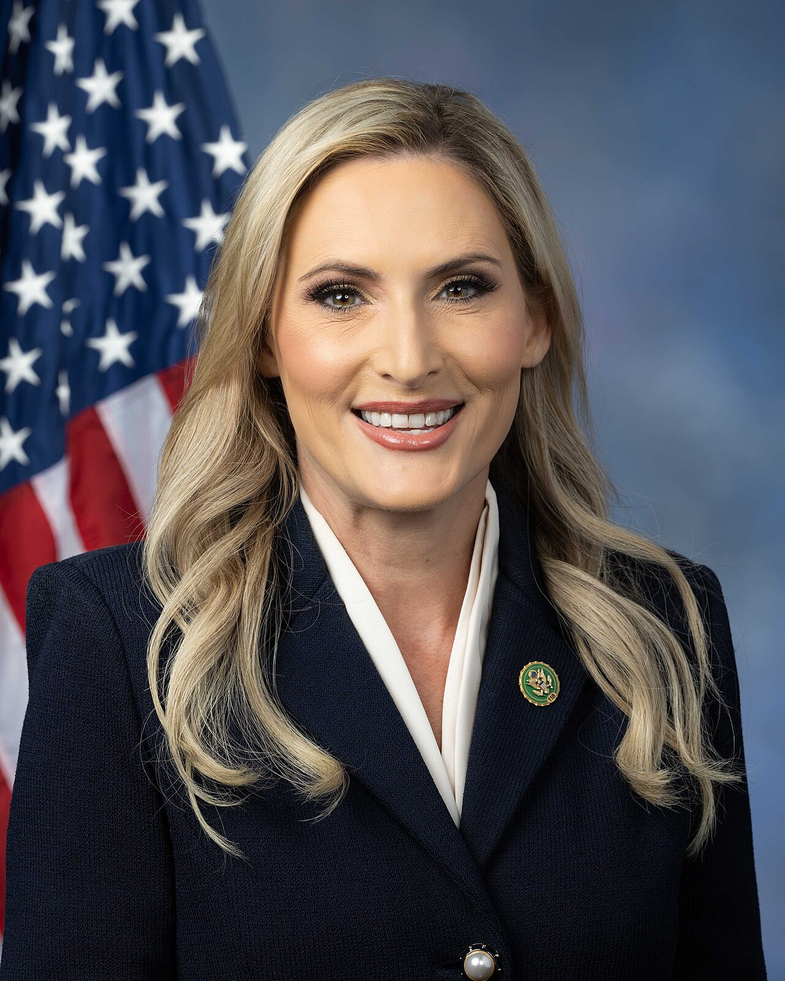
Co-Sponsor
-
TrackJulia Letlow

Co-Sponsor
-
TrackBarry Loudermilk
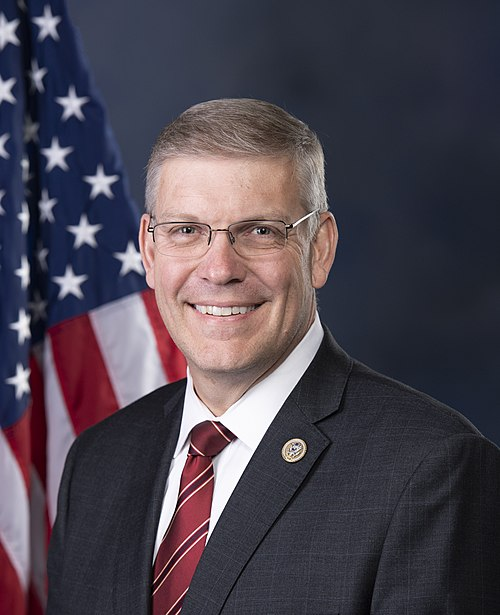
Co-Sponsor
-
TrackAnna Paulina Luna
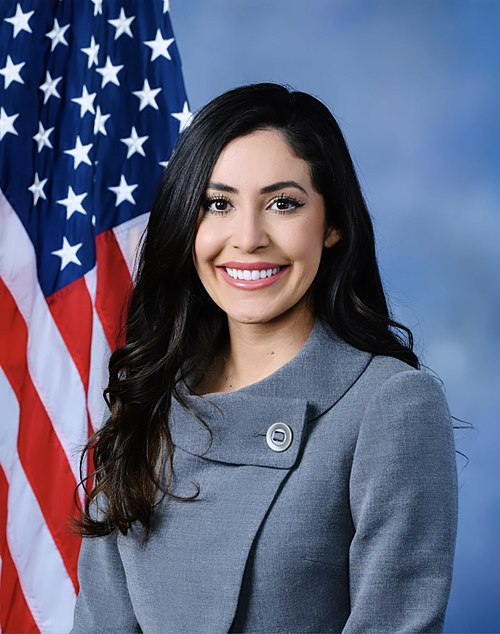
Co-Sponsor
-
TrackNancy Mace
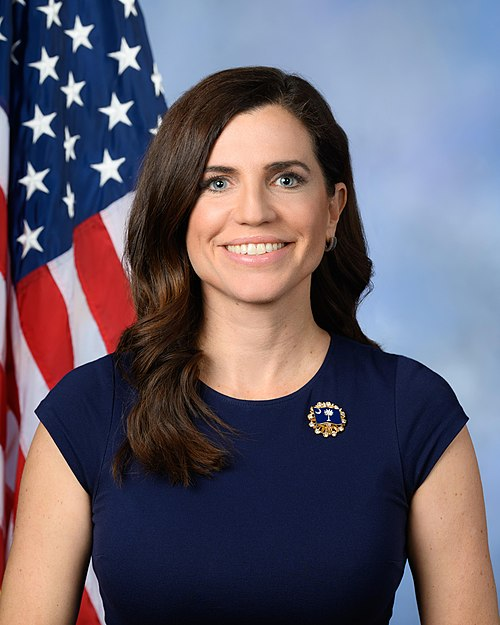
Co-Sponsor
-
TrackTracey Mann
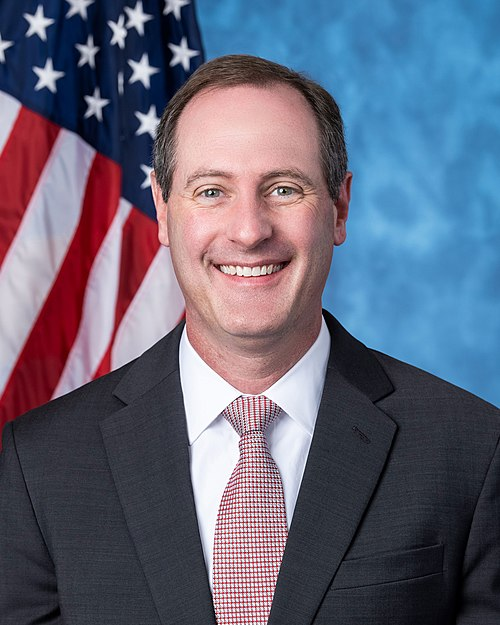
Co-Sponsor
-
TrackRichard McCormick
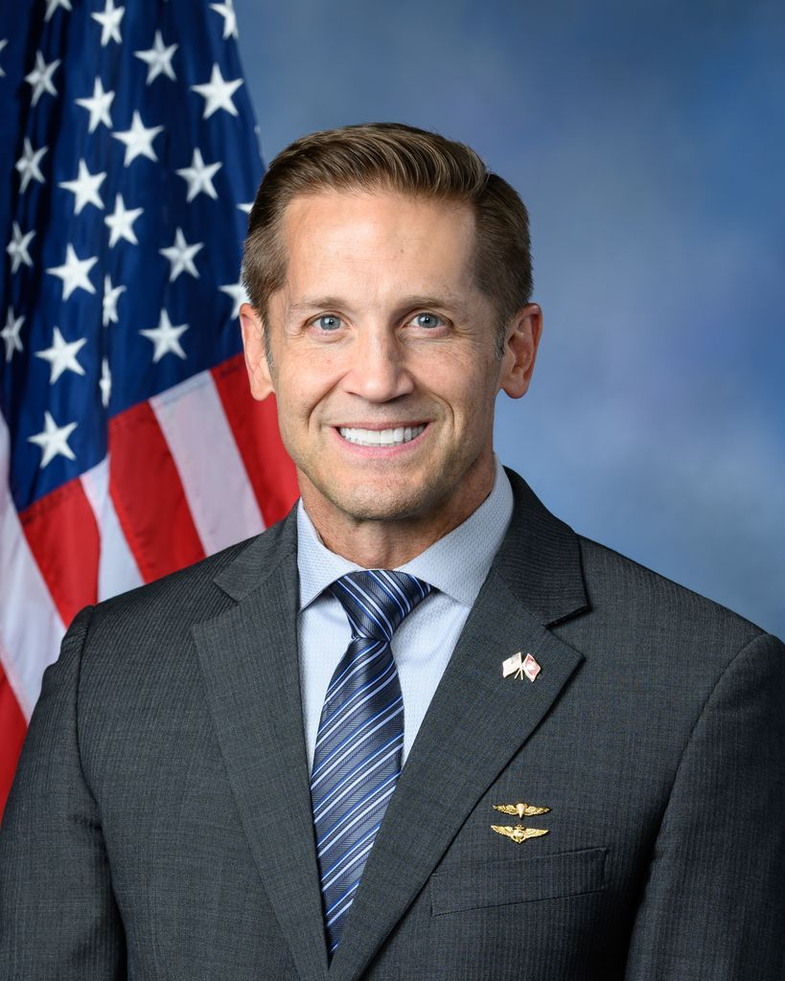
Co-Sponsor
-
TrackAddison McDowell
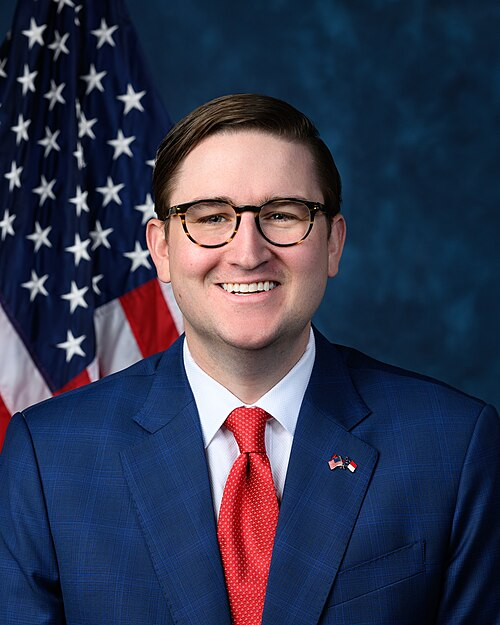
Co-Sponsor
-
TrackJohn McGuire
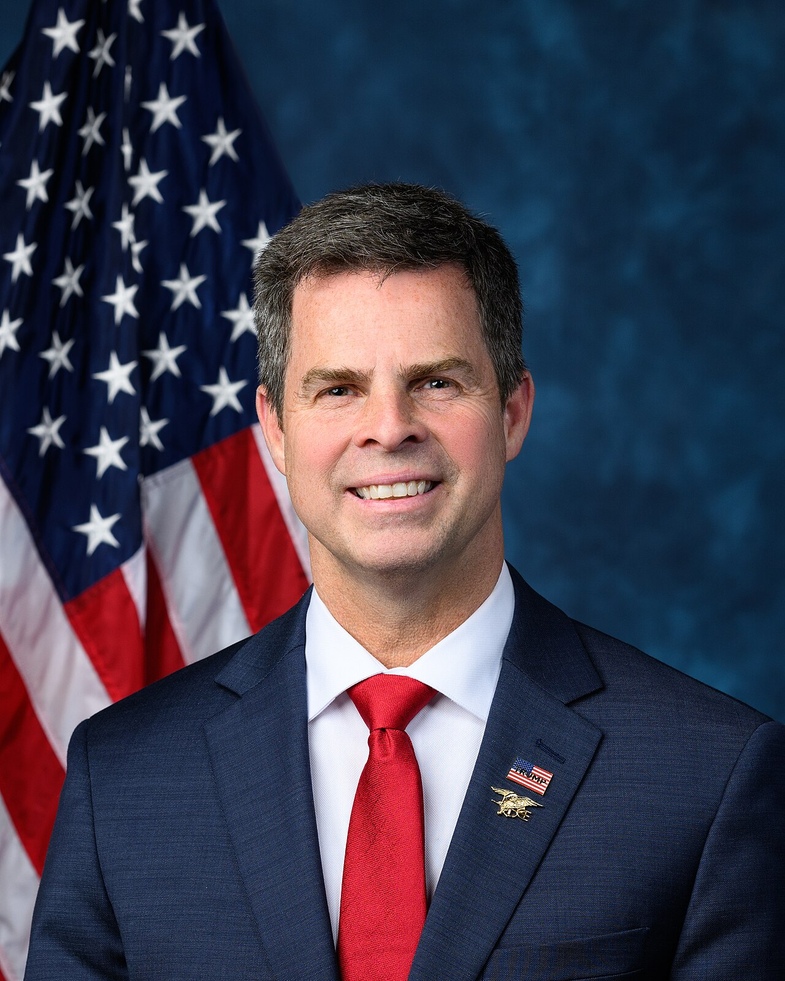
Co-Sponsor
-
TrackMax L. Miller
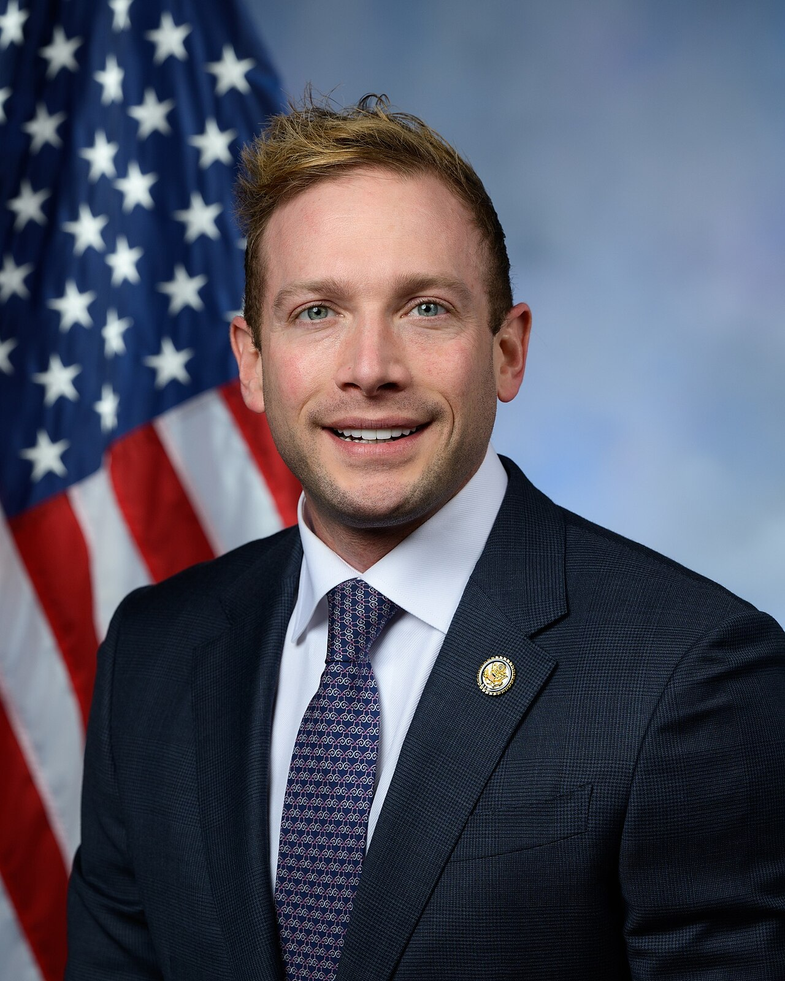
Co-Sponsor
-
TrackMary E. Miller
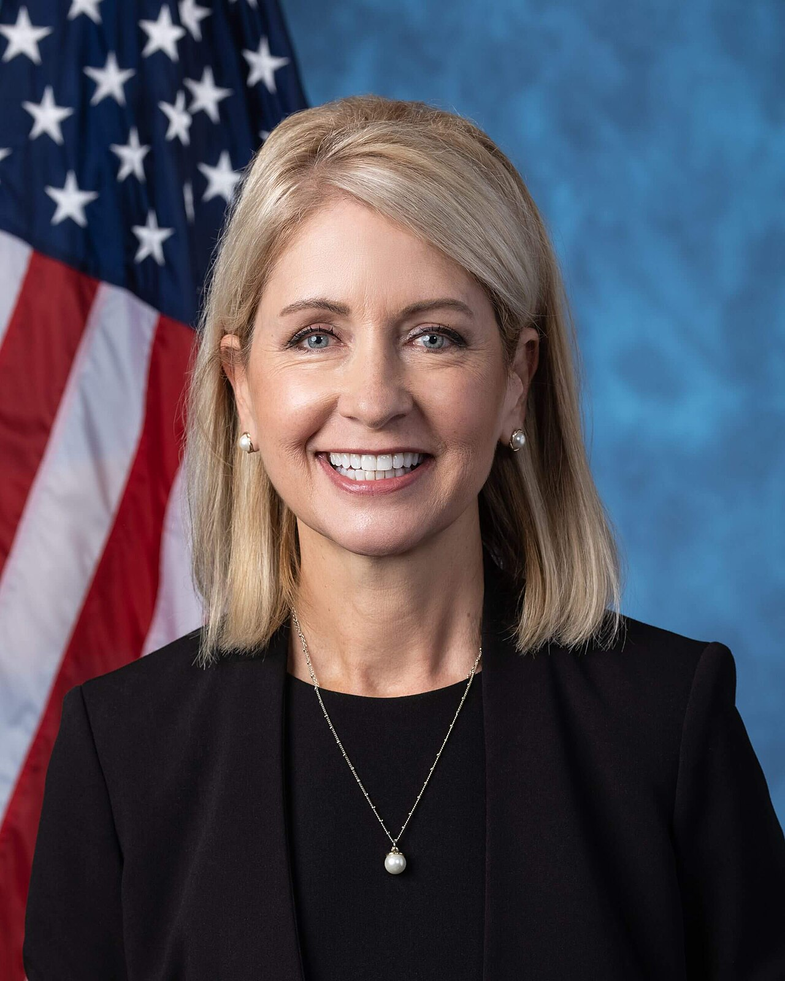
Co-Sponsor
-
TrackCory Mills
Co-Sponsor
-
TrackJohn R. Moolenaar
Co-Sponsor
-
TrackRiley Moore
Co-Sponsor
-
TrackTim Moore
Co-Sponsor
-
TrackBlake D. Moore
Co-Sponsor
-
TrackBarry Moore
Co-Sponsor
-
TrackGregory F. Murphy
Co-Sponsor
-
TrackRalph Norman
Co-Sponsor
-
TrackBurgess Owens
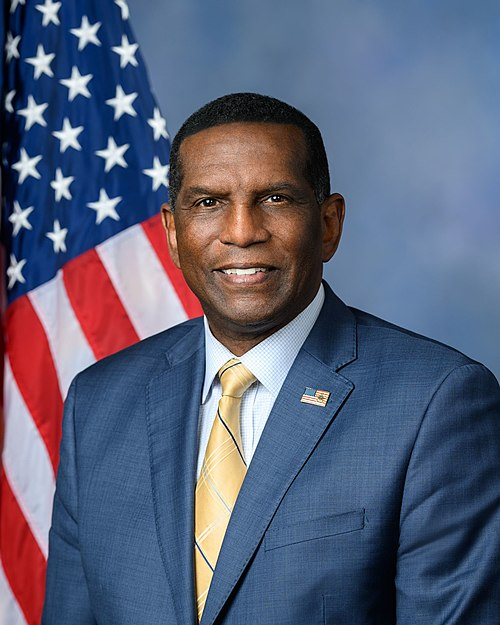
Co-Sponsor
-
TrackJimmy Patronis

Co-Sponsor
-
TrackAugust Pfluger
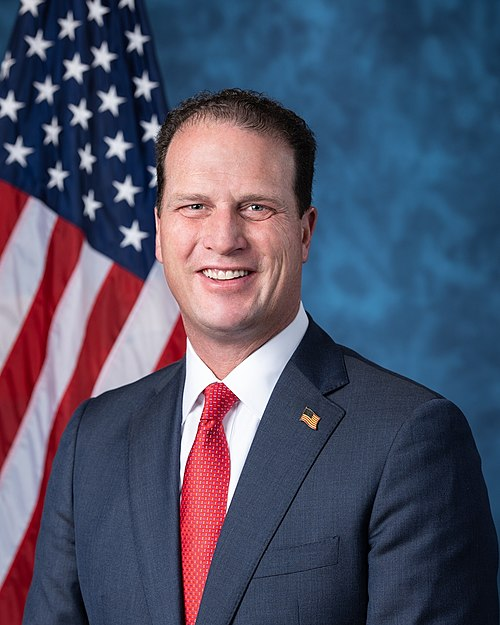
Co-Sponsor
-
TrackGuy Reschenthaler
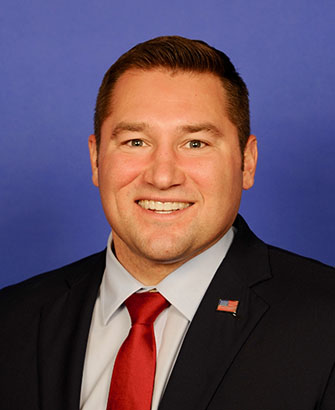
Co-Sponsor
-
TrackMike Rogers
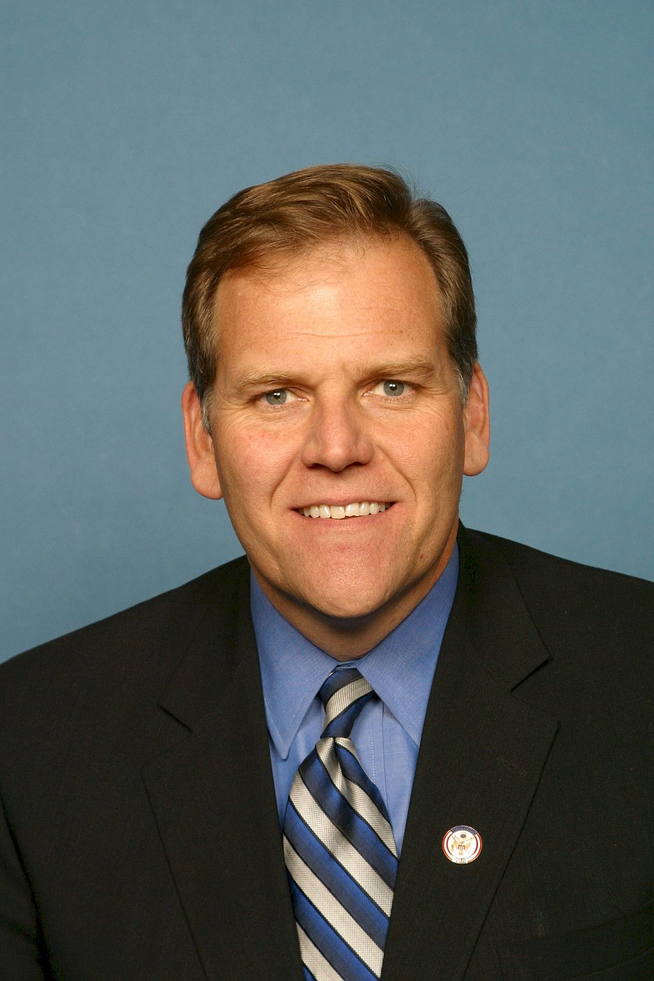
Co-Sponsor
-
TrackJohn W. Rose
Co-Sponsor
-
TrackDavid Rouzer
Co-Sponsor
-
TrackMichael A. Rulli
Co-Sponsor
-
TrackJohn H. Rutherford
Co-Sponsor
-
TrackAustin Scott
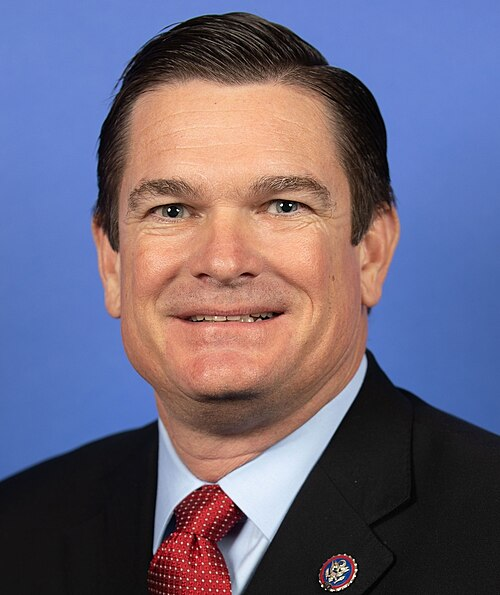
Co-Sponsor
-
TrackPete Sessions
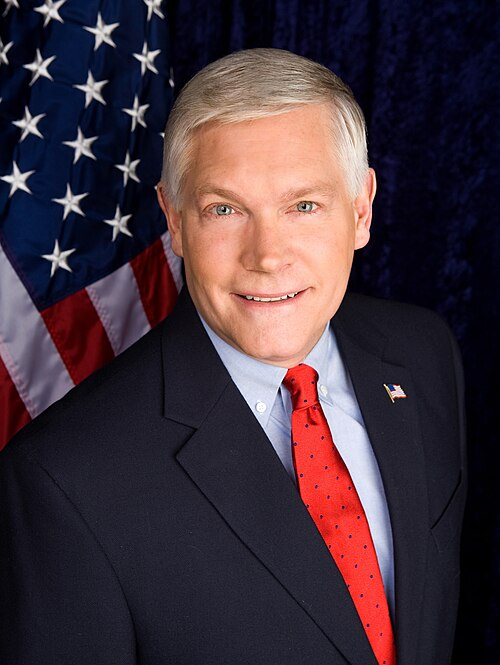
Co-Sponsor
-
TrackJefferson Shreve
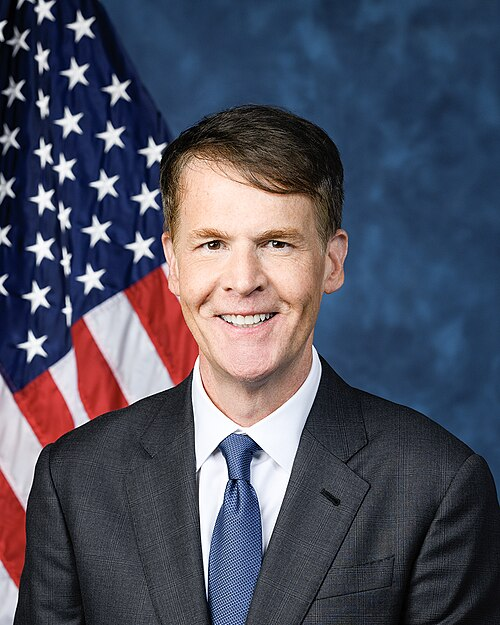
Co-Sponsor
-
TrackMichael K. Simpson
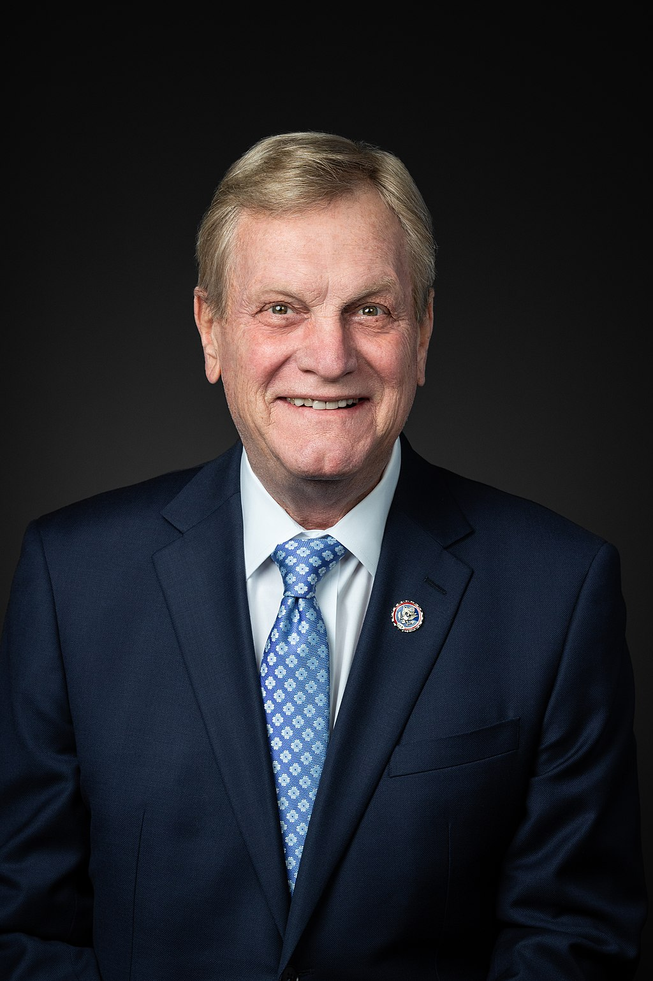
Co-Sponsor
-
TrackJason Smith
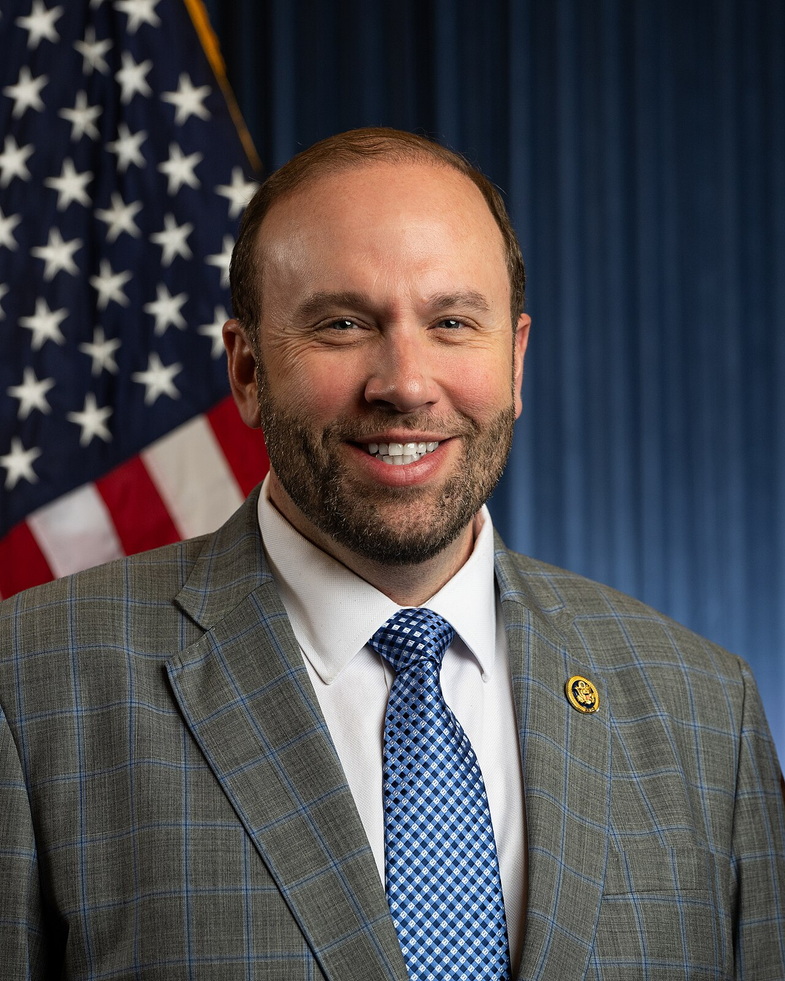
Co-Sponsor
-
TrackAdrian Smith
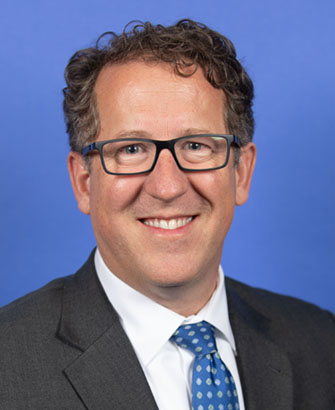
Co-Sponsor
-
TrackPete Stauber
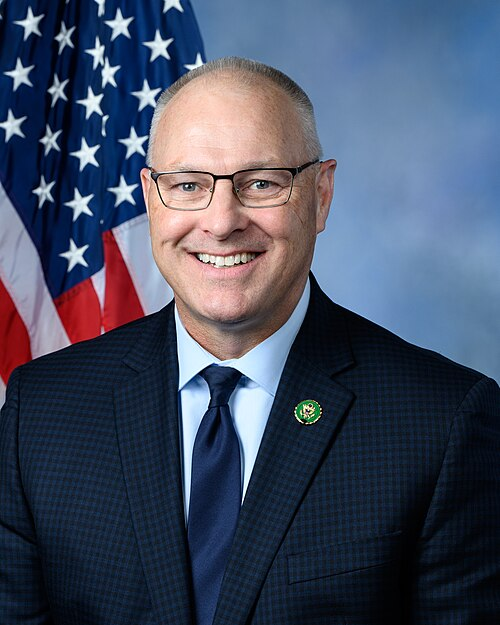
Co-Sponsor
-
TrackW. Gregory Steube
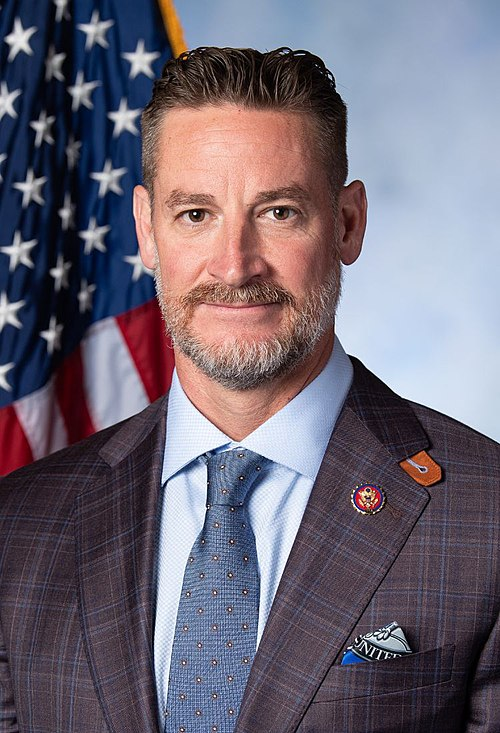
Co-Sponsor
-
TrackDale W. Strong
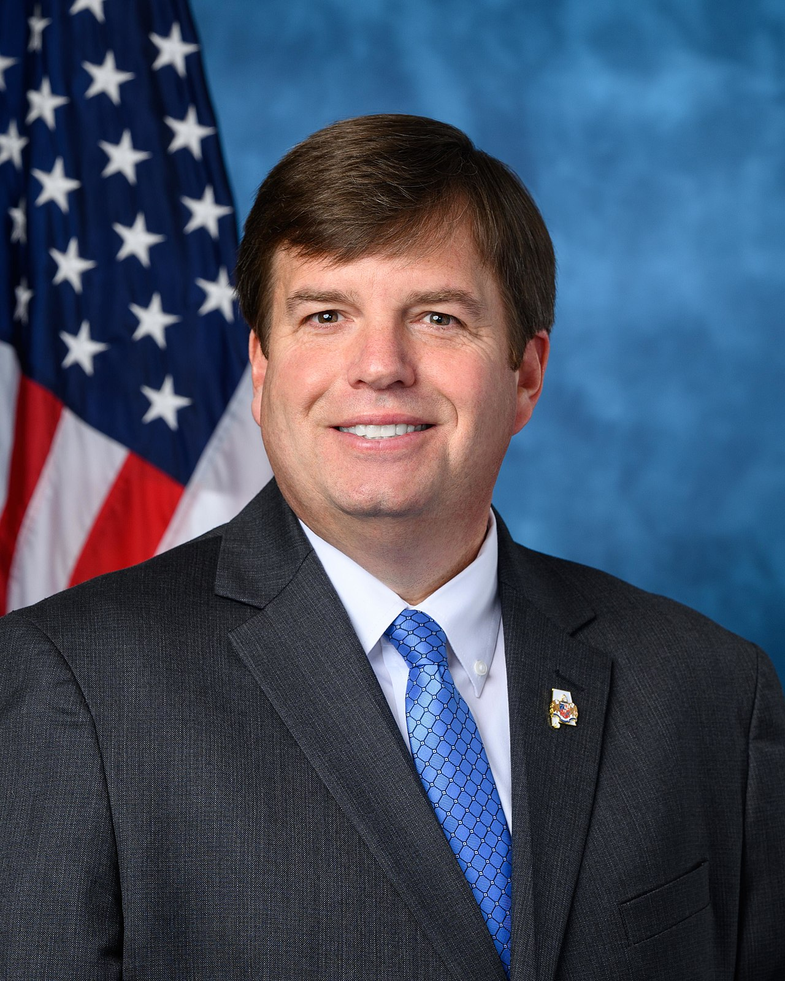
Co-Sponsor
-
TrackMarlin A. Stutzman
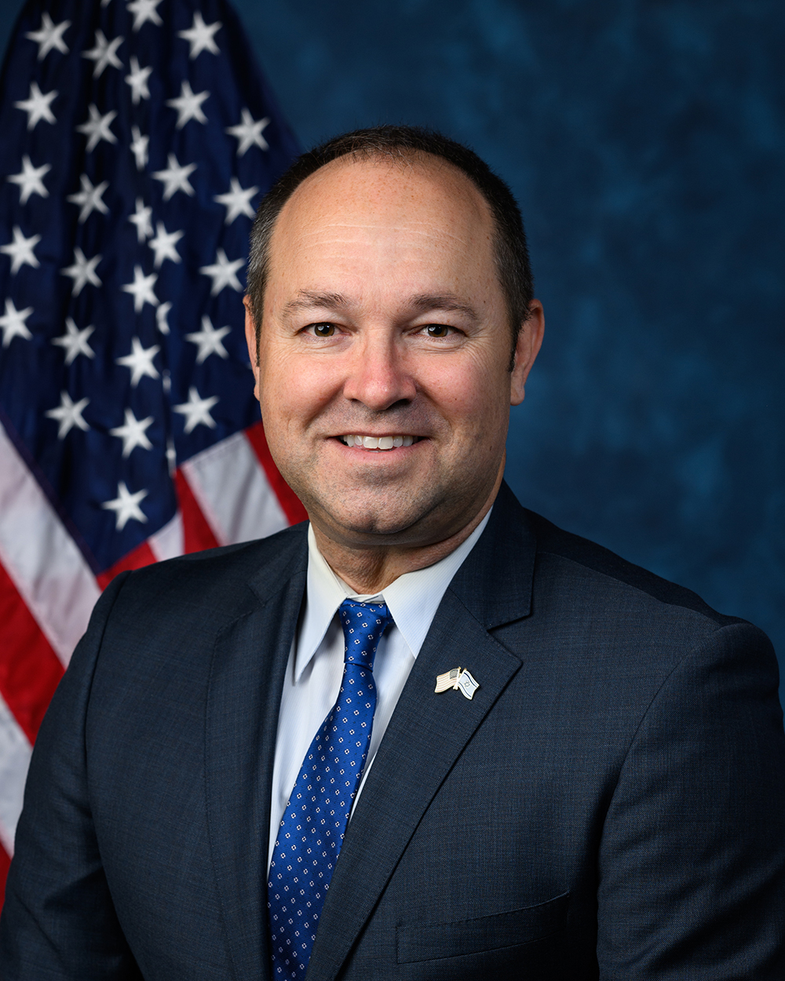
Co-Sponsor
-
TrackDavid Taylor
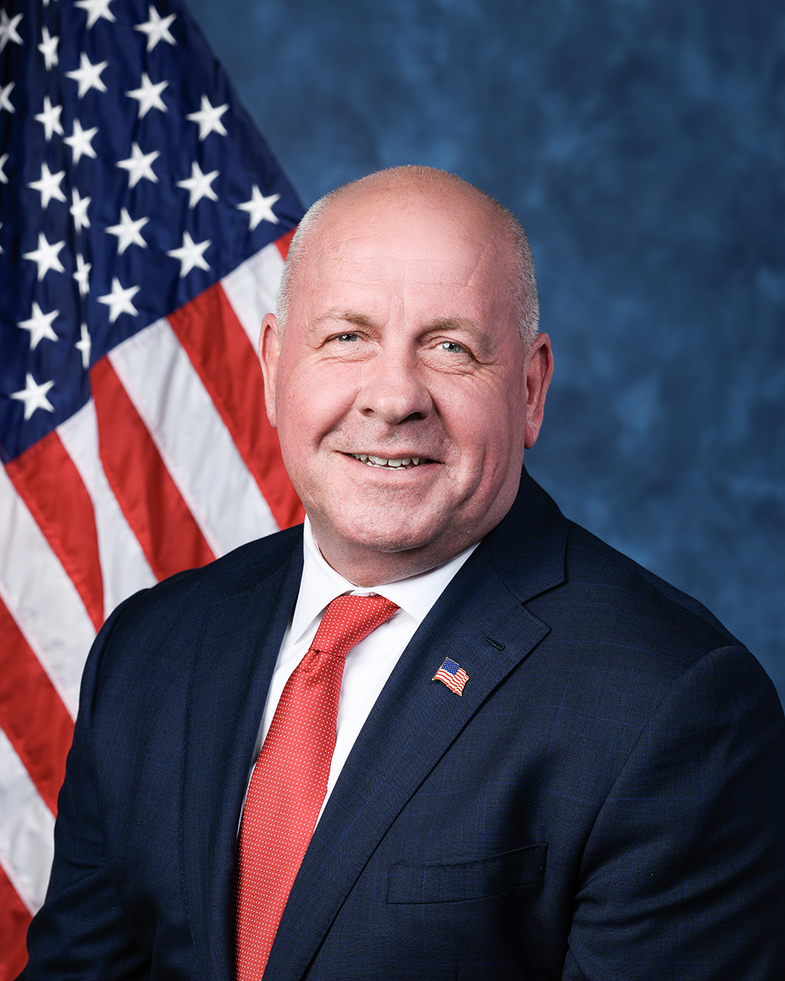
Co-Sponsor
-
TrackClaudia Tenney
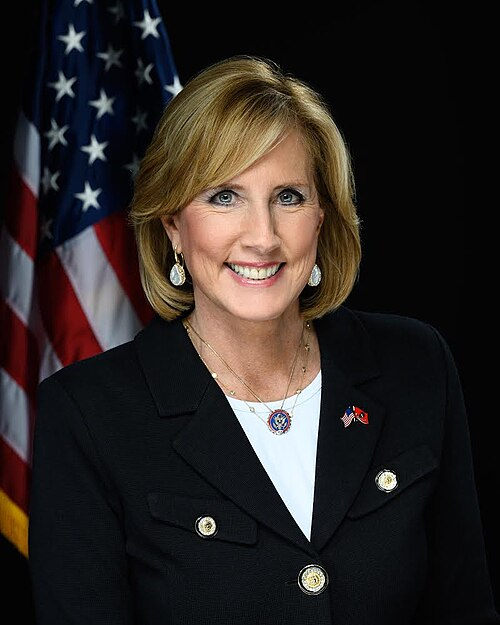
Co-Sponsor
-
TrackGlenn Thompson
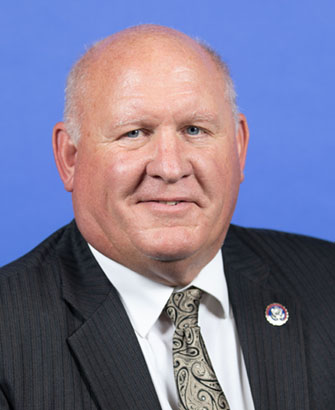
Co-Sponsor
-
TrackThomas P. Tiffany
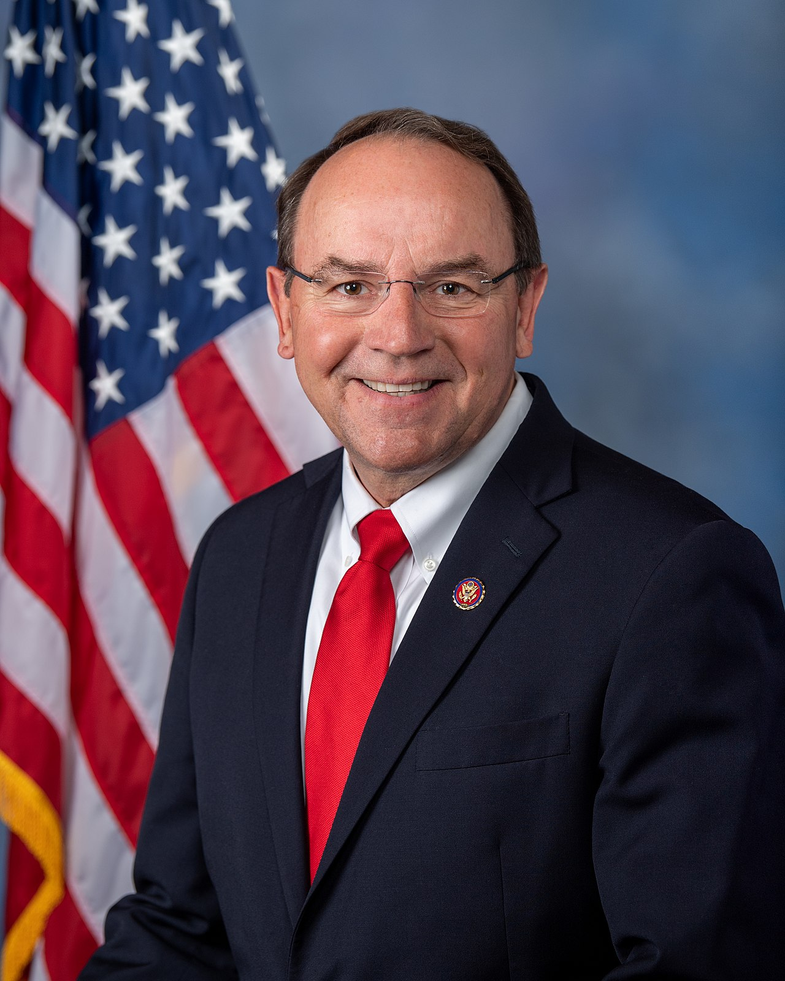
Co-Sponsor
-
TrackWilliam R. Timmons IV
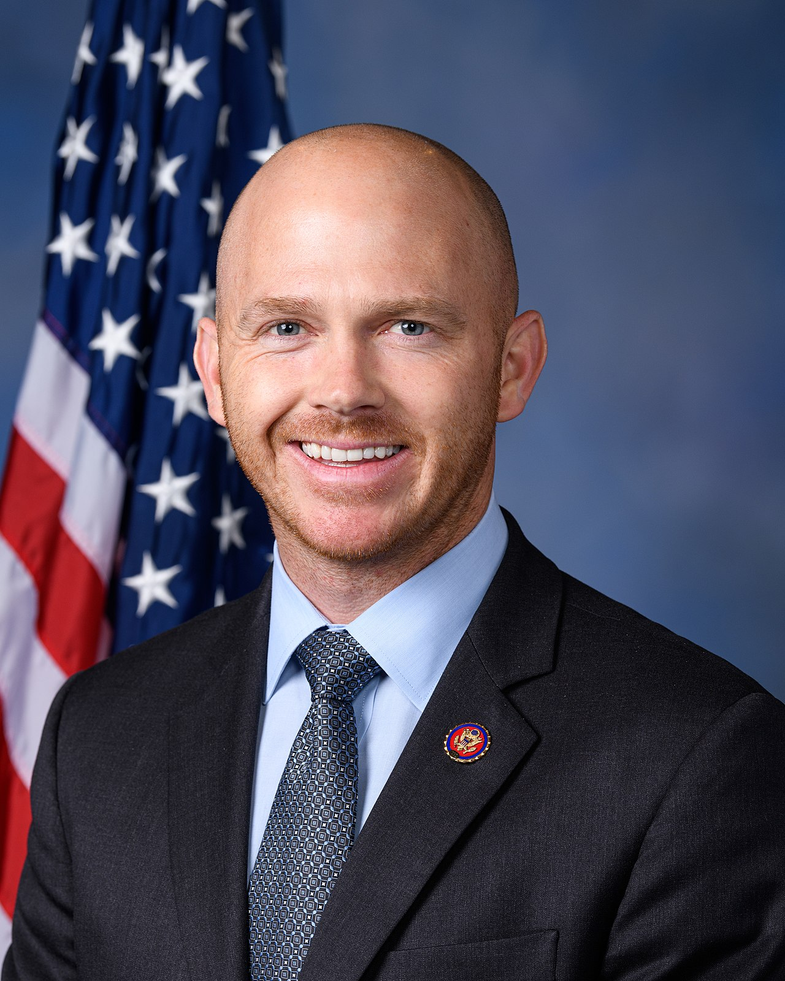
Co-Sponsor
-
TrackMatthew Van Epps

Co-Sponsor
-
TrackDerrick Van Orden
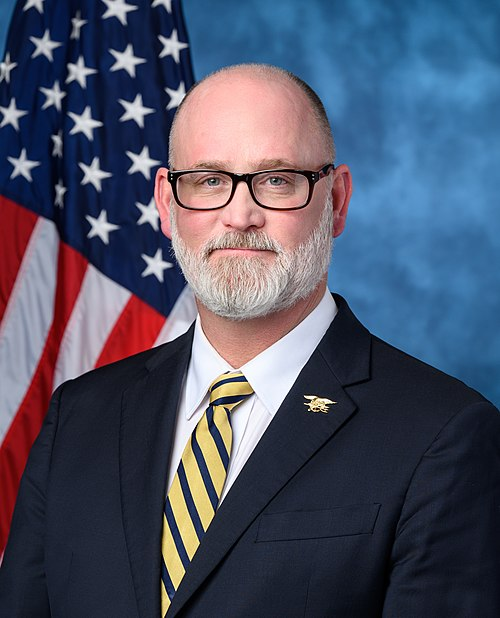
Co-Sponsor
-
TrackAnn Wagner
Co-Sponsor
-
TrackTim Walberg
Co-Sponsor
-
TrackRandy K. Weber, Sr.
Co-Sponsor
-
TrackDaniel Webster
Co-Sponsor
-
TrackBruce Westerman
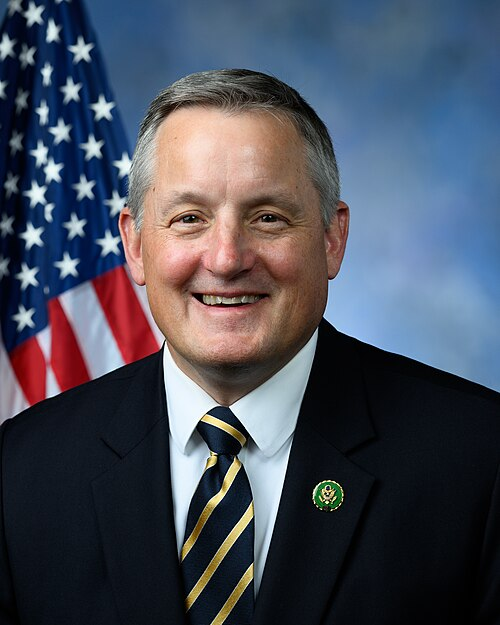
Co-Sponsor
-
TrackTony Wied
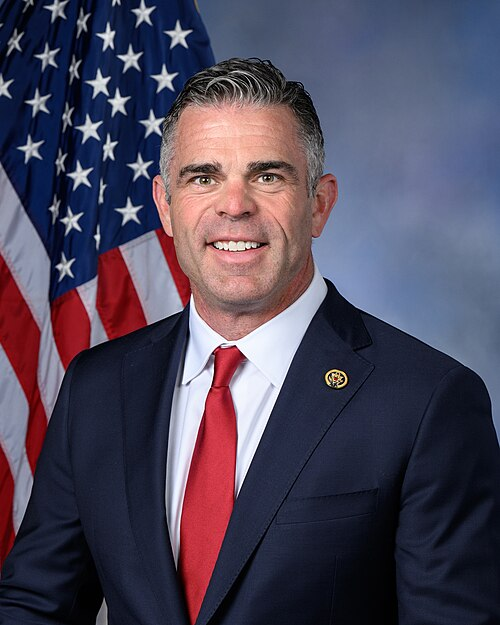
Co-Sponsor
-
TrackJoe Wilson
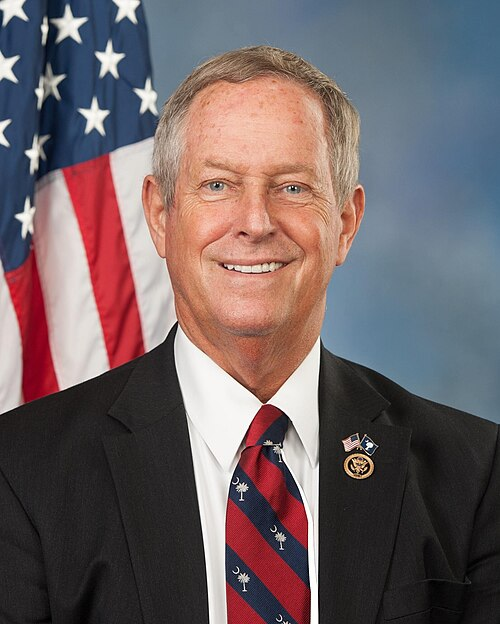
Co-Sponsor
-
TrackRobert J. Wittman
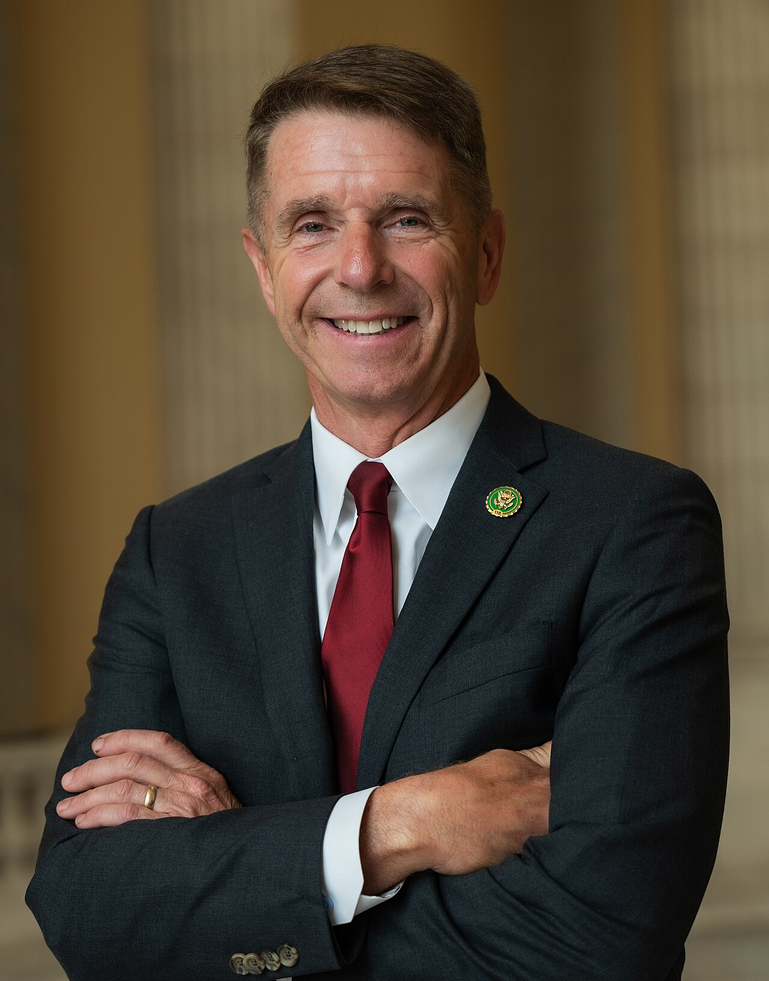
Co-Sponsor
-
TrackSteve Womack
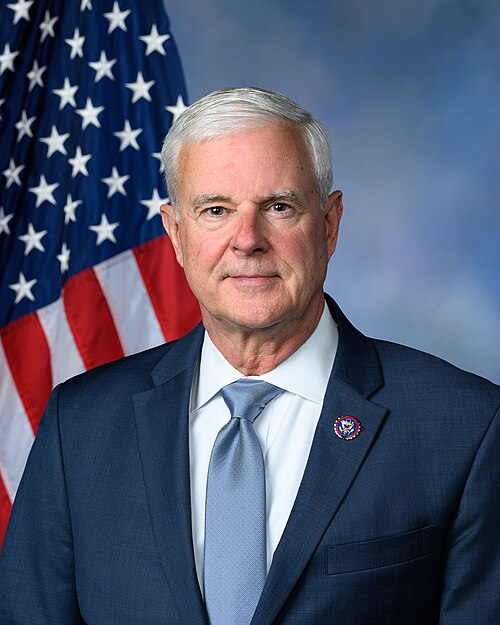
Co-Sponsor
-
TrackRudy Yakym III
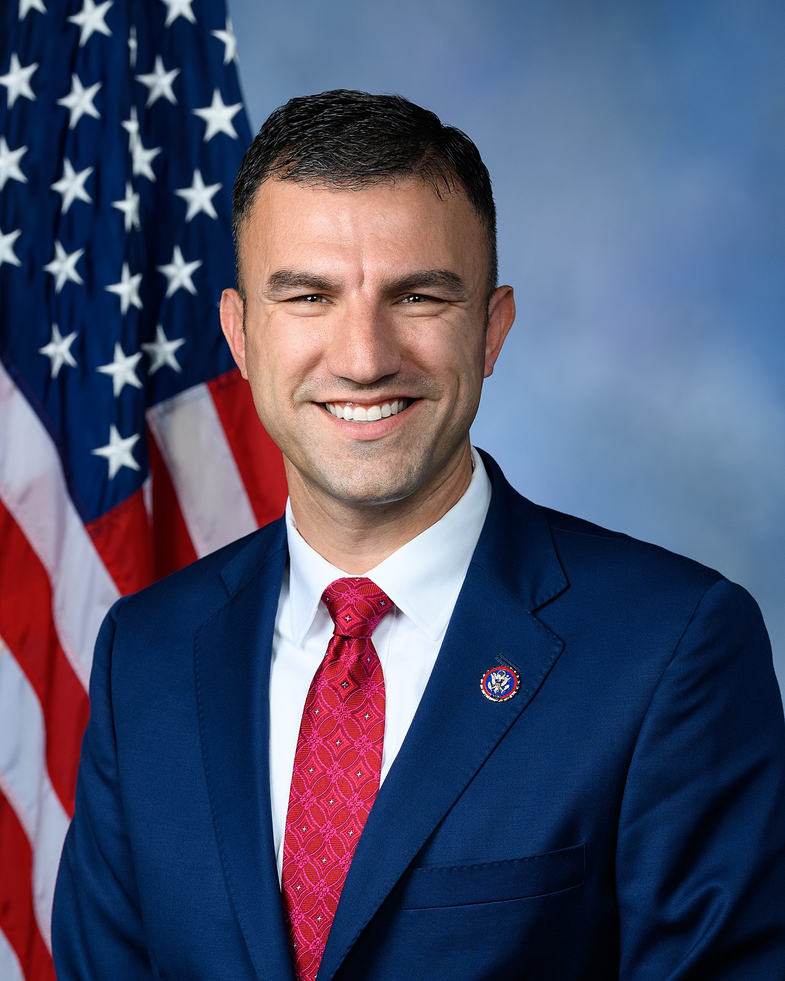
Co-Sponsor
-
TrackRyan K. Zinke
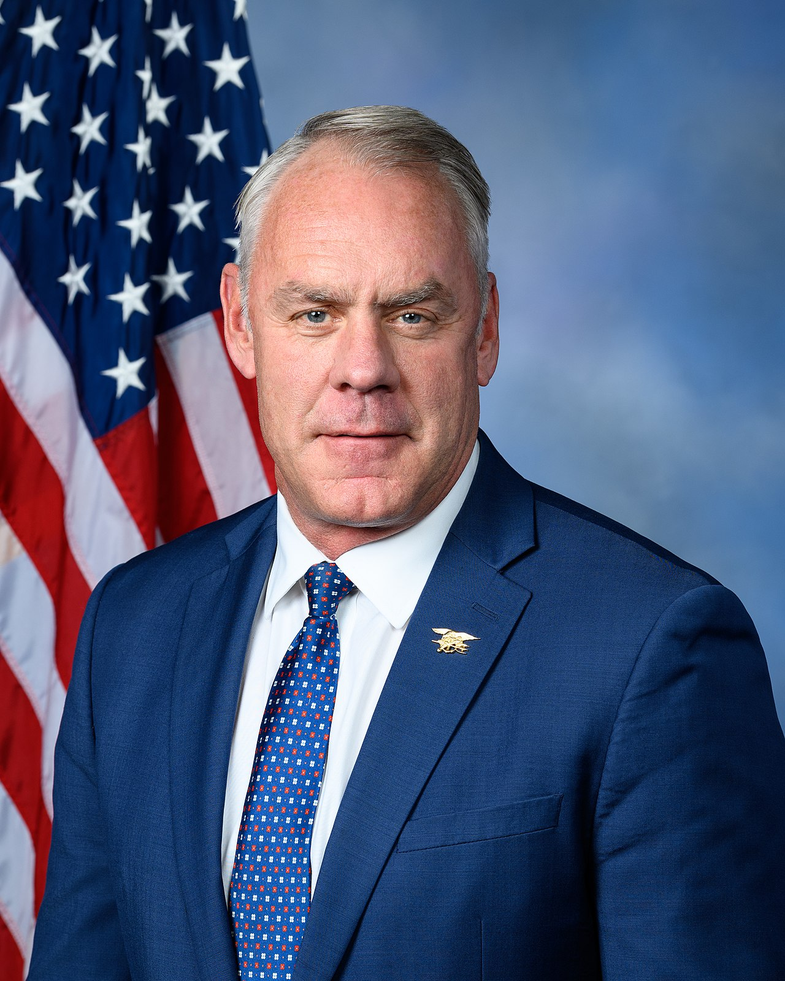
Co-Sponsor
Actions
2 actions
| Date | Action |
|---|---|
| Jun. 11, 2026 | Introduced in House |
| Jun. 11, 2026 | Referred to the House Committee on the Judiciary. |
Corporate Lobbying
0 companies lobbying
None found.
* Note that there can be significant delays in lobbying disclosures, and our data may be incomplete.