H.R. 9297: Pedestrian Protection Act
This bill would direct the U.S. Department of Transportation to take several steps aimed at reducing crashes involving pedestrians, bicyclists, and other vulnerable road users.
Vehicle safety standards
Within 3 years, the Secretary of Transportation would have to start a rulemaking process to create or update federal safety standards for motor vehicles. These standards would focus on design features that could reduce the chance of pedestrian-related crashes and injuries, including:
- hood design
- bumper design
- windshield design
- vehicle height
- vehicle weight
After that rulemaking begins, the Secretary would have 2 years to issue a final rule. Once the final rule is issued, manufacturers would have 2 more years to fully comply.
Minimum visibility standards
Within 4 years, the Secretary would also have to begin a separate rulemaking process to set minimum visibility standards for motor vehicles. The goal would be to reduce collisions by improving what drivers can see around the vehicle. The Secretary would then have 2 years to issue a final rule, and vehicle makers would have 2 years after that to comply fully.
What counts as a collision and who is covered
The bill defines a collision broadly as a crash between a motor vehicle and a covered road user, including low-speed crashes and crashes that happen in driveways, parking lots, or on private roads.
A covered road user would include:
- pedestrians
- bicyclists
- other vulnerable road users
Consumer information and ratings
The bill would require the Secretary to publish comparative ratings for vehicle technology aimed at protecting vulnerable road users. It would also create a process for giving consumers information about driver visibility of pedestrians, bicyclists, and other vulnerable road users.
That visibility information system would need to include:
- a method for deciding which technologies and design features are included
- performance test criteria manufacturers can use
- a separate driver visibility rating
- updated overall vehicle ratings that include driver visibility
The Secretary would also need to publish comparative ratings for these driver visibility measures and, within 5 years, send Congress a report describing a plan for implementing the information and rating system.
Relevant Companies
Likely directly impacted companies include:
- TSLA — Tesla, because the bill could affect vehicle design, visibility features, and safety ratings used in consumer comparisons.
- F — Ford, because new federal standards could require changes to truck and passenger vehicle designs and testing.
- GM — General Motors, because safety and visibility requirements could affect vehicle engineering, compliance, and ratings.
- STLA — Stellantis, because it sells vehicles in the U.S. that could be subject to the new standards and ratings.
- HMC — Honda, because federal pedestrian-safety and visibility standards could affect U.S.-market vehicle design.
- TM — Toyota, because the bill could influence vehicle front-end design, visibility features, and federal consumer ratings.
- RIVN — Rivian, because the company may need to adapt vehicle design and safety technology to meet any new standards.
- LCID — Lucid, because visibility and safety requirements could affect vehicle development and regulatory compliance.
This is an AI-generated summary of the bill text. There may be mistakes.
Sponsors
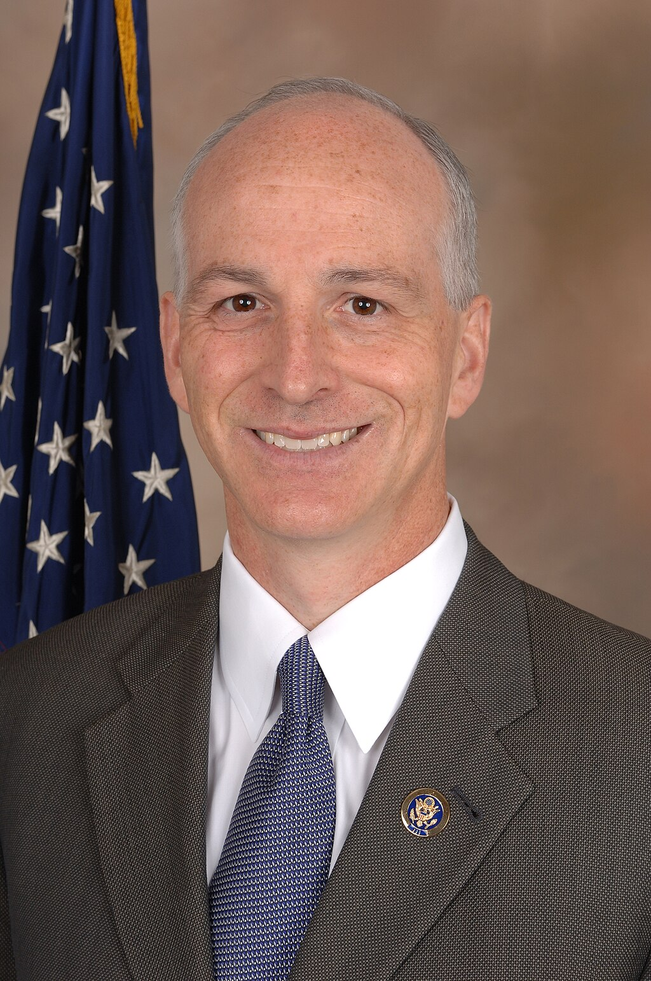
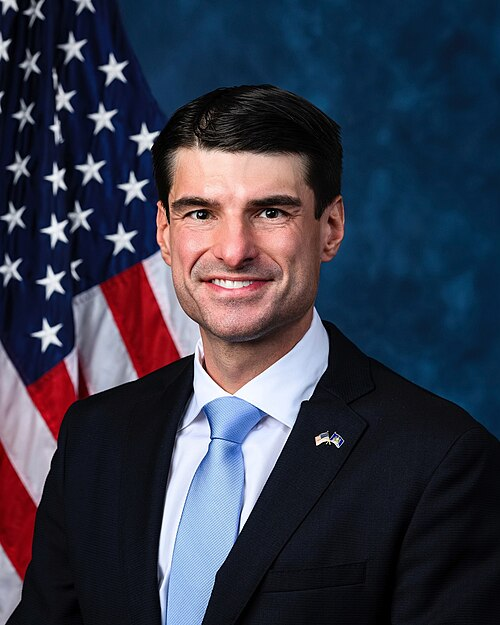
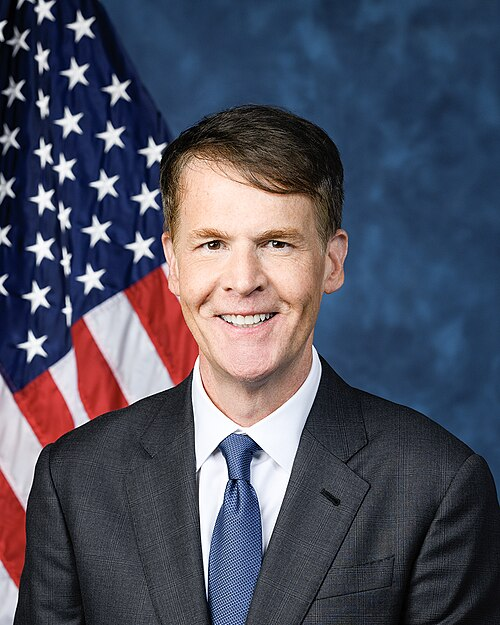
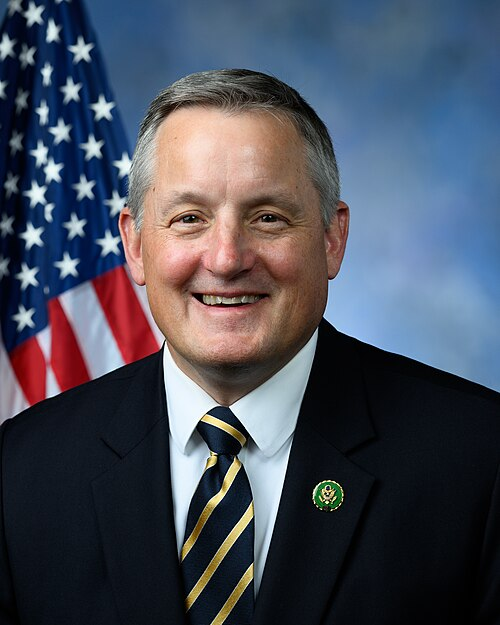
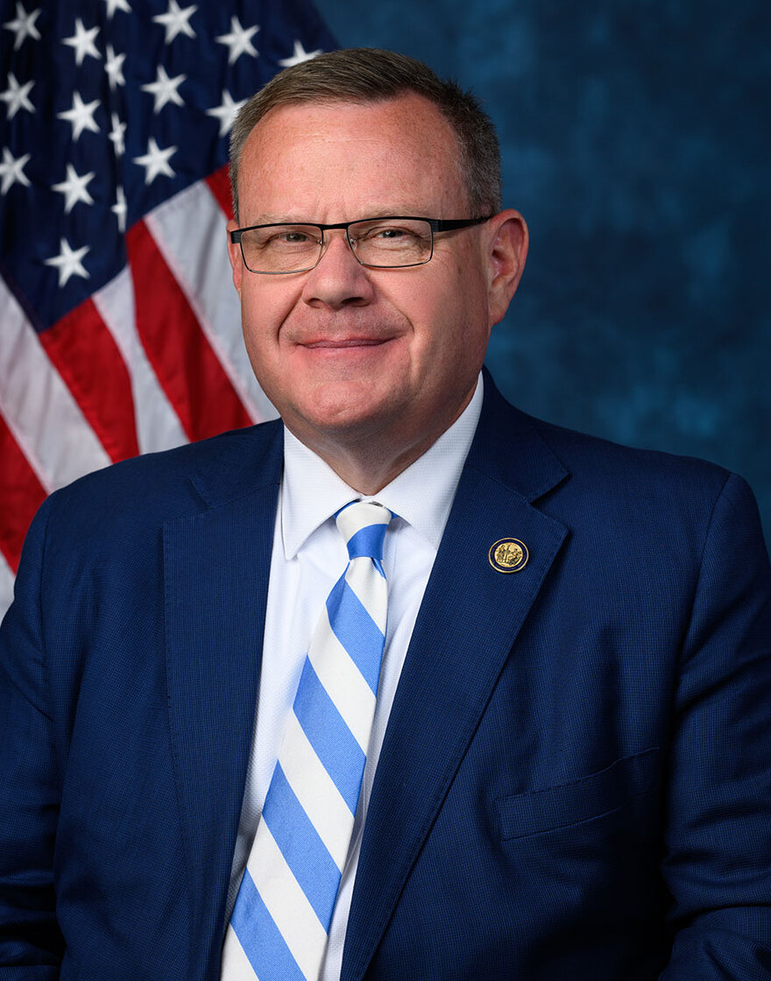
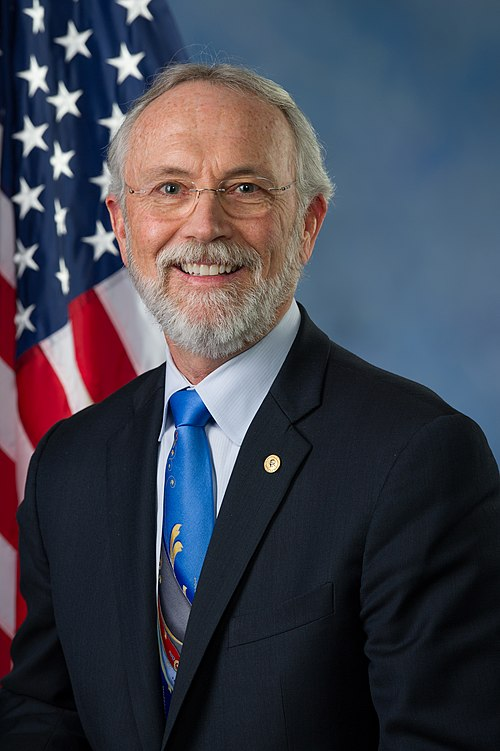
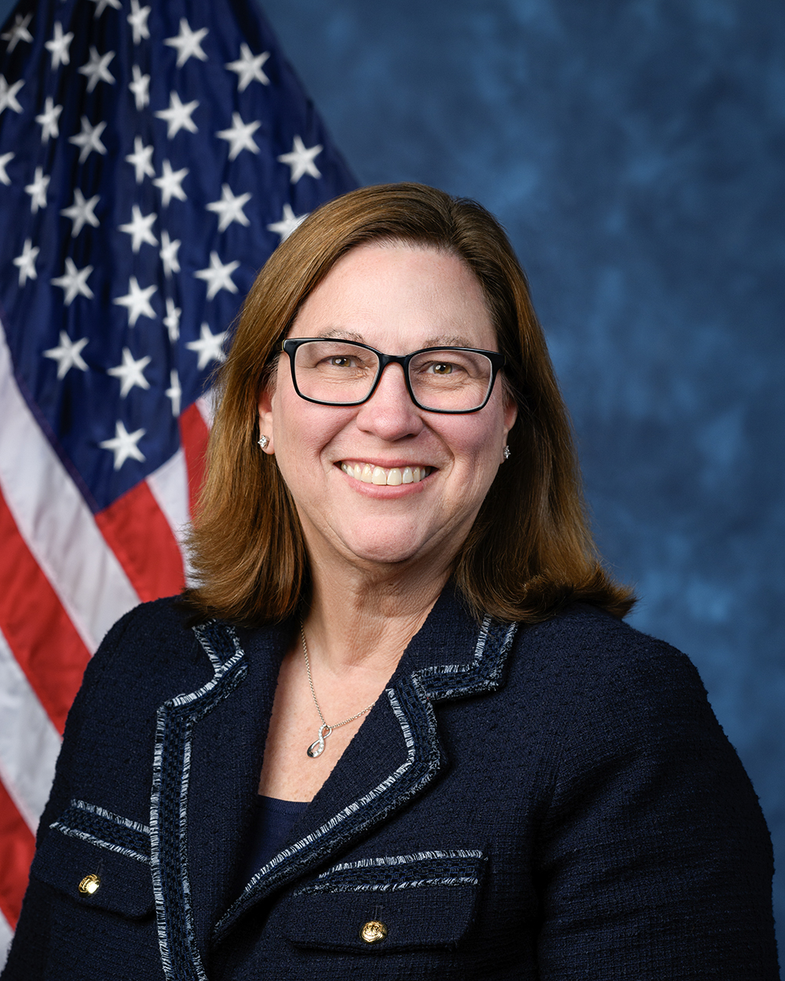
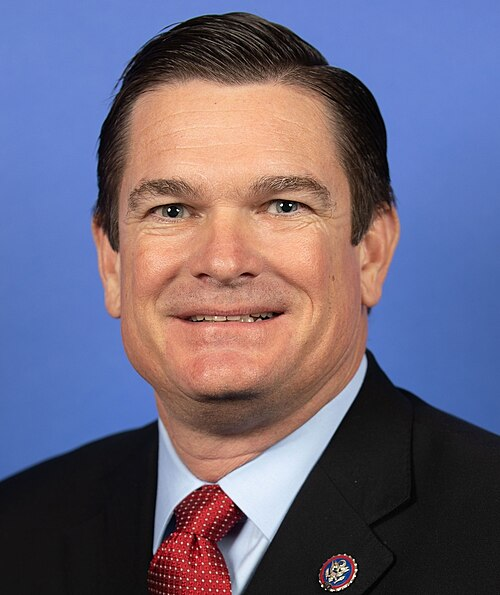
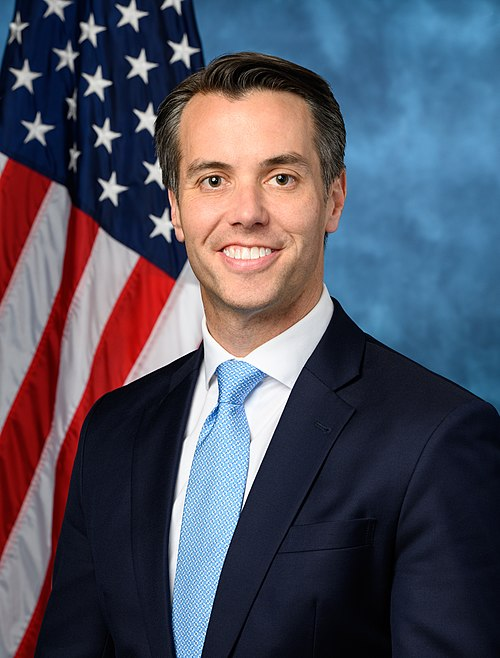
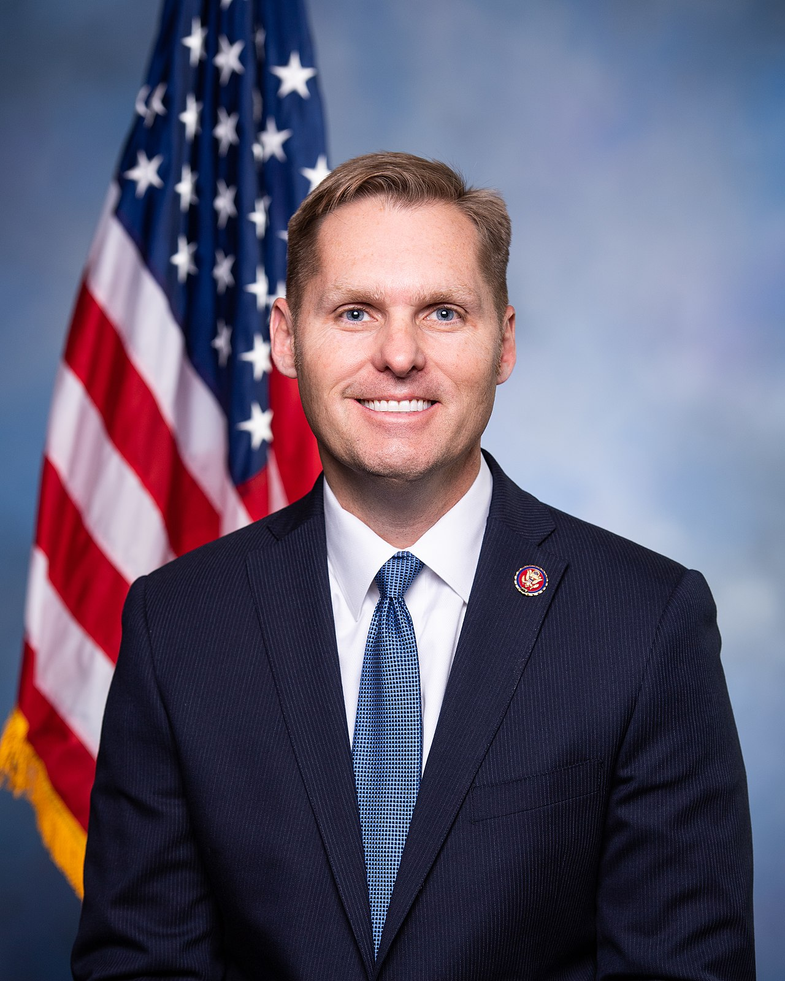
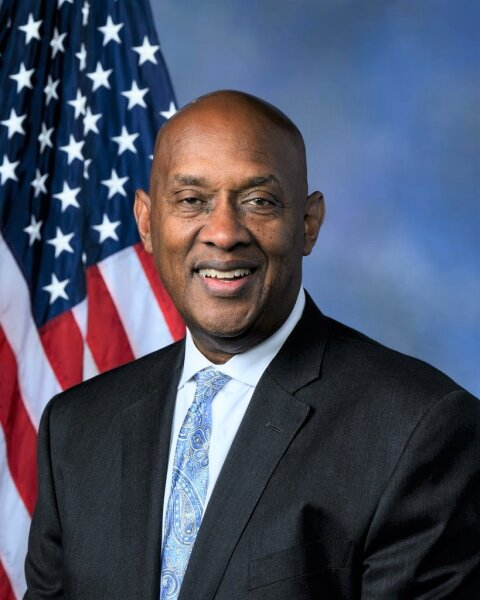
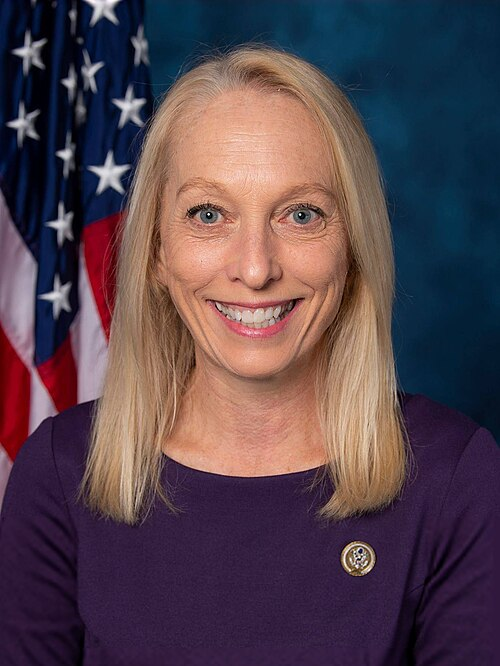
4 bill sponsors
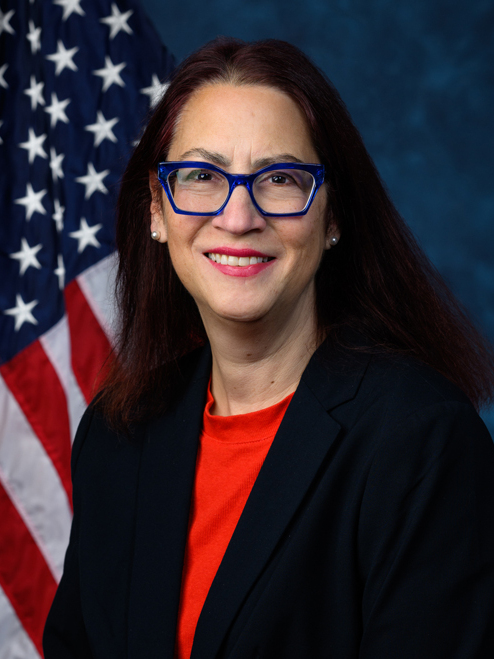
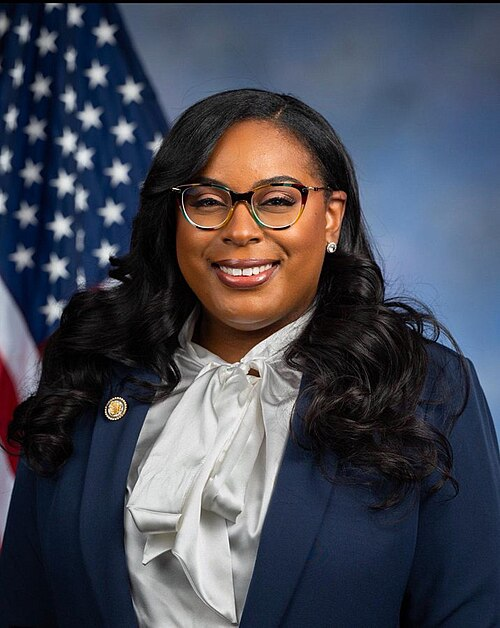
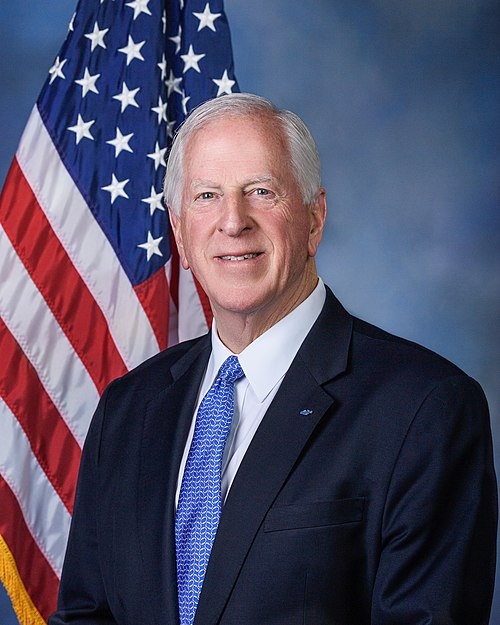
Actions
2 actions
| Date | Action |
|---|---|
| Jun. 11, 2026 | Introduced in House |
| Jun. 11, 2026 | Referred to the House Committee on Energy and Commerce. |
Corporate Lobbying
0 companies lobbying
None found.
* Note that there can be significant delays in lobbying disclosures, and our data may be incomplete.