
H.R. 9291: Federal Flood Risk Management Act of 2026
This bill would create a federal flood-risk standard that agencies must use when they plan, fund, build, manage, or approve certain projects and actions that affect floodplains.
What it does in general
The bill says federal agencies should take steps to reduce flood losses, protect people’s safety and health, and preserve the natural benefits of floodplains. It applies to many types of federal actions, including federally funded construction, management of federal property, and some licensing, permitting, planning, and water-and-land-use decisions.
How agencies would have to evaluate flood risk
Before carrying out covered actions, agencies would have to determine whether the action is in a floodplain. To do that, they would need to use the best available information, including climate-informed science, current and future flooding data, and FEMA flood maps where available.
The bill would set the floodplain threshold using either:
- an area with a 1% annual chance of flooding, plus a safety margin above the base flood level, or
- an area with a 0.2% annual chance of flooding.
The added safety margin would generally be:
- 2 feet above the base flood elevation for most actions, or
- 3 feet above the base flood elevation for critical actions, meaning actions where even a small chance of flooding would be considered unacceptable risk.
What agencies would need to do if a project is in a floodplain
If a proposed federal action would happen in a floodplain, agencies would need to consider alternatives that avoid those floodplain impacts when possible. They would be encouraged to use natural systems and nature-based approaches where practical.
If the action still has to happen in a floodplain, the agency would need to design or modify it to reduce harm, explain why it is being done there, and notify affected state, local, and tribal governments. That notice would need to include a location map, the reasons for the floodplain location, whether the project follows local or state floodplain standards, and the alternatives considered. The bill also requires a brief public comment period and early public review for some actions.
Requirements for federally funded projects and federal property
For federally funded projects, agencies would have to make sure the projects comply with the flood-risk standard. For federal buildings and facilities, agencies would have to use flood protection measures, follow applicable floodplain rules, elevate structures above the floodplain when practical, and mark flood-prone structures to show past and possible flood heights.
If federal property in a floodplain is leased, sold, or otherwise transferred, the agency would have to include restrictions on floodplain-related uses where appropriate, or potentially keep the property from being transferred.
Planning, budgeting, and reporting
Agencies would have to consider flood hazards in their planning and budget requests, and they would need to update or issue regulations to carry out the law. The bill also requires agencies to report within one year on how the law affects their operations. The Water Resources Council would review agency implementation every two years and recommend updates as needed based on science and changing flood risks. The standard itself would be reviewed at least every five years.
Special cases and exceptions
The bill would not apply to certain emergency work needed to save lives or protect property and public safety. Agencies could also exempt a federally funded project for national security reasons or in an emergency, but emergency exemptions would have to be published in the Federal Register with supporting facts.
Other provisions
For certain financial transactions involving areas subject to flooding, agencies that guarantee, approve, regulate, or insure the transaction would have to tell private parties about flood hazards before completing the transaction.
The bill also allows some project applicants to take on certain floodplain-responsibility duties if they have already assumed environmental review responsibilities under NEPA.
Relevant Companies
None found
This is an AI-generated summary of the bill text. There may be mistakes.
Sponsors
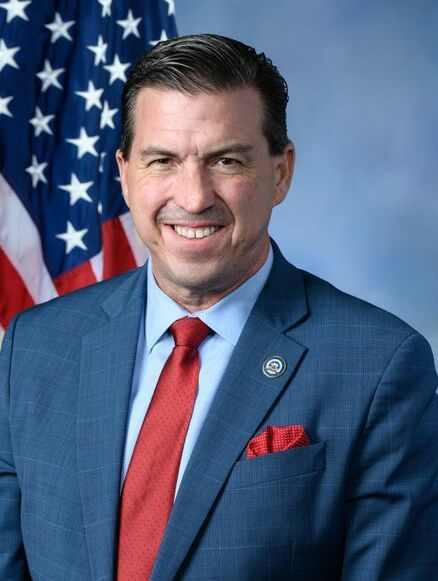
3 bill sponsors


Actions
2 actions
| Date | Action |
|---|---|
| Jun. 11, 2026 | Introduced in House |
| Jun. 11, 2026 | Referred to the Committee on Financial Services, and in addition to the Committee on Transportation and Infrastructure, for a period to be subsequently determined by the Speaker, in each case for consideration of such provisions as fall within the jurisdiction of the committee concerned. |
Corporate Lobbying
0 companies lobbying
None found.
* Note that there can be significant delays in lobbying disclosures, and our data may be incomplete.
Potentially Relevant Congressional Stock Trades
No relevant congressional stock trades found.