H.R. 9287: Child Safety and Well-Being Act of 2026
This bill would create a new federal
Children’s Commission
and a full-timeChildren’s Commissioner
to focus on children’s well-being, especially for “marginalized youth” such as foster youth, homeless youth, children with disabilities, trafficking victims, and youth facing discrimination or other systemic barriers.What the new commission would do
The commission would serve as a central federal body to study, monitor, and comment on policies affecting children. Its work would include:
- Reviewing how federal laws, regulations, guidance, and agency actions affect children.
- Receiving and reviewing complaints, criticism, and suggestions about how government agencies and other institutions affect child well-being.
- Advising Congress, federal agencies, states, and other entities on children’s interests and concerns.
- Publishing reports and recommendations on issues related to children.
- Coordinating and sharing information with state and local children’s commissioners or ombudsmen, where possible.
- Looking at international issues affecting children and, if appropriate, working with similar officials in other countries.
How it would be set up
The commission would have
15 members
appointed by the Comptroller General, in consultation with the National Academies’ Board on Children, Youth, and Families. Members would be chosen to include a mix of experts and people with relevant experience, such as:- Researchers and scholars focused on children and youth issues
- Child advocates and nonprofit workers
- People who work directly with marginalized youth
- Pediatricians, psychologists, and trauma experts
- Educators and childcare providers
- People with lived experience as young people
The bill says the commission should reflect geographic, racial, ethnic, urban, and rural diversity. It also says people directly involved in delivering services to children cannot make up a majority of the commission.
Children’s Commissioner
The commission would hire a
Children’s Commissioner
to run its day-to-day work. That person would serve as the commission’s executive director, could work with agencies and organizations, and would be expected to reach out directly to children and child advocates. The commissioner could also speak publicly on issues affecting children and help bring children’s voices into federal and state policy discussions.Meetings, research, and public reporting
The commission would meet at least
four times per year
, including at least one meeting focused on children’s voices. It could hold hearings, gather evidence, request information from agencies, and commission research when needed. It would be allowed to publish reports and would have to make them publicly available online. If appropriate, it would also provide versions written in language that is easier for children to understand.Specific studies and reporting duties
The bill would require the commission to:
- Study whether federal agencies should create
child impact statements
for laws, policies, regulations, and funding decisions. - Report annually on the status of recommendations from earlier child-focused commissions.
- Review federal reports and regulations related to child well-being and submit comments when appropriate.
Authority and staffing
The commissioner and commission would have broad administrative powers, including hiring staff, contracting for services, paying travel costs, accepting donations, and obtaining information from federal agencies. The bill would also create a Director of Children and Youth Outreach and Engagement to help ensure children’s voices are incorporated into the commission’s work.
Funding
The bill authorizes
$7.5 million per year
from fiscal years 2027 through 2034 for the commission, with funds available until spent.Relevant Companies
None found
This is an AI-generated summary of the bill text. There may be mistakes.
Sponsors
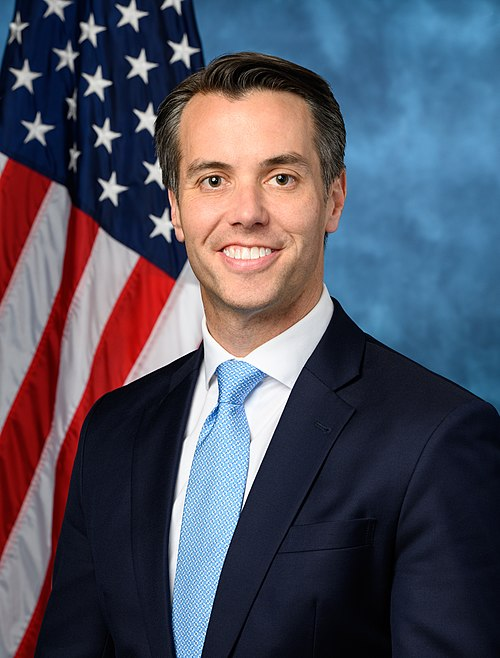
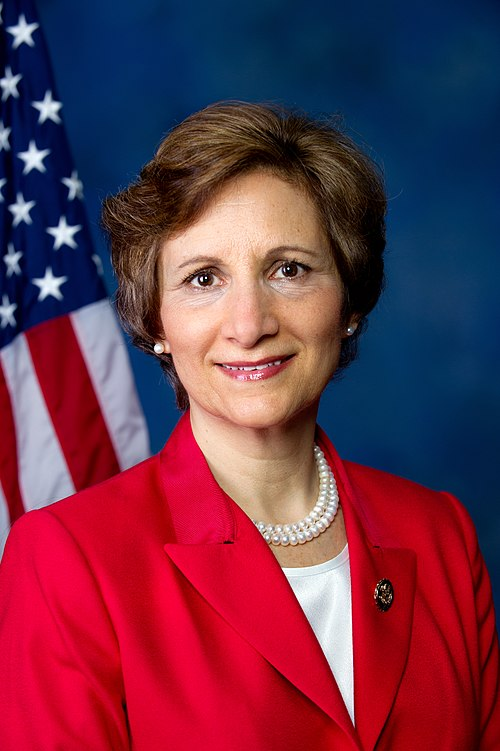
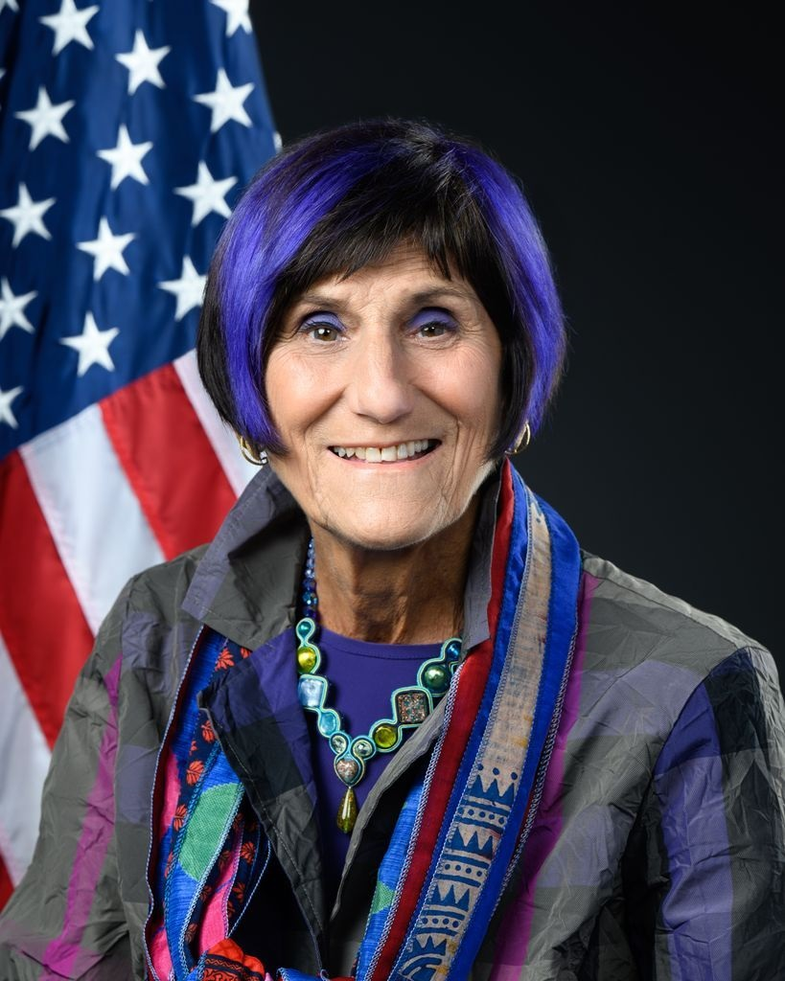
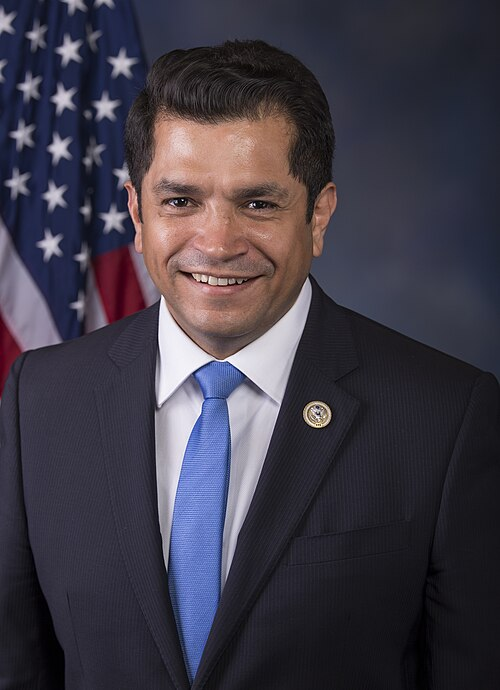
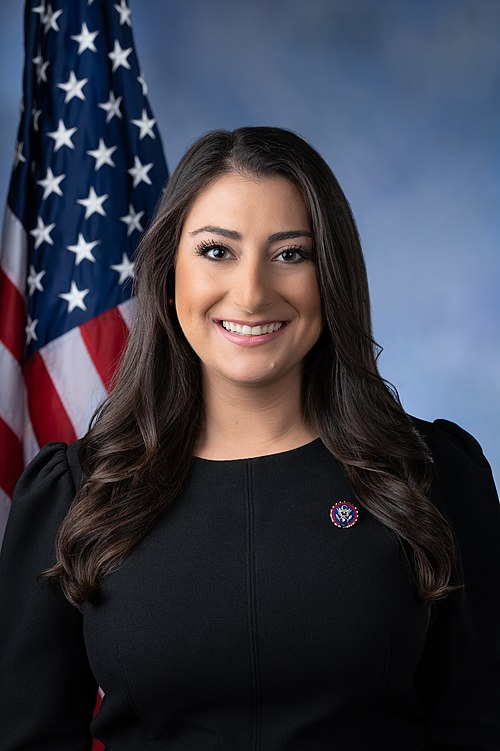
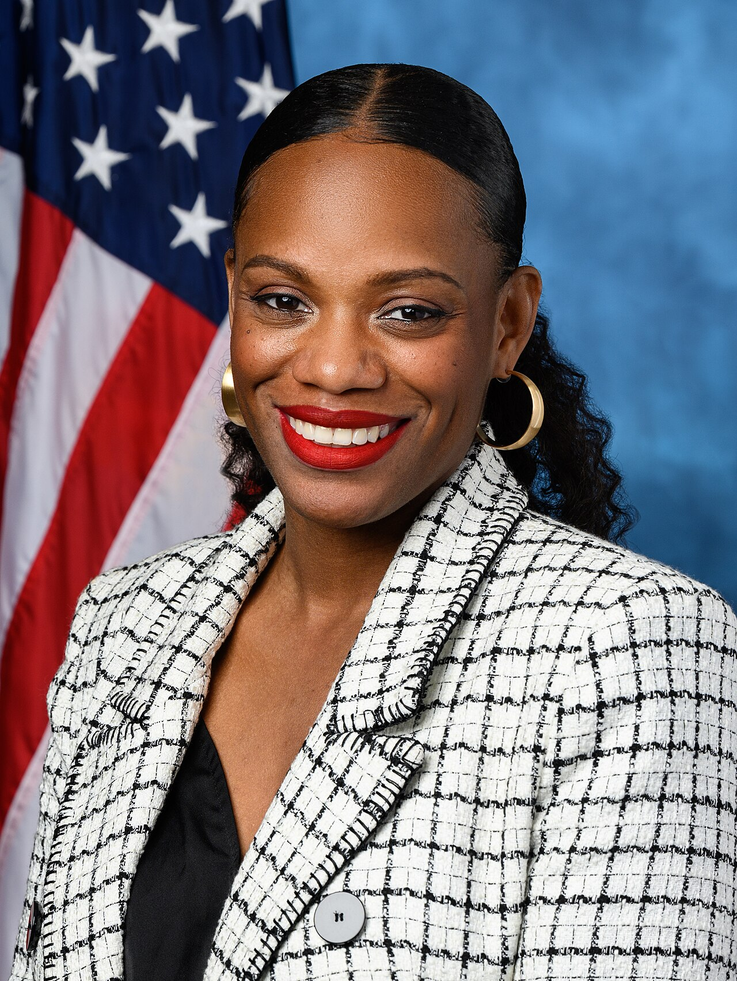
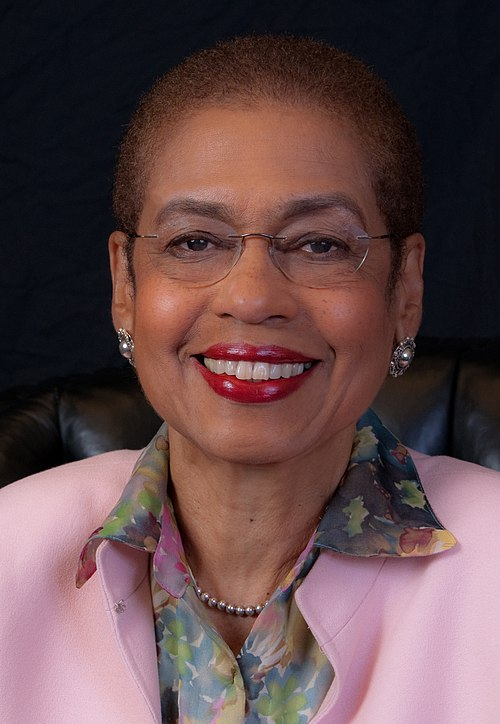
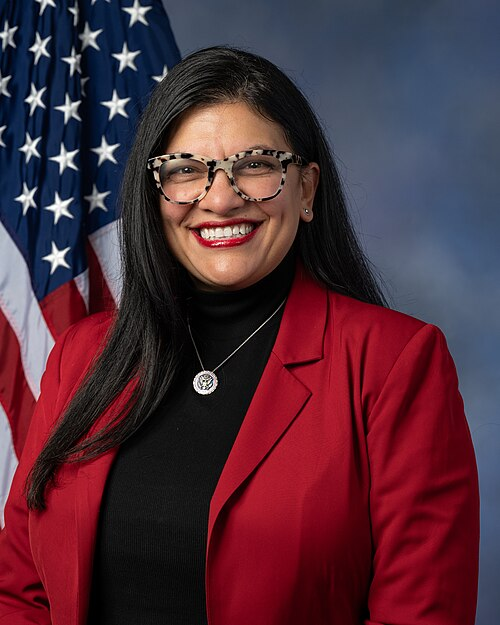
9 bill sponsors
Actions
2 actions
| Date | Action |
|---|---|
| Jun. 11, 2026 | Introduced in House |
| Jun. 11, 2026 | Referred to the House Committee on Education and Workforce. |
Corporate Lobbying
0 companies lobbying
None found.
* Note that there can be significant delays in lobbying disclosures, and our data may be incomplete.
Potentially Relevant Congressional Stock Trades
No relevant congressional stock trades found.