
H.R. 9284: FIRM Commitment Tracking Oversight Board Act
This bill would create a new federal agency called the Foreign Investment Review Authority (FIRA) to track and review certain foreign investment promises made to the United States. Its main purpose is to determine whether foreign countries have followed through on investment commitments they made to the U.S., especially commitments tied to trade deals, tariffs, sanctions, or executive branch negotiations.
What counts as a covered commitment
The bill defines a covered foreign investment commitment broadly. It includes promises by a foreign country to invest in the U.S. that were made:
- as part of a trade agreement;
- in response to tariffs, embargoes, or other punitive trade measures; or
- through negotiations or requests involving the executive branch.
The bill also treats certain investment commitments by China, Japan, South Korea, and Taiwan as existing commitments on the date the bill becomes law, with specific dollar amounts listed for Japan, South Korea, and Taiwan.
New review board and oversight structure
FIRA would be run by a board of directors appointed by the President and certain cabinet officials, with some members required to be from the opposite political party. The bill also creates:
- an Office of the Chief Ethics Officer;
- a Public Oversight Board with members appointed by House and Senate leaders and one labor representative; and
- a complaint process allowing people to submit complaints anonymously or by name.
These offices would be subject to conflict-of-interest rules, and complaints would have to receive a substantive response within 30 days.
Public disclosure and tracking
FIRA would have to maintain a public website listing covered foreign investment commitments and related information, including:
- the names of investors and recipients, including beneficial owners;
- the amount and date of the commitment;
- activities carried out under related investments;
- potential conflicts of interest; and
- other information FIRA decides is relevant.
It would also publish a list of investments it has reviewed and whether each one is covered, qualified, both, or neither.
Notice and disclosure requirements
People making investments that may count toward a covered foreign investment commitment would have to notify FIRA at the start of the investment, identify the investment and related commitment, and provide lists of owners, financial advisers, financiers, underwriters, and other interested parties. They would also have to send quarterly updates until the investment is complete.
Senior officials of both the investing side and the receiving side would have to sign attestations saying whether the investment provides a “net economic benefit” to the U.S., whether it meets each part of that definition, and whether ethics and transparency rules were followed. The President, Vice President, and cabinet-level officials would also have to disclose if they or family members benefit from covered investments.
Failing to file required notices or making material misstatements could lead to civil fines of up to 10% of the investment value.
How FIRA would judge investments
FIRA would review investments to decide whether they are:
- covered investments; and
- qualified investments.
To be a qualified investment, FIRA would have to find that the investment:
- meets ethics and transparency rules;
- provides a net economic benefit to the U.S.; and
- is not barred by the bill’s exclusions.
The bill says an investment provides a net economic benefit only if it supports domestic growth and production, creates and keeps quality jobs, supports workers without college degrees through training or apprenticeships, avoids adding excess capacity, does not undermine U.S. businesses, and uses domestically sourced materials rather than mainly relying on foreign components.
FIRA would give heightened review to investments involving people located in countries the U.S. classifies as covered nations.
Limits on certain investments
Some investments could not be classified as qualified investments if they involve certain entities tied to forced labor concerns, customs withhold-release orders, or ownership stakes by such entities. The bill also bars investments that violate federal ethics rules, appear to be made to give a U.S. official a personal financial benefit, or allow follow-on investments unless the later investor agrees to the same rules.
Charitable donations to qualifying nonprofits would not count as covered investments.
Some investments, such as purchases of government bonds or diversified funds of publicly traded securities tracking a major index, could be approved without a detailed net-economic-benefit finding.
Enforcement, appeals, and shutdown authority
If FIRA decides an investment is not qualified, it may require mediation to change the deal’s terms. If it still does not qualify, FIRA may suspend or prohibit the investment.
There is an appeal process both within FIRA and in federal court. Certain outside parties, including people harmed or at risk of harm, could challenge FIRA’s decisions in court.
FIRA would also review qualified investments for 30 days after approval to reassess the economic benefit and job creation claims.
Monitoring foreign countries’ fulfillment of commitments
FIRA would track the total amount of qualified investments tied to each foreign country’s commitment. If, after four years, the qualified investments fall short of the promised amount, the President would have to negotiate with that country to address the shortfall.
Reporting
The agency would submit an annual report to Congress on reviewed investments and identified risks, plus a semiannual public report on implementation, jobs created, wage and union information, use of foreign workers, inputs used in production facilities, and compliance with mitigation agreements. The Chief Ethics Officer would also provide quarterly public and congressional reports on complaints and how they were resolved.
Relevant Companies
- None found
This is an AI-generated summary of the bill text. There may be mistakes.
Sponsors
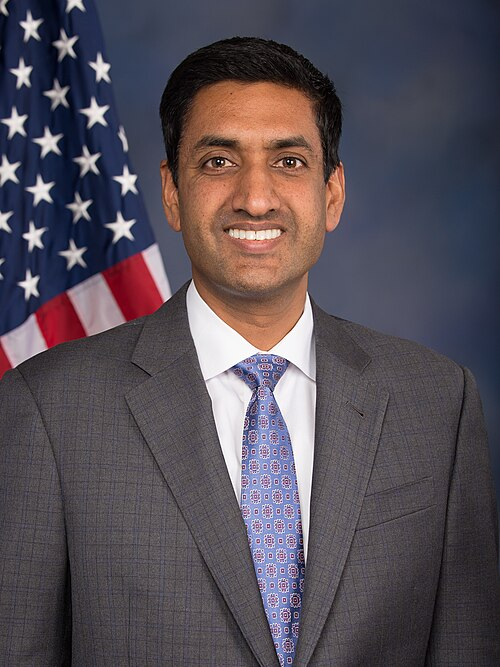
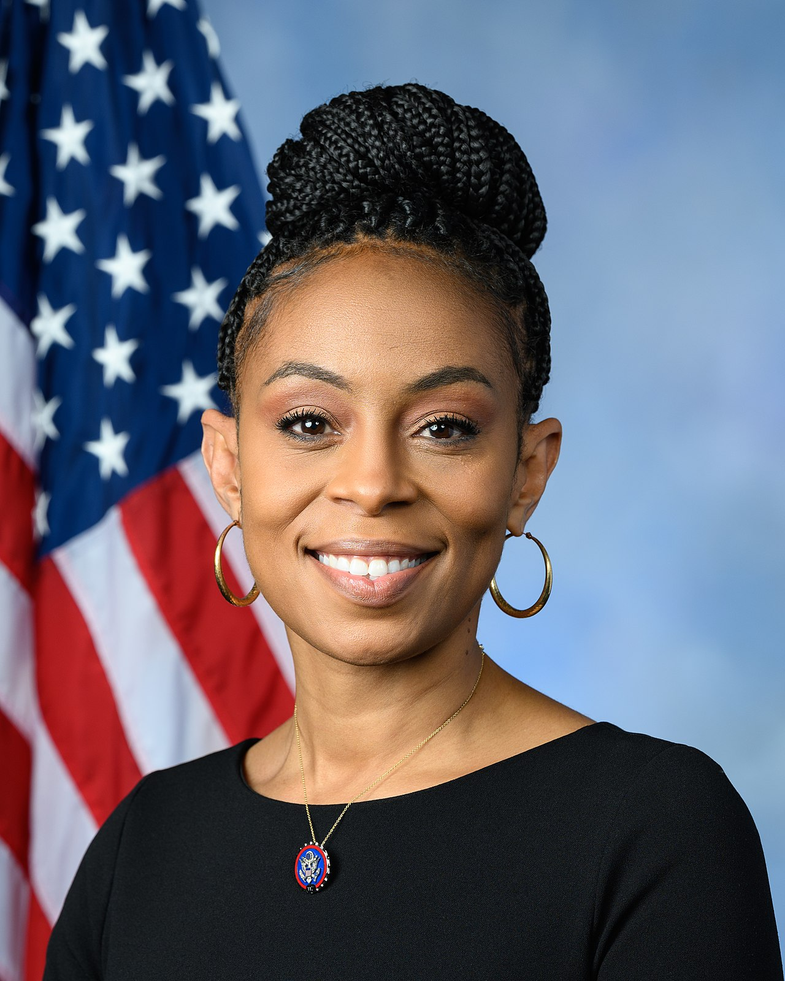
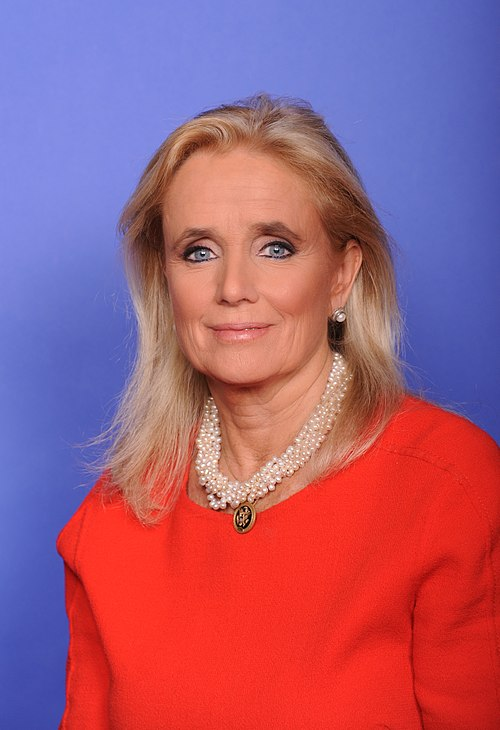
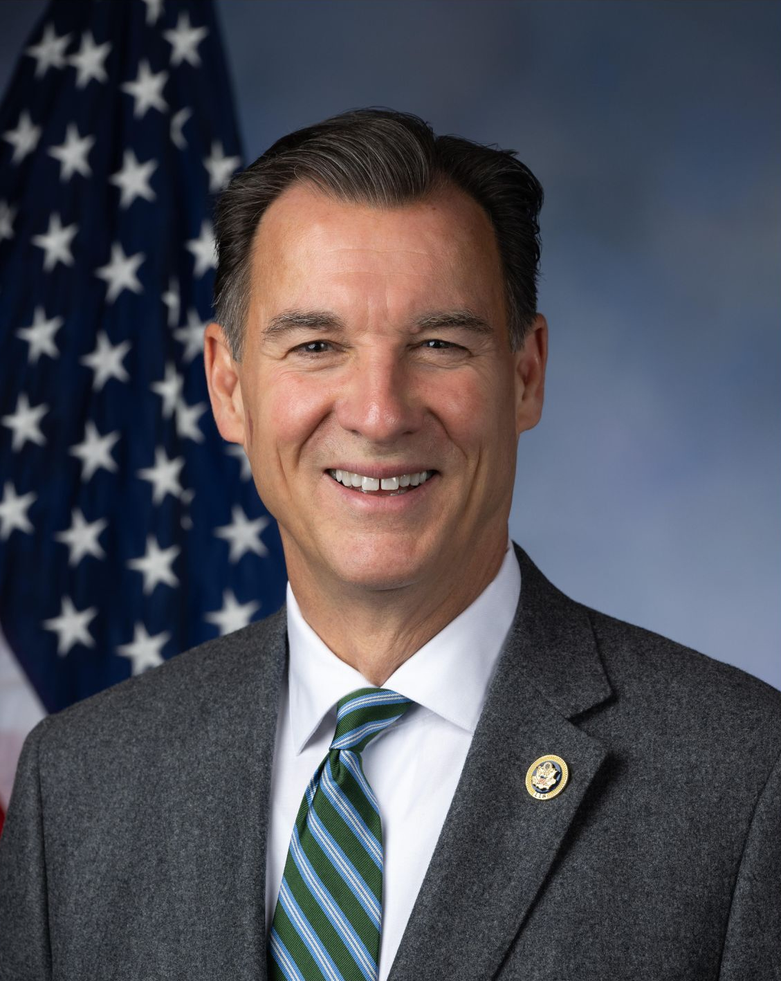
4 bill sponsors
Actions
2 actions
| Date | Action |
|---|---|
| Jun. 11, 2026 | Introduced in House |
| Jun. 11, 2026 | Referred to the Committee on Ways and Means, and in addition to the Committee on Foreign Affairs, for a period to be subsequently determined by the Speaker, in each case for consideration of such provisions as fall within the jurisdiction of the committee concerned. |
Corporate Lobbying
0 companies lobbying
None found.
* Note that there can be significant delays in lobbying disclosures, and our data may be incomplete.
Potentially Relevant Congressional Stock Trades
No relevant congressional stock trades found.