H.R. 9276: Federal Cryptocurrency Theft Enforcement and Coordination Act
This bill would create a new Federal Cryptocurrency Theft Task Force inside the Department of Justice to help the federal government respond more consistently to cryptocurrency theft and related crimes.
What the task force would do
- Be led by the Attorney General, or a designee.
- Include senior representatives from the Justice Department, FBI, Department of Homeland Security, Treasury, FinCEN, and any other federal agency the Attorney General thinks is appropriate.
- Act as the main federal coordination point for preventing, investigating, and prosecuting cryptocurrency theft and closely related criminal activity.
- Improve coordination among federal agencies working on these cases.
- Create and share best practices for law enforcement on topics such as collecting digital evidence, analyzing seized devices for crypto-related information, tracing stolen assets, and working with victims.
- Provide training, technical assistance, and guidance to state and local law enforcement, including prosecutors.
- Help law enforcement agencies share information across federal, state, local, tribal, and territorial levels.
- Coordinate with international law enforcement partners when cases cross borders.
How the bill defines cryptocurrency theft
The bill defines “cryptocurrency theft” as the intentional, unauthorized, or unlawful use or transfer of someone’s cryptocurrency that is already a crime under federal law. It specifically includes theft carried out through fraud, hacking, phishing, tricking, or scamming.
Reports to Congress
The Attorney General would have to send Congress a report within one year of enactment, and then once every year after that. The report would describe:
- the task force’s activities;
- new trends and threats involving cryptocurrency theft;
- how well federal, state, and local agencies are working together; and
- possible legislative or administrative changes to improve investigations and prosecutions.
Limits in the bill
The bill says it would not:
- create new rules for regulating cryptocurrency or digital asset markets;
- change the regulatory authority of federal agencies;
- create new crimes; or
- give private individuals the right to sue under this law.
Relevant Companies
- COIN — Coinbase could be indirectly affected if the bill leads to more federal coordination on crypto theft investigations and stronger law-enforcement practices around stolen digital assets.
- MSTR — MicroStrategy, as a large corporate holder of bitcoin, could be indirectly affected by broader federal efforts aimed at reducing cryptocurrency theft and improving recovery efforts.
- SQ — Block could be indirectly affected because it offers cryptocurrency-related services and could face increased law-enforcement coordination around crypto fraud and theft cases.
- PAYO — Payoneer, if involved in payments or transfers connected to digital asset activity, could be indirectly affected by increased scrutiny of crypto-related fraud and theft investigations.
This is an AI-generated summary of the bill text. There may be mistakes.
Sponsors
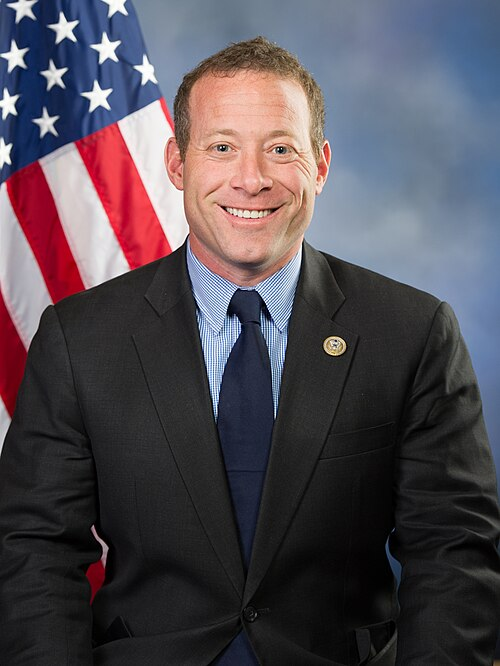
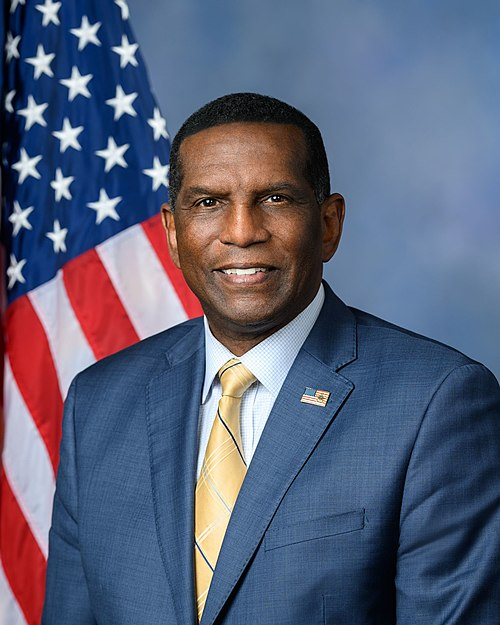
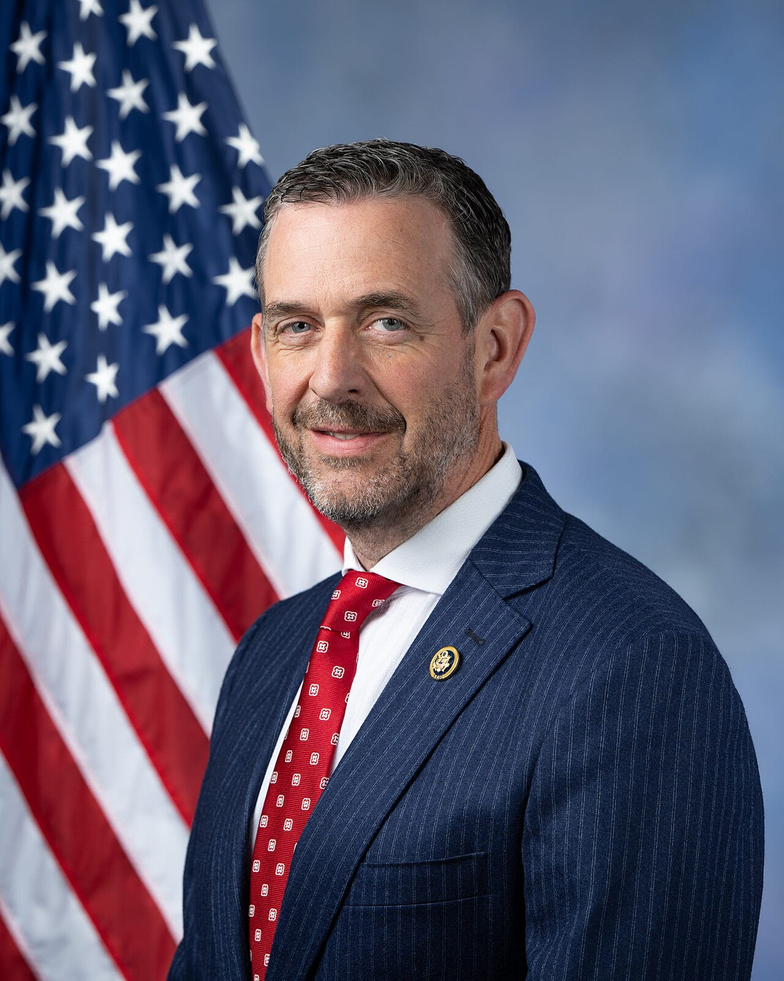
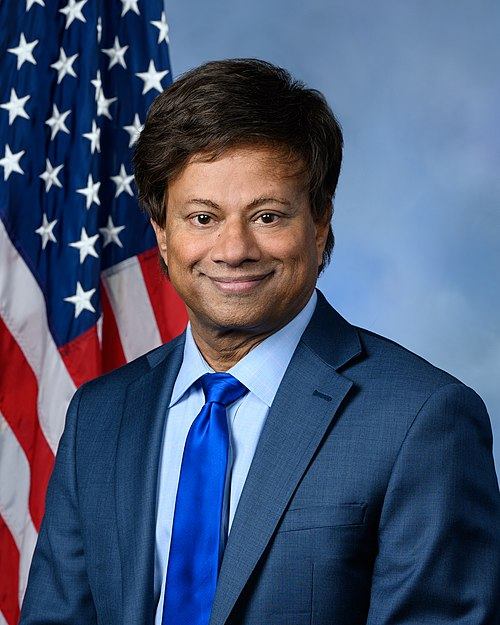
7 bill sponsors
Actions
2 actions
| Date | Action |
|---|---|
| Jun. 11, 2026 | Introduced in House |
| Jun. 11, 2026 | Referred to the House Committee on the Judiciary. |
Corporate Lobbying
0 companies lobbying
None found.
* Note that there can be significant delays in lobbying disclosures, and our data may be incomplete.