
H.R. 9271: Governors’ Right to Inspect Act of 2026
This bill would give state governors, and state public health or safety officials they formally designate, the right to inspect immigration detention facilities located in their states for health and safety conditions.
What facilities would be covered
The bill applies to any facility in the United States used to detain people in the custody of the Department of Homeland Security, including:
- ICE-run facilities
- Private detention centers operating under federal contract
- State or local facilities used under agreements with the federal government
What inspectors could do
During an inspection, the governor or designated official could:
- Enter areas where detainees are housed, fed, given medical care, or otherwise held
- Speak privately with detainees, if the detainees agree
- Review certain health and safety records, such as food logs, medical treatment records in aggregate form, and maintenance records
- Take notes and photographs of facility conditions, subject to reasonable security rules
What the bill would not allow
The bill says these officials could not use this authority to interfere with immigration enforcement. In particular, they could not:
- Stop, delay, or direct ICE enforcement actions
- Order the release of detainees
- Instruct federal employees or contractors on how to do their jobs
- Access classified or sensitive law enforcement information unrelated to health and safety
- Use the access for anything other than civilian health and safety oversight
Notice and cooperation rules
A governor could inspect without giving advance notice. A designated state official would have to give at least 24 hours’ written notice to DHS, the facility operator, and the local ICE field office.
Facility operators would be required to cooperate with inspections. DHS would also have to create security rules within 90 days after enactment. Those rules could include things like no weapons, staff escorts, and limits on photography in sensitive areas, but the rules could not be written or used in a way that effectively blocks inspections.
Reporting to Congress and the public
After an inspection, a governor could send a report to certain congressional committees or to the Member of Congress representing the area. The report could include:
- The facility’s name, location, and operator
- The date and length of the inspection
- Observed health and safety problems
- Recommended fixes
- Any response from the facility operator
If Congress forwards such a report to DHS, the Secretary of Homeland Security would have 60 days to respond in writing about the issues raised and any corrective actions taken or planned. Reports and DHS responses would be posted publicly on DHS’s website, with redactions for security or privacy.
Enforcement
If a governor or authorized state official is wrongly denied access, they could sue in federal court to get a ruling recognizing the access right and an order allowing entry. The bill does not give detainees a separate right to sue under this law.
Relationship to other laws
The bill says its inspection authority would add to, not replace, any existing state inspection rights or any existing agreements with DHS. It also says the bill does not let governors enforce state law inside a facility in a way that conflicts with federal law or immigration operations.
Relevant Companies
- GEO — GEO Group, a private prison and detention operator, could be directly affected because the bill would allow governors or their designees to inspect private ICE detention facilities more freely and publicly report on conditions.
- CXW — CoreCivic operates correctional and detention facilities, including immigration-related facilities in some contexts, and could be affected if facilities it operates are subject to increased state inspection access under federal contract arrangements.
This is an AI-generated summary of the bill text. There may be mistakes.
Sponsors
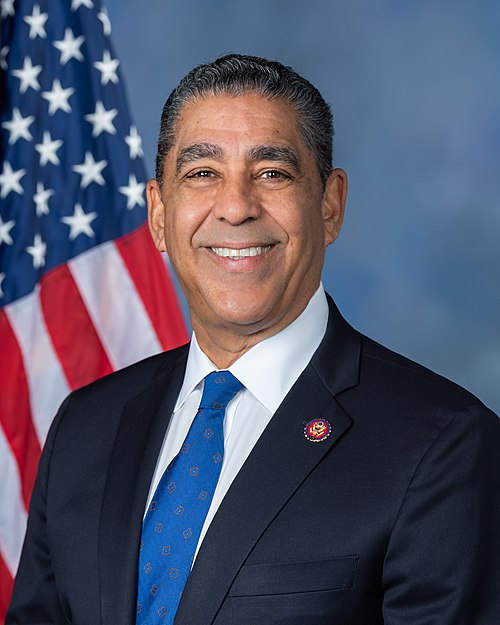
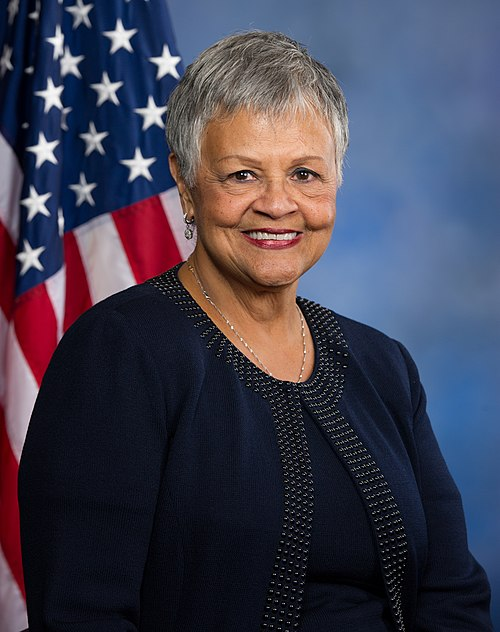
2 bill sponsors
Actions
3 actions
| Date | Action |
|---|---|
| Jul. 07, 2026 | Referred to the Subcommittee on Border Security and Enforcement. |
| Jun. 11, 2026 | Introduced in House |
| Jun. 11, 2026 | Referred to the Committee on the Judiciary, and in addition to the Committee on Homeland Security, for a period to be subsequently determined by the Speaker, in each case for consideration of such provisions as fall within the jurisdiction of the committee concerned. |
Corporate Lobbying
0 companies lobbying
None found.
* Note that there can be significant delays in lobbying disclosures, and our data may be incomplete.
Potentially Relevant Congressional Stock Trades
No relevant congressional stock trades found.