
H.R. 9268: Stop Crypto ATM Scams Act
This bill would create new federal rules for digital asset kiosks, which are machines or services that let people buy, sell, or exchange cryptocurrency or other digital assets. In plain terms, it is aimed at reducing scams, improving oversight, and making these kiosks more transparent to customers.
Registration and location reporting
The bill would require digital asset kiosk operators to register with the U.S. Treasury and keep the government updated on where their kiosks are located. Before operating, an operator would have to submit the physical address of each kiosk it owns or runs in the United States or U.S. territories. After that, it would have to update that list at least every 90 days.
The registration would include:
- The operator’s legal name
- The location of each kiosk
- Contact information for the operator’s compliance officer
- The start date of each kiosk’s operation
- The end date if a kiosk closes
If an operator submits false or materially incomplete information, that would count as noncompliance. The Treasury Department would also have to make this information publicly available, including on a Treasury website.
Existing operators would have 6 months after enactment to file their initial list and then 90 days after that period to file the first update.
Anti-money laundering rules
The bill would require kiosk operators to maintain an anti-money laundering program, file it with the Financial Crimes Enforcement Network (FinCEN), report suspicious transactions, and follow currency transaction reporting rules.
The Treasury Department would be required to issue rules within 180 days to make sure these programs include steps such as:
- Verifying customer identity, including during online pre-registration and at the kiosk
- Using blockchain analytics tools to check whether transactions involve wallets tied to sanctions lists
- Assessing the risk of illicit activity
- Preventing more than one customer from using the same wallet address
Transaction limits
The bill would place limits on how much a customer can transact through a digital asset kiosk:
- New customers: no more than $2,000 in 24 hours
- New customers: no more than $10,000 total
- Existing customers: no more than $7,500 in 24 hours
The Treasury Department would update these dollar amounts every 5 years for inflation and could also adjust them by rule if needed to reduce fraud or illegal finance.
Customer disclosures
Operators would have to give customers written disclosures before a transaction begins, in English and in any other language used to advertise to customers. These disclosures would need to be clear and prominently displayed.
They would have to include:
- A warning that transactions are irreversible and losses from fraud or mistakes may not be recoverable
- A statement that digital assets are not legal tender and are not backed by the U.S. government or insured by FDIC/NCUA
- The amount and type of digital assets involved
- The dollar price charged and the current market price
- An itemized list of charges and fees
The Treasury, FTC, and CFPB would have to issue guidance on how to present these disclosures in a standardized and understandable way.
Anti-fraud measures
The bill would require kiosks to display scam warnings before transactions, including warnings about:
- Requests from people the customer has never met
- Initial contact through social media, dating apps, or messaging apps
- Impersonation of government, bank, or business representatives
- Urgent or emergency requests
- Scanning a code linked to a wallet not owned by the customer
Operators would also need a written anti-fraud policy approved by senior management and updated regularly.
Customer consent, receipts, and support
Customers would have to acknowledge the disclosures and fraud warnings before using a kiosk. New customers would also have to confirm that they reviewed the fee disclosure and understand the total charges as a percentage of the transaction.
Each transaction would have to produce a receipt, physical or electronic, containing:
- Operator name and contact information
- Customer name
- Transaction details, date, time, and wallet address
- Dollar amount involved
- Itemized charges
- Law enforcement contact information if fraud is suspected
Operators would also have to provide live customer service during extended business hours and clearly display a phone number on each kiosk.
Refunds and law enforcement contact
If a customer was fraudulently induced into a transaction, the operator would have to refund the charges within 30 days if the customer files a complaint with required identifying information and a copy of a law enforcement report filed within 90 days of the transaction.
Operators would also have to give FinCEN and other relevant agencies a dedicated phone number and email address that are monitored frequently for fraud-related communication.
Federal alerts and state authority
The Treasury, working with the FBI and FTC, would have to issue yearly alerts about emerging kiosk-related fraud schemes and help operators with suspicious activity reporting.
The bill says it does not remove states’ ability to license or regulate these operators, and states could still impose other consumer protection or anti-fraud rules. It also allows states to issue compliance decals or signs for kiosks and to penalize false claims about compliance. However, the federal law would override any state or local rules enacted after this law’s effective date that set different customer transaction-value limits.
Effective date
The main new federal section would take effect 180 days after enactment.
Relevant Companies
- None found
This is an AI-generated summary of the bill text. There may be mistakes.
Sponsors
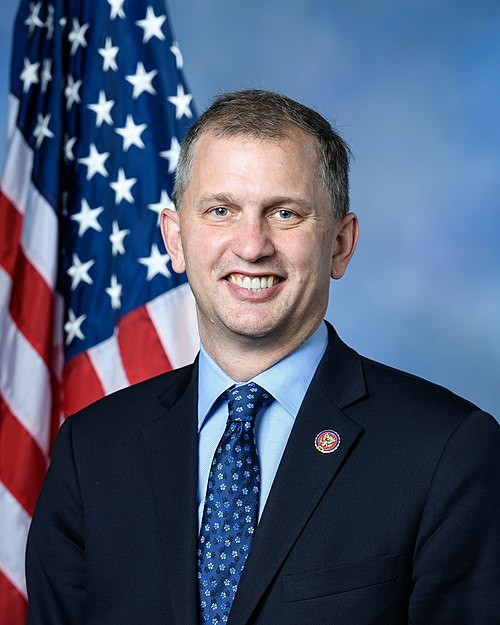
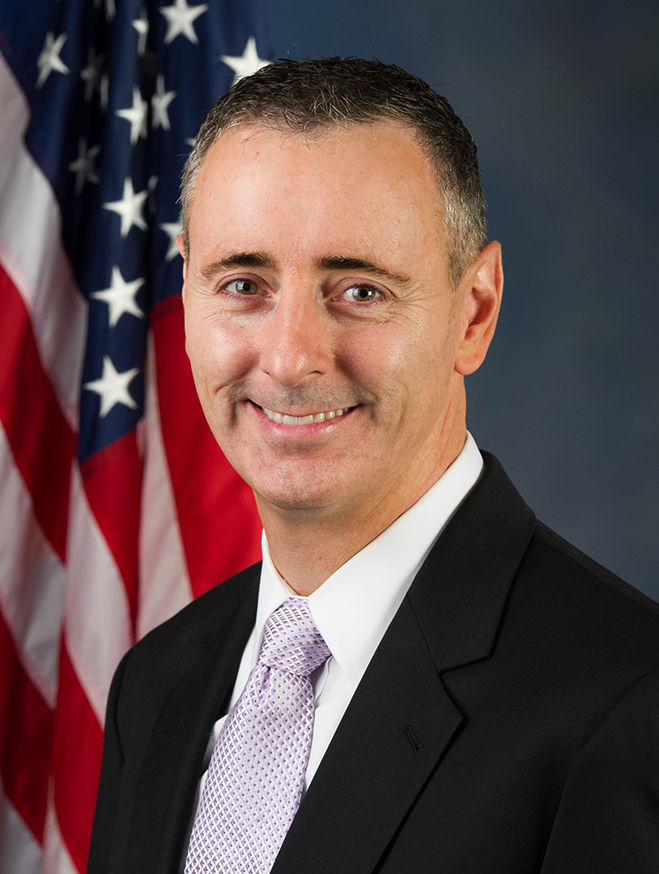
3 bill sponsors

Actions
2 actions
| Date | Action |
|---|---|
| Jun. 11, 2026 | Introduced in House |
| Jun. 11, 2026 | Referred to the House Committee on Financial Services. |
Corporate Lobbying
0 companies lobbying
None found.
* Note that there can be significant delays in lobbying disclosures, and our data may be incomplete.
Potentially Relevant Congressional Stock Trades
No relevant congressional stock trades found.