
H.R. 9234: Careworker Visa Act of 2026
This bill would create a new W nonimmigrant visa program for careworkers. In plain terms, it would let certain U.S. employers sponsor foreign workers to come to the United States temporarily to provide:
- childcare in homes or small group settings,
- eldercare and non-medical help for older adults, or
- in-home or community-based personal support for people with disabilities.
Who could use the program
The bill limits the program to covered employers, which would include:
- an individual or family hiring a careworker for a private residence, or
- a small caregiving business with fewer than 25 employees, such as a small daycare, eldercare business, or group home.
It would not cover workers mainly employed by hospitals, skilled nursing facilities, larger residential care institutions, or similar institutional healthcare employers.
How workers would qualify
A person seeking W status would need to:
- have a qualifying job offer from an approved covered employer,
- be admissible to the United States or qualify for a waiver, and
- pass a background check.
The bill also allows some people already in the United States to apply for W status if they were here on January 1, 2024, have remained continuously present, and meet the other requirements. This includes certain people who were undocumented, on DACA, parole, deferred enforced departure, or some other work-authorized nonimmigrant status.
Employer requirements
Before hiring a W worker, the employer would have to file a petition with the Department of Homeland Security and include:
- a job offer letter or employment contract,
- an attestation that the employer will pay the required wage,
- proof the worker is eligible,
- fees,
- biometric information from the employer or business owner, and
- the last three years of tax returns to show the employer can pay the wage.
The government would have to decide complete petitions within 90 days.
Wages and workplace protections
Employers would have to pay at least the prevailing wage for the job in that area, based on Department of Labor wage data. The bill would also create a Department of Labor office to:
- certify wages,
- receive and investigate complaints about wage theft or poor working conditions,
- impose penalties for violations,
- provide information in multiple languages, and
- share workplace-rights resources with W workers.
Employers would be required to keep wage records, report material employment changes within 14 days, and follow federal, state, and local labor laws. The bill also bars retaliation or coercion against W workers for asserting their rights or reporting violations.
Visa length and changing employers
The visa would initially be valid for 3 years and could be renewed in additional 3-year periods if the worker still qualifies. A W worker would be tied to the employer named in the approved petition, but if they leave that job, they would get a 90-day grace period to find a new covered employer. The new employer would need to file a petition within 10 business days.
Limits and fees
The bill would cap the program at 100,000 W visas per year. If demand exceeds the cap, the government would create rules for distributing visas, with a requirement to give fair access to both families/individuals and small businesses.
Employers would pay filing fees set high enough to cover the program’s costs, and those fees would be reviewed at least every two years.
Path to permanent residence
The bill would allow some W workers to apply for adjustment to lawful permanent resident status. It also creates a process for certain people in removal proceedings, or with a final removal order, to seek termination or reopening if their W petition is approved.
Background checks and ineligibility rules
The bill excludes people with certain serious criminal histories and makes some categories of inadmissibility disqualifying. It also allows limited waivers in some cases, including for humanitarian reasons, family unity, or the public interest. For some people already in the U.S. without status, the bill would allow a waiver of certain unlawful-presence bars if taxes are paid and a $500 fee is paid.
Implementation and reporting
The Department of Homeland Security, working with Labor and State, would have to issue implementing regulations within 90 days of enactment. The government would also have to report to Congress starting two years after enactment and annually after that on petitions, visas issued and renewed, wage complaints, and possible changes to the program.
Relevant Companies
None found
This is an AI-generated summary of the bill text. There may be mistakes.
Sponsors
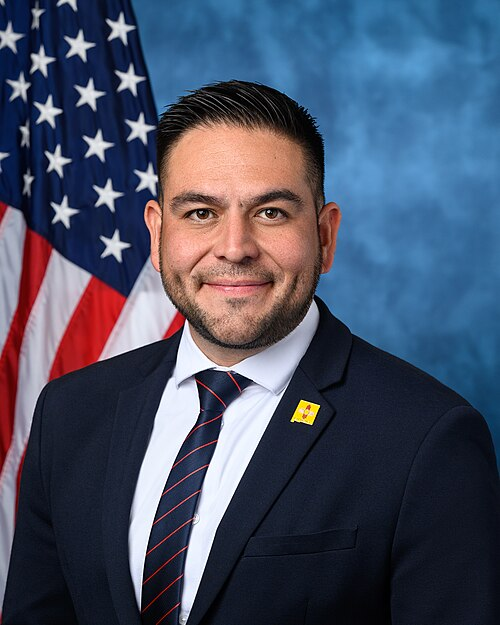
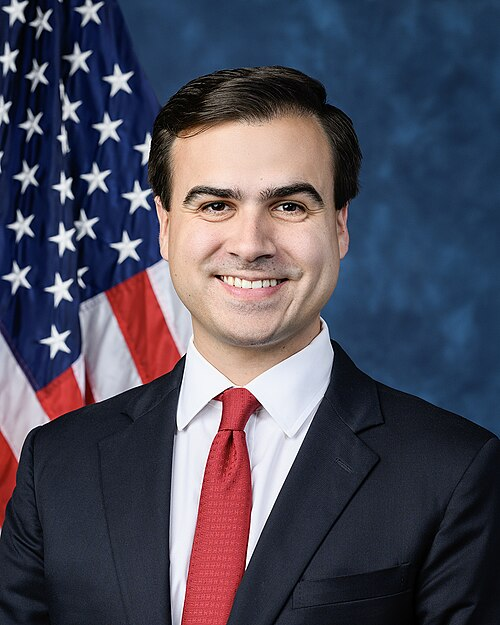
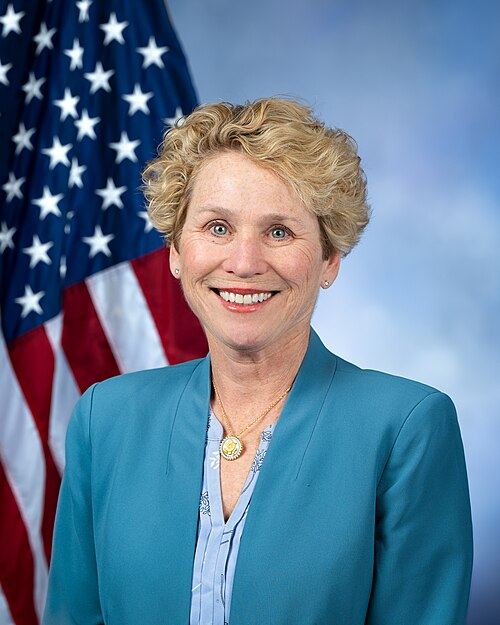
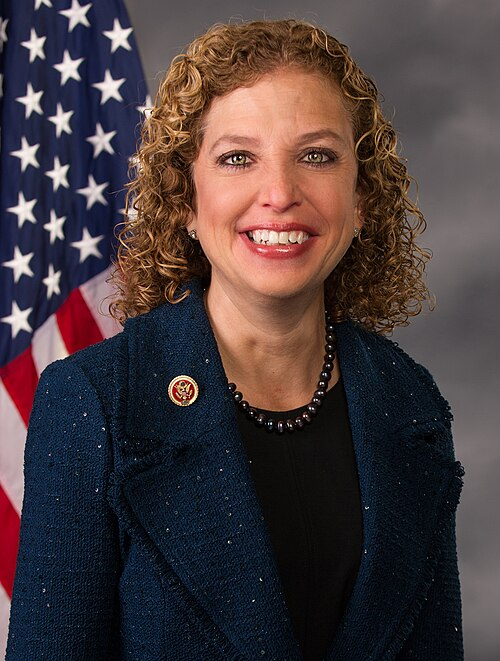
4 bill sponsors
Actions
2 actions
| Date | Action |
|---|---|
| Jun. 09, 2026 | Introduced in House |
| Jun. 09, 2026 | Referred to the House Committee on the Judiciary. |
Corporate Lobbying
0 companies lobbying
None found.
* Note that there can be significant delays in lobbying disclosures, and our data may be incomplete.
Potentially Relevant Congressional Stock Trades
No relevant congressional stock trades found.