H.R. 9232: Critical Infrastructure Airspace Defense Act
This bill would give certain private owners and operators of “covered critical infrastructure facilities” authority to use approved counter-drone tools to detect, track, and help stop unmanned aircraft systems (drones) that pose a credible threat to the safety or security of those facilities. It would amend existing Homeland Security law to explicitly allow these private entities, and their designated security staff or contractors, to take actions that were previously limited to certain government actors, as long as they meet new training and certification requirements.
What facilities are covered
The bill defines covered critical infrastructure facilities as sites designated by the Secretary of Homeland Security, in consultation with the Secretary of Energy, as high-risk. The bill says this would include, at a minimum:
- nuclear generating stations
- key substations
- transformer stations
- control centers of the bulk power system
What private owners would be allowed to do
Once trained and certified, owners and operators of covered facilities could use approved counter-unmanned aircraft system technologies to respond to credible drone threats. The bill says these actions must be necessary to protect the facility and must follow procedures set by the Secretary of Homeland Security.
Any drone or unmanned aircraft system seized under this authority would be subject to forfeiture under the laws of the jurisdiction where the seizure occurred, following procedures established by the Secretary.
Training, certification, and oversight
The bill would require the Department of Homeland Security, working with the Department of Energy, the FAA, and other federal agencies, to create a national certification program within 180 days. Only personnel who are trained and certified under that program could use the new authority.
The certification program would include:
- standards for legal, operational, and technical proficiency
- requirements to use only counter-drone technologies on an approved joint list
- coordination protocols with the Federal Aviation Administration to protect the national airspace system
The Secretary would also have to submit an unclassified report, with a classified annex, one year after enactment and every two years after that, describing how the authority is being used and who has been certified.
Grant program
The bill would create a federal grant program to help critical infrastructure owners and operators buy, install, and operate approved counter-drone systems. The Department of Homeland Security, in coordination with the Department of Energy, would administer the program.
The bill authorizes $250 million in appropriations for fiscal years 2027 through 2031 for these grants.
Liability protection
Actions taken under this authority would be treated as federal actions for liability purposes. That means owners, operators, and authorized personnel generally would not be civilly or criminally liable for authorized actions taken under the bill, except in cases of gross negligence or willful misconduct.
Duration and implementation
The new authority for critical infrastructure facilities would expire on September 30, 2031. The Department of Homeland Security, working with the Department of Energy, the Attorney General, and the FAA, would also have to issue regulations and guidance within 180 days to carry out the bill, including rules for real-time coordination with the national airspace system.
Relevant Companies
- NEE — NextEra Energy could be affected because the bill covers critical energy infrastructure such as substations and control centers, which are often owned or operated by major utilities.
- DUK — Duke Energy could be affected in a similar way if its facilities are designated as covered critical infrastructure.
- SO — Southern Company could be affected through its ownership or operation of electric grid assets that may qualify for the new protections and grant program.
- EXC — Exelon could be impacted if nuclear facilities or grid infrastructure it owns are designated as covered sites.
- D — Dominion Energy could be affected if its utility infrastructure is designated for these counter-drone authorities or grants.
- AEP — American Electric Power could be impacted through substations, transformer stations, and other bulk power system assets that may be eligible under the bill.
This is an AI-generated summary of the bill text. There may be mistakes.
Sponsors
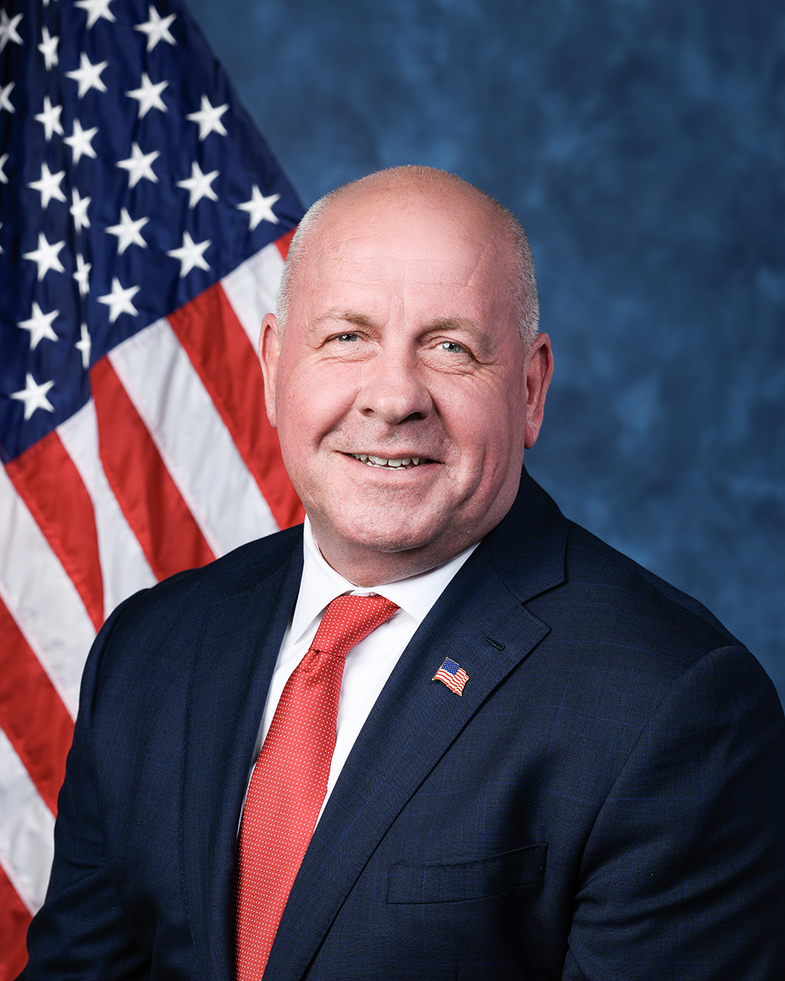
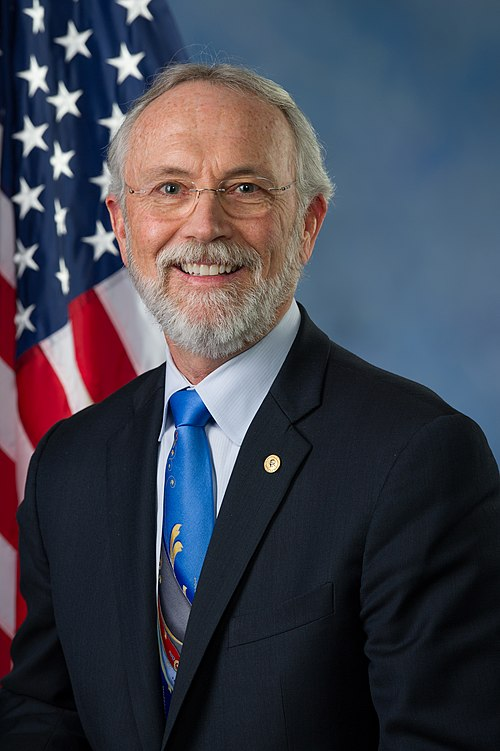
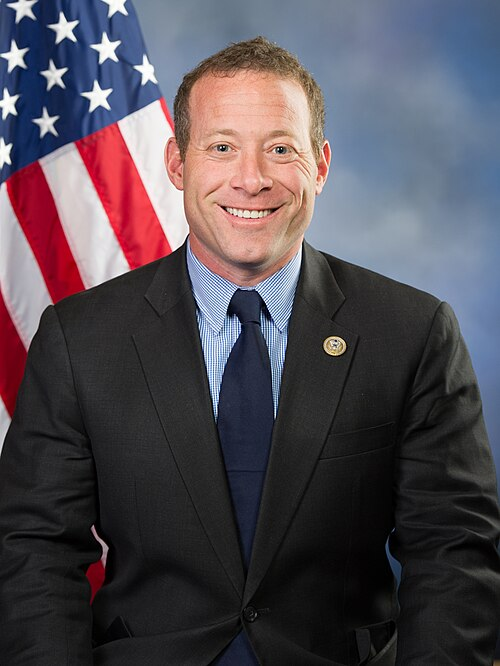
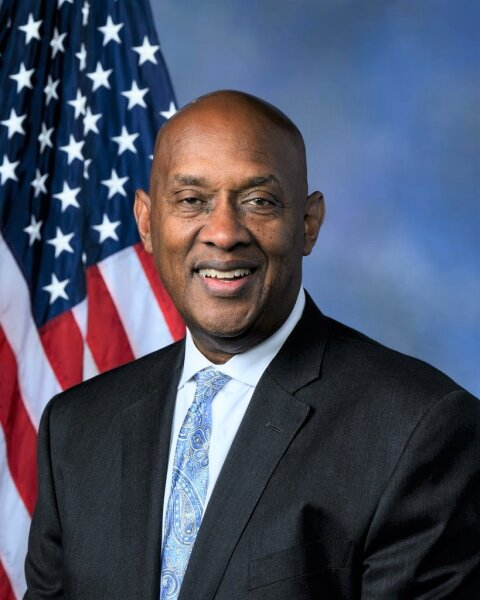
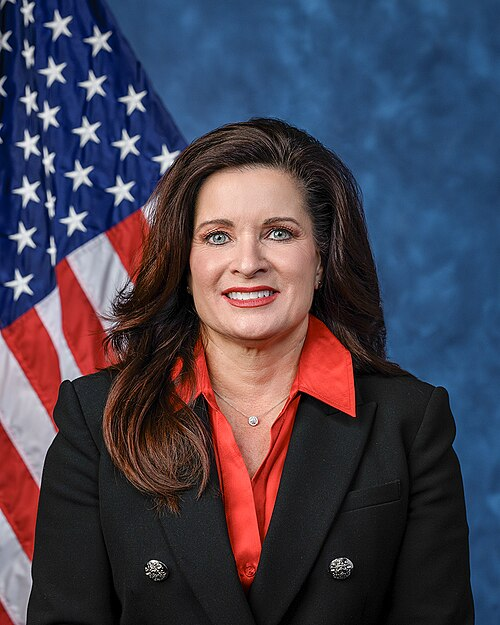
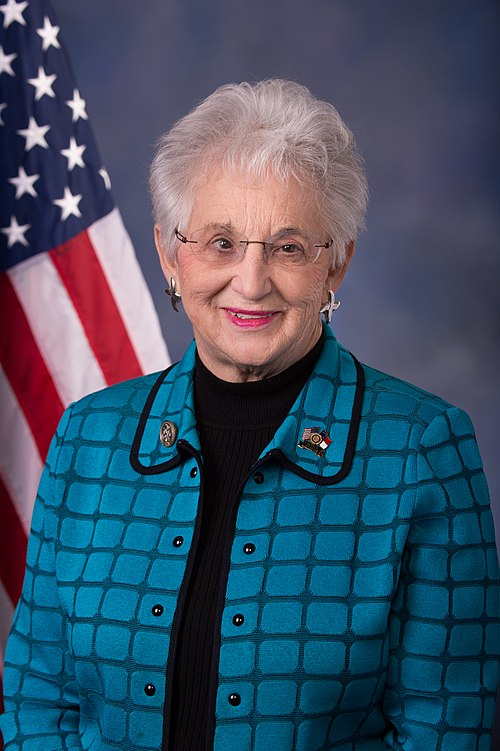
2 bill sponsors


Actions
3 actions
| Date | Action |
|---|---|
| Jul. 07, 2026 | Referred to the Subcommittee on Transportation and Maritime Security. |
| Jun. 09, 2026 | Introduced in House |
| Jun. 09, 2026 | Referred to the Committee on Transportation and Infrastructure, and in addition to the Committees on the Judiciary, and Homeland Security, for a period to be subsequently determined by the Speaker, in each case for consideration of such provisions as fall within the jurisdiction of the committee concerned. |
Corporate Lobbying
0 companies lobbying
None found.
* Note that there can be significant delays in lobbying disclosures, and our data may be incomplete.