
H.R. 9229: Seaport Security Act of 2026
This bill would create new federal rules aimed at keeping drones and other unmanned aircraft away from certain seaports.
What counts as a covered seaport
The bill defines a seaport as port facilities such as piers, wharves, docks, and nearby areas that handle at least 1 million tons of commercial or military cargo each year, or that routinely process overnight cruise passengers.
It also defines a protected area of airspace above these ports, generally the airspace from the ground up to 1,000 feet, plus any extra area the FAA says is needed to protect port infrastructure.
New drone restrictions
The bill would make it unlawful to operate a drone or drone system in the protected airspace over a covered seaport, unless the operation is specifically allowed.
It would also prohibit flying a drone in any way that interferes with, disrupts, or degrades a seaport’s security, operations, communications, or navigation systems, no matter how high the drone is flying.
Allowed drone operations
The ban would not apply to certain authorized flights, including:
- Operations by the Department of Homeland Security, the Department of Defense, or other federal agencies acting under legal authority
- State or local law enforcement flights with prior notice to the FAA and the Coast Guard
- Flights by a seaport or its contractor for operational, safety, or security purposes, with notice to the FAA and Coast Guard
- Flights specifically authorized by an FAA waiver
- Emergency flights needed to respond to an immediate threat to people or property, as long as the FAA and Coast Guard are notified as soon as practical
Enforcement and penalties
The bill would authorize the FAA and seaports to detect, stop, seize, and disable drones operating in the protected airspace, except for flights that are allowed under the bill.
Someone who violates the law could face a civil penalty of up to $25,000 for each violation, and the drone could be seized or forfeited.
If someone willfully violates the ban or interferes with port security, they could also face criminal penalties, including fines and up to 2 years in prison. If the conduct is done with the intent to surveil, damage, disrupt, or help criminal or terrorist activity, the penalty could increase to up to 10 years in prison.
Rulemaking
Within 180 days after enactment, the FAA Administrator would have to issue regulations to carry out the law, including deciding which airspace is covered and how notifications should work.
Relevant Companies
- None found
This is an AI-generated summary of the bill text. There may be mistakes.
Sponsors
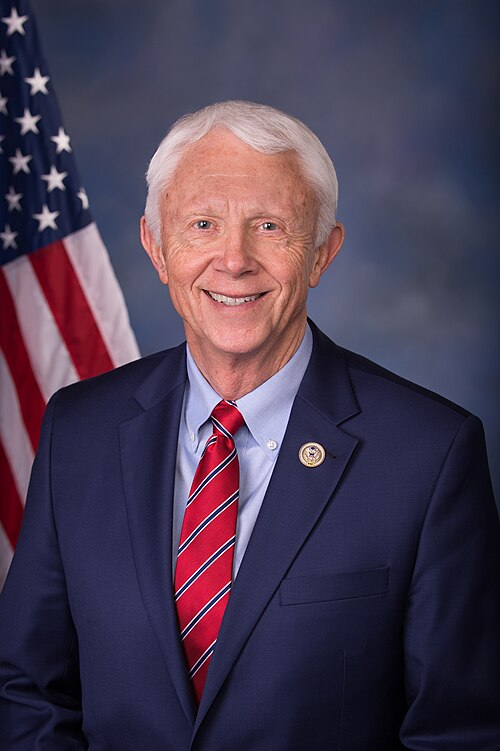
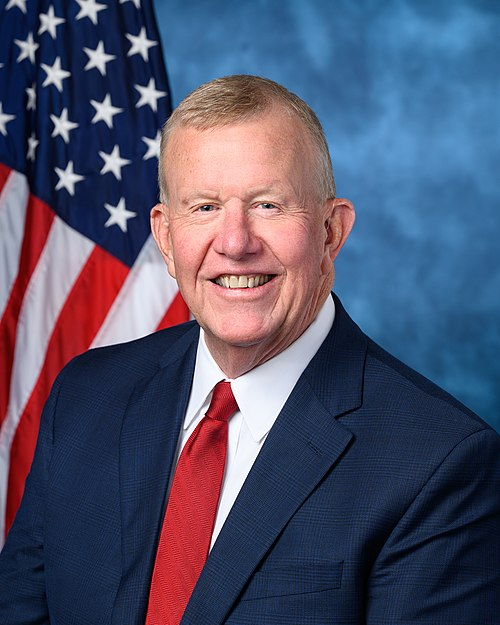
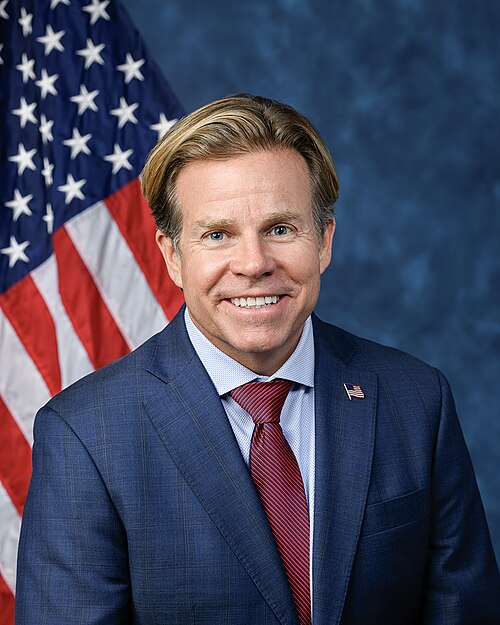
4 bill sponsors

Actions
2 actions
| Date | Action |
|---|---|
| Jun. 09, 2026 | Introduced in House |
| Jun. 09, 2026 | Referred to the Committee on the Judiciary, and in addition to the Committee on Transportation and Infrastructure, for a period to be subsequently determined by the Speaker, in each case for consideration of such provisions as fall within the jurisdiction of the committee concerned. |
Corporate Lobbying
0 companies lobbying
None found.
* Note that there can be significant delays in lobbying disclosures, and our data may be incomplete.
Potentially Relevant Congressional Stock Trades
No relevant congressional stock trades found.