
H.R. 9226: Connecticut River Watershed Partnership Act
This bill would create a federal program focused on restoring and protecting the Connecticut River watershed, which includes the Connecticut River, its tributaries, and the land in parts of Connecticut, Maine, Massachusetts, New Hampshire, and Vermont that drains into the river.
What the bill sets up
Within 180 days of enactment, the Secretary of the Interior, acting through the U.S. Fish and Wildlife Service, would have to create a nonregulatory Connecticut River Watershed Partnership program. “Nonregulatory” means the program would not directly create new federal rules or mandates for landowners or states.
The program would be designed to coordinate restoration and conservation efforts across the watershed by working with federal agencies, state and local governments, tribal governments and organizations, regional groups, nonprofits, and other stakeholders.
What kinds of activities it would support
The bill says the program would focus on identifying, prioritizing, and carrying out restoration and protection projects throughout the watershed. Examples include efforts to:
- restore and manage fish, wildlife, and plant populations;
- improve and maintain water quality;
- protect and restore habitat;
- use nature-based solutions to help communities and ecosystems adapt to flooding, storms, sea level rise, and other changing conditions;
- support farmland conservation, working forests, and food equity;
- expand public outreach, education, and community participation, especially in environmental justice communities;
- recognize and promote traditional Tribal cultural practices and ecological knowledge;
- improve access to open space, trails, bike lanes, sidewalks, public transportation, and bike share;
- support water management and flood damage reduction;
- monitor environmental conditions and fund research and planning; and
- provide technical assistance for restoration projects.
Grant program
The bill would also create a voluntary, competitive grant and technical assistance program for eligible entities. Eligible entities include state, tribal, and local governments, nonprofits, and institutions of higher education.
These grants would fund restoration and protection projects in the watershed. The Secretary would set criteria for awarding grants, with the goals of distributing funds fairly and making sure funded projects match the bill’s purposes.
Federal funding share
In general, federal funds could cover up to 75% of a project’s cost. For projects serving environmental justice communities, the federal share would be 90%. The Secretary could raise that to 100% if the recipient cannot pay its share or would face significant financial hardship.
The non-federal share could be paid in cash or through in-kind contributions such as services, materials, or the value of donated land.
Administration and oversight
The Secretary could hire the National Fish and Wildlife Foundation, or a similar organization, to help manage the grant program. If that happens, the selected organization would receive the funds in advance each fiscal year and administer them for the program.
The bill would also require the Secretary to report to Congress within 180 days of enactment, and then annually, on how the law is being implemented and which projects received funding.
Funding
The bill authorizes whatever sums are needed for fiscal years 2026 through 2030. At least 75% of the money made available each year would have to go to the grant program and related technical assistance. The funding would be in addition to, not instead of, other federal spending in the watershed.
Relevant Companies
None found
This is an AI-generated summary of the bill text. There may be mistakes.
Sponsors
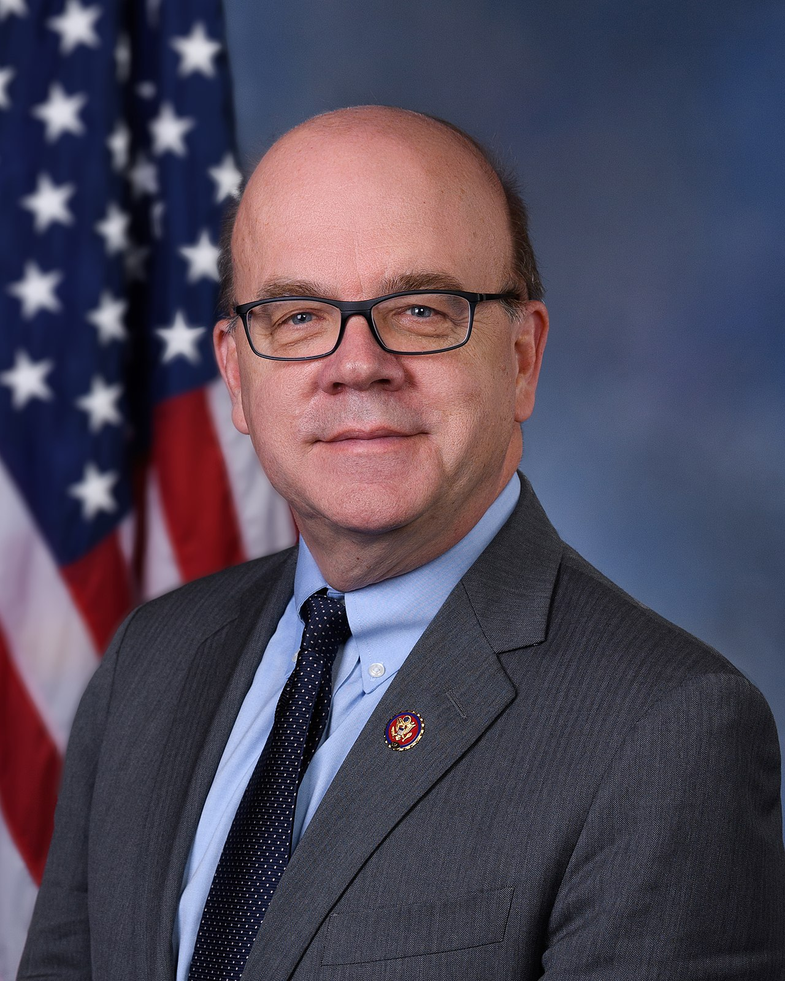
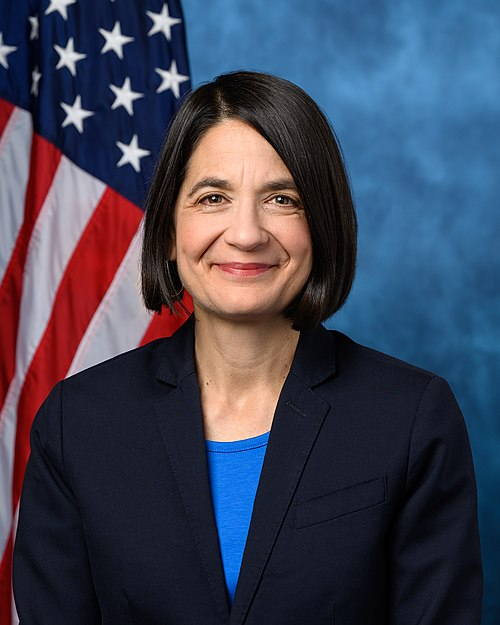
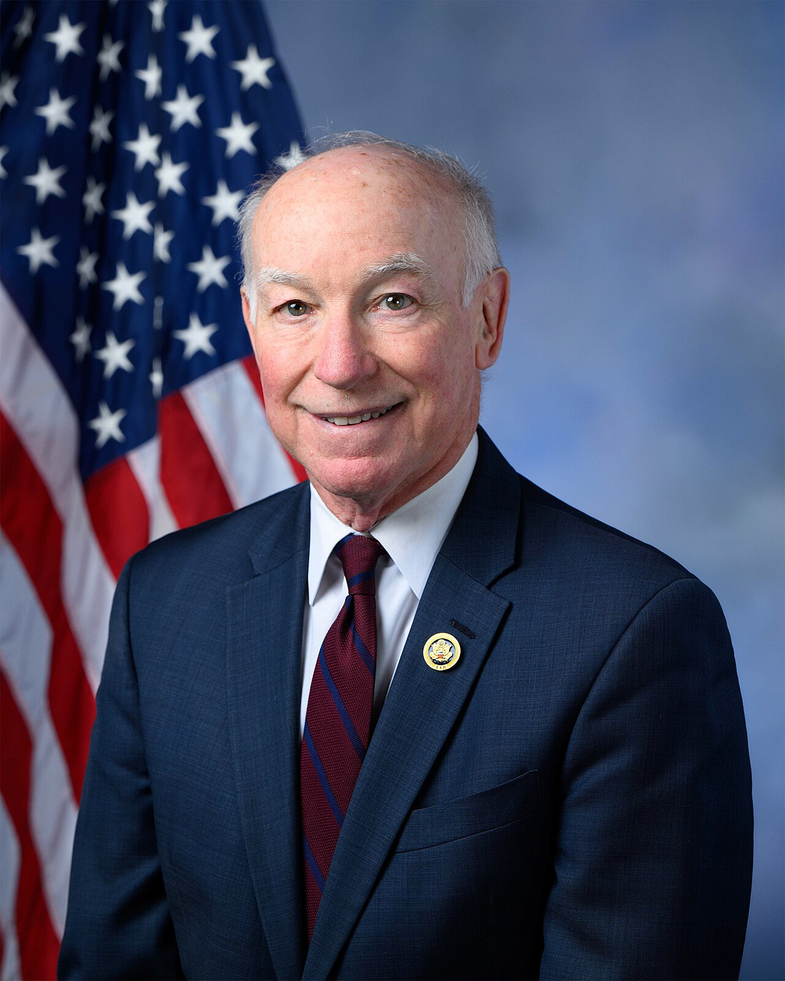
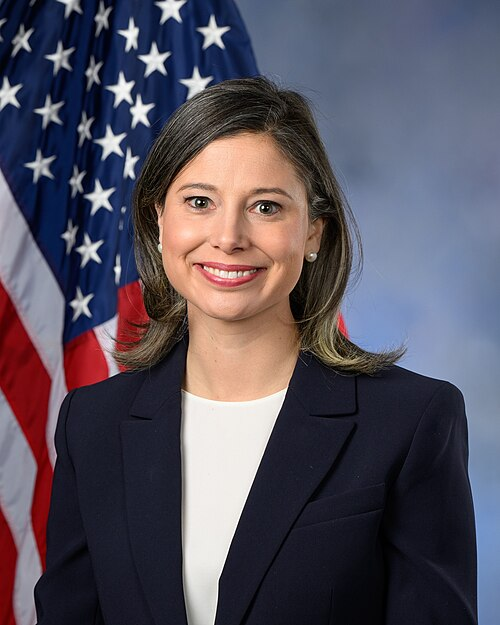
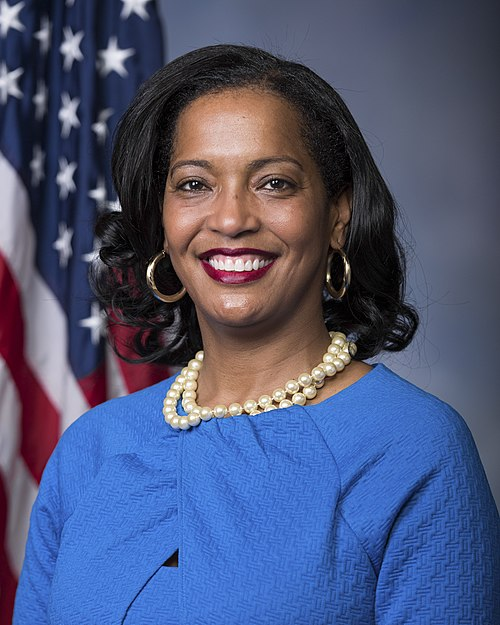
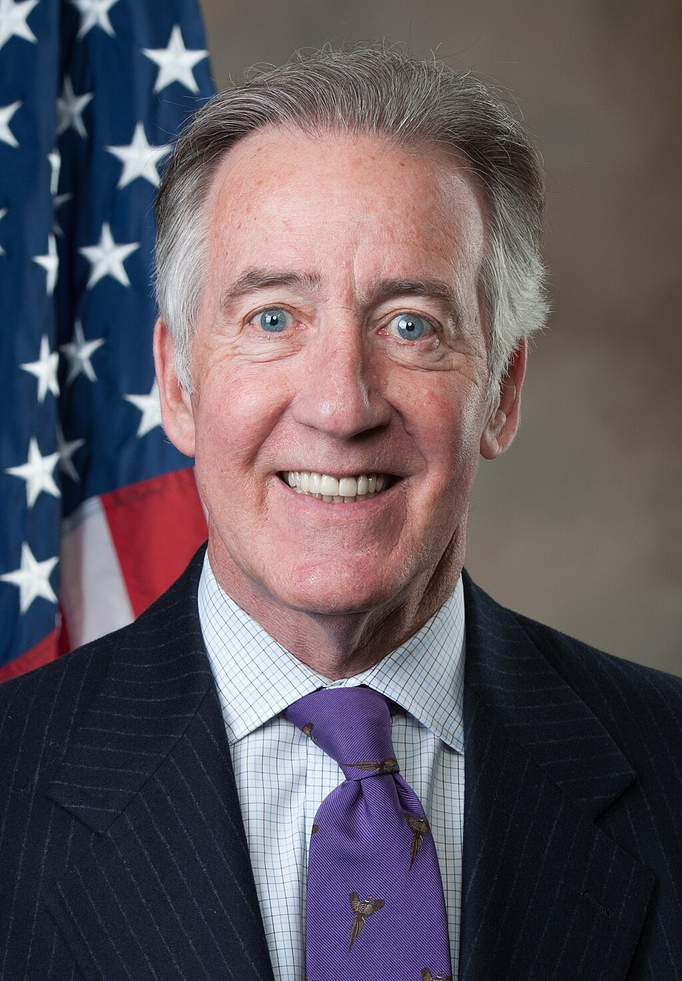
6 bill sponsors
Actions
2 actions
| Date | Action |
|---|---|
| Jun. 09, 2026 | Introduced in House |
| Jun. 09, 2026 | Referred to the Committee on Natural Resources, and in addition to the Committee on Transportation and Infrastructure, for a period to be subsequently determined by the Speaker, in each case for consideration of such provisions as fall within the jurisdiction of the committee concerned. |
Corporate Lobbying
0 companies lobbying
None found.
* Note that there can be significant delays in lobbying disclosures, and our data may be incomplete.
Potentially Relevant Congressional Stock Trades
No relevant congressional stock trades found.