
H.R. 9206: Department of Homeland Security Communications, Accuracy, Neutrality, Disclosure, Oversight, and Review Act
This bill would require the Department of Homeland Security (DHS) to create a department-wide policy for public communications, including social media use, within 90 days of enactment. The goal of the policy would be to make DHS public statements and posts more accurate, objective, and reliable.
What the policy would require
- Public-facing DHS material would need to be accurate, objective, and reliable.
- DHS personnel would be told to avoid misleading, partisan, unauthorized, speculative, or unsupported statements.
- The department would need procedures to quickly correct or clarify inaccurate or incomplete information.
- All public communications would need to go through review steps to check compliance with legal requirements.
Rules the policy would have to follow
The bill says the policy must align with several existing legal and ethical requirements, including:
- Federal data quality and information integrity rules;
- Hatch Act restrictions on political activity by federal employees;
- Federal privacy laws;
- Civil rights and civil liberties protections;
- Applicable ethics rules.
Component-level policies
Individual DHS components would be allowed to create their own communication policies, but only after the department-wide policy is issued. Those component policies would have to match the DHS-wide policy and be reviewed by the Office of Public Affairs and the General Counsel before they could be used.
Personal social media use by DHS personnel
The bill would place limits on how DHS employees can discuss department activities on their personal social media accounts. They would not be allowed to:
- Present personal views as if they were official DHS positions;
- Disclose non-public information;
- Use official titles, insignia, or internal information inappropriately.
They would also have to avoid making personal posts look like official DHS communications.
Oversight of official social media accounts
The Assistant Secretary for Public Affairs would serve as the main oversight authority for DHS social media used for public communication. Official accounts would have to:
- Be on platforms approved by DHS;
- Serve official, mission-related purposes;
- Have a designated account manager responsible for security and activity;
- Be approved by Public Affairs, the CIO, and General Counsel before launch;
- Be archived when closed.
The Office of Public Affairs, working with the General Counsel, would also have to set rules for reviewing social media posts before they are published.
Public list of DHS accounts and records
DHS would have to keep a public list of all current department and component social media accounts on its website. Records retention and disposal for official social media accounts would also have to follow DHS and National Archives rules.
Training requirements
The bill would require annual training for all DHS personnel on:
- Mass communication principles;
- Ethics rules;
- Relevant laws and regulations;
- The DHS-wide communications policy;
- Any applicable component-specific policies.
Employees involved in public communications or managing official social media accounts would also have to complete training within 30 days of being hired and before doing that work. Components would have to track completion rates and report them to Public Affairs.
Reporting, enforcement, and oversight reviews
Each DHS component would need a process for reporting, reviewing, and fixing suspected misuse of official or personal social media accounts. Violations of the section would count as violations of DHS policy and could lead to disciplinary action.
The DHS Inspector General would have to audit compliance within one year and then conduct periodic audits, with annual reports to Congress covering compliance, misuse incidents, corrective actions, and trends.
What counts as public-facing material
The bill defines public-facing material broadly. It includes things like press releases, speeches, talking points, fact sheets, testimony, letters, reports, billboards, broadcasts, and social media posts or engagement that could reasonably be seen as representing DHS. It does not include regulatory publications, guidance documents, or certain formal agency actions.
Relevant Companies
None found.
This is an AI-generated summary of the bill text. There may be mistakes.
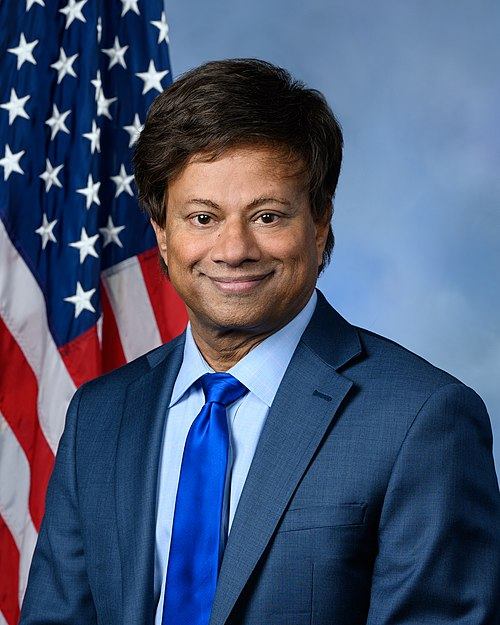
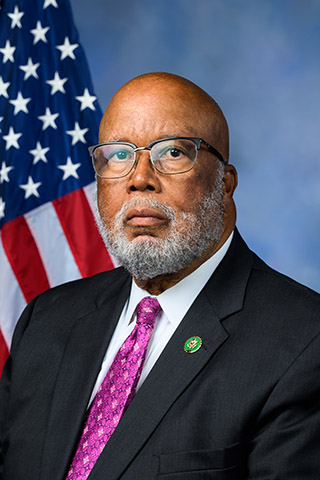
Sponsors
2 bill sponsors
Actions
3 actions
| Date | Action |
|---|---|
| Jul. 07, 2026 | Referred to the Subcommittee on Oversight, Investigations, and Accountability. |
| Jun. 08, 2026 | Introduced in House |
| Jun. 08, 2026 | Referred to the House Committee on Homeland Security. |
Corporate Lobbying
0 companies lobbying
None found.
* Note that there can be significant delays in lobbying disclosures, and our data may be incomplete.
Potentially Relevant Congressional Stock Trades
No relevant congressional stock trades found.