H.R. 9196: Helen Keller Education Act
This bill would update federal special education law to add specific requirements and guidance for children and youth who are deafblind. In simple terms, it would push states and schools to identify these children more consistently, evaluate their needs more carefully, and make sure they receive services tailored to both hearing and vision loss.
What the bill changes
- Creates a clearer federal definition of “deafblind” for purposes of the bill, describing a combination of hearing and vision loss that affects access to information, communication, social-emotional well-being, and development.
- Requires states to identify and serve deafblind children even if they are classified under another disability category. If a child has both hearing and vision loss, the state would need to locate and evaluate that child and provide appropriate special education services, regardless of the label used in the state system.
- Adds deafblindness to federal disability data collection. States and the Department of the Interior would have to report how many students in other disability categories are also deafblind.
- Expands the definition of a child with a disability under IDEA to include deafblindness.
- Recognizes “intervener services” as a related service. These are individualized supports provided by a qualified intervener to help a deafblind child access communication, learning, and school activities.
New state plan requirements
The bill would require states, within two years, to file an addendum to their special education plans explaining how they will ensure that deafblind children are properly evaluated and served. This addendum would need to address:
- use of qualified professionals, including teachers of the deafblind;
- valid and reliable assessments;
- enough trained personnel, including teachers of the deafblind and interveners;
- services tailored to each child’s communication and learning needs;
- making sure children who are deafblind are not served only under Section 504 if they need special education and related services.
The state plan would also need to explain how it supports language development, communication in the child’s preferred mode, direct communication with peers and professionals, and instruction in areas such as self-advocacy, social-emotional skills, orientation and mobility, assistive technology, independent living, and career education. States would have to consult with parents, consumers, advocacy groups, and organizations with expertise in deafblindness.
Evaluation and individualized education program changes
The bill would require evaluations of deafblind children to look specifically at language and communication skills, including expressive, receptive, and pragmatic communication, and how the child accesses grade-level content in their preferred communication mode. Qualified personnel trained in deafblindness would have to be involved in those evaluations.
It would also require IEP teams to consider a deafblind child’s language and communication needs, including tactile sign language, tactile and visual adaptations to sign and fingerspelling, and object/tangible symbol systems.
Early intervention for infants and toddlers
For infants and toddlers who are deafblind, the bill would require early intervention plans to include ongoing language and communication assessments, goals matched to the child’s cognitive abilities, direct communication opportunities with peers and providers, and support for families so they can learn how to communicate with and support their child.
Technical assistance and regulations
The Secretary of Education would have to publish guidance for parents and educators about special education and related services for deafblind children within one year, and update it at least every five years. The Secretary would also have to issue regulations defining “deafblindness” and “intervener services” within one year after enactment.
Personnel development
The bill would expand federal personnel-development activities to help train more teachers of children who are deafblind, interveners, and early intervention specialists. The goal is to increase the number of people qualified to support these children in schools, preschool, and early intervention settings.
Relevant Companies
None found
This is an AI-generated summary of the bill text. There may be mistakes.
Sponsors
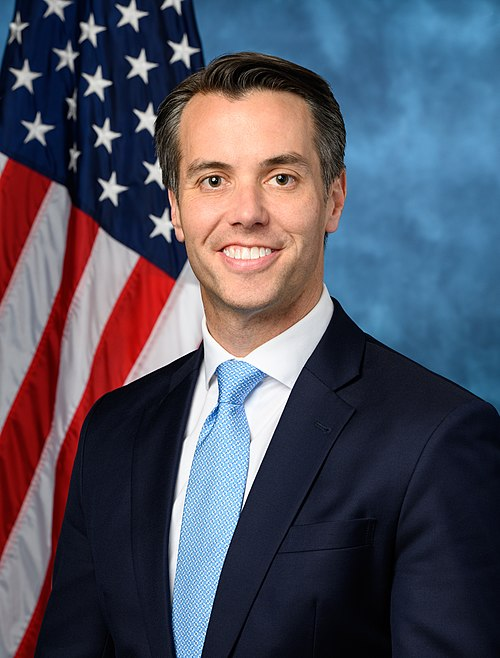
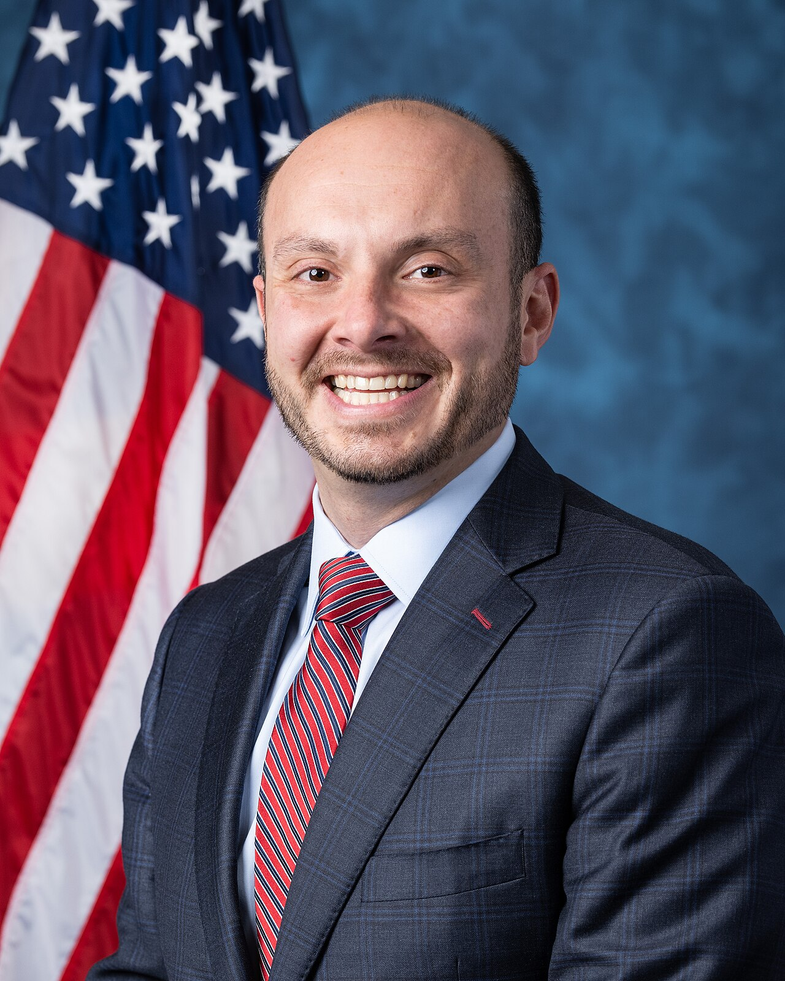
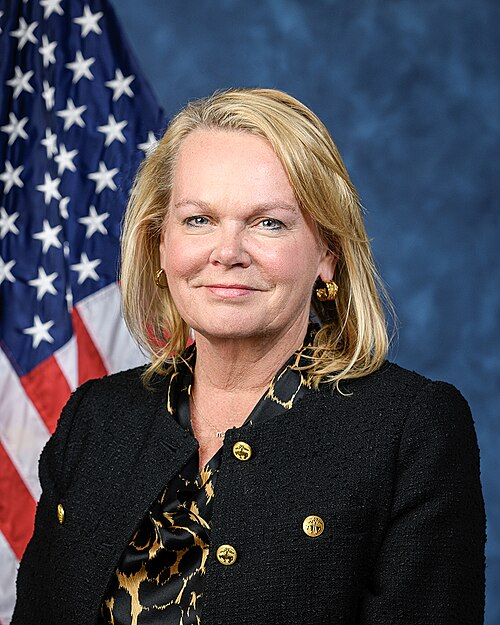
4 bill sponsors

Actions
2 actions
| Date | Action |
|---|---|
| Jun. 08, 2026 | Introduced in House |
| Jun. 08, 2026 | Referred to the House Committee on Education and Workforce. |
Corporate Lobbying
0 companies lobbying
None found.
* Note that there can be significant delays in lobbying disclosures, and our data may be incomplete.
Potentially Relevant Congressional Stock Trades
No relevant congressional stock trades found.