
H.R. 9135: Total Disability based on Individual Unemployability Reform Act of 2026
This legislation, named the Total Disability based on Individual Unemployability Reform Act of 2026, aims to amend existing laws to better define and codify how disability compensation is provided to veterans who are unable to work due to service-connected disabilities. Here is a summary of its main provisions:
1. Reform of Disability Compensation Criteria
The bill establishes clearer criteria for veterans who can receive a total disability rating based on individual unemployability due to service-connected disabilities. The Secretary of the Department of Veterans Affairs has the authority to assign a total disability rating if a veteran is deemed unable to secure or pursue gainful employment due to their service-related conditions.
2. Eligibility Requirements
To be eligible for this total disability rating, veterans must meet certain criteria:
- They must have one service-connected disability rated at 60% or more; or
- They must have two or more service-connected disabilities where one is rated at 40% or higher, and the combined rating amounts to at least 70%.
The bill also defines how to consider multiple disabilities as a single disability in specific cases, including:
- Disabilities of upper or lower extremities.
- Disabilities resulting from a single event or common cause.
- Disabilities affecting the same body system.
- Multiple injuries incurred in combat.
- Disabilities from being a prisoner of war.
3. Evaluation of Other Veterans
For veterans who cannot be rated under the standard criteria but are still unable to work due to their service-connected disabilities, the bill requires the rating board to evaluate their situation. This includes examining:
- The service-connected disabilities.
- The veteran's work history.
- The educational and vocational background.
- Other relevant factors that may influence unemployability.
The Director of Compensation Services will review these evaluations to make determinations regarding individual unemployability for these veterans.
4. Age Limitations
This legislation stipulates that veterans aged 67 and older are not eligible for compensation based on individual unemployability. This limitation applies to those who first received the compensation on or after December 31, 2026.
5. Definition of Marginal Employment
The bill clarifies that "marginal employment" does not qualify as a substantially gainful occupation. Marginal employment is defined as jobs that either:
- Do not pay more than the U.S. Census Bureau's poverty threshold for one person; or
- Pay above the poverty threshold but are deemed marginal by the Secretary of VA based on the nature of the employment or reasons for termination from that employment.
6. Administrative Changes
The bill includes some clerical amendments to streamline the sections within the U.S. Code regarding mental health consultations and the new section on individual unemployability.
Relevant Companies
None found
This is an AI-generated summary of the bill text. There may be mistakes.
Sponsors
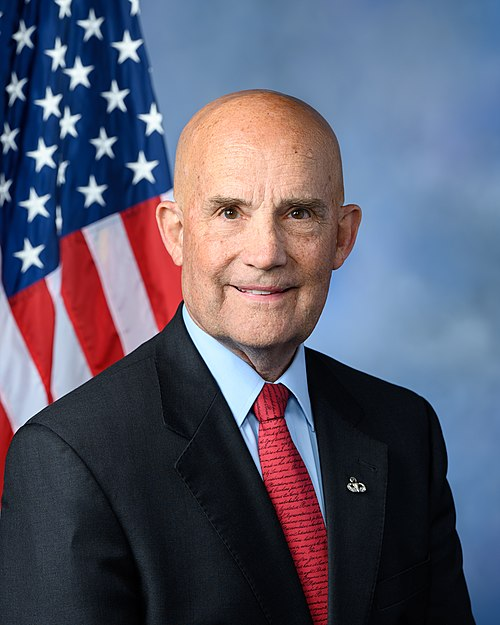
1 sponsor
Actions
3 actions
| Date | Action |
|---|---|
| Jun. 23, 2026 | Referred to the Subcommittee on Disability Assistance and Memorial Affairs. |
| Jun. 03, 2026 | Introduced in House |
| Jun. 03, 2026 | Referred to the House Committee on Veterans' Affairs. |
Corporate Lobbying
0 companies lobbying
None found.
* Note that there can be significant delays in lobbying disclosures, and our data may be incomplete.
Potentially Relevant Congressional Stock Trades
No relevant congressional stock trades found.