H.R. 9102: Biotech Investment National Security Act of 2026
The Biotech Investment National Security Act of 2026 (often referred to as the BINSA Act) seeks to amend the Defense Production Act of 1950 concerning biotechnology. The bill's primary focus is on enhancing national security by addressing concerns regarding United States investments in China's biotechnology sector.
Key Components of the Bill
The bill includes several key actions and findings:
Findings
- The bill notes that China is strategically aiming to dominate the global biotechnology sector, which includes pharmaceuticals and biologics manufacturing.
- It highlights concerns that U.S. investments in Chinese biotechnology companies through various financial arrangements may create risks by transferring intellectual property and technological advantages to China.
- In 2025, significant financial exchanges between U.S. and Chinese pharmaceutical companies were noted, totaling $136 billion, indicating a substantial transfer of biotech capabilities.
- Biotechnology is recognized as having dual-use applications (civil and military) and poses strategic risks similar to those associated with sectors like semiconductors and artificial intelligence.
- Past legislation, including the BIOSECURE Act, acknowledged biotechnology as both an asset and a vulnerability for national security.
- The bill emphasizes a consistent screening process for outbound investments to prevent strategic dependencies on foreign entities, especially those in China.
Proposed Amendments
The act proposes to broaden the definition of "biotechnology" within the Defense Production Act. This would now include:
- Research, development, manufacturing, or commercialization of pharmaceutical products.
- Biological products as defined under the Public Health Service Act.
- Therapeutic compounds and related capabilities, including clinical research and the manufacturing of biologics.
Implementation and Rulemaking
The Secretary of the Treasury is required to establish regulations within one year after the bill’s enactment to clarify the boundaries of biotechnology as defined in the amended Act. This will involve:
- Consultation with various government bodies, including health and defense departments.
- Particular emphasis on transactions involving licensing, joint ventures, and equity investment in biotechnology.
- Defining priority categories that cover crucial biotechnology sectors.
- Not categorizing agricultural technology or basic academic research as part of biotechnology under this bill.
Reporting Requirements
The bill mandates a report from the Secretary of Defense within 60 days of enactment, evaluating whether U.S. investments in China's biotechnology could harm national security. This report should provide insights in both unclassified and classified formats.
Relevant Companies
- TMO (Thermo Fisher Scientific): As a major supplier of laboratory products and services in the biotech sector, changes in investment patterns and regulations could impact their collaborations or strategic partnerships in China.
- PFE (Pfizer Inc.): Being heavily involved in pharmaceutical development, Pfizer may see shifts in how it approaches collaborations with Chinese firms for research and innovation.
- AMGN (Amgen Inc.): As a leader in biologics, Amgen could be affected by restrictions on technology transfers to or from entities in China.
This is an AI-generated summary of the bill text. There may be mistakes.
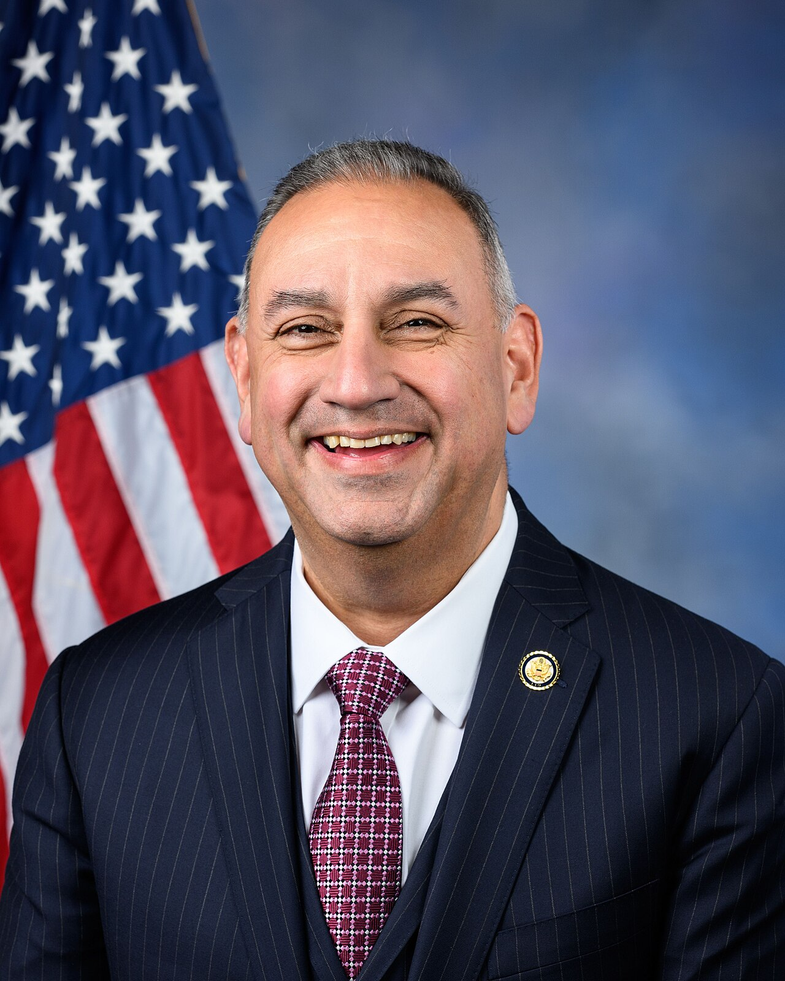
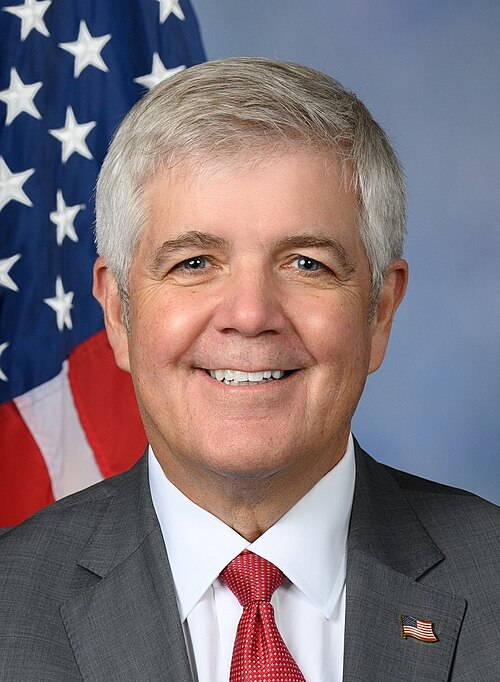
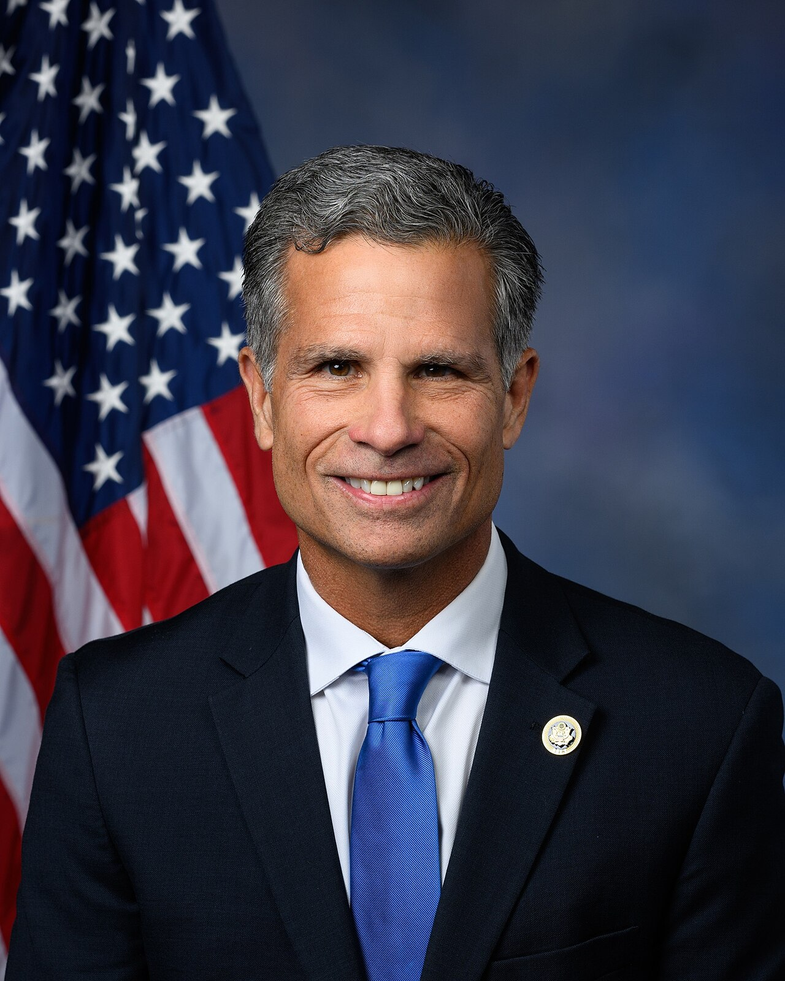
Sponsors
2 bill sponsors


Actions
2 actions
| Date | Action |
|---|---|
| Jun. 02, 2026 | Introduced in House |
| Jun. 02, 2026 | Referred to the House Committee on Financial Services. |
Corporate Lobbying
0 companies lobbying
None found.
* Note that there can be significant delays in lobbying disclosures, and our data may be incomplete.