
H.R. 9056: Community Flood Resilience Act
This bill, known as the Community Flood Resilience Act, aims to enhance flood resilience in communities facing significant flood risks. Here’s a summary of its key provisions:
Purpose of the Bill
The bill seeks to allow certain funds from flood mitigation assistance grants to be used to pay for community-based parametric flood insurance policies. This type of insurance is different from traditional flood insurance in that it provides payouts based on predefined conditions related to measurable flood metrics rather than the specific damage incurred.
Use of Flood Mitigation Assistance Grant Funds
- For a period of five years following the enactment of this bill, states and communities that receive flood mitigation assistance can use up to 15% of those funds each year to purchase community-based parametric flood insurance policies.
- These policies must meet certain criteria:
- They must be offered through the private sector.
- They must specify objective, predefined flood-related conditions that trigger payouts.
- They should include timelines and terms for disbursement that are established when the policy is underwritten.
- Payouts must be made promptly upon verification that the trigger conditions have been met without requiring additional approval from the Federal Emergency Management Agency (FEMA).
Reporting Requirements
States or communities using these funds are required to submit an annual report to FEMA. This report must outline:
- Efforts to promote enrollment in the National Flood Insurance Program.
- Education provided to community members about the limitations of parametric flood insurance.
- Encouragement of flood-risk mitigation activities.
- Use of the insurance to support households and small businesses and promote broader efforts toward flood resilience and insurance awareness.
Promotion of Community-Based Flood Insurance
- FEMA is tasked with conducting outreach to inform communities about the benefits and availability of community-based parametric flood insurance policies.
- FEMA will also allow the use of other grant amounts for similar insurance premiums within the same five-year timeframe.
Disclosure Requirements
Community-based parametric flood insurance policies funded through these grants must include a written disclosure to explain:
- The specific trigger conditions for payouts.
- Potential circumstances where certain households or businesses may not receive financial relief despite a triggering event (referred to as "basis risk").
- How these parametric policies differ from traditional flood insurance under the National Flood Insurance Program.
Assessment and Reporting
FEMA must provide a report to Congress:
- One year after, and then three and five years after the bill's enactment, analyzing the impact on National Flood Insurance policies in communities using grant amounts versus those that do not.
- This report should include data on the types and coverage of parametric flood insurance used, timeliness of claim payouts, effectiveness of outreach efforts, and any legislative recommendations for future action.
Timeframe for Implementation
The provisions allowing the use of grant funds for these insurance premiums will end five years after the bill becomes law, unless Congress decides to extend them.
Relevant Companies
- None found
This is an AI-generated summary of the bill text. There may be mistakes.
Sponsors
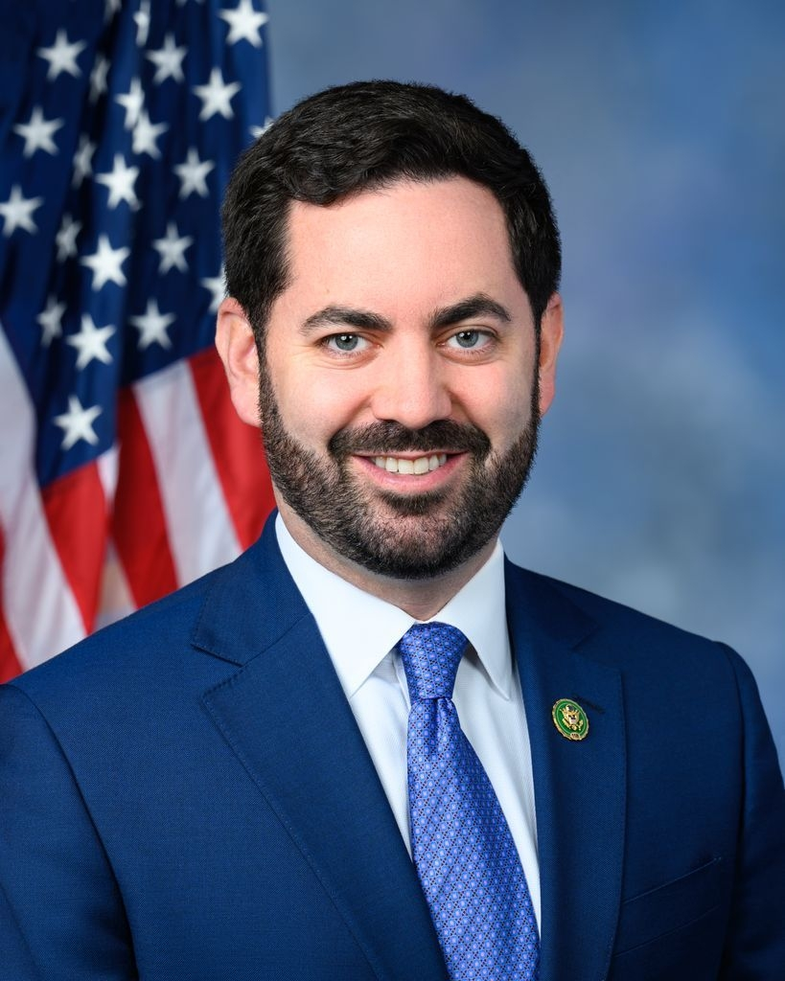
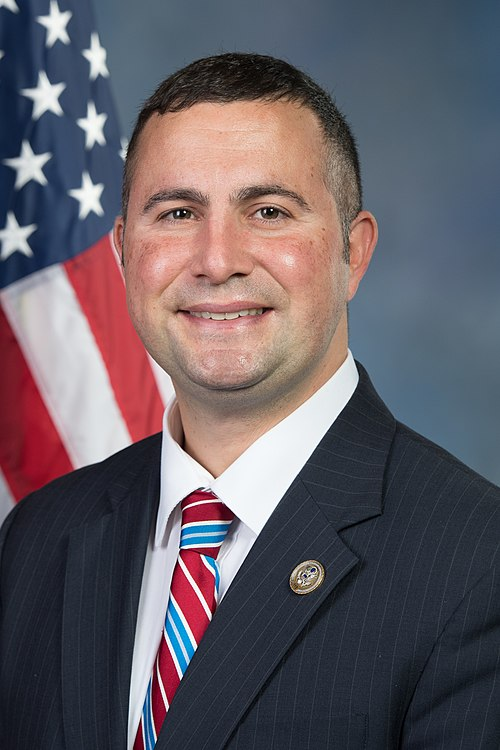
5 bill sponsors



Actions
2 actions
| Date | Action |
|---|---|
| May. 29, 2026 | Introduced in House |
| May. 29, 2026 | Referred to the House Committee on Financial Services. |
Corporate Lobbying
0 companies lobbying
None found.
* Note that there can be significant delays in lobbying disclosures, and our data may be incomplete.
Potentially Relevant Congressional Stock Trades
No relevant congressional stock trades found.