
H.R. 9032: Revitalizing Equitable Spaces to Transform Our Regional Environments and Third Spaces Act of 2026
The bill known as the "Revitalizing Equitable Spaces to Transform Our Regional Environments and Third Spaces Act of 2026" (or RESTORE Third Spaces Act of 2026) aims to create a pilot program overseen by the Secretary of Commerce to provide grants for the renovation and development of "third spaces." Third spaces are places that are open to the public and are different from home or work environments, serving as community hubs for social, cultural, and economic activities.
Objectives of the Bill
- To address the declining availability of third spaces due to disinvestment and gentrification, especially in underserved communities.
- To strengthen local economies by fostering collaboration and entrepreneurship through revitalized community spaces.
- To mitigate social isolation and enhance civic engagement among residents.
Pilot Grant Program
The Secretary of Commerce, in consultation with relevant departments, will establish this pilot program to award grants to eligible entities for the renovation or development of third spaces. Factors for eligibility include:
- Entities that can apply include local governments, nonprofit organizations, Federally recognized tribes, community colleges, and public libraries, among others.
- Grants will prioritize projects that strengthen the local economy and reduce social isolation.
Application Process and Use of Funds
Entities applying for grants will need to provide:
- Documentation of the community's history, particularly highlighting any historical inequities.
- Plans for community engagement in the design of the third space.
- Assurances that the project will benefit community members and preserve local culture and identity.
Grant funds can be used for:
- Planning and designing third spaces through community engagement and feasibility studies.
- Covering construction costs associated with the renovations or developments.
Equity and Accessibility Requirements
The bill stipulates that a minimum of 60% of the grant funds must be awarded to projects serving low-income and underserved communities. Additionally, third spaces developed with these funds should be free or low-cost for public access, with some exceptions for businesses renting the space.
Duration and Reporting of the Pilot Program
The pilot program is set to last for three years, but it can be extended for an additional two years if deemed necessary. The Secretary will also establish reporting requirements for participating entities to track:
- Attendance rates at the third spaces.
- Types of programs offered.
- Social, cultural, and economic impacts resulting from the spaces.
After the pilot ends, the Secretary will provide a report to Congress assessing the program's effectiveness and the overall success of the developed spaces.
Funding
The bill authorizes an appropriation of $200 million to implement the pilot program. A small portion of this funding (not exceeding 5%) can be used for the federal administration of the program.
Definitions
Key terms outlined in the bill include:
- Eligible Entity: Local governments, nonprofit organizations, libraries, and community colleges can apply for grants.
- Third Space: A space that supports social, cultural, and economic life, which may include community centers, libraries, and parks.
- Underserved Community: A community facing economic or social challenges, where revitalization efforts through third spaces can have significant impacts.
Relevant Companies
None found
This is an AI-generated summary of the bill text. There may be mistakes.
Sponsors
15 bill sponsors
-
TrackLaMonica McIver
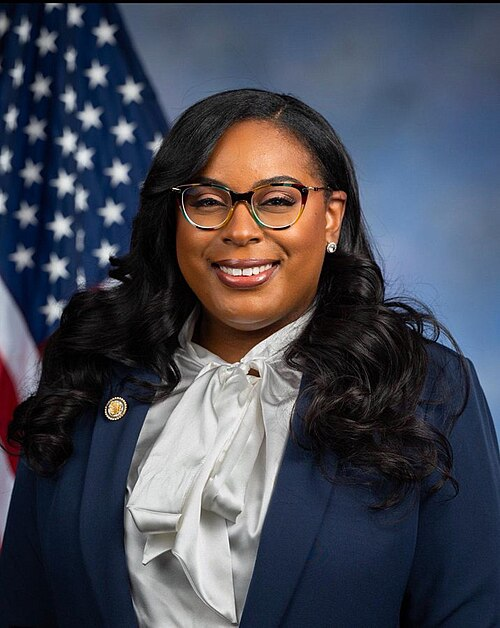
Sponsor
-
TrackAndré Carson
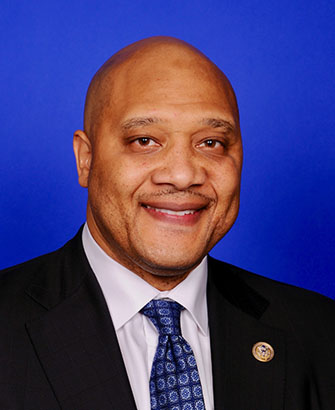
Co-Sponsor
-
TrackJasmine Crockett
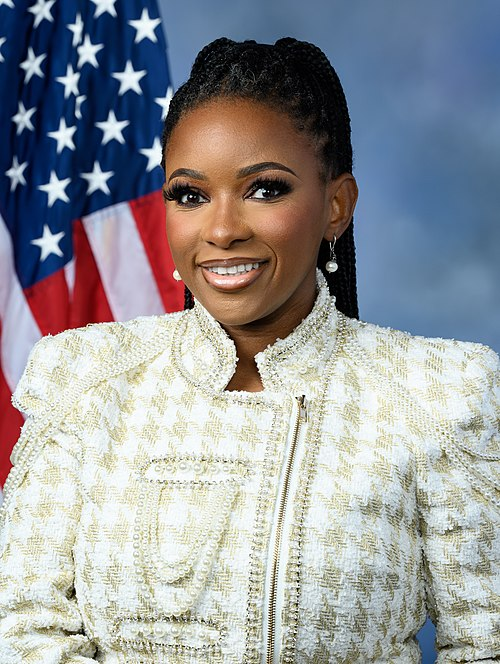
Co-Sponsor
-
TrackDanny K. Davis
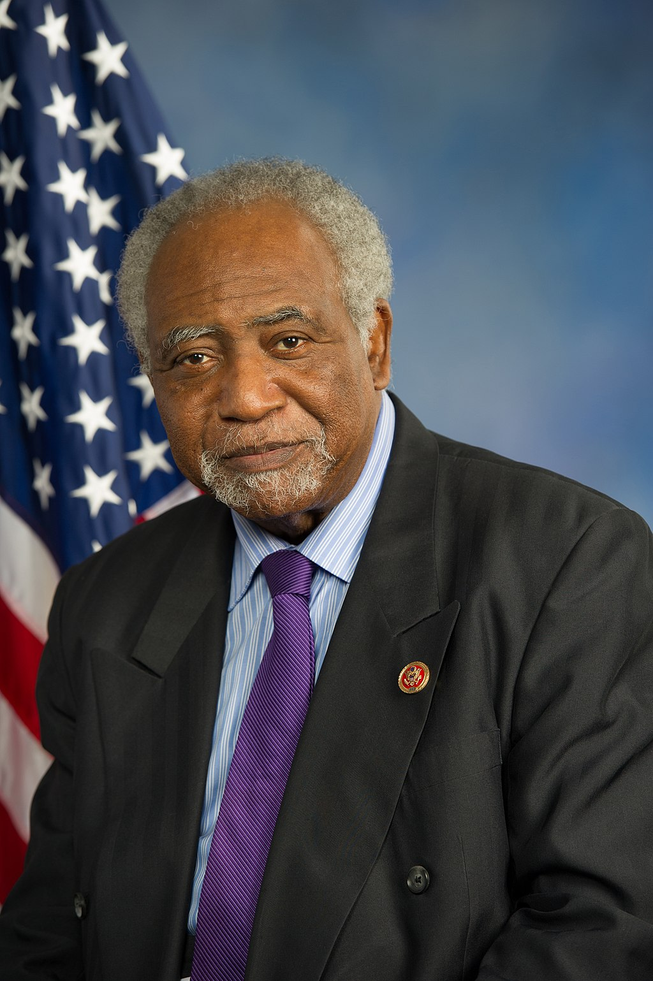
Co-Sponsor
-
TrackCleo Fields
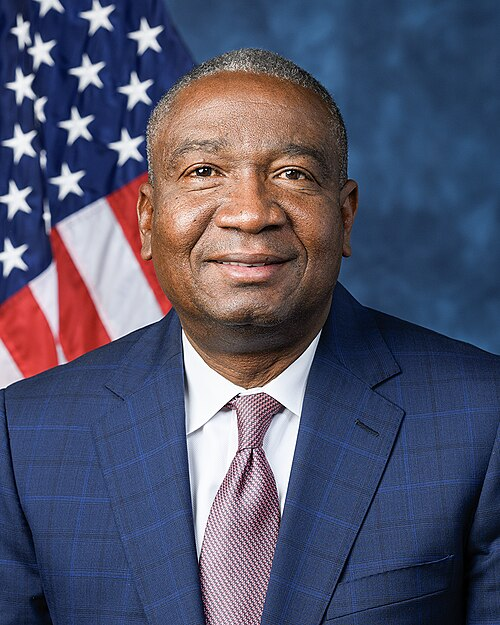
Co-Sponsor
-
TrackShomari Figures
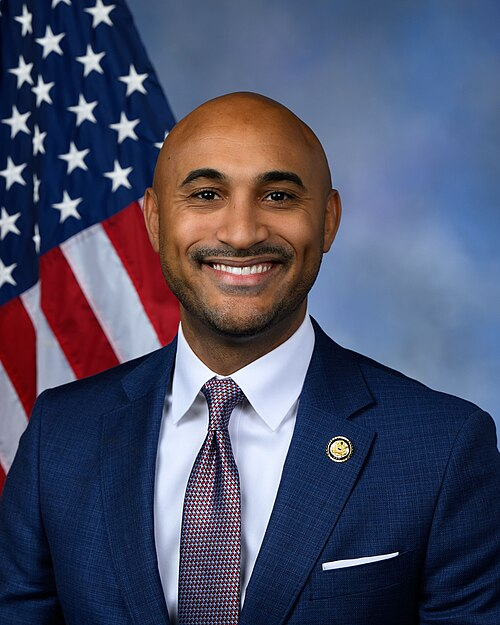
Co-Sponsor
-
TrackJesús G. "Chuy" García
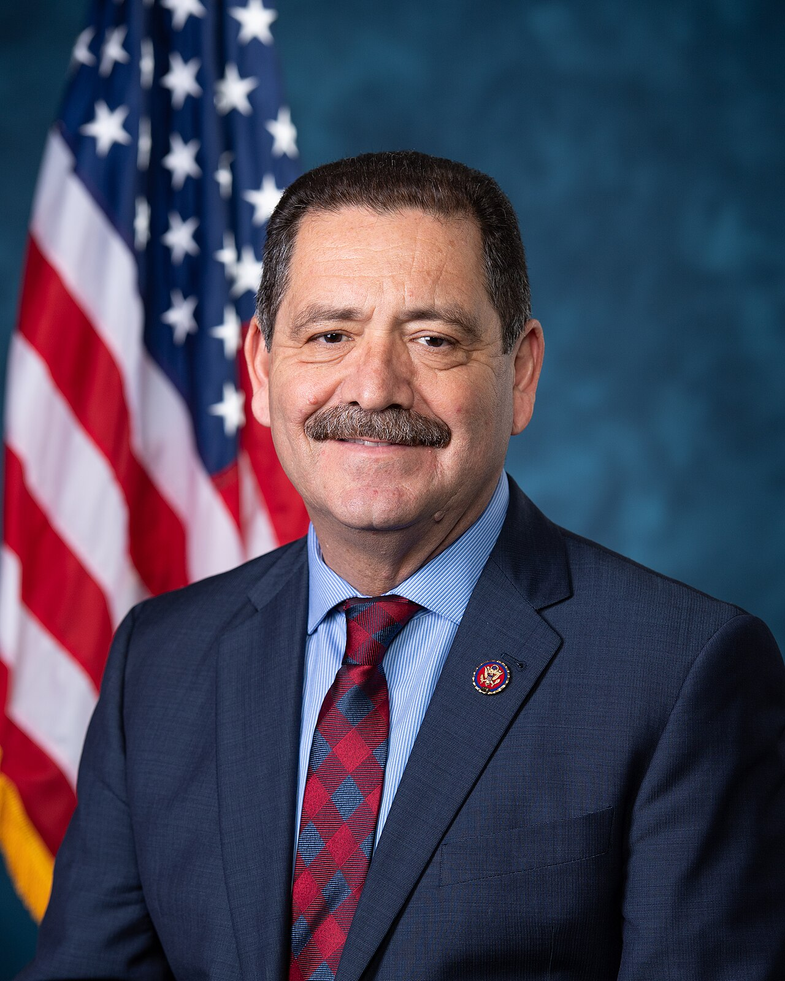
Co-Sponsor
-
TrackAl Green
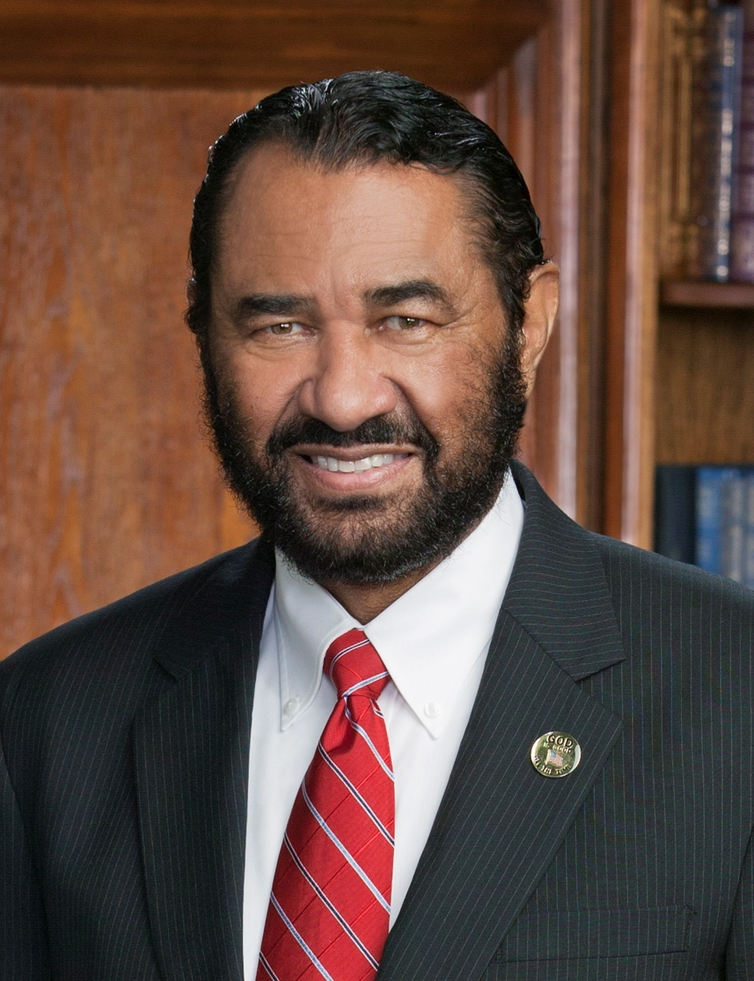
Co-Sponsor
-
TrackSeth Moulton
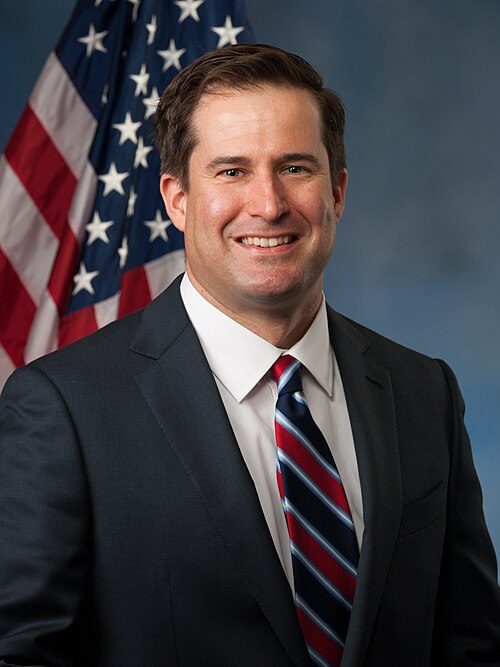
Co-Sponsor
-
TrackEleanor Holmes Norton
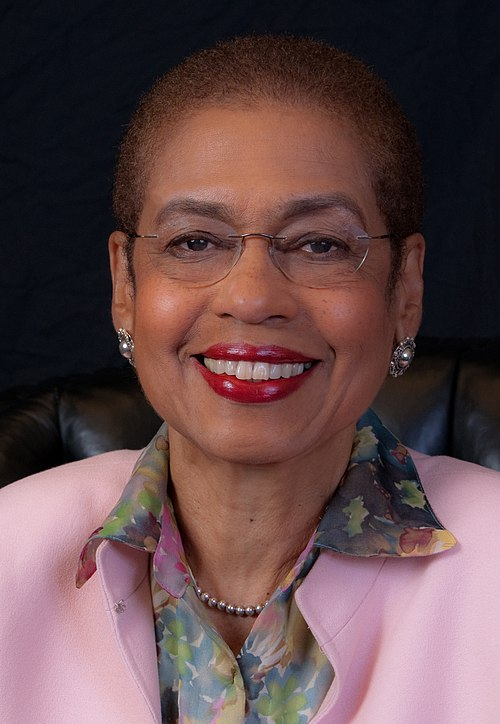
Co-Sponsor
-
TrackMike Quigley
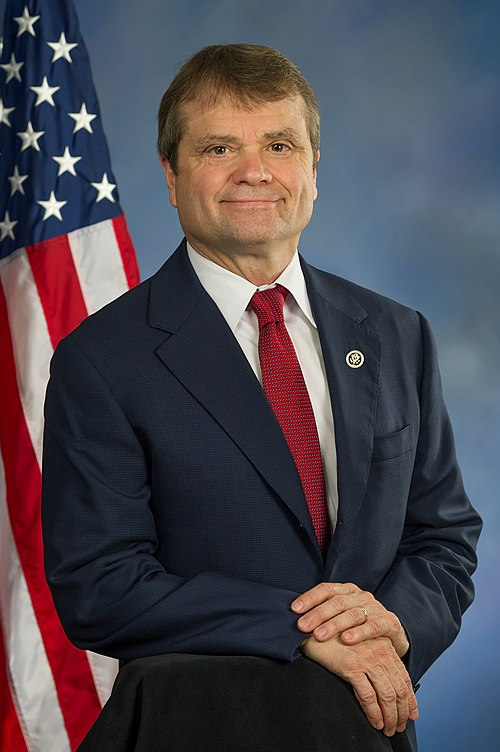
Co-Sponsor
-
TrackBennie G. Thompson
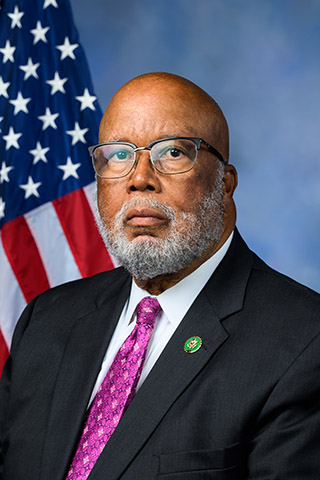
Co-Sponsor
-
TrackRashida Tlaib
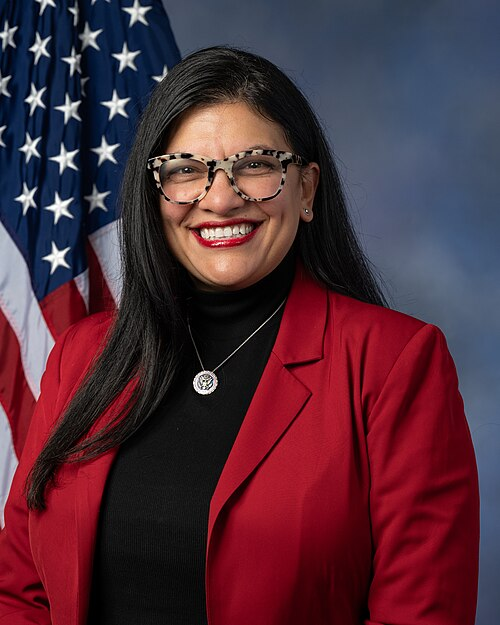
Co-Sponsor
-
TrackMaxine Waters
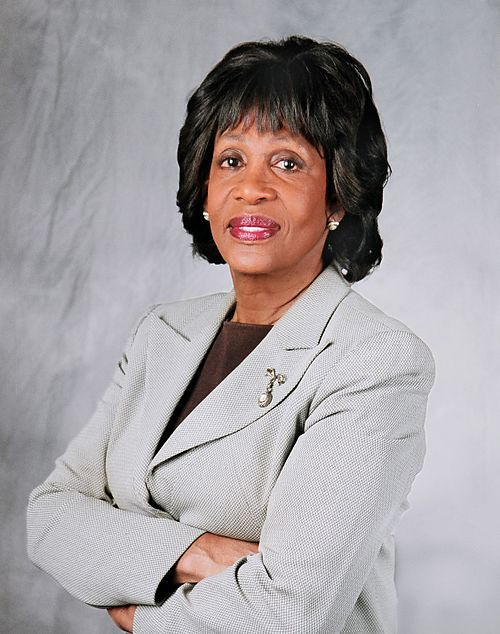
Co-Sponsor
-
Tracknan

Co-Sponsor
Actions
2 actions
| Date | Action |
|---|---|
| May. 26, 2026 | Introduced in House |
| May. 26, 2026 | Referred to the Committee on Transportation and Infrastructure, and in addition to the Committee on Financial Services, for a period to be subsequently determined by the Speaker, in each case for consideration of such provisions as fall within the jurisdiction of the committee concerned. |
Corporate Lobbying
0 companies lobbying
None found.
* Note that there can be significant delays in lobbying disclosures, and our data may be incomplete.
Potentially Relevant Congressional Stock Trades
No relevant congressional stock trades found.