H.R. 8964: Developing Oversight for Nutrition through the Official Regulation of Milk Act
This bill, known as the Developing Oversight for Nutrition through the Official Regulation of Milk Act (or DONOR Milk Act), aims to improve the regulation and safety of pasteurized donor human milk, which is milk donated by mothers that is processed and then used for infants who are not their own. Here are the key components of the bill:
1. New Definitions
The bill introduces the term "pasteurized donor human milk" into the Federal Food, Drug, and Cosmetic Act. This defines it specifically as milk expressed by a mother and donated for use by another infant, which has been collected, pasteurized, and dispensed without any additives.
2. Food Manufacturer Registration Changes
It clarifies that food establishments that manufacture, process, pack, or hold pasteurized donor human milk cannot be classified as nonprofit food establishments. This means that these facilities will have to adhere to the same regulations that apply to commercial food manufacturers.
3. Annual Inspections
The bill mandates that the Secretary of Health and Human Services will conduct inspections of facilities that handle pasteurized donor human milk at least once a year. These inspections may be unannounced and are intended to ensure compliance with food safety and labeling requirements.
4. Compliance Grants
A provision for "compliance grants" is included, which allows for the Secretary to provide financial assistance to nonprofit manufacturers of pasteurized donor human milk. These grants are intended to help with compliance costs, such as upgrading equipment, obtaining necessary certifications, and hiring third-party quality consultants. The bill authorizes the appropriation of $8 million for these grants, to remain available until spent.
5. Risk-Based Approach to Oversight
Inspections and oversight will be conducted based on a risk-based approach, meaning that the frequency and depth of inspections may vary depending on specific risk factors related to safety and compliance.
Summary of Implications
This legislation aims to enhance the safety, quality, and regulatory oversight of donor human milk, ensuring that it is handled in a manner consistent with public health standards. By imposing stricter regulations and inspection requirements, the bill seeks to protect infants' health and promote safer practices in the donation and processing of human milk.
Relevant Companies
- FSLR - First Solar, Inc. may be indirectly impacted by changes in safety equipment suppliers or compliance-related technology.
- NFLX - Netflix, Inc. could see indirect effects if health-related content becomes more focused on nutrition and infant care.
This is an AI-generated summary of the bill text. There may be mistakes.
Sponsors
11 bill sponsors
-
TrackRosa L. DeLauro
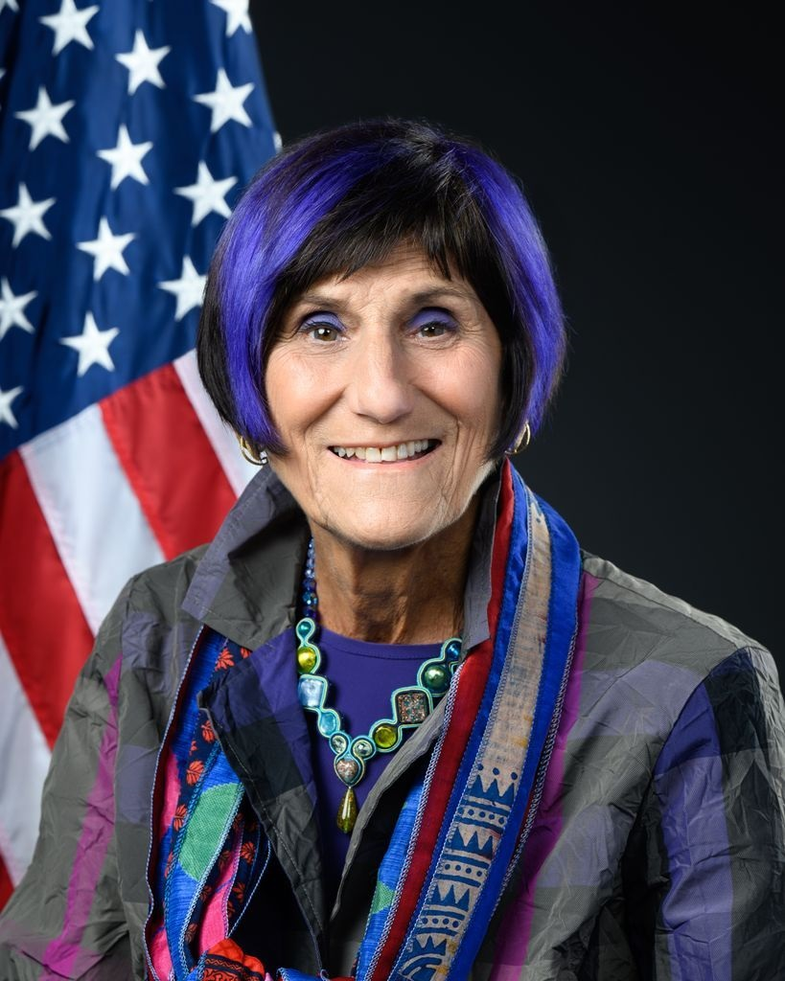
Sponsor
-
TrackSuzanne Bonamici
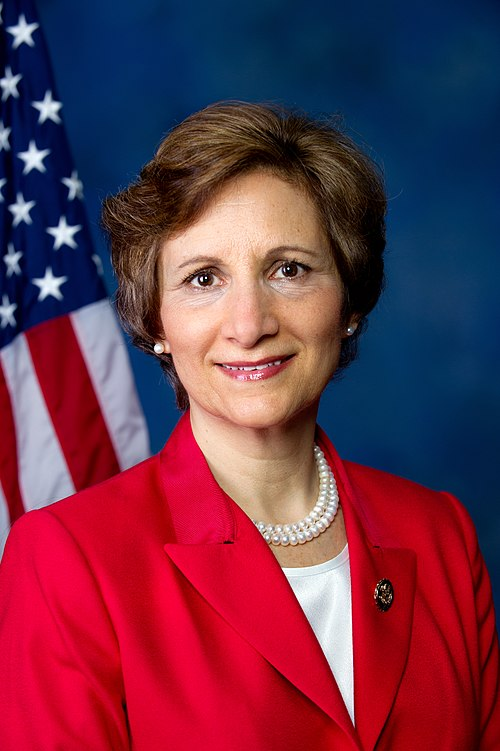
Co-Sponsor
-
TrackGilbert Ray Cisneros, Jr.
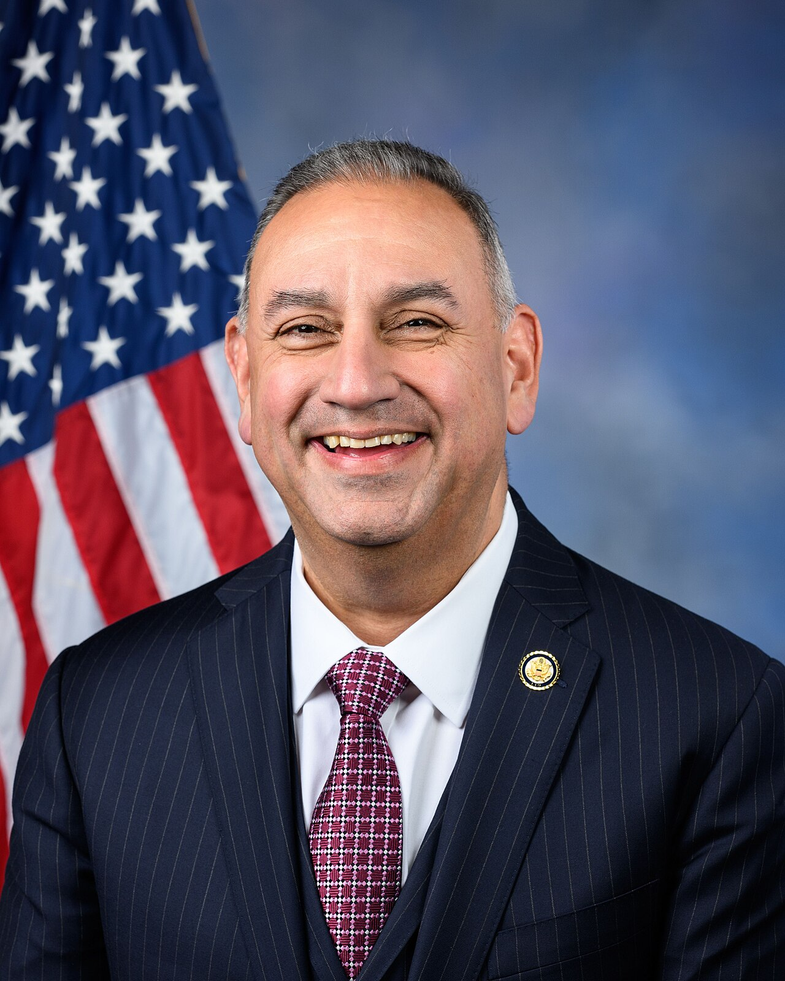
Co-Sponsor
-
TrackMadeleine Dean
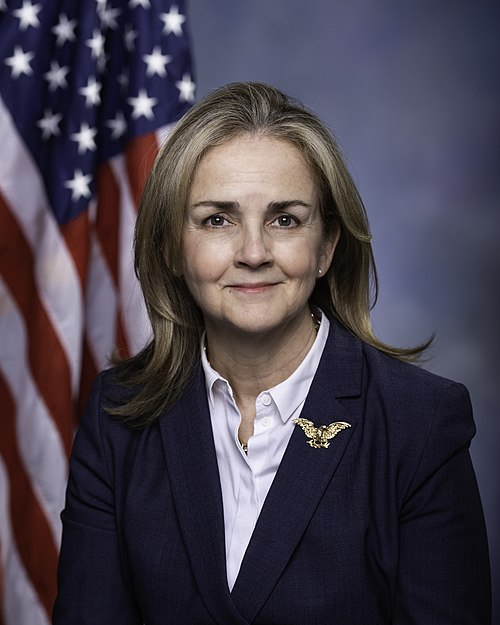
Co-Sponsor
-
TrackBrian K. Fitzpatrick
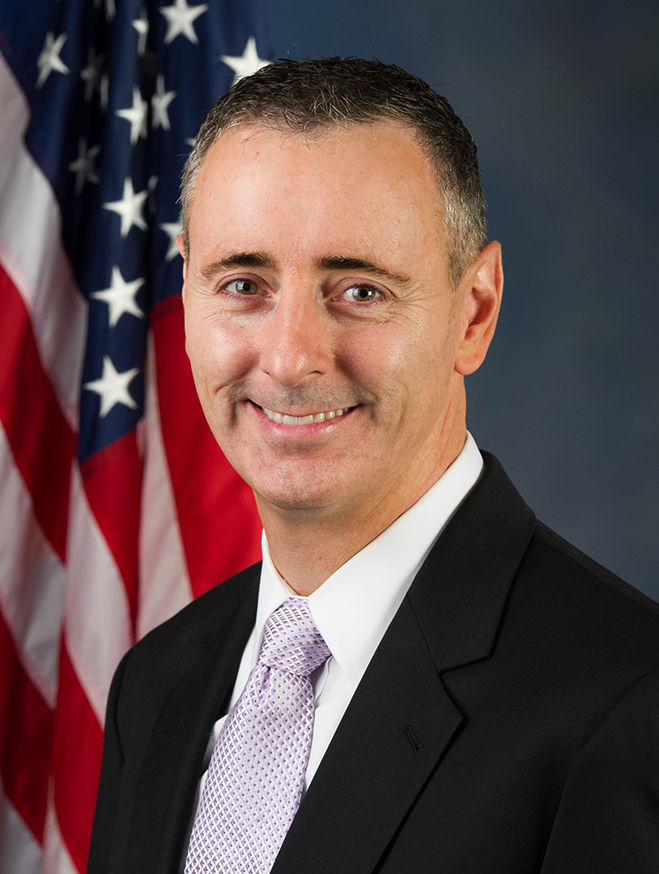
Co-Sponsor
-
TrackMichael Lawler
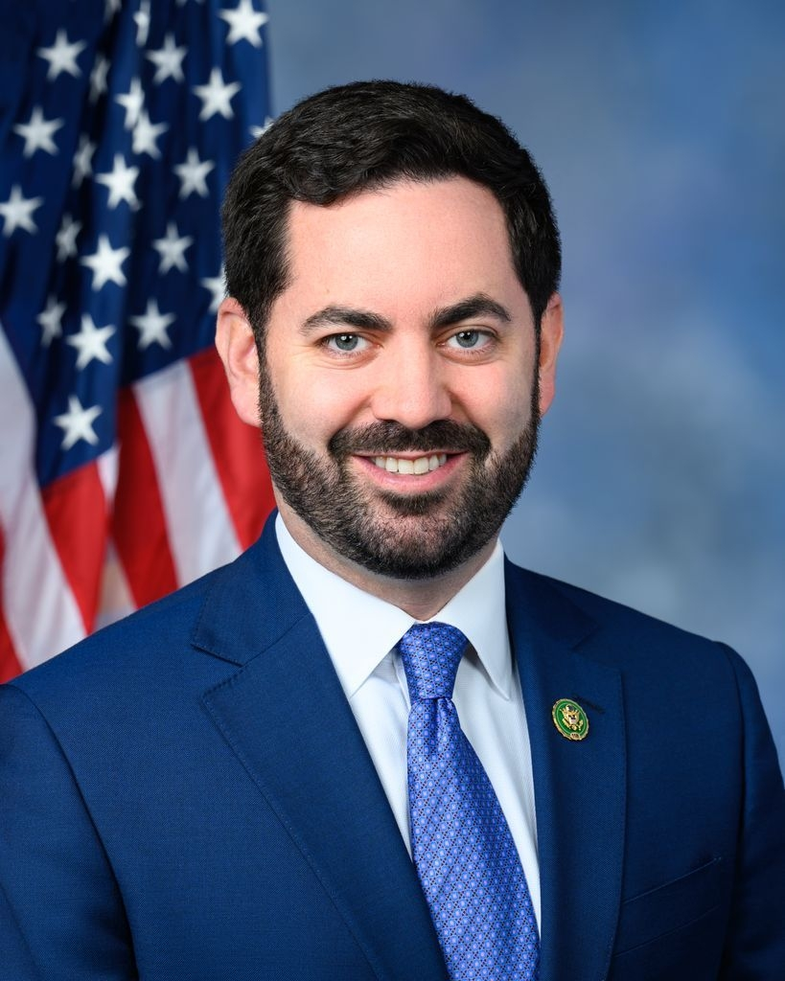
Co-Sponsor
-
TrackMorgan McGarvey
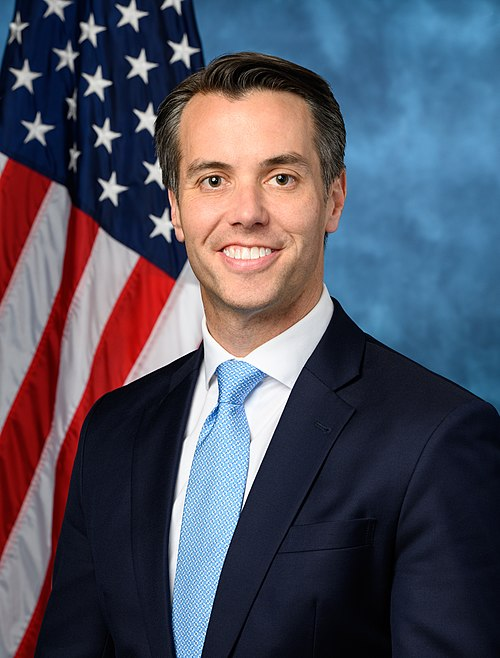
Co-Sponsor
-
TrackEleanor Holmes Norton

Co-Sponsor
-
TrackChris Pappas
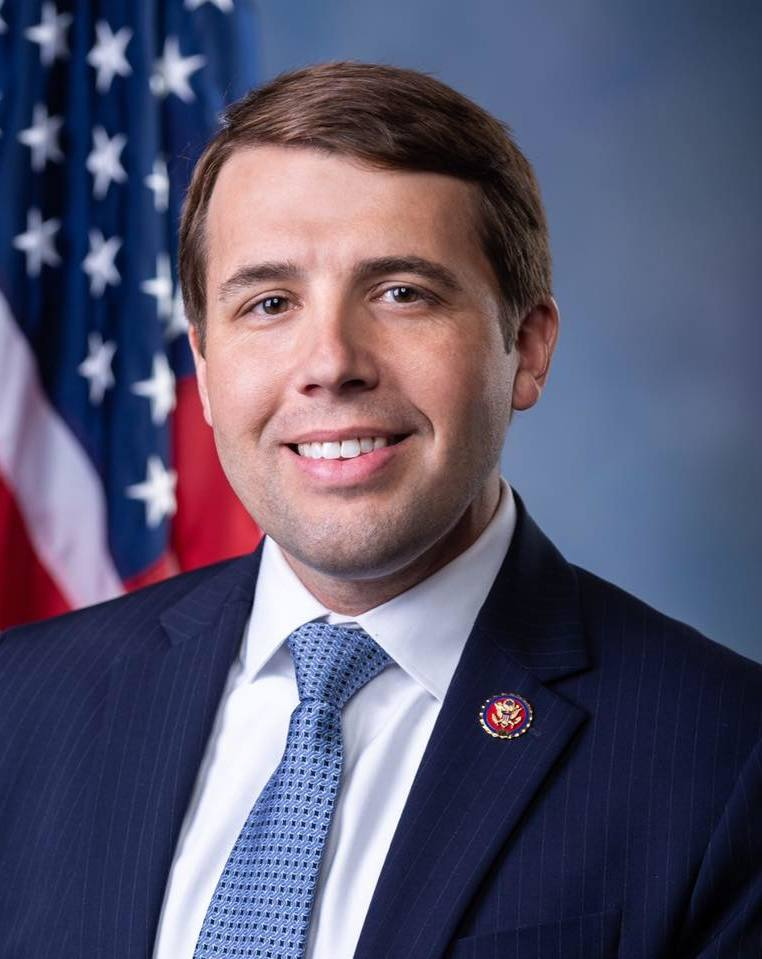
Co-Sponsor
-
TrackLori Trahan
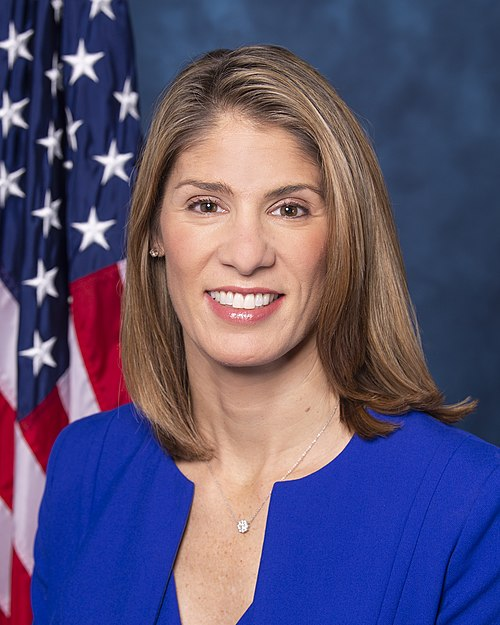
Co-Sponsor
-
TrackJefferson Van Drew
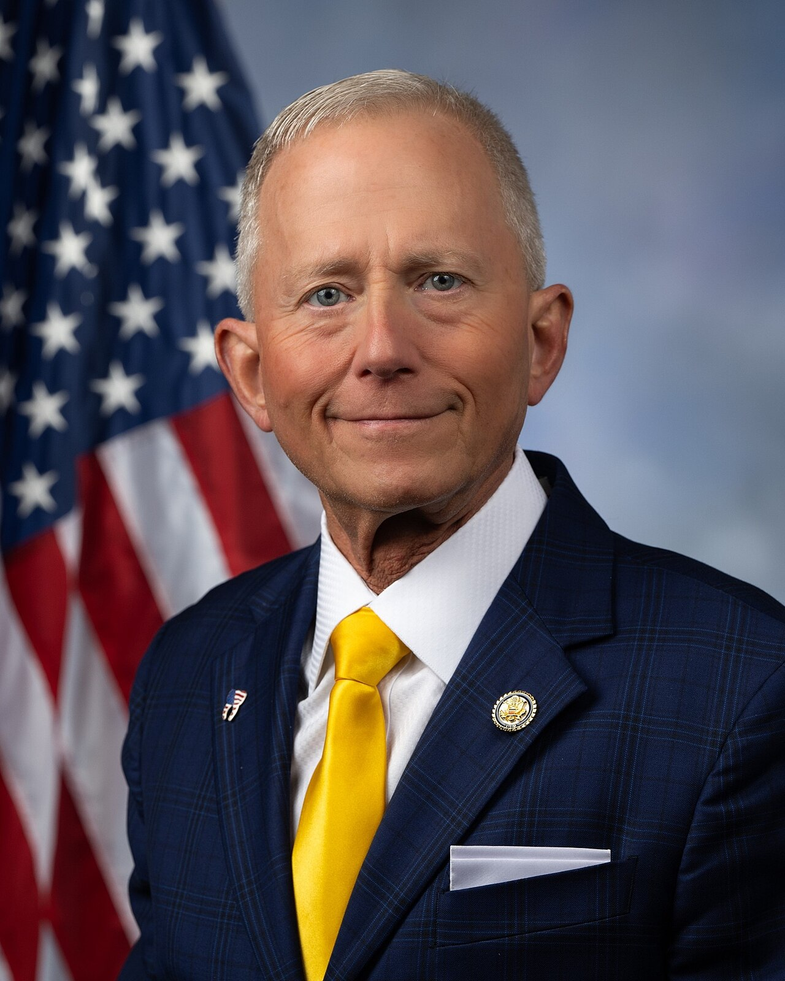
Co-Sponsor
Actions
2 actions
| Date | Action |
|---|---|
| May. 21, 2026 | Introduced in House |
| May. 21, 2026 | Referred to the House Committee on Energy and Commerce. |
Corporate Lobbying
0 companies lobbying
None found.
* Note that there can be significant delays in lobbying disclosures, and our data may be incomplete.