
H.R. 8939: Closing the HPV Testing Gap Act
This bill is called the "Closing the HPV Testing Gap Act." It aims to address the lack of testing for human papillomavirus (HPV) in men by directing the National Institutes of Health (NIH) to conduct a study on developing a standardized, noninvasive test for men to detect HPV.
Key Provisions
The bill includes several important components:
Findings
- HPV is the most common sexually transmitted infection in the United States and is associated with various HPV-related cancers, particularly oropharyngeal cancers in men.
- Currently, there is no FDA-approved HPV diagnostic test for men, creating a significant gap in public health related to detection, prevention, and treatment.
- Inclusion of men in HPV detection efforts can promote gender equity in cancer prevention and improve public health outcomes.
- The lack of a standardized test for men contributes to ongoing transmission of HPV, which can negatively impact women’s health and reinforce inequities in cancer prevention.
Study Requirements
The NIH is required to conduct a comprehensive study within 24 months of the bill's enactment. The study will involve the following:
- Assessment of current research and knowledge gaps regarding HPV testing in men.
- Exploration of different testing methodologies, including multi-site testing (oral, pharyngeal, anal, and urine samples).
- Consideration of future implementation strategies and pilot studies to enhance understanding of HPV-related cancer risks in men, particularly in underserved communities.
- Development of recommendations for regulatory approval and community screening initiatives to ensure equitable access to testing.
- Conducting additional pilot studies as deemed appropriate by the Secretary of Health.
Interagency Coordination
An interagency working group will be established, including representatives from the FDA, CDC, Health Resources and Services Administration, and the National Academy of Medicine. The goal of this group is to ensure collaboration among scientific, regulatory, and community pathways during the study.
Reporting Requirements
The Director of NIH is expected to submit a report to Congress within 30 months of the bill’s enactment. This report will outline:
- The findings and conclusions from the study.
- Recommendations for developing and implementing the noninvasive HPV test for men.
- Strategies for integrating HPV testing into national cancer prevention and health equity initiatives.
Funding
To implement the provisions outlined in the bill, the NIH will utilize funds that have been appropriated or made available for the fiscal years 2026 through 2030.
Relevant Companies
None found.This is an AI-generated summary of the bill text. There may be mistakes.
Sponsors
21 bill sponsors
-
TrackLaMonica McIver

Sponsor
-
TrackJoyce Beatty
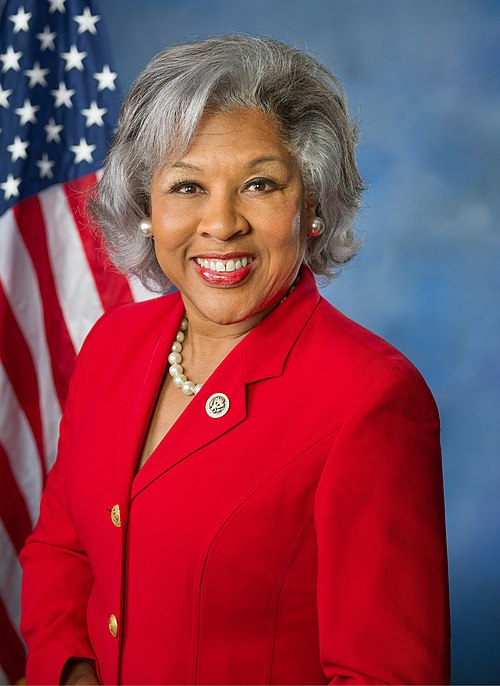
Co-Sponsor
-
TrackWesley Bell

Co-Sponsor
-
TrackJanelle Bynum

Co-Sponsor
-
TrackTroy A. Carter

Co-Sponsor
-
TrackYvette D. Clarke

Co-Sponsor
-
TrackDanny K. Davis

Co-Sponsor
-
TrackShomari Figures
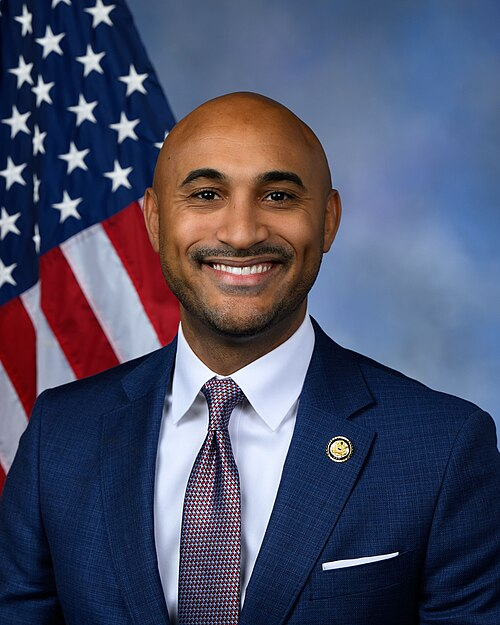
Co-Sponsor
-
TrackAl Green

Co-Sponsor
-
TrackHenry C. "Hank" Johnson, Jr.

Co-Sponsor
-
TrackTimothy M. Kennedy
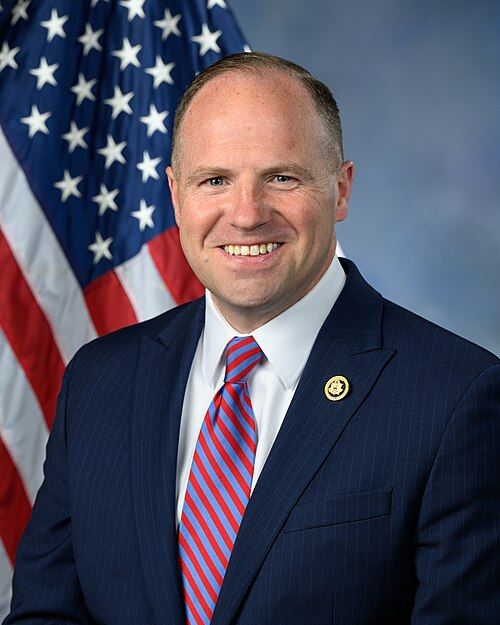
Co-Sponsor
-
TrackRobert Menendez

Co-Sponsor
-
TrackEleanor Holmes Norton

Co-Sponsor
-
TrackLateefah Simon

Co-Sponsor
-
TrackBennie G. Thompson

Co-Sponsor
-
TrackLauren Underwood

Co-Sponsor
-
TrackMarc A. Veasey

Co-Sponsor
-
TrackNydia M. Velázquez

Co-Sponsor
-
TrackMaxine Waters

Co-Sponsor
-
TrackBonnie Watson Coleman

Co-Sponsor
-
TrackNikema Williams

Co-Sponsor
Actions
2 actions
| Date | Action |
|---|---|
| May. 20, 2026 | Introduced in House |
| May. 20, 2026 | Referred to the House Committee on Energy and Commerce. |
Corporate Lobbying
0 companies lobbying
None found.
* Note that there can be significant delays in lobbying disclosures, and our data may be incomplete.
Potentially Relevant Congressional Stock Trades
No relevant congressional stock trades found.