H.R. 8908: Stop The Overuse of Petitions and Get Affordable Medicines to Enter Soon Act of 2026
This bill, known as the "Stop The Overuse of Petitions and Get Affordable Medicines to Enter Soon Act of 2026" or "STOP GAMES Act of 2026", aims to amend the Federal Food, Drug, and Cosmetic Act to streamline the process for addressing certain petitions related to the approval of pharmaceutical applications. Below are the key components of the bill:
Purpose of the Bill
The main goal of the bill is to reduce the delays in the approval of drug applications that can be caused by frivolous or strategically timed petitions. It seeks to prevent parties from using petitions primarily as a tactic to obstruct the approval process for new drugs or generic alternatives.
Changes to Petition Process
The bill proposes several amendments to how petitions can be submitted and evaluated:
- Written Request Requirement: Petitions must be submitted in writing and filed within 60 days after the party becomes aware of the relevant information.
- Denial of Petitions: If the Secretary of Health determines that a petition is primarily intended to delay approval, it may be denied. The Secretary can consider various factors to make this determination, such as:
- Unreasonable delays in filing a petition after becoming aware of relevant facts.
- Multiple petitions on similar issues that could have been addressed earlier.
- Petitions submitted close to crucial dates for drug approval related to patents or market exclusivity.
- Lack of supporting data or information in the petition.
- History of previous petitions filed by the same party that were found to be intended to cause delays.
- Referral to the Federal Trade Commission (FTC): If a petition is determined to be intended to delay drug approval, the Secretary must refer the issue to the FTC.
- Administrative Remedies: Changes are made to the handling of civil lawsuits against the Secretary, emphasizing the requirement to exhaust administrative remedies before pursuing litigation in court.
Reporting Requirements
The bill mandates additional reporting to Congress regarding submitted petitions. This includes:
- Listing all petitions submitted during a specified period, along with identifying the petitioners.
- Quantification of resources spent on each petition.
- Timing of petitions relative to key dates in the approval process and associated patent expiration.
- Estimates of delays caused by petitions, along with a description of the methodologies used to calculate these delays.
Impact on Drug Approval Processes
The proposed changes are intended to expedite the approval of new and generic drugs by reducing obstacles posed by non-substantive petitions. This is expected to lead to more timely access to affordable medicines for consumers.
Relevant Companies
- PFE (Pfizer Inc.): Pfizer could experience a quicker approval process for its competitors' generic drugs due to reduced petition delays, impacting its market share.
- NVS (Novartis AG): Similar to Pfizer, Novartis may face accelerated market entry of generic versions of its drugs, altering its competitive landscape.
- LLY (Eli Lilly and Company): The passage of this bill may facilitate faster approvals for generic drugs that could affect the sales of brand-name products offered by Eli Lilly.
- AMGN (Amgen Inc.): Amgen might see changes in its market dynamics as generic alternatives become available more rapidly.
This is an AI-generated summary of the bill text. There may be mistakes.
Sponsors
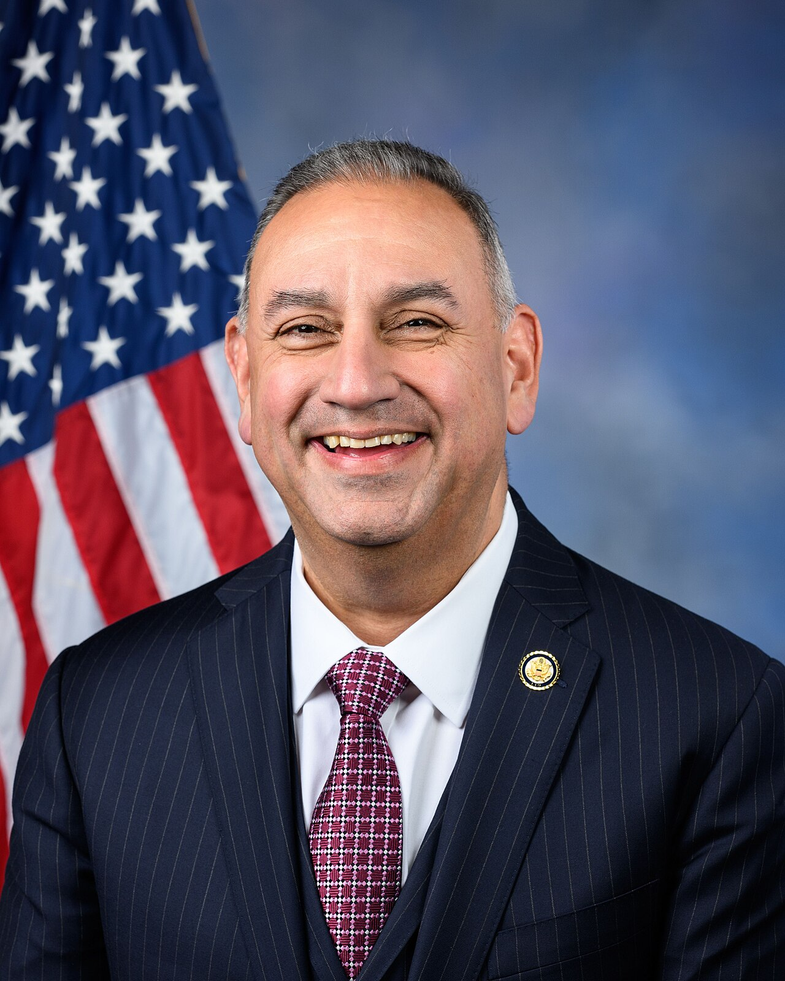
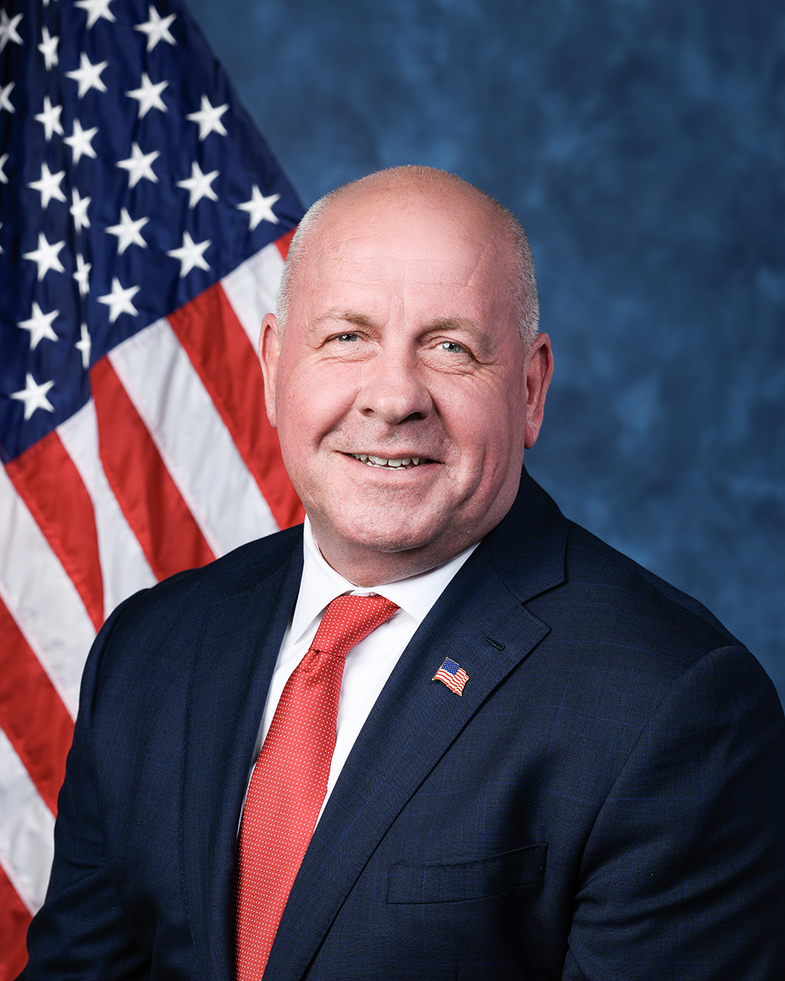
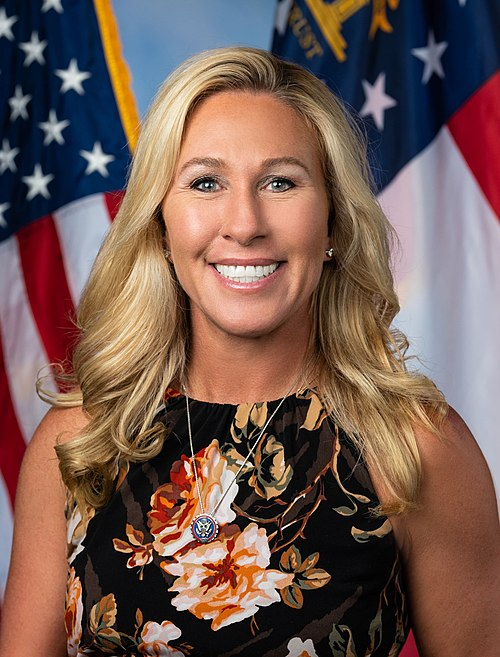
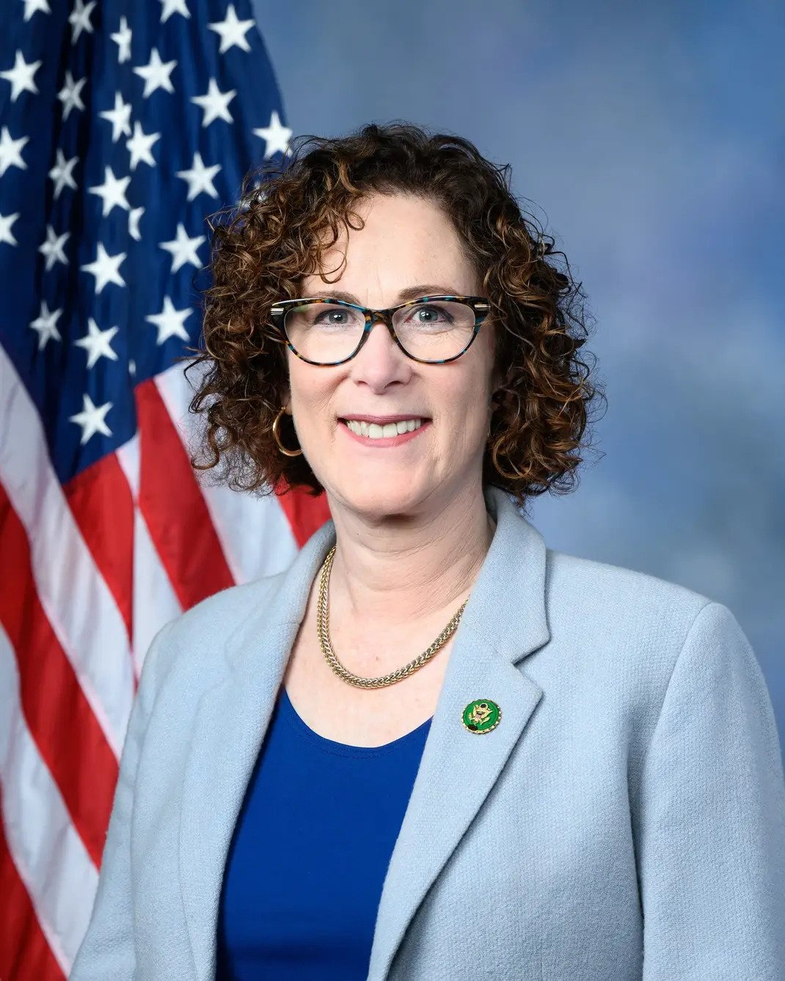
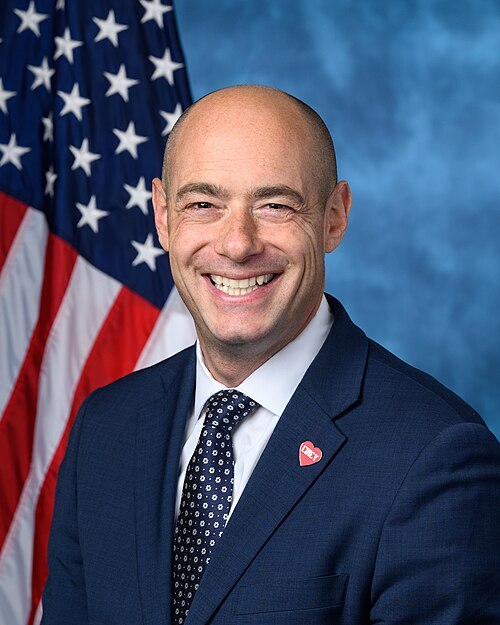
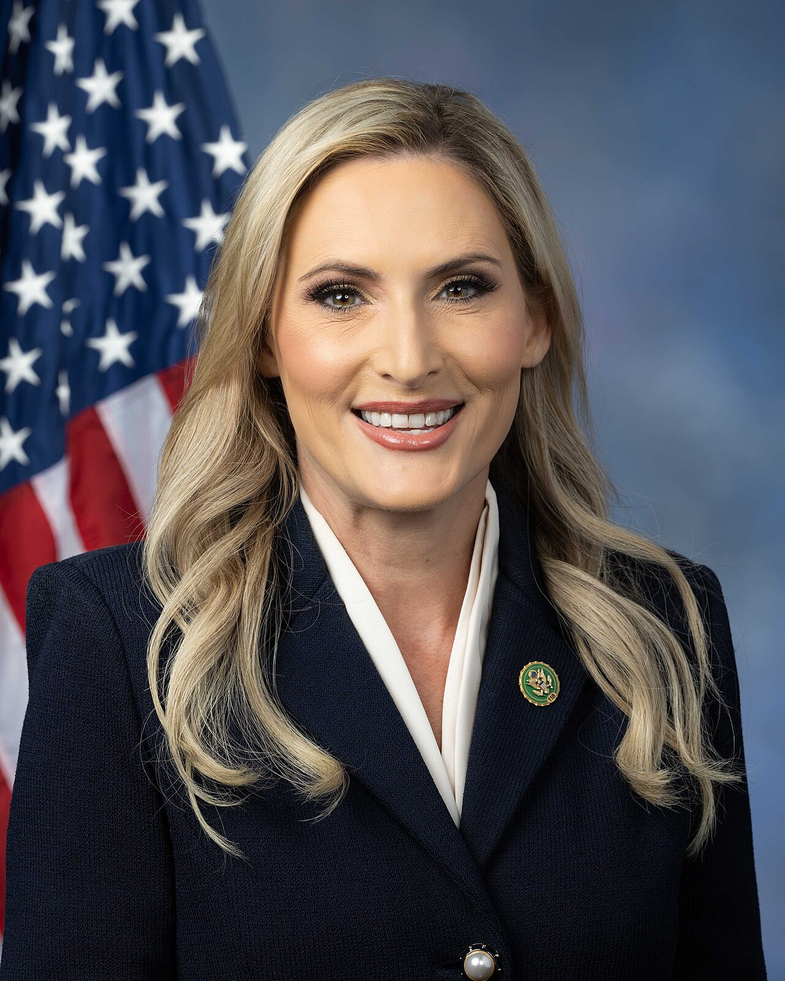
2 bill sponsors

Actions
2 actions
| Date | Action |
|---|---|
| May. 19, 2026 | Introduced in House |
| May. 19, 2026 | Referred to the House Committee on Energy and Commerce. |
Corporate Lobbying
0 companies lobbying
None found.
* Note that there can be significant delays in lobbying disclosures, and our data may be incomplete.