
H.R. 8819: Federal Artificial Intelligence Risk Management Act of 2026
This bill would direct the National Institute of Standards and Technology (NIST) to create and update federal standards for how government agencies use artificial intelligence.
What it requires
The bill adds a new section to existing federal law requiring NIST, working with the Office of Management and Budget and other agencies as needed, to develop:
- standards and minimum requirements for AI systems used by federal agencies or their contractors;
- rules for managing risks tied to the reliability and trustworthiness of those AI systems;
- standards for identifying, tracking where synthetic content came from, and labeling synthetic content created by or for federal agencies; and
- research and analysis to support those standards.
How the standards would work
In creating these standards, NIST would be directed to align them, where appropriate, with the existing NIST Artificial Intelligence Risk Management Framework or a later successor. The bill also says the standards should be consistent with general federal standards policy and should be useful for conformity assessment, meaning agencies can test whether they are following them.
The bill also directs NIST to:
- recommend training for agencies that buy AI systems;
- identify or develop performance measures to help agencies implement the standards;
- provide guidance for creating agency-specific AI “profiles” based on each agency’s needs, risks, and resources;
- look at practices used for national security AI systems to see whether they could help improve civilian agency risk management; and
- periodically review and revise the standards as needed.
Adoption by federal agencies
If NIST decides a standard is ready for broad use, it would have to send it to the Secretary of Commerce for possible issuance under existing federal rules. NIST could also provide technical help to agencies and evaluate how well the standards are working in practice.
Testing and evaluation for AI purchases
The bill would also require NIST to study gaps in existing voluntary technical standards for testing, evaluating, verifying, and validating AI systems or services purchased by the government. After that study, NIST would convene stakeholders, develop and update related standards, and submit them for federal adoption when ready.
Within 90 days after finishing the gap analysis, NIST would have to report to House and Senate committees with the results and a plan for next steps.
What counts as AI and synthetic content
The bill defines “artificial intelligence system” broadly to include systems that meet the existing federal definition of AI, as well as any software, hardware, application, tool, or utility that operates partly using such a system. It defines “synthetic content” as information such as images, video, audio, or text that has been significantly modified or generated by algorithms, including AI.
Relevant Companies
- None found
This is an AI-generated summary of the bill text. There may be mistakes.
Sponsors
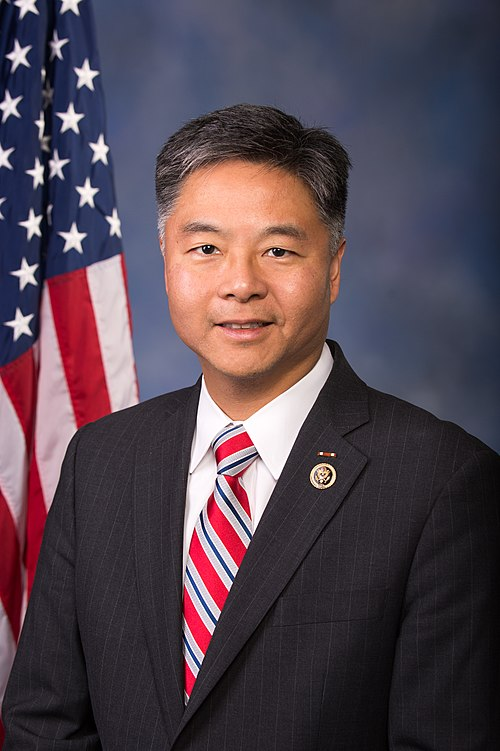
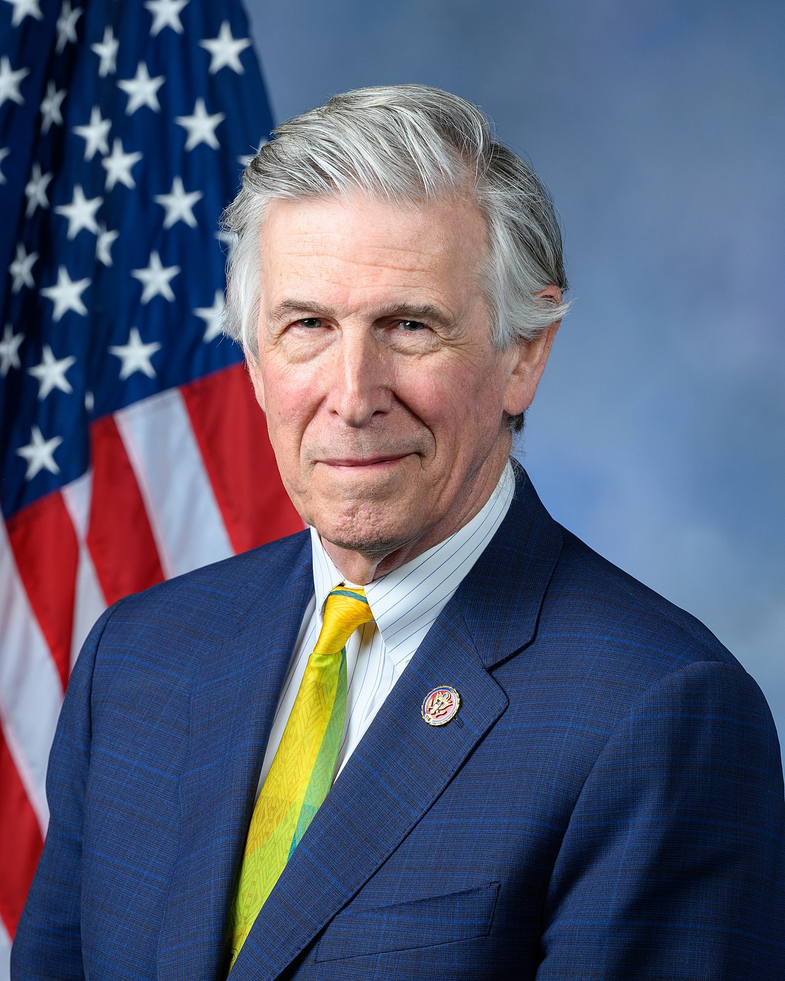
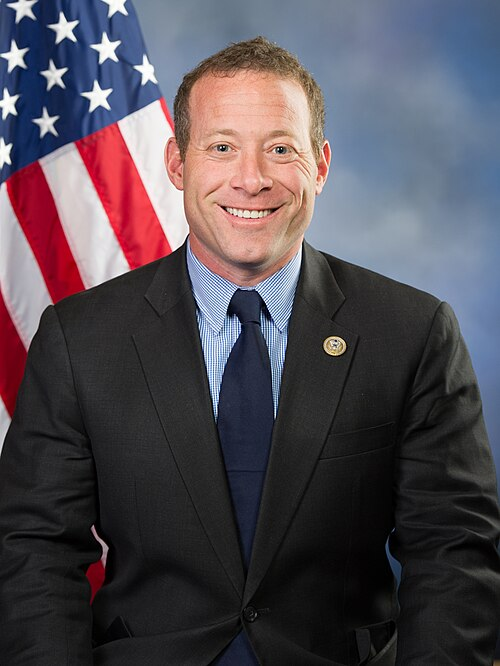
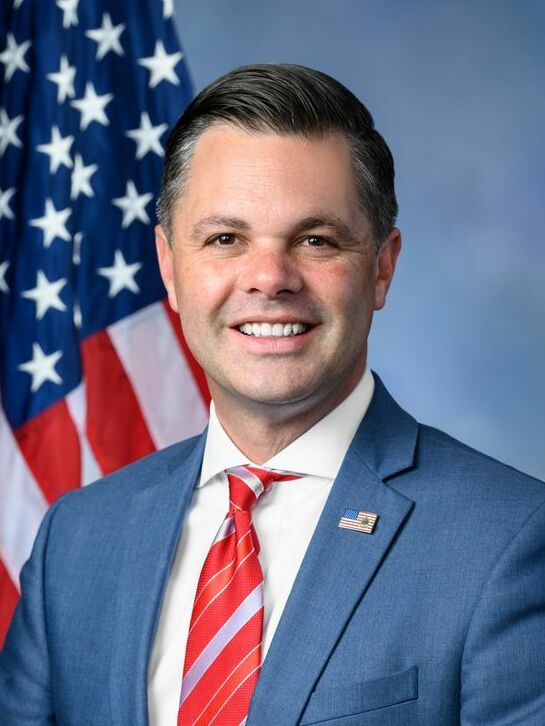
4 bill sponsors
Actions
2 actions
| Date | Action |
|---|---|
| May. 14, 2026 | Introduced in House |
| May. 14, 2026 | Referred to the House Committee on Science, Space, and Technology. |
Corporate Lobbying
0 companies lobbying
None found.
* Note that there can be significant delays in lobbying disclosures, and our data may be incomplete.
Potentially Relevant Congressional Stock Trades
No relevant congressional stock trades found.