H.R. 8749: Survival Aid For Emergencies through Medicare Act
This bill, known as the Survival Aid For Emergencies through Medicare Act (or SAFE through Medicare Act), aims to expand Medicare coverage to include certain home resiliency services that are deemed medically necessary, particularly for individuals who may be at risk during climate or manmade disasters. The key points of the bill include:
Medicare Coverage Expansion
The bill amends Section 1861 of the Social Security Act, specifically to include coverage for home resiliency services under Medicare for individuals who are medically at-risk. This means:
- Eligible individuals will receive coverage for necessary services that can help them prepare for or respond to disasters, such as heat pumps, solar batteries, and energy-efficient cold storage for sensitive medical supplies.
- The determination of who is considered medically at-risk will be made by the Secretary of Health and Human Services, considering factors like geography, history of disasters, reliance on medical equipment, and individual health conditions.
Definition of Home Resiliency Services
Home resiliency services include items and services that are identified as necessary after a specific start date (January 1, 2027) for individuals determined to be at risk in the context of climate or manmade disasters. Examples of such services are:
- Heat pumps for those vulnerable to extreme temperatures.
- Solar batteries for individuals relying on electrical medical equipment.
- Energy-efficient storage solutions for heat-sensitive medical supplies.
Process for Determining Medical Risk
The bill mandates the establishment of a process to determine which individuals are medically at-risk during disasters. This process will consider:
- Geographical and historical climate risks and preparedness.
- Medical dependence on equipment that is sensitive to extreme conditions.
- Chronic health conditions and disabilities that increase vulnerability in disaster situations.
Payment Provisions
In terms of payment for these services, the bill outlines that Medicare will cover 100 percent of the costs for eligible home resiliency services, which may include either the actual charge or a predetermined fee schedule established by the Secretary of Health and Human Services.
Implementation Timeline
The services would begin to be available for coverage from January 1, 2027, allowing time for the necessary rules and regulations to be established for implementation.
Relevant Companies
- ENPH (Enphase Energy, Inc.): This company produces solar energy solutions, including solar batteries that could be necessary for individuals who require backup power for medical equipment during emergencies.
- TSLA (Tesla, Inc.): Tesla manufactures home energy products, including solar panels and batteries, which may be used for home resiliency services as outlined in the bill.
- NKE (Nike, Inc.): Nike and similar companies are indirectly related as potential suppliers of emergency supplies or equipment for vulnerable populations; however, this impact may be less direct compared to others listed.
This is an AI-generated summary of the bill text. There may be mistakes.
Sponsors
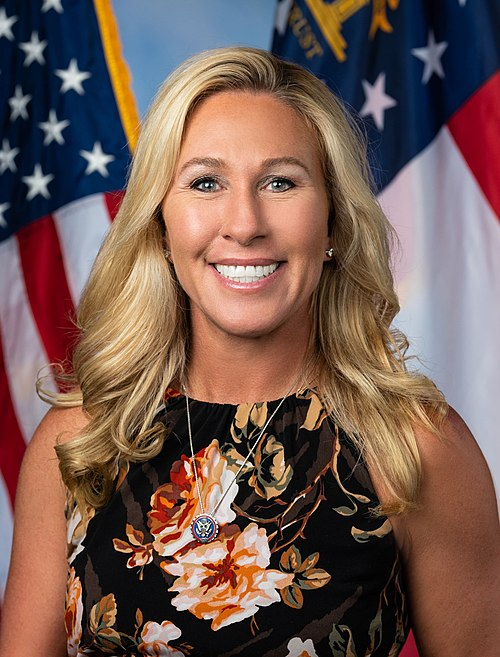
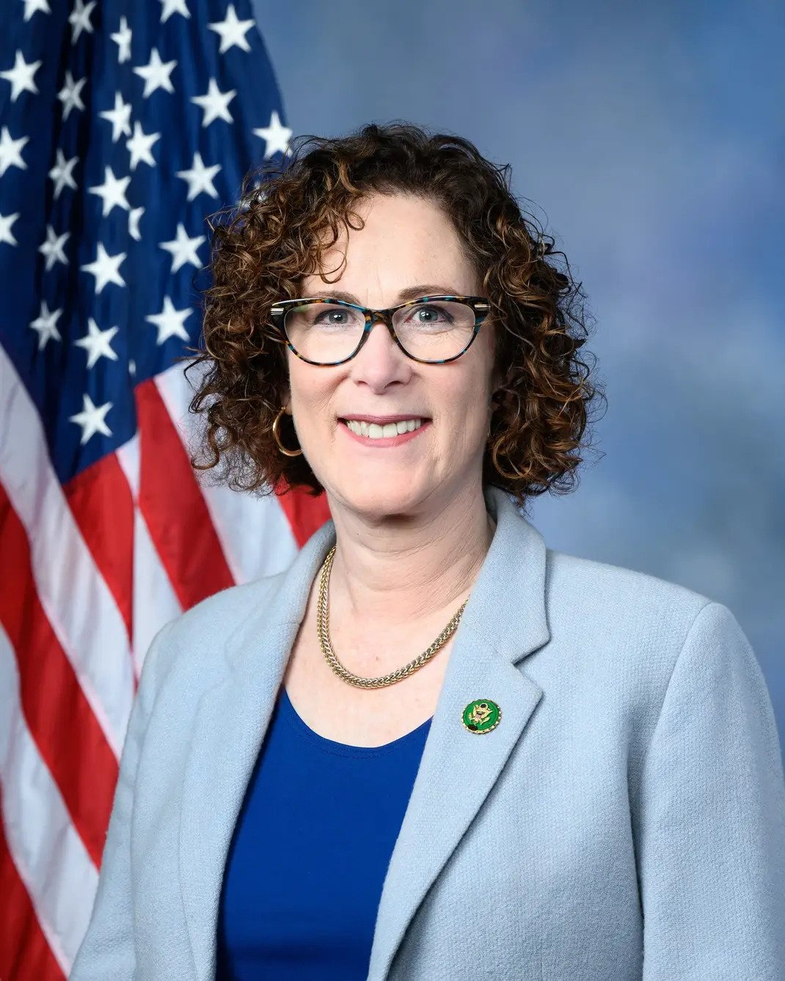
2 bill sponsors


Actions
2 actions
| Date | Action |
|---|---|
| May. 12, 2026 | Introduced in House |
| May. 12, 2026 | Referred to the Committee on Energy and Commerce, and in addition to the Committee on Ways and Means, for a period to be subsequently determined by the Speaker, in each case for consideration of such provisions as fall within the jurisdiction of the committee concerned. |
Corporate Lobbying
0 companies lobbying
None found.
* Note that there can be significant delays in lobbying disclosures, and our data may be incomplete.