H.R. 8746: Violent Incident Clearance and Technological Investigative Methods Act of 2026
This bill, known as the Violent Incident Clearance and Technological Investigative Methods Act of 2026 (or VICTIM Act), aims to enhance the ability of law enforcement agencies to clear violent incidents, particularly homicides and firearm-related crimes, through a dedicated grant program overseen by the Attorney General. Below are the key components of the bill:
Grant Program Establishment
Within 180 days of the bill's enactment, the Attorney General is required to establish a grant program under the Office of Community Oriented Policing Services. The purpose of this program is to award grants to eligible law enforcement entities for implementing and managing methods and technologies that improve the resolution rates of violent incidents.
Eligibility and Applications
Eligible entities include state, tribal, or local law enforcement agencies. These agencies must submit applications to receive grants, detailing the proposed projects that the funds will support. The selection of grant recipients will be based primarily on the efficacy of their plans to improve clearance rates for violent crimes, specifically homicides and firearm-related incidents.
Objectives of the Grants
Grant recipients are expected to use the funds for various activities aimed at improving the clearance rates for violent crimes, including:
- Hiring and training additional personnel focused on homicide and violent crime investigations.
- Ensuring the retention of personnel already involved in such investigations.
- Investing in technology for evidence collection, processing, and forensic testing.
- Developing evidence-based programs that address the unique challenges related to violent crimes.
- Civil rights training during evidence collection and processing.
- Creating support programs for officers dealing with stress from violent crime investigations.
Supplementary Funding Requirements
The bill specifies that grant funds are intended to supplement existing state and federal funding for related activities, not to replace them.
Reporting and Oversight
Grant recipients must provide annual reports detailing their activities and progress, which should include information on:
- The number of personnel hired for investigations.
- Any new technologies acquired for law enforcement purposes.
- Data on crime clearance rates and the demographics of victims and suspects.
These reports will help assess the impact of the program on improving clearance rates for violent crimes over time. Audits will also be conducted to prevent misuse of grant funds, and entities with unresolved audit findings will be ineligible for future grants.
Establishment of Evaluation Processes
Evaluation of the effectiveness of grant programs will occur every two years, focusing on best practices that improve clearance rates and support for victims and families of victims affected by violent crime. The findings will be reported to Congress.
Funding Authorization
The legislation authorizes $60 million per fiscal year from 2027 to 2031 to support these initiatives, with specified allocations for rural and tribal law enforcement agencies to ensure equitable distribution of resources.
Barriers to Application
The Attorney General is tasked with identifying potential barriers to a streamlined grant application process to facilitate access for local entities.
Inclusion of Various Demographic Considerations
There are provisions to ensure representation in grant allocations between rural, urban, and Tribal law enforcement agencies, aiming to distribute funds broadly and address diverse community needs.
Relevant Companies
- CSCO (Cisco Systems) - Might provide technological solutions for forensic evidence processing and investigative technologies.
- ADT (ADT Inc.) - May be involved in providing security and monitoring technologies to support law enforcement initiatives.
- GD (General Dynamics) - Could be a supplier of technology and expertise in communications and surveillance for law enforcement agencies.
This is an AI-generated summary of the bill text. There may be mistakes.
Sponsors
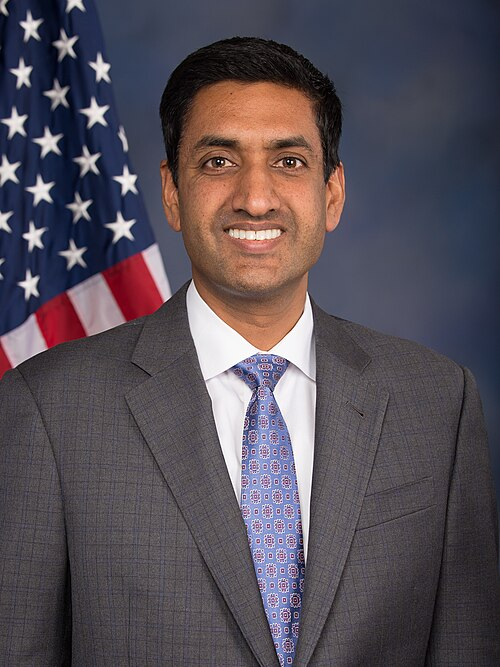
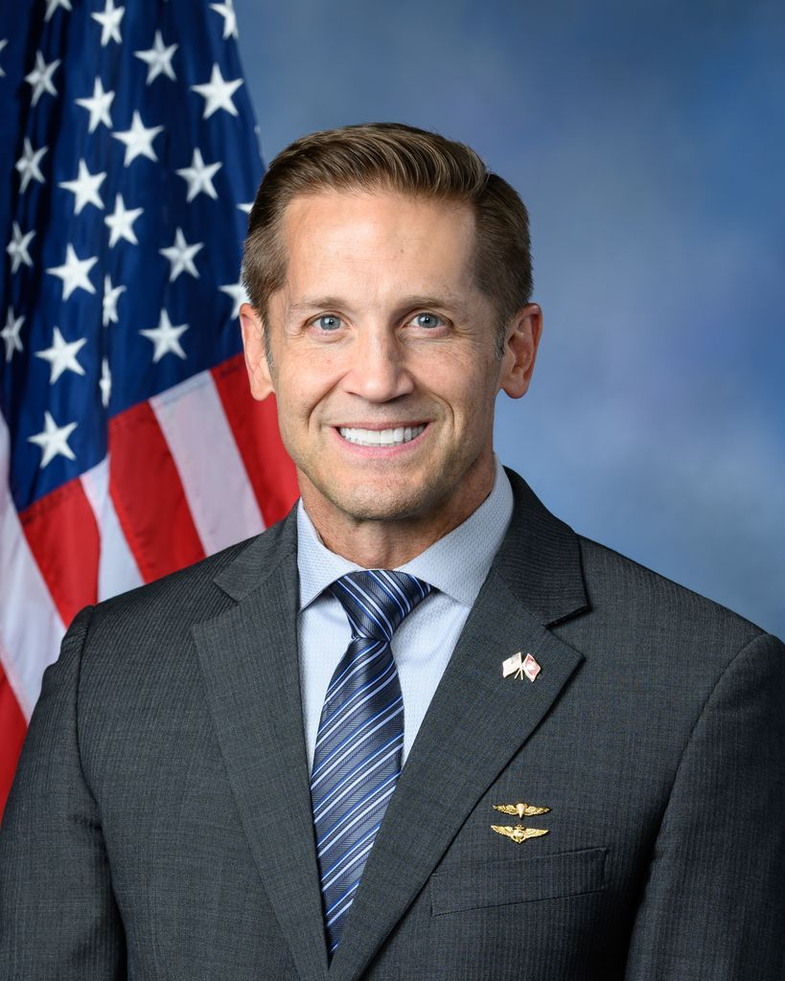
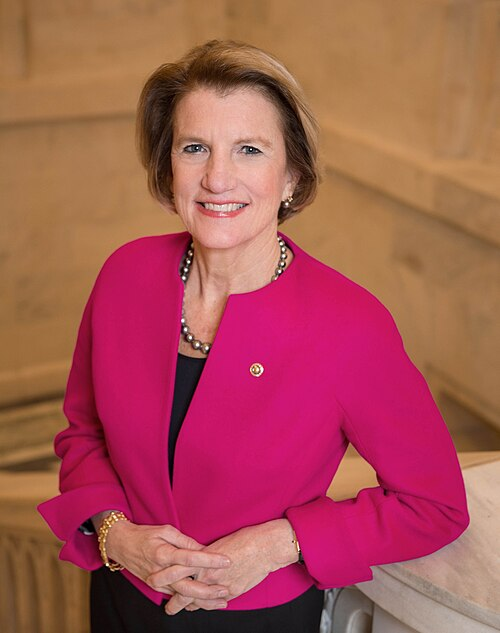
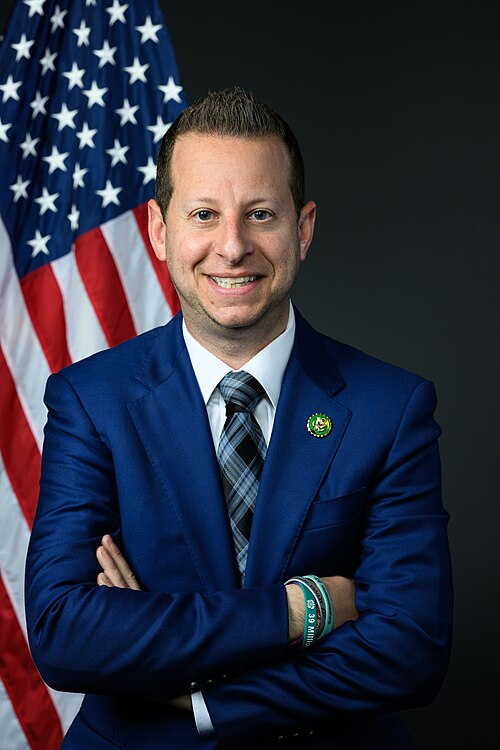
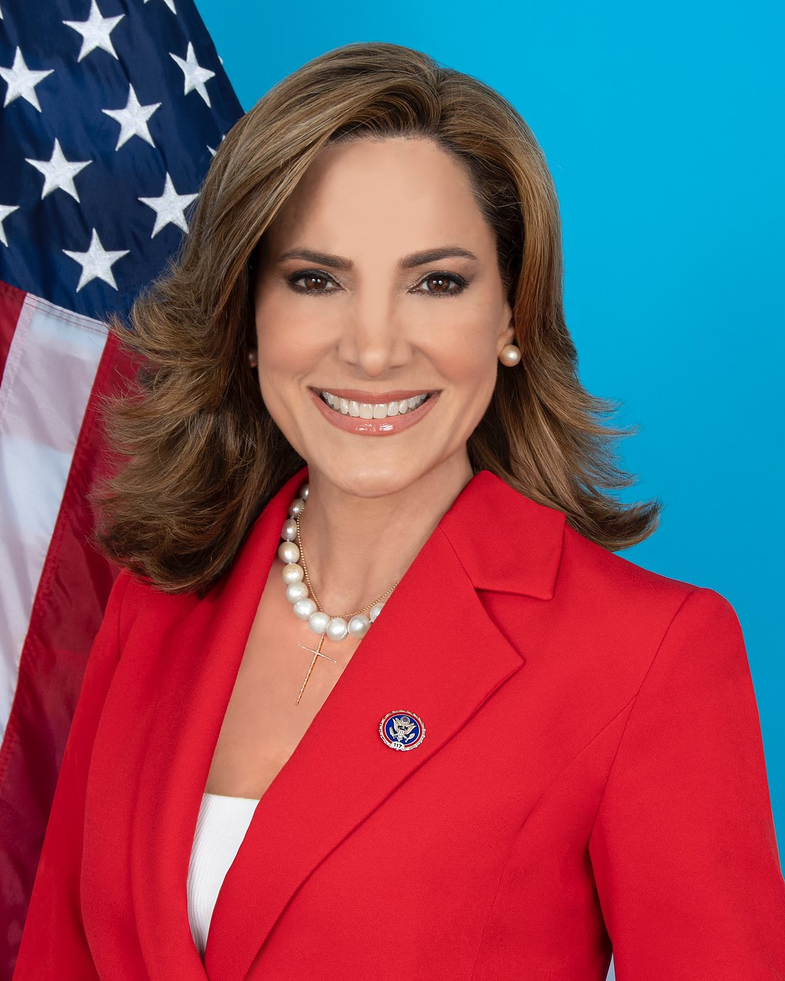
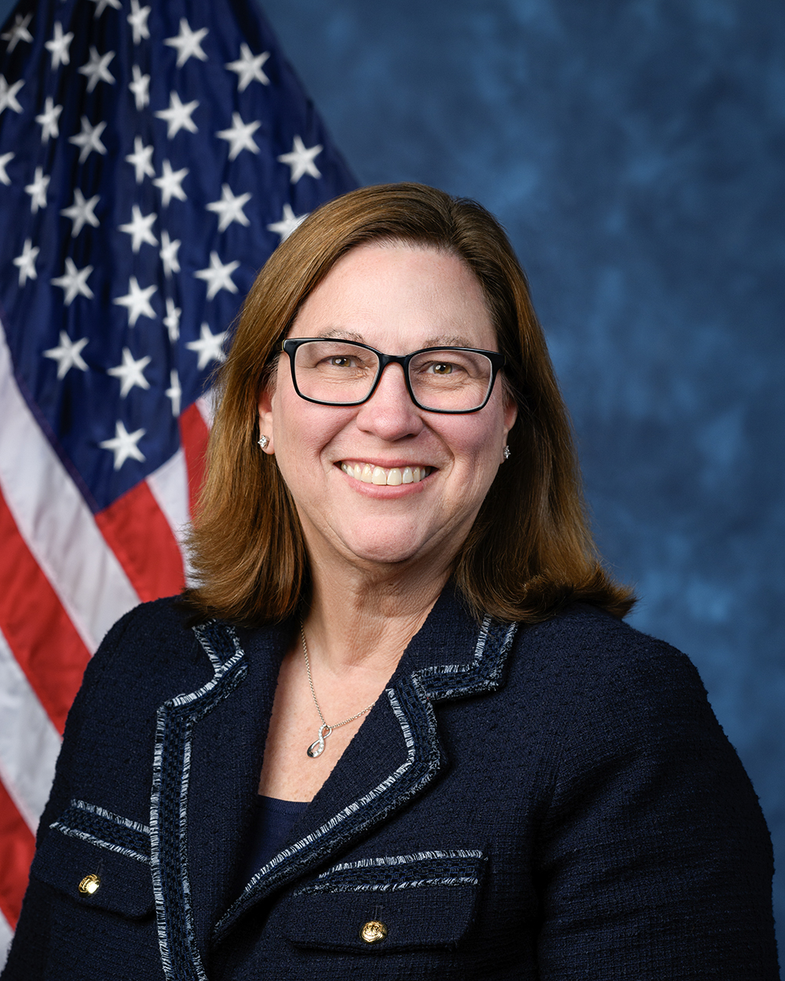
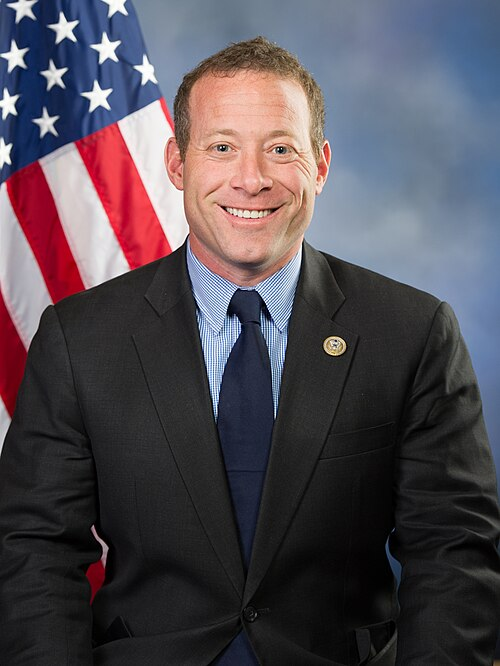
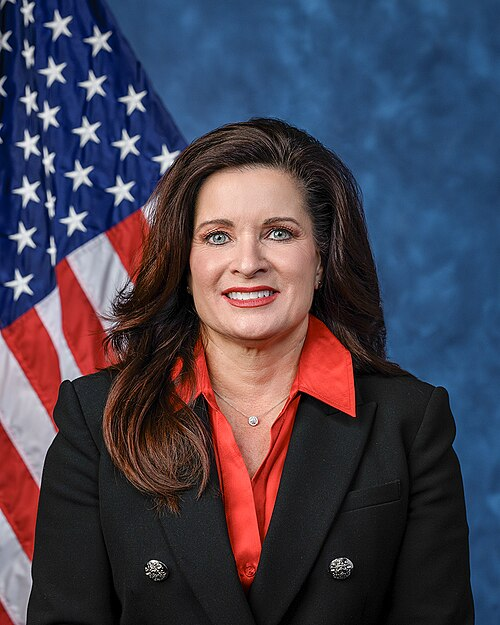
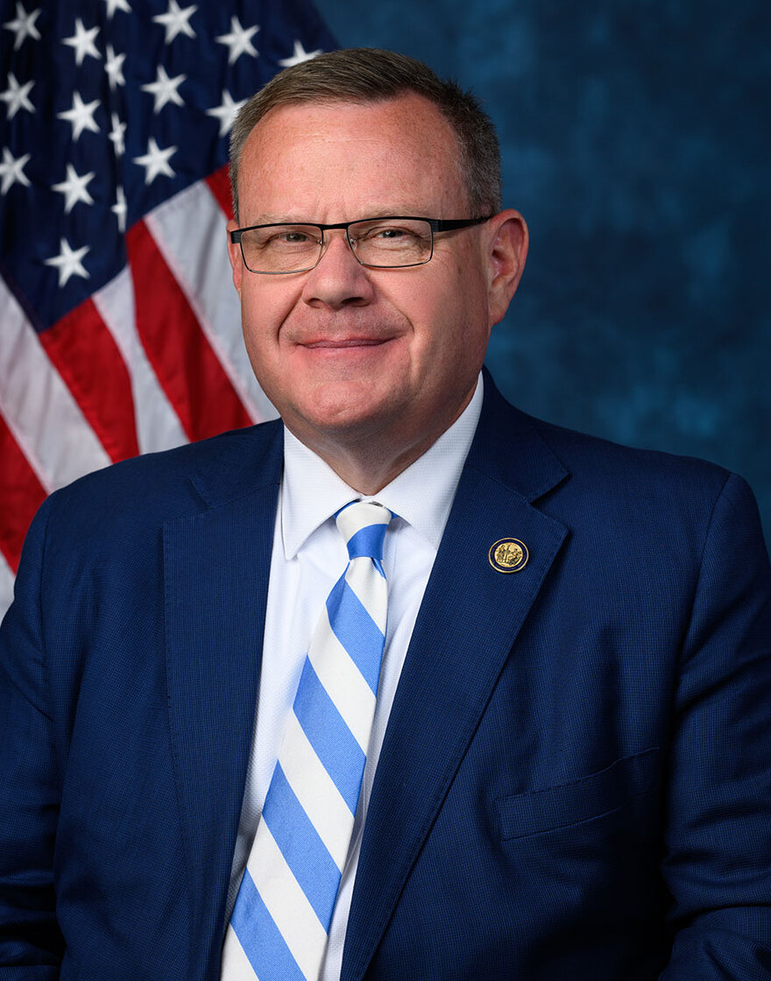
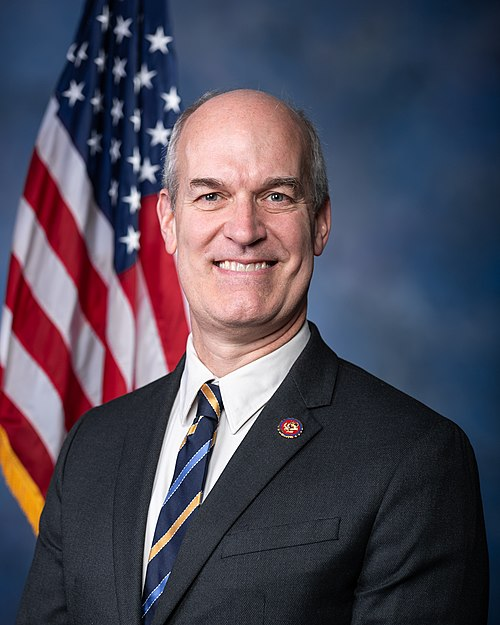
2 bill sponsors
Actions
2 actions
| Date | Action |
|---|---|
| May. 12, 2026 | Introduced in House |
| May. 12, 2026 | Referred to the House Committee on the Judiciary. |
Corporate Lobbying
0 companies lobbying
None found.
* Note that there can be significant delays in lobbying disclosures, and our data may be incomplete.