H.R. 8407: Advancing Consistent and Credible Use of Risk Assessment Tools and Evaluation Act
This bill, titled the Advancing Consistent and Credible Use of Risk Assessment Tools and Evaluation Act (or ACCURATE Act), establishes a Commission on Hazard Risk Assessment Tools under the Department of Commerce. The commission's primary role is to advise on and enhance the quality of risk assessment tools utilized by federal agencies for evaluating natural hazards.
Key Provisions
The bill outlines several key provisions for the Commission, which must be established within 180 days of its enactment. The main duties of the commission include:
- Identifying Hazard Risk Assessment Tools: Determine the types of assessment tools and models needed by federal departments and agencies, such as hazard maps, flood maps, risk scores, and hazard ratings.
- Data Input Identification: Identify essential data sources related to the frequency and severity of natural hazards as well as information about built environments (e.g., infrastructure like buildings, roads, etc.) and community vulnerabilities.
- Develop Standards: Create and submit recommended standards for validating the quality and reliability of these risk assessment tools, including guidelines for their development and use.
- Standardized Methodologies: Develop methodologies for collecting, validating, and analyzing crucial data inputs used in risk assessments.
- Cataloging Quality Requirements: Examine the needs for quality, reliability, and transparency for the risk assessment tools currently used in federal procurement.
- Best Practices Recommendations: Advise on best practices for federal procurement of assessment tools to enhance their quality.
Membership of the Commission
The commission will include representatives from various sectors, ensuring a diverse group of expert members, such as:
- Federal agencies responsible for natural hazard modeling
- State and local emergency organizations
- The Federal Emergency Management Agency (FEMA)
- Insurance, banking, and public utility sectors
- Construction and real estate industries
- Academic institutions focused on research in hazard risk assessment
The commission is chaired by the Under Secretary of Commerce for Standards and Technology, who appoints members with specific expertise relevant to the commission's objectives.
Reporting and Compliance
The commission is required to submit multiple reports over time to Congress, including assessments of hazard risk tools and evaluations of the effectiveness of the standards developed. Federal agencies will be encouraged to use these standards when procuring or utilizing risk assessment tools from the private sector. However, there are provisions allowing exceptions in emergencies or when standards are not yet established.
Duration and Limits
The commission will operate for a period of five years, with provisions for evaluating its effectiveness and relevance during this time. It is also mandated to operate under strict conflict-of-interest guidelines to maintain integrity and transparency in its recommendations and actions.
Definitions
The bill includes key definitions related to:
- Built environment: Structures and infrastructure that provide living, working, and recreational spaces.
- Hazard risk: The potential exposure to loss or disruption due to natural hazards.
- Natural hazards: Extreme weather events, water or seismic occurrences that can result in loss of life or property.
Relevant Companies
- VERX - Companies involved in providing mapping, modeling, or hazard assessment tools may see changes in procurement practices from federal agencies.
- PLTR - Companies like Palantir that leverage data analytics and modeling may have increased opportunities for federal contracts related to hazard risk assessment.
- GIS - Geographic Information Systems companies could be impacted as they develop various hazard mapping tools and services.
This is an AI-generated summary of the bill text. There may be mistakes.
Sponsors
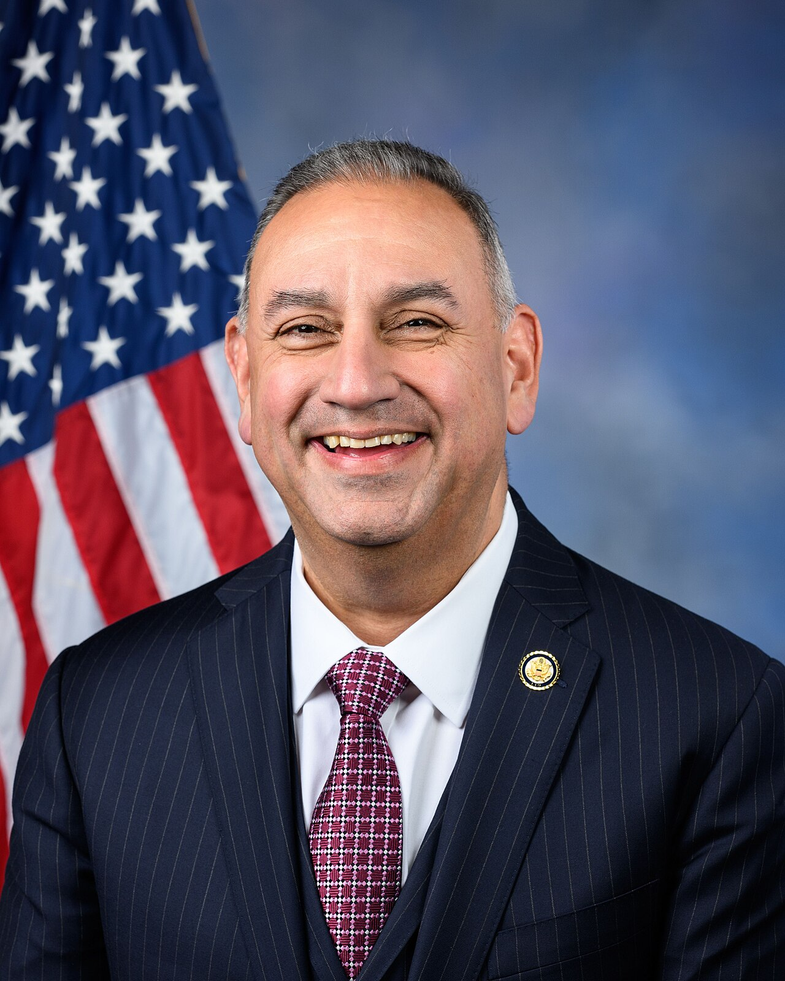
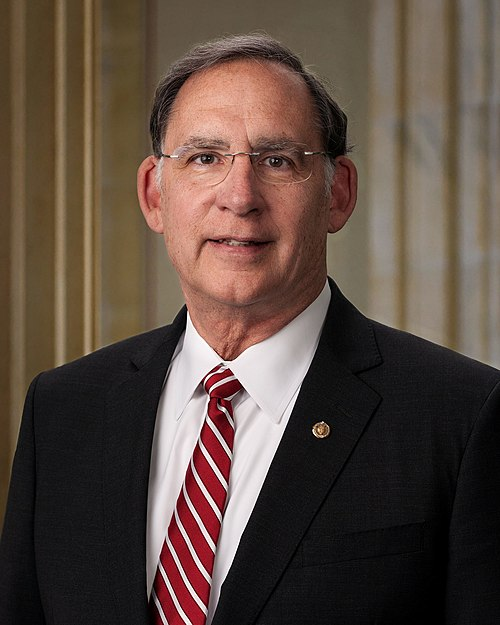
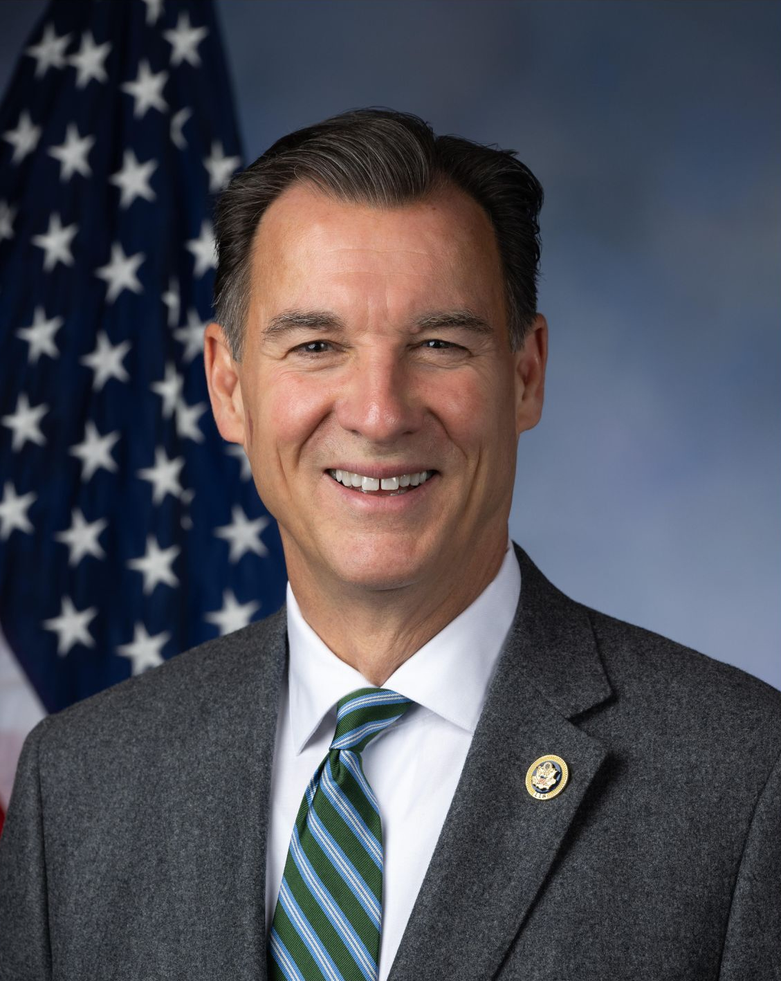
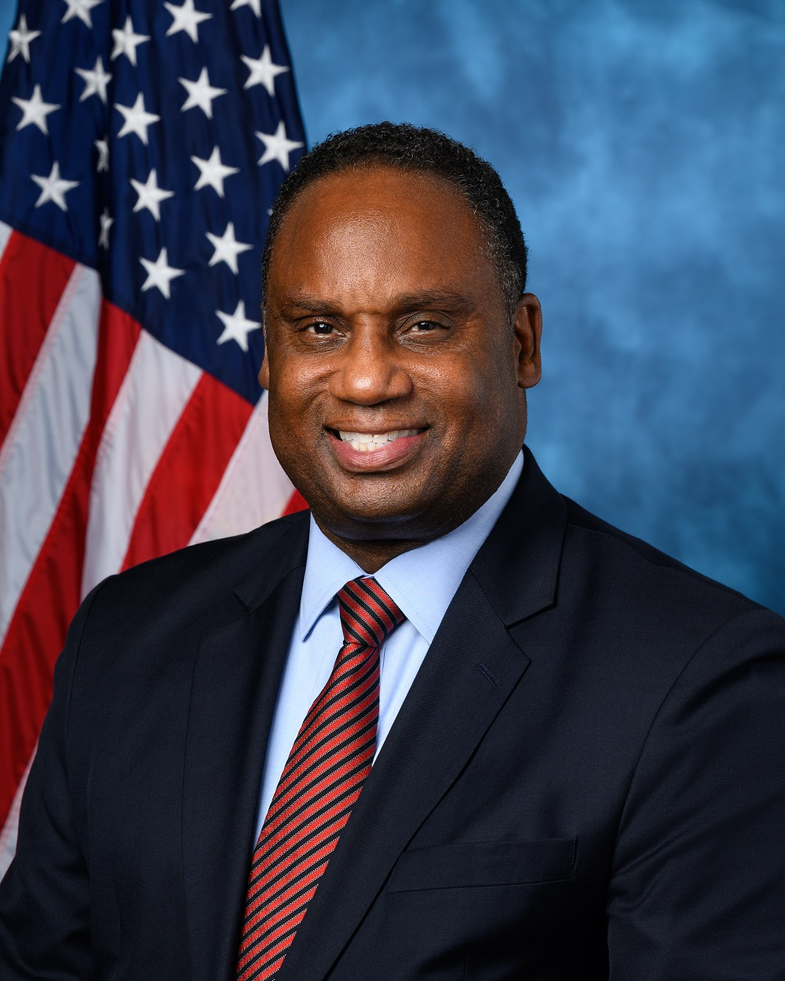
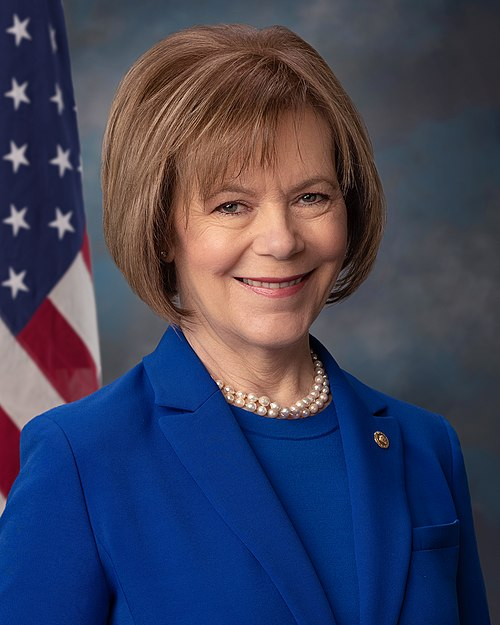
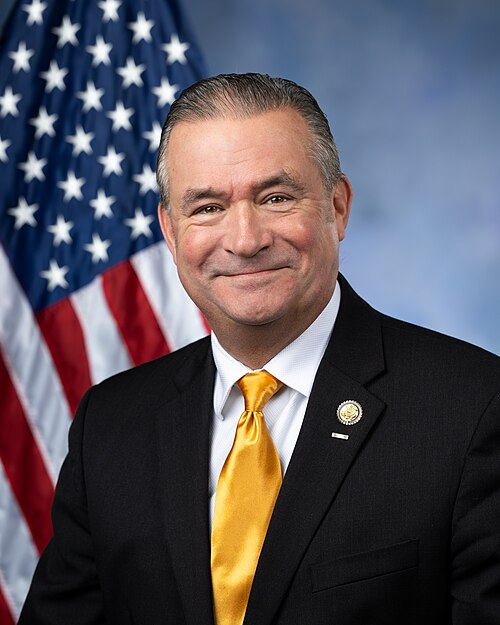
6 bill sponsors





Actions
2 actions
| Date | Action |
|---|---|
| Apr. 21, 2026 | Introduced in House |
| Apr. 21, 2026 | Referred to the House Committee on Science, Space, and Technology. |
Corporate Lobbying
0 companies lobbying
None found.
* Note that there can be significant delays in lobbying disclosures, and our data may be incomplete.