H.R. 8269: Consumer Labeling for Enhanced API Reporting and Legitimate Accountability for Base Entity Listings Act
This bill, known as the Consumer Labeling for Enhanced API Reporting and Legitimate Accountability for Base Entity Listings Act (or CLEAR LABELS Act), aims to enhance transparency in the pharmaceutical industry, particularly concerning the labeling of drug products. Below are the key components of what the bill proposes:
1. Improved Drug Labeling Requirements
The bill seeks to amend the Federal Food, Drug, and Cosmetic Act to ensure that drug labeling includes specific information regarding the original manufacturers and the supply chain. The following changes will be made:
- Finished Drug Products: Labels must contain the name, business location, and unique facility identifier of the manufacturer, packer, or distributor. Additionally, there should be a method (like a QR code) for accessing a searchable electronic portal with this information.
- Active Pharmaceutical Ingredients (APIs): The accompanying labels and certificates must include the name, location, and unique facility identifier of the original manufacturer of these ingredients.
- Details of Manufacturers: For finished drug products, the label must disclose the original manufacturers of each active pharmaceutical ingredient and the finished product, as well as any packer or distributor involved.
- Multiple Manufacturers: If there are multiple manufacturers for the active ingredients, the labeling must identify all these manufacturers, either on the label or via an electronic portal.
2. Additional Information Accessibility
The bill mandates that manufacturers provide the required information not only electronically but also through package inserts or in paper form to anyone who requests it. This aims to ensure that consumers and healthcare providers can access the necessary information easily.
3. Definition of Original Manufacturer
The bill defines "original manufacturer" as the last establishment that conducts significant manufacturing activities before the product is introduced into interstate commerce. This clarification ensures consistency in labeling requirements.
4. Implementation of Regulations
The Secretary of Health and Human Services will be responsible for issuing regulations to implement these labeling requirements. These regulations will provide for reasonable adjustments and will take effect at least one year after they are published.
5. Exemptions from Customs Marking Requirements
The bill also includes a provision that exempts finished drug products from certain customs country of origin marking requirements, provided they meet the labeling requirements set forth in the Federal Food, Drug, and Cosmetic Act.
Summary
In essence, this legislation aims to create more transparency in the pharmaceutical industry, making it easier for consumers and healthcare professionals to know the origins of the drugs they use. By requiring detailed labeling about manufacturers and supply chains, the bill seeks to improve accountability in the drug manufacturing process.
Relevant Companies
- Procter & Gamble (PG) - As a major player in the pharmaceutical and healthcare sector, any changes in drug labeling regulations could affect how they label and market their products.
- Johnson & Johnson (JNJ) - A significant manufacturer of pharmaceuticals, this company's products will need to comply with the new labeling regulations, potentially affecting their supply chain practices.
- Pfizer (PFE) - As a leading drug manufacturer, Pfizer will need to ensure that their products meet the newly proposed labeling requirements, which could lead to operational changes.
This is an AI-generated summary of the bill text. There may be mistakes.
Sponsors
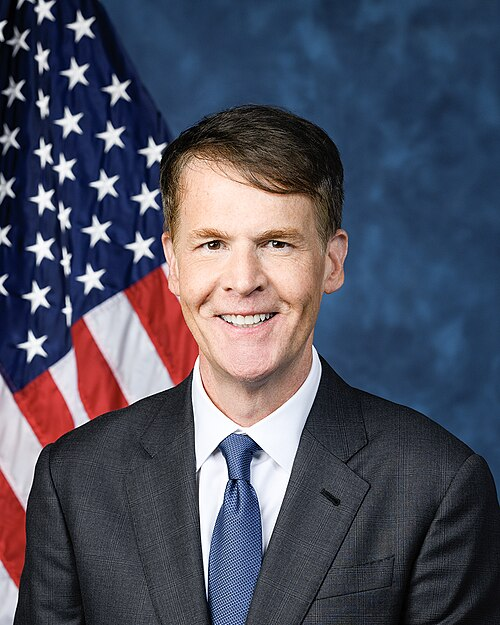
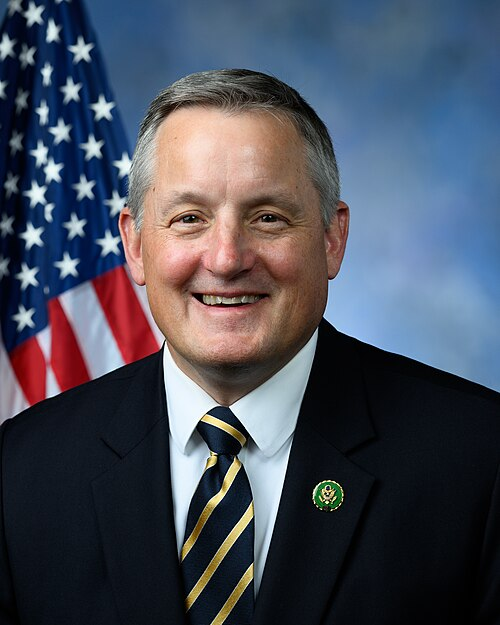
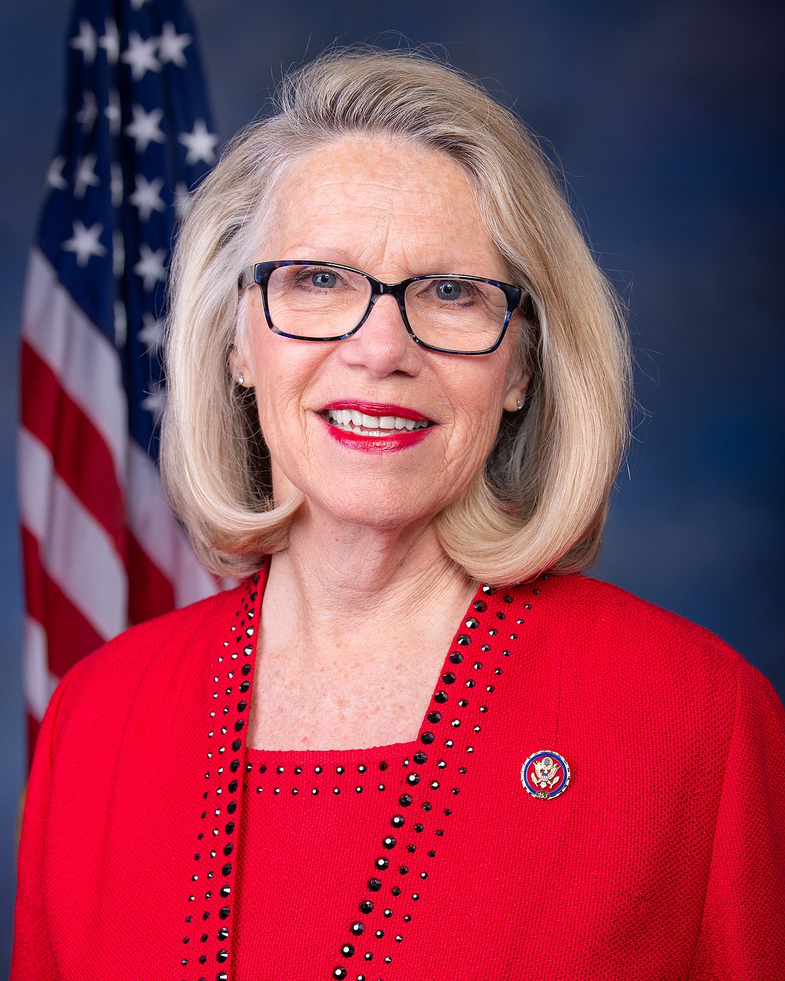
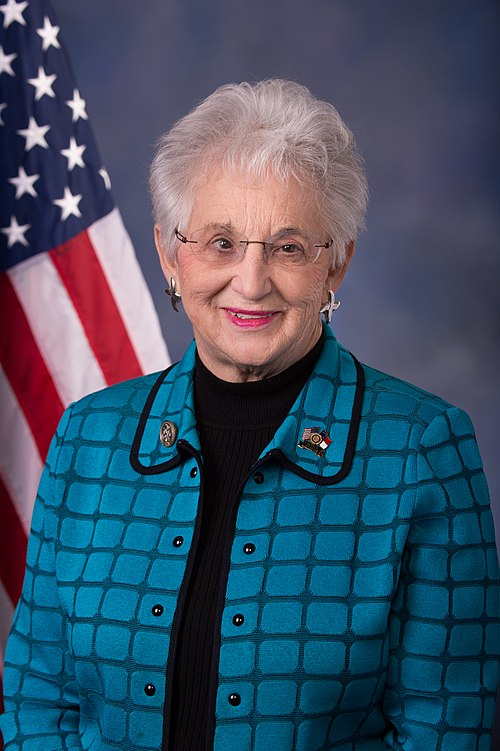
3 bill sponsors


Actions
2 actions
| Date | Action |
|---|---|
| Apr. 14, 2026 | Introduced in House |
| Apr. 14, 2026 | Referred to the Committee on Ways and Means, and in addition to the Committee on Energy and Commerce, for a period to be subsequently determined by the Speaker, in each case for consideration of such provisions as fall within the jurisdiction of the committee concerned. |
Corporate Lobbying
0 companies lobbying
None found.
* Note that there can be significant delays in lobbying disclosures, and our data may be incomplete.